Last updated November 17, 2026








Free written scope consultation - allowances, timeline, and change-order rules on paper before a single trade is scheduled
General Contractor Warning Signs Every Homeowner Should Know
By the time a contractor asks for a draw that’s ahead of the work completed, the financial pressure that caused it has usually been building for weeks, and you’ve already missed the window to intervene cleanly. That’s the uncomfortable truth about contractor problems: the license check and the cash-only warning get all the attention, but the behaviors that actually predict abandonment or a final-invoice fight are quieter and show up mid-project. In this guide, we’ll walk through the pre-contract language that should stop you cold, the mid-project money signals that matter most, how to read a lien waiver, and the exact written notice to send when something feels off. We’ve watched these patterns play out on job sites across East Los Angeles, and we’ll show you where the clean exit points are before it’s too late to use them.
Quick Answer
The most important warning signs of a bad general contractor are a contract with vague scope and no exclusions list, a payment schedule not tied to completed milestones, draw requests that outpace finished work, subcontractors who appear without being named in the contract, and a refusal to provide conditional lien waivers at each payment. These mid-project behaviors predict trouble far more reliably than the obvious red flags, and the earlier you document them in writing, the more leverage you keep.
Styles & brands we work with
- Kitchen remodeling
- Bathroom remodeling
- Home additions & ADU
- Roofing
- Windows & doors
- Driveway & pavers
- Fence
Table of Contents
- Pre-Contract Red Flags That Go Beyond a License Check
- How a Payment Schedule Should Be Built
- Draw Requests That Outpace the Work
- Subcontractors and Materials That Appear From Nowhere
- Communication Patterns That Predict Abandonment
- How to Read a Lien Waiver
- What to Do When You See the Signs Early
- When to Call CSLB Versus an Attorney
Pre-Contract Red Flags That Go Beyond a License Check
Everyone tells you to verify a contractor’s license. Good advice, and you should do it. But a valid license number tells you almost nothing about whether the scope of work is defined well enough to protect you. The real pre-contract warning signs live in the language of the proposal and the payment terms, and they’re easy to spot once you know what to look for.
Here’s what should concern you before you sign anything:
- Vague scope language. Phrases like “update the kitchen” or “repair as needed” give the contractor room to define the work after the fact. A real scope names materials, quantities, dimensions, and brands.
- No exclusions list. A credible contractor tells you what’s not included: permit fees, drywall repair after rough-in, hauling, painting. The absence of an exclusions list is how change orders get invented later.
- No payment schedule tied to milestones. Payments should follow completed work, not calendar dates. If the schedule reads “50% on signing,” that’s a warning.
- Refusal to use a written contract. A handshake and a text thread is not a contract. Walk away.
- No written price before work begins. If you can’t get a firm number on paper, you don’t have a price, you have an estimate that can move.
This is the discipline behind Bradford Remodeling Co East Los Angeles home: a written price before any work starts and a documented scope, so nothing is left to interpretation. When a general contractor in East Los Angeles can’t put the scope in writing, that’s not a scheduling problem, it’s a strategy.
How a Payment Schedule Should Be Built
A payment schedule is the single best predictor of how a project will go. When it’s tied to milestones like demo complete, rough-in inspected, drywall hung, cabinets set, you have a built-in checkpoint at every stage. When it’s tied to dates or a lump-sum up front, you’ve handed over your leverage.
Here’s the sequence a well-run job follows:
- Modest deposit at signing. Enough to order materials and schedule, not half the project.
- Second payment at demolition and rough-in. Money moves only after the old work is out and the new framework is inspected.
- Third payment at drywall and finish stage. The project is visibly taking shape and the bulk of labor is behind you.
- Final payment after punch list and final inspection. Never before the work is signed off and the site is clean.
The key principle: money should always trail the work. If a contractor asks you to get ahead of that pattern, ask why in writing. A disciplined contractor will answer clearly. A struggling one will get vague, defensive, or push for the money anyway. In our experience, the payment schedule tells you more about a job’s outcome than the renderings do.
Draw Requests That Outpace the Work
This is the warning sign most homeowners miss, and it’s the one that matters most. A “draw” is a scheduled payment request tied to a stage of work. When a draw request arrives before that stage is actually complete, the contractor is using your money to fund a gap somewhere else: unpaid subs, materials already billed, or a different job running short.
That gap almost never appears overnight. It builds for weeks. By the time you’re being asked to pay for cabinets that aren’t on site, the contractor’s cash flow has been strained since the last job. The fix at that point is harder than it would have been earlier.
What to do when a draw request looks ahead of the work:
- Walk the site before you pay. Compare the request against what’s physically installed.
- Ask for a written status update itemizing what’s complete and what’s pending.
- Pay only the portion tied to completed milestones. Withhold the rest until the work catches up.
- Put your concern in writing the same day, even if it’s just an email. Paper trails matter.
If you’re remodeling a kitchen in East Los Angeles and the contractor asks for the cabinet draw before the cabinets have been delivered, that’s the moment to hold the check. Call us if you want a second opinion on a draw schedule, we’re glad to look at it.
Subcontractors and Materials That Appear From Nowhere
Substitutions happen on real jobs. What matters is whether they were agreed to in writing. A legitimate change gets a change order: a signed document spelling out the new material or scope and the new price. A substitution without a change order is a warning sign, not a convenience.
Watch for these patterns:
- A subcontractor who shows up unannounced. If the electrician or tile setter isn’t named in the contract, you have no record of who’s working on your home. Ask for a written update to the subcontractor list.
- Materials that don’t match the spec. If the contract names KraftMaid cabinets and a generic cabinet arrives, that’s a substitution. Same for James Hardie siding swapped for a lower-grade board.
- “Same thing, just a different brand” explanations. Sometimes true, often a downgrade. Ask for the spec difference in writing.
- Brands with no traceable specification. When materials come from a documented roster (KraftMaid, Wellborn, James Hardie, Therma-Tru), the manufacturer’s spec and warranty back the install. When they come from an unmarked truck, you have no paper trail.
This is one reason Bradford Remodeling works from a documented brand roster. When a kitchen in East Los Angeles is specified with KraftMaid or Wellborn cabinetry, the specification is traceable, and a substitution becomes visible immediately.
Communication Patterns That Predict Abandonment
Abandonment almost never starts with a sudden disappearance. It starts with small changes in communication that get worse over time. Homeowners who noticed the pattern early and put it in writing tend to recover their money. Those who waited often didn’t.
Watch for this sequence:
- Response times lengthening. A contractor who replied in an hour now replies in two days, then a week.
- Foreman changes without notice. A new foreman appears mid-job with no explanation. That usually means the original crew walked or was pulled to another job.
- “Waiting on a part” repeated weekly. One delay is normal. The same explanation four weeks running is a pattern.
- Promises without dates. “We’ll be back next week” with no day, no time, no confirmation.
- Radio silence after a payment. If the crew vanishes right after a draw, escalate immediately.
When you see two or more of these at once, treat it as a project risk, not a personality quirk. Document it in writing to the contractor and keep a dated log of every promise and every missed date. If you’re in East Los Angeles and you need a straight read on a struggling job, we’re glad to look at the contract and the current stage.
How to Read a Lien Waiver
A lien waiver is a document in which a contractor or subcontractor gives up their right to file a mechanics lien on your property for a stated amount. Without it, paying your GC doesn’t necessarily pay the subs, and an unpaid sub can put a lien on your house even after you’ve paid in full.
There are two types, and the difference matters:
- Conditional waiver: takes effect only when the payment actually clears. Protects you because the waiver isn’t final until the money lands.
- Unconditional waiver: final the moment it’s signed, even if the check bounces. Never accept one before the payment clears.
A GC who won’t provide conditional lien waivers at each payment milestone is a financial risk, not just an administrative hassle. It means you have no proof that the subs and suppliers were paid for the stage you’re being billed for. Ask for a conditional waiver tied to each draw, signed by the GC and named subs. Keep every signed waiver in a folder. If a GC refuses, that refusal goes in the same folder, in writing.
What to Do When You See the Signs Early
The clean exit from a struggling project is always earlier than you think. The steps below are the written action sequence we recommend, and they’re worth following in order.
Step 1: Send a written notice of concern. A short, factual email to the contractor, cc’d to yourself, stating the specific concern and the specific remedy you want: a written status update, a corrected draw, a named subcontractor list. Give a reasonable deadline, usually one week.
Step 2: Freeze the current draw. Do not release the next scheduled payment until the outstanding issue is resolved in writing. If the contractor has already pulled ahead of the work, hold the balance for the incomplete stage.
Step 3: Request a joint site walk. Ask the contractor to walk the job with you and document the completed work in writing, signed by both sides. This creates a record of the true stage of the project.
Step 4: Review the contract’s dispute clause. Most contracts have a written notice procedure. Follow it exactly. If you skip a required notice, you can lose leverage.
Step 5: Preserve everything. Photos with dates, text threads, invoices, waiver copies, the signed contract. If the project later needs a legal remedy, the paper trail is the case.
Call us at (833) 520-6636 if you want a second set of eyes on a struggling job. We’re happy to look at the contract and the site condition, and give you an honest read.
When to Call CSLB Versus an Attorney
The California Contractors State License Board (CSLB) is the first stop for many contractor disputes, and for good reason: it can investigate licensing violations, unlicensed work, and certain contract violations. A call to CSLB is appropriate when you suspect an unlicensed contractor, a license violation, or a pattern of misconduct. The CSLB complaint process is free and does not require a lawyer.
An attorney is the better contact when the financial stakes are large, the contract has a specific dispute clause you need to enforce, or you need to stop a project and recover funds. Attorneys are also the right call when a property lien has been filed by a subcontractor, because lien law timelines are short and unforgiving.
A simple way to decide:
- Unlicensed activity, no contract, or licensing misconduct: CSLB first.
- Large dollar loss, ongoing project, or lien on title: attorney first.
- Both issues at once: call CSLB to open a complaint and an attorney in parallel. They don’t conflict.
If you’re in East Los Angeles and you’re not sure which route applies, call us and we’ll help you figure out the next step, even if we’re not the ones doing the work. A general contractor in East Los Angeles who’s serious about the trade will tell you that plainly.
Common Mistakes to Avoid
- Paying a draw before walking the site. Always compare the request to what’s physically installed. A two-minute walk saves thousands.
- Skipping the exclusions list. Homeowners in East Los Angeles often get surprised by permit or haul-off charges that should have been written into the contract up front.
- Accepting a verbal change order. If the material changed and the price moved, get it on paper. No paper, no payment.
- Not asking for lien waivers at each milestone. Paying the GC doesn’t pay the subs. Waivers protect your title.
- Reading warning signs as personality quirks. A slow reply is annoying. A four-week pattern is a risk.
- Waiting to send written notice. The earlier the email goes out, the more leverage you keep.
- Skipping the dispute clause in the contract. Follow the required notice procedure, or you can lose your clean exit.
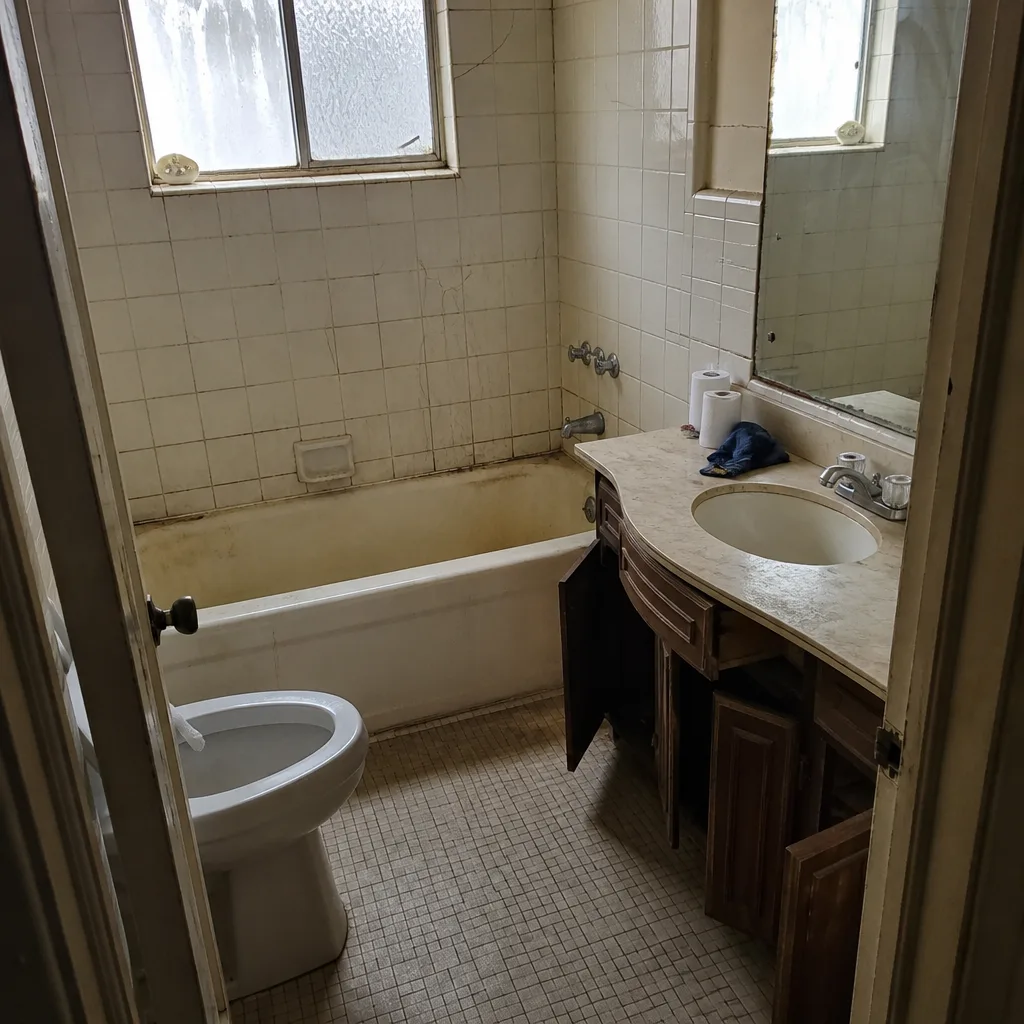
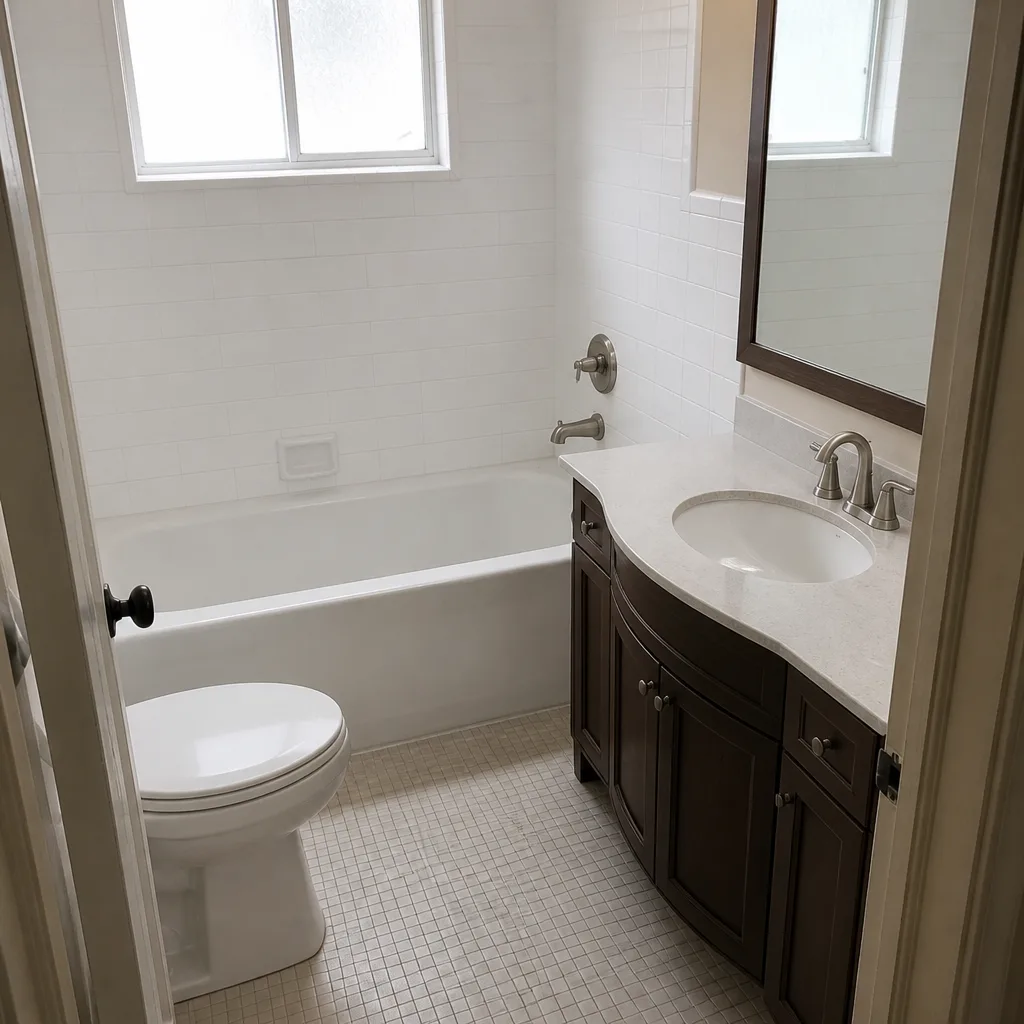
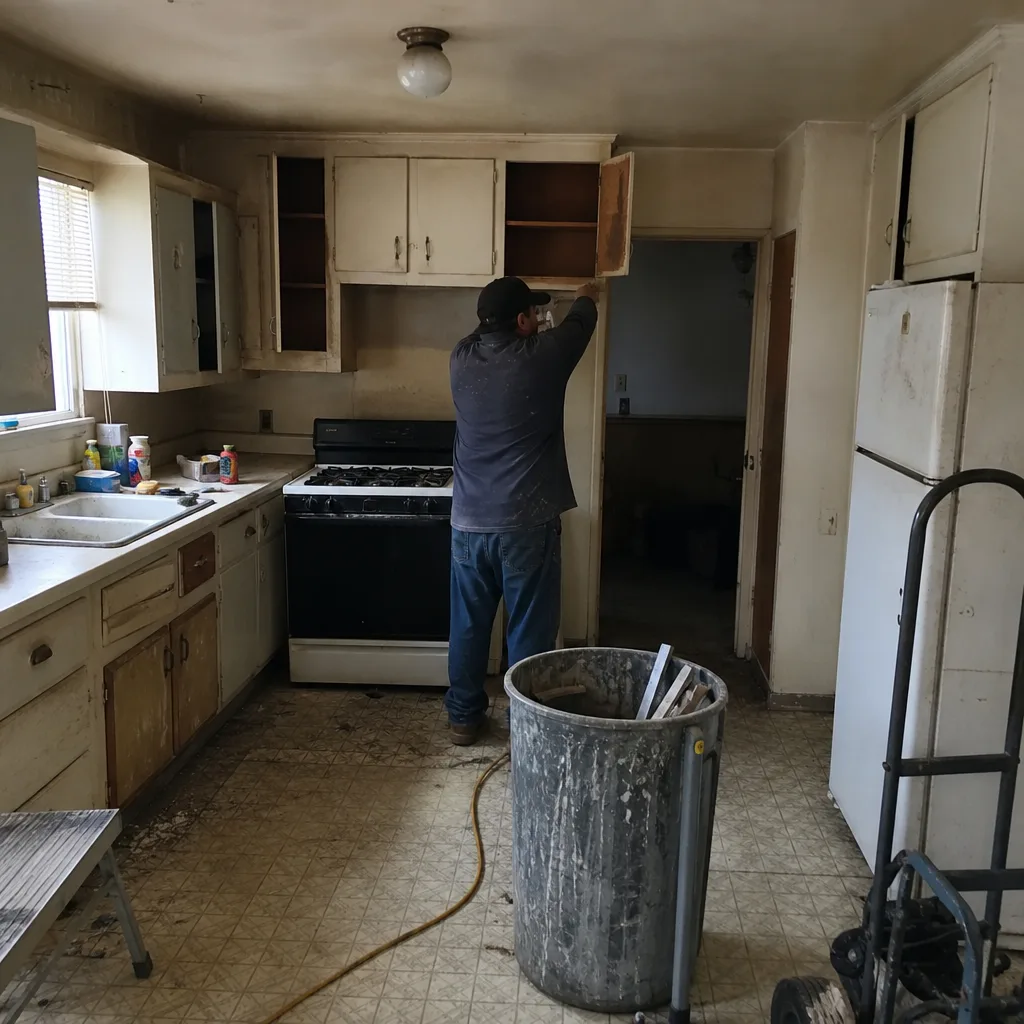
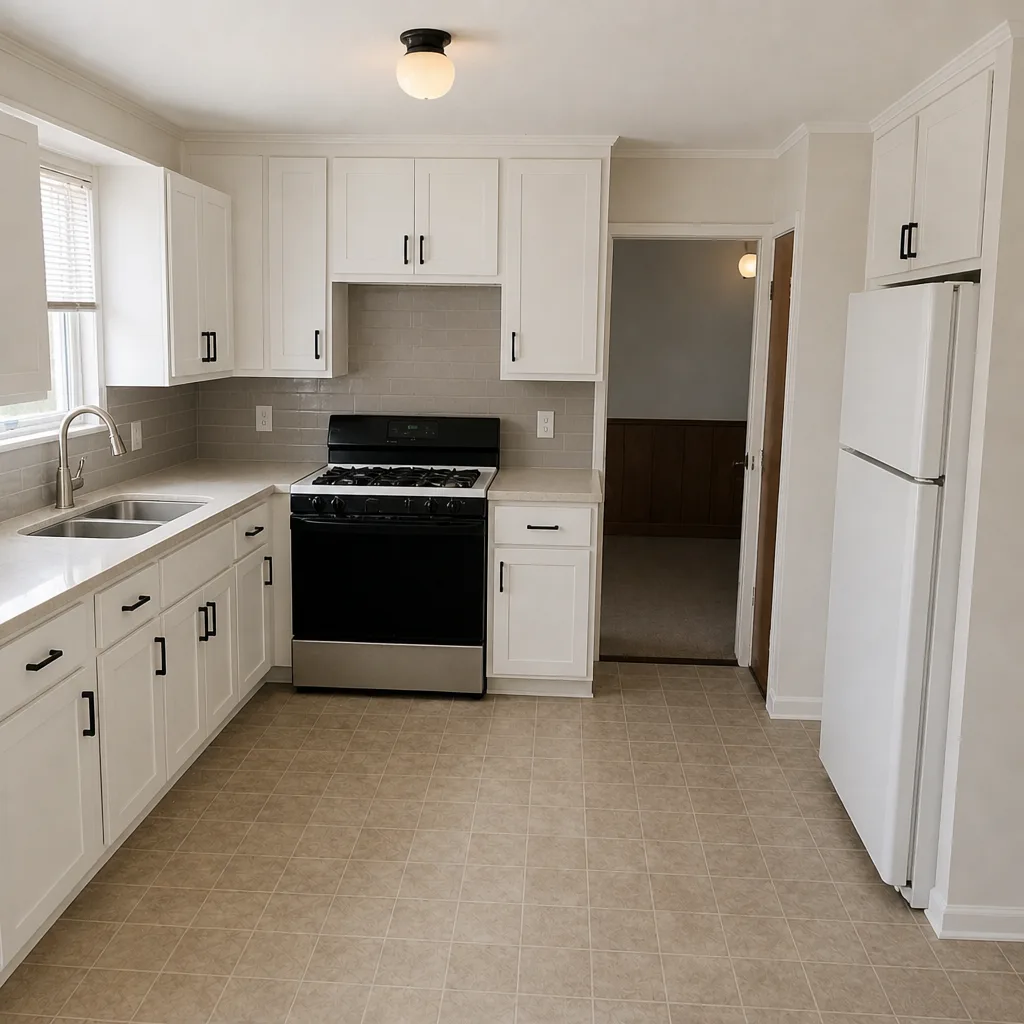
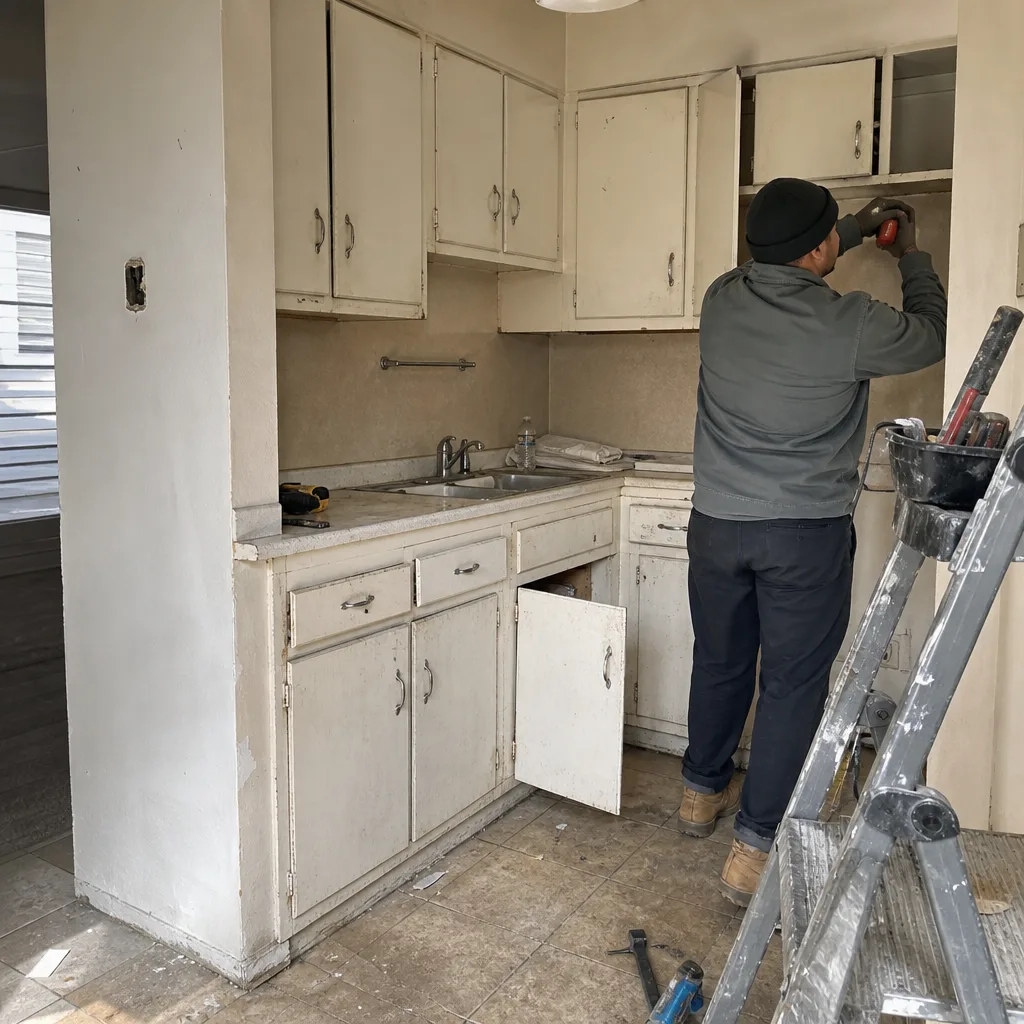
See the difference
 Before
 After
 Before
 After
 Before
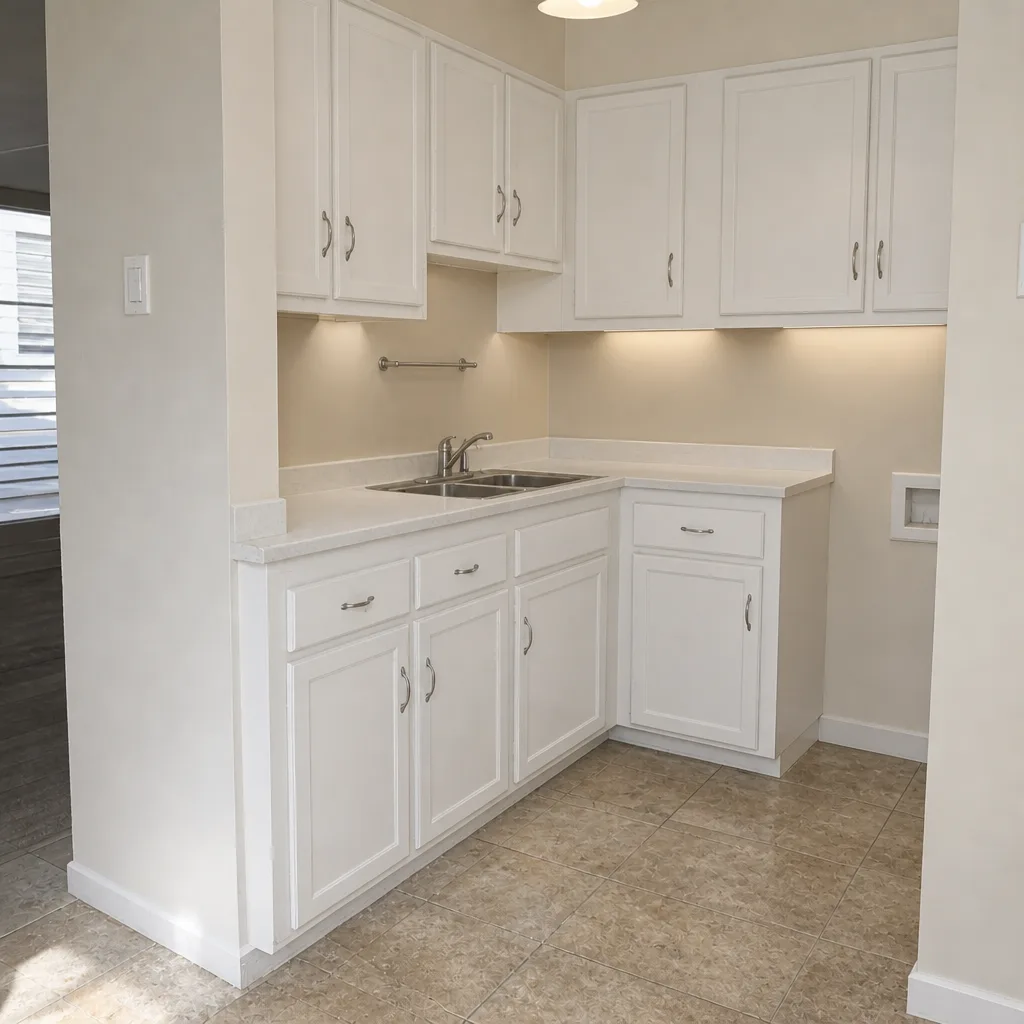 After
When to Call a Professional
Some warning signs are worth watching. Others are worth acting on. Call a professional when a draw request outpaces the work on the ground, when subcontractors appear who weren’t named in the contract, when a substitution happens without a change order, or when the same delay explanation repeats for more than two weeks. Those are the patterns that predict abandonment or a final-invoice fight, and the earlier you get a straight read on the job site, the more options you keep. Bradford Remodeling Co East Los Angeles offers free estimates in East Los Angeles and can walk a struggling job with you. Call (833) 520-6636. Every price is in writing before work starts, and every completed project is covered by the 365-Day Done Right Promise.
Frequently Asked Questions

The most reliable early warning sign is a draw request that arrives before the corresponding stage of work is complete. A draw should follow finished work, not lead it. If you’re asked to pay for cabinets that aren’t on site, that’s the moment to hold the check and ask for a written status update. Call (833) 520-6636 for a free estimate if you want a second read on a job site.
It varies widely, but homeowners in East Los Angeles often spend $8,000 to $30,000 to correct a seriously mismanaged kitchen or bathroom remodel, depending on how far the previous contractor got and what wasn’t inspected. The lesson is the same: correction costs more than prevention. Call (833) 520-6636 for a written, line-item price on the correction.
It shouldn’t. A written price before work begins should hold unless the scope changes and is documented in a signed change order. If a contractor’s price moves after the contract is signed without a written change order, treat it as a warning sign. Bradford Remodeling puts every price in writing before tools come out, and the number doesn’t move at the door.
Yes. Permitted work should always be pulled in the city’s jurisdiction and inspections should pass before final payment. A contractor who suggests skipping the permit is saving themselves a fee and putting your title at risk. Ask for the permit number in the contract and check that final inspection was signed off before you pay the last draw.
A lien filed by a subcontractor is a legal matter and should be handled quickly. Contact an attorney with construction lien experience, and also request a conditional lien waiver from the general contractor for the specific payment the sub says was unpaid. Lien timelines are short, so don’t wait. In East Los Angeles, this is the moment to call (833) 520-6636 and get a professional read on the site as well.
The CSLB accepts complaints on most issues within a specific window tied to the type of violation, generally a few years from the date of the act. The safest approach is to file as soon as you have documentation. If the dollar loss is large or the project is still active, speak with an attorney at the same time.
The Bottom Line
The warning signs that matter most aren’t the obvious ones. A license check and a cash-only warning catch the worst cases, but the mid-project behaviors that actually predict abandonment or a final-invoice fight are quieter: a draw that leads the work, a subcontractor who wasn’t named in the contract, a material substitution without a change order, a response time that keeps lengthening. When you see two or more of those, send a written notice, freeze the current draw, and get a professional read on the site. If you’re in East Los Angeles and you want a general contractor who puts the price, the guarantee, and the scope in writing before work starts, call Bradford Remodeling Co East Los Angeles at (833) 520-6636 for a free estimate. For kitchen and bath projects, our kitchen remodeling in East Los Angeles and bathroom remodeling in East Los Angeles teams work to the same standard, and you can read more about how we run a job on our general contractor in East Los Angeles page.
Written by the team at Bradford Remodeling Co East Los Angeles.