Free written scope consultation - allowances, timeline, and change-order rules on paper before a single trade is scheduled
KraftMaid Home Additions & ADU: The East Los Angeles Owner’s Guide
If you’re searching for KraftMaid additions and ADU work in East Los Angeles, here’s the honest answer up front: a KraftMaid-spec addition or ADU project in East Los Angeles runs $53,100 – $153,400 for a home addition, and $106,200 – $259,600 for a detached or attached ADU. These are planned construction projects, not same-day repairs – and anyone who tells you otherwise is selling something. The “failed part” story we hear most in East Los Angeles isn’t a cabinet hinge. It’s a homeowner who had a cheap addition slapped on and now lives with a sagging header, a roof that ponds water at the valley, and a KraftMaid cabinet run in the new space that was never shimmed level to begin with. The symptom shows up as sticking doors, cracked drywall seams, or drawers that slide open on their own.
Bradford Remodeling Co East Los Angeles is an independent contractor and is not affiliated with KraftMaid. We install to KraftMaid specifications and other documented brands, including Cambria, Silestone, and Kohler where surfaces and fixtures are part of the scope.
Key Takeaways
- Brand-new KraftMaid-spec home additions in East Los Angeles: $53,100 – $153,400
- ADU construction in East Los Angeles: $106,200 – $259,600; garage conversions: $35,400 – $94,400
- These are scheduled builds, not emergency calls – the first step is a free written estimate
- Every completed project here is covered by the 365-Day Done Right Promise
Which KraftMaid Models This Applies To
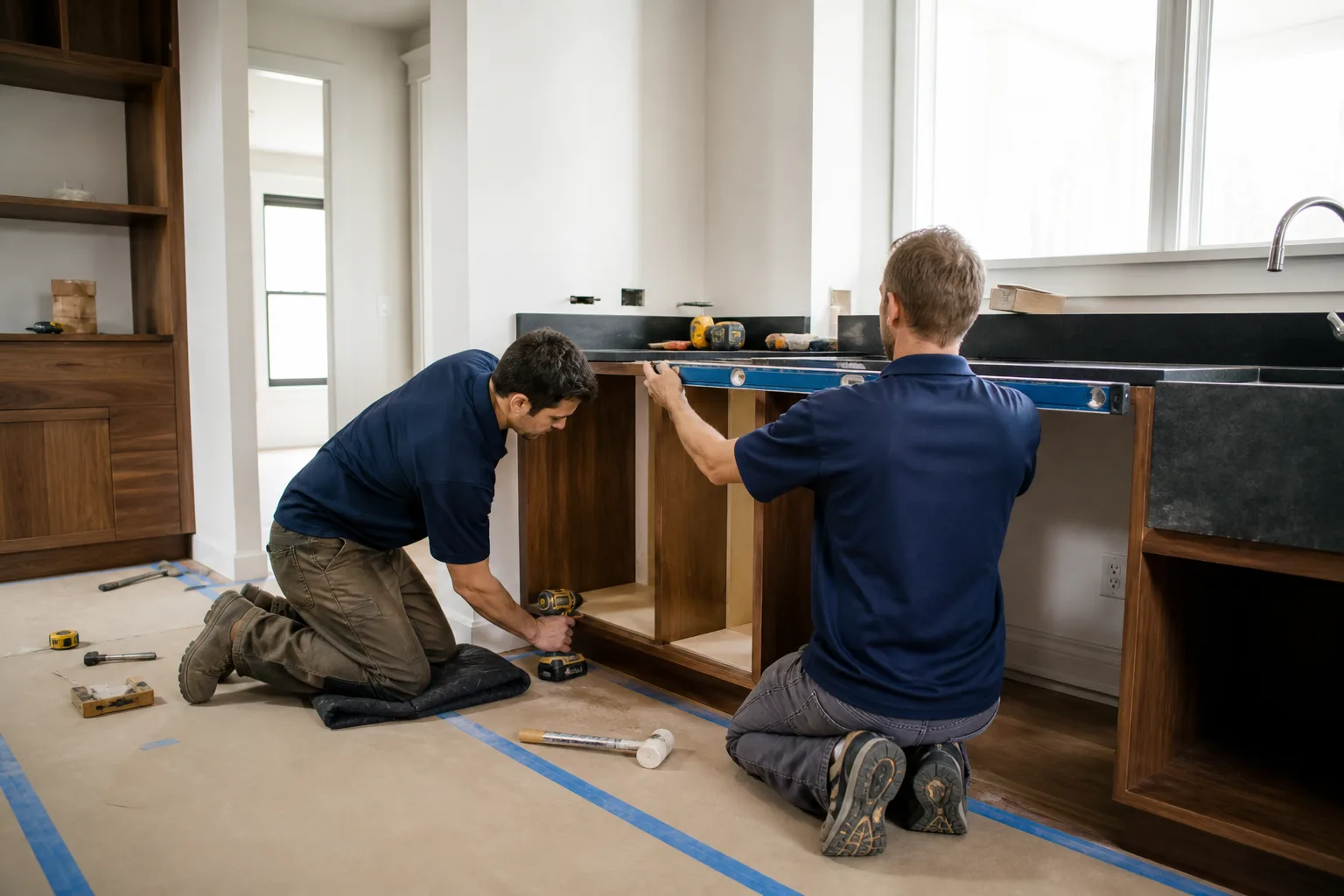
KraftMaid doesn’t make additions; it makes the cabinetry that goes inside them. So when we spec a KraftMaid run into a new addition or ADU, the compatibility question is really about cabinet line, door style, and finish lot – not a model plate bolted to a wall. KraftMaid’s full-access and framed lines use different box depths and reveal tolerances, and that matters when a new ADU wall isn’t plumb to within 1/8 inch. The cabinets don’t fail from a bad hinge. They fail because the wall behind them did.
If you’re matching new cabinetry to an existing KraftMaid kitchen, find the label inside the cabinet door – KraftMaid prints the door style and finish there. Photograph it before you lose it to paint. Finish lots vary year to year, so a 2011 maple glaze will not match a 2025 maple glaze off the shelf, and no cabinet brand guarantees a dye-lot match across a decade. That’s one of the real compatibility gotchas in this work.
On the OEM-versus-aftermarket call: for the addition’s structure and framing, there is no “aftermarket” – it’s lumber, sheathing, and fasteners meeting California code. For the cabinetry, KraftMaid replacement doors and boxes come through authorized dealer channels. We price both so you can see the difference in writing. Our technicians have up to 22 years of experience reading these specs and knowing where a line will and won’t work in a Southern California build.
Styles & brands we work with
- Kitchen remodeling
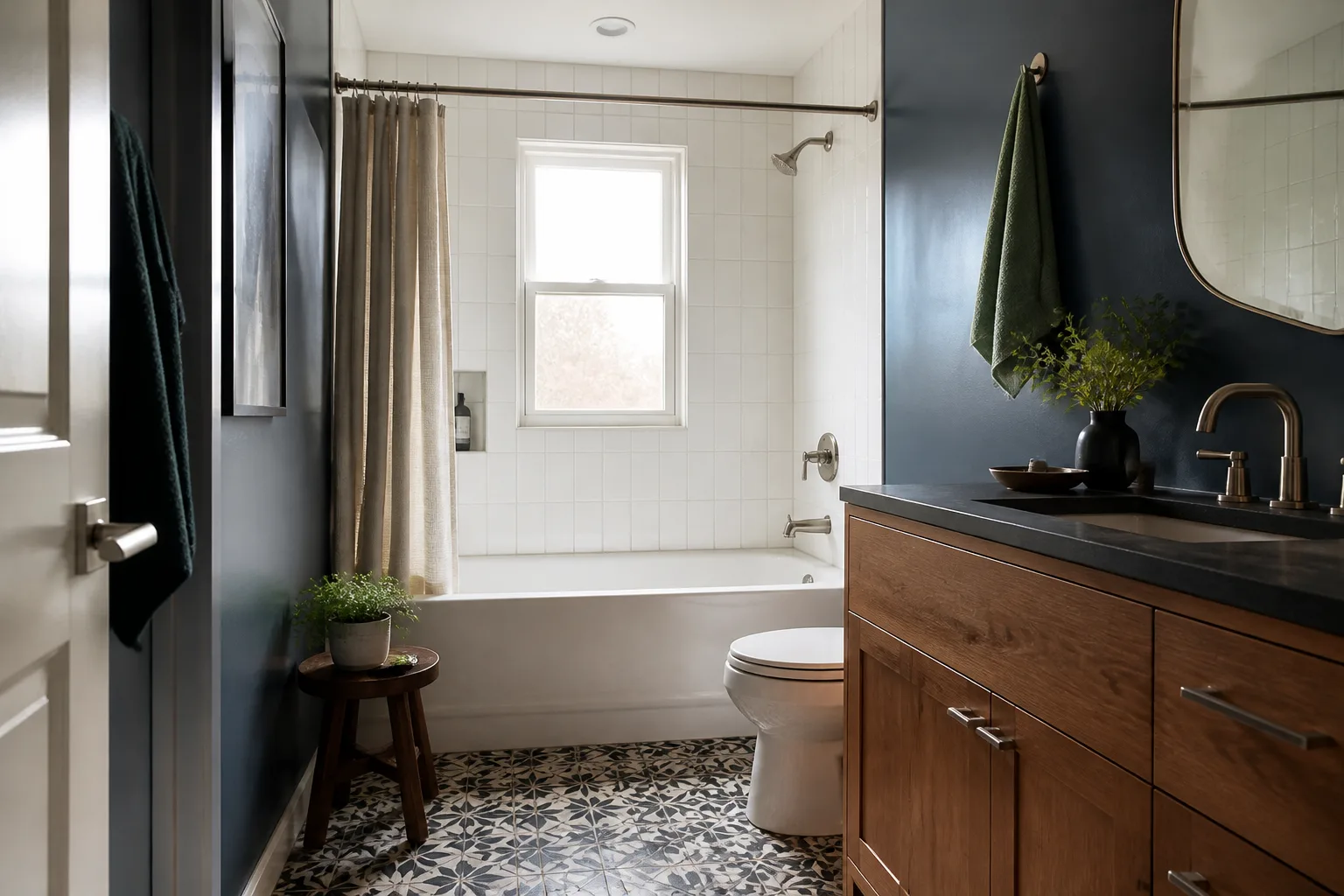
- Bathroom remodeling
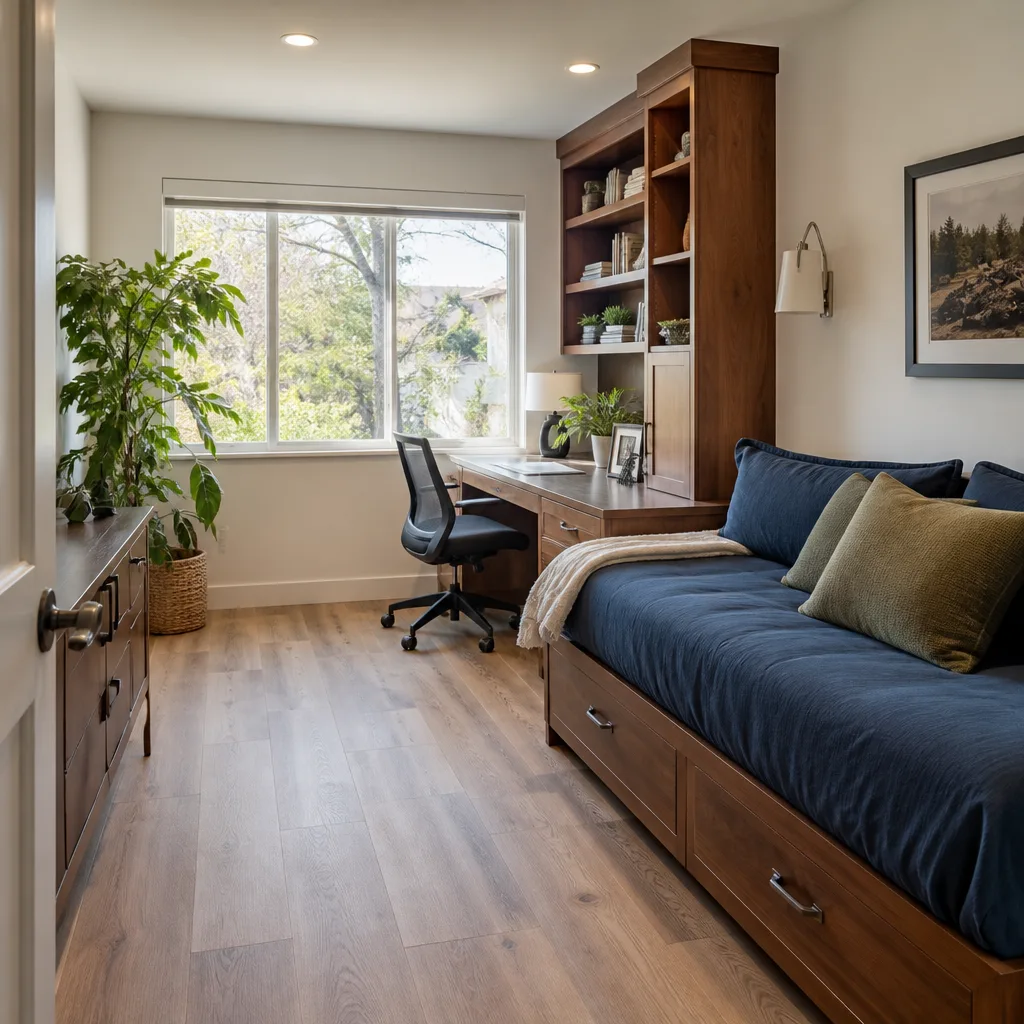
- Home additions & ADU
- Roofing
- Windows & doors
- Driveway & pavers
- Fence
Signs Your KraftMaid Home Additions & ADU Is Failing
Old additions around East Los Angeles – Boyle Heights, El Sereno, Lincoln Heights – were often built to standards that predate the current California Residential Code. Here’s how the failure usually announces itself:
- Doors that stick seasonally or won’t latch. A framed opening that racks as the ground moves under a slab-on-grade addition. East Los Angeles sits on expansive clay soils that swell and shrink with our wet-dry cycles, and a foundation poured without proper stem walls will telegraph that movement to the frame above it. That’s the cause, not the door.
- Cracked drywall at the wall-ceiling joint or over headers. Usually deflection – the header over a wide opening is undersized for the span, or the addition’s roof load is transferring where it shouldn’t. Small cracks can be cosmetic; a crack that reopens after patching is telling you something is moving.
- Water ponding at the roof valley where the addition ties to the house. The most common leak in an East Los Angeles addition is at that transition. Our late-winter rain dumps fast, and if the flashing was lapped the wrong direction or the valley pitch is too shallow, water backs up under the shingles.
- KraftMaid cabinets pulling away from the wall or sitting out of level. A cabinet run installed against a wall that wasn’t shimmed and checked with a laser will show gaps at the crown, doors that self-open, and drawers that creep out. The box isn’t defective. The wall behind it is out of plane.
- A cold or hot ADU that won’t hold temperature. Insulation that was installed without a proper vapor strategy or a mini-split sized wrong for the square footage. In East Los Angeles’s climate, an undersized unit runs constantly in August and still loses ground, and a unit that’s too big short-cycles and never dehumidifies.
See the difference
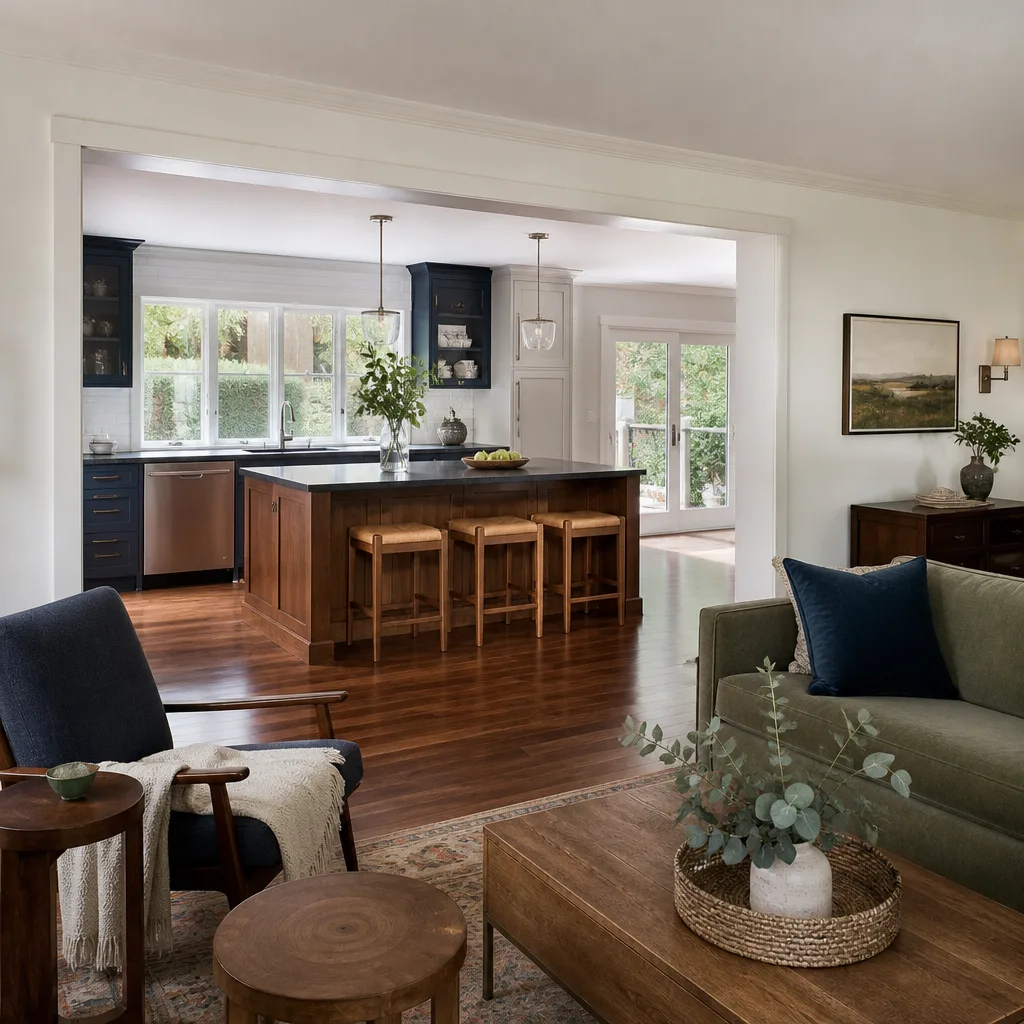
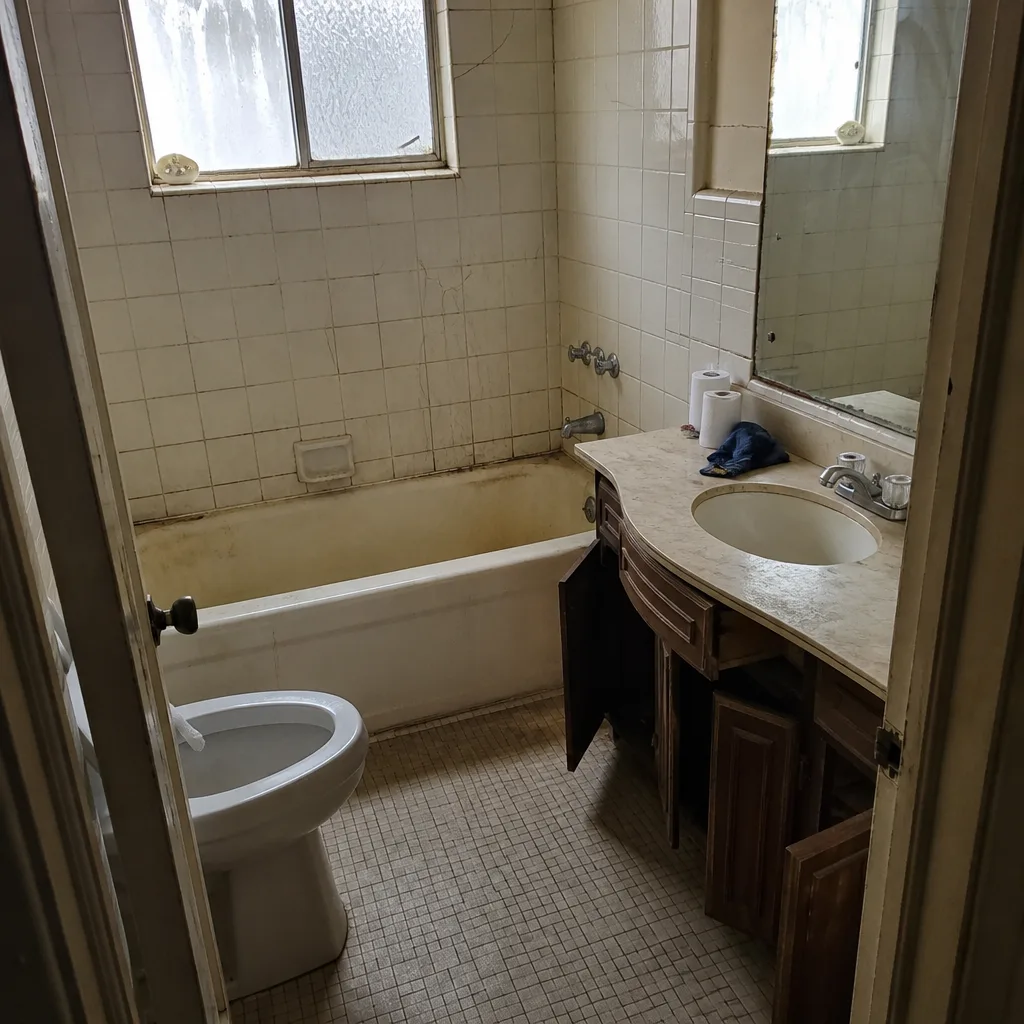 Before
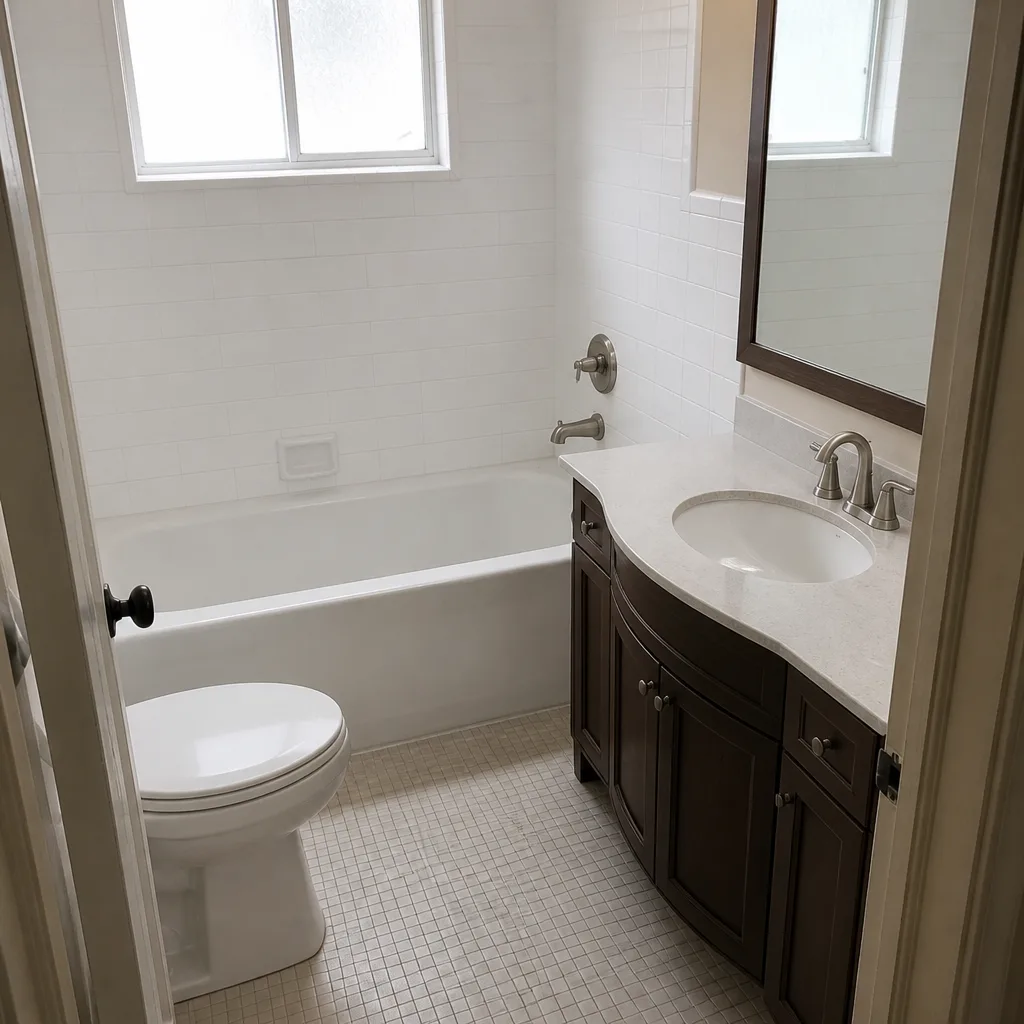 After
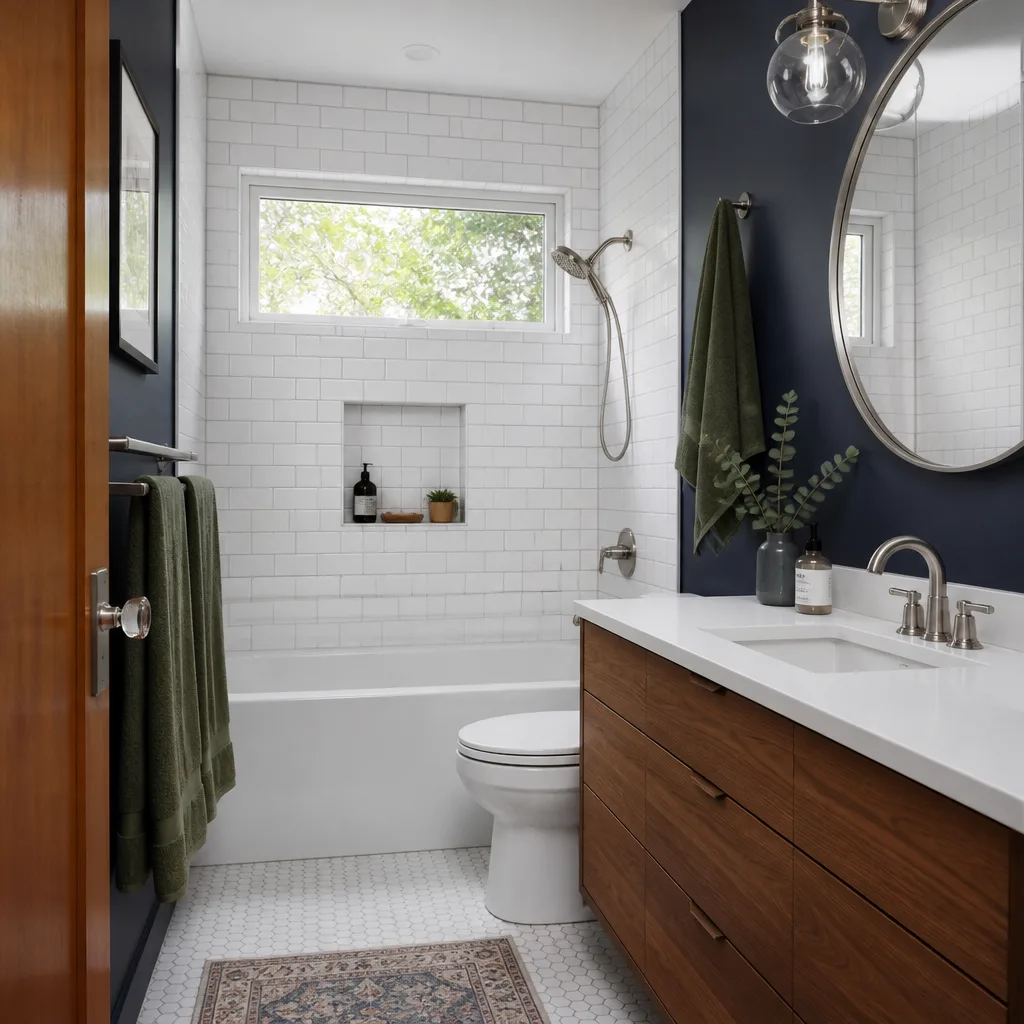
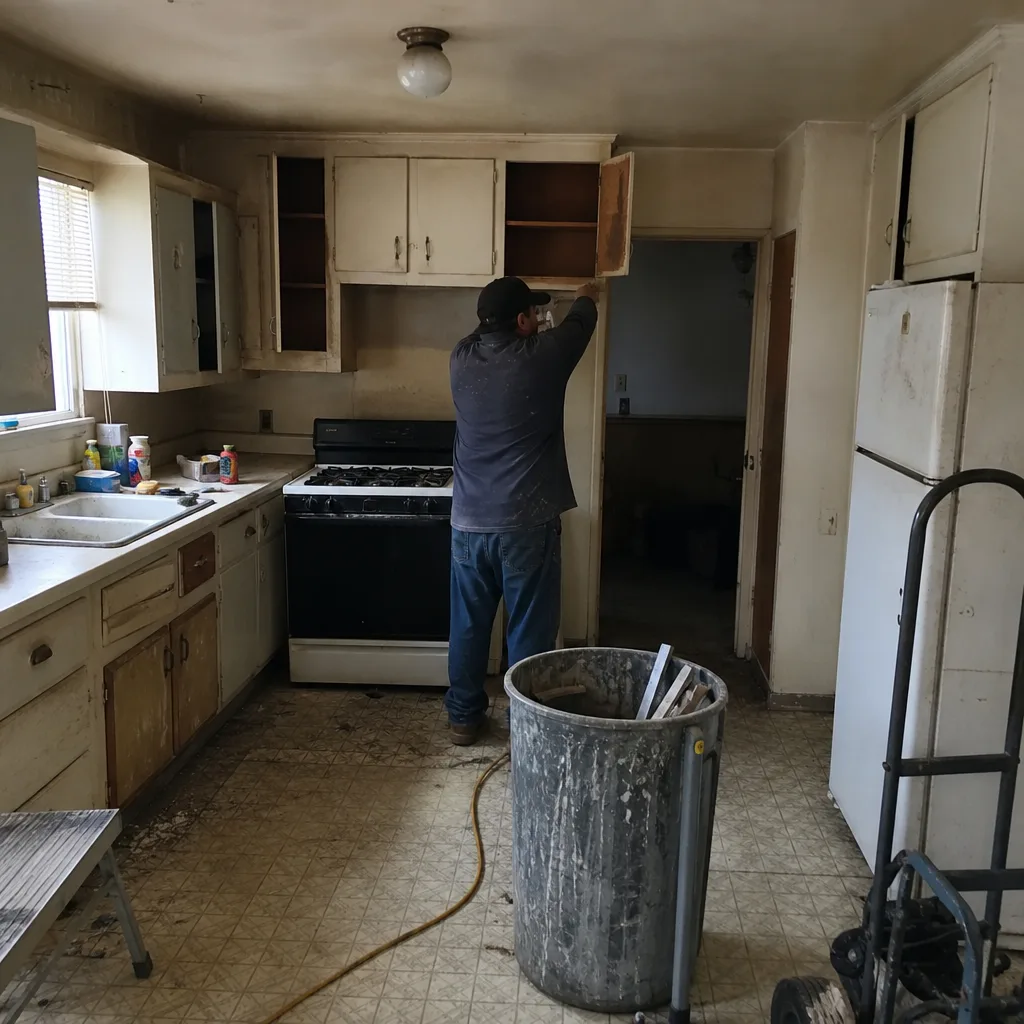 Before
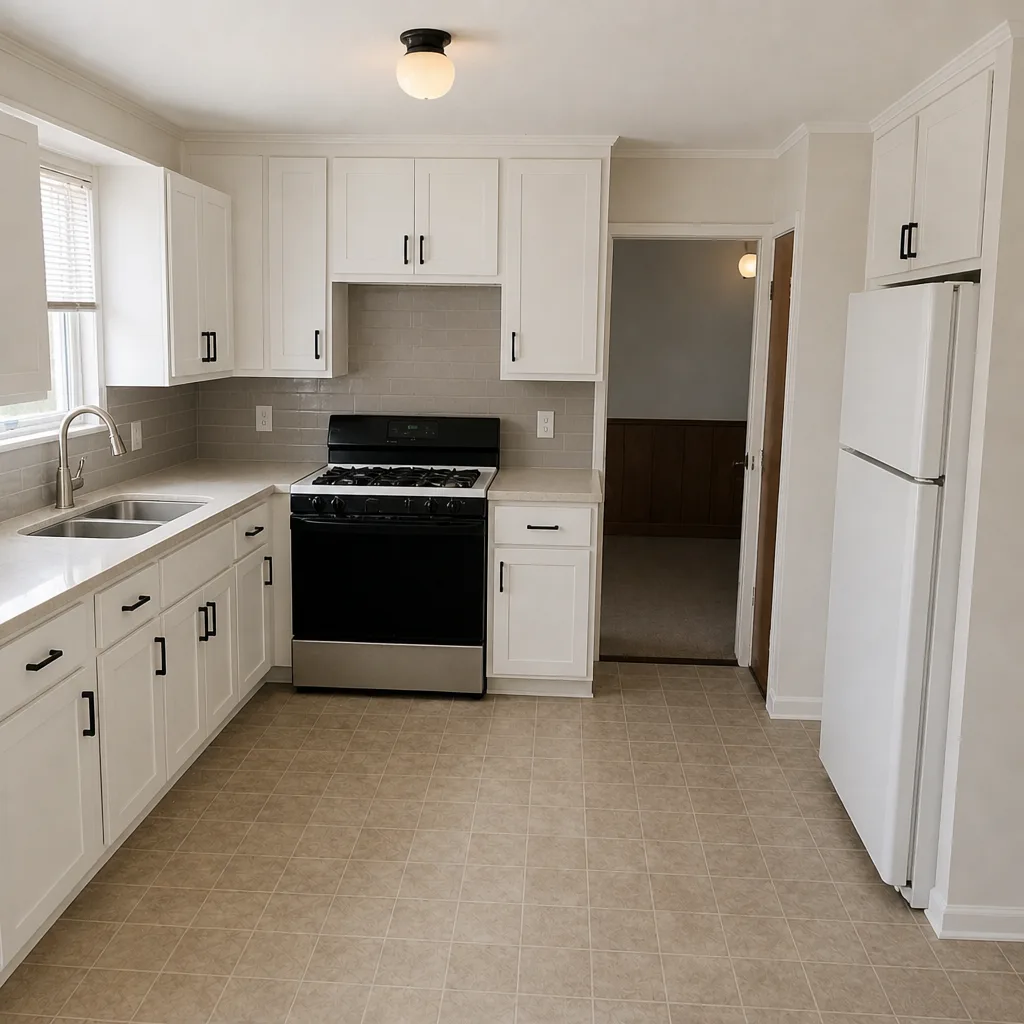 After
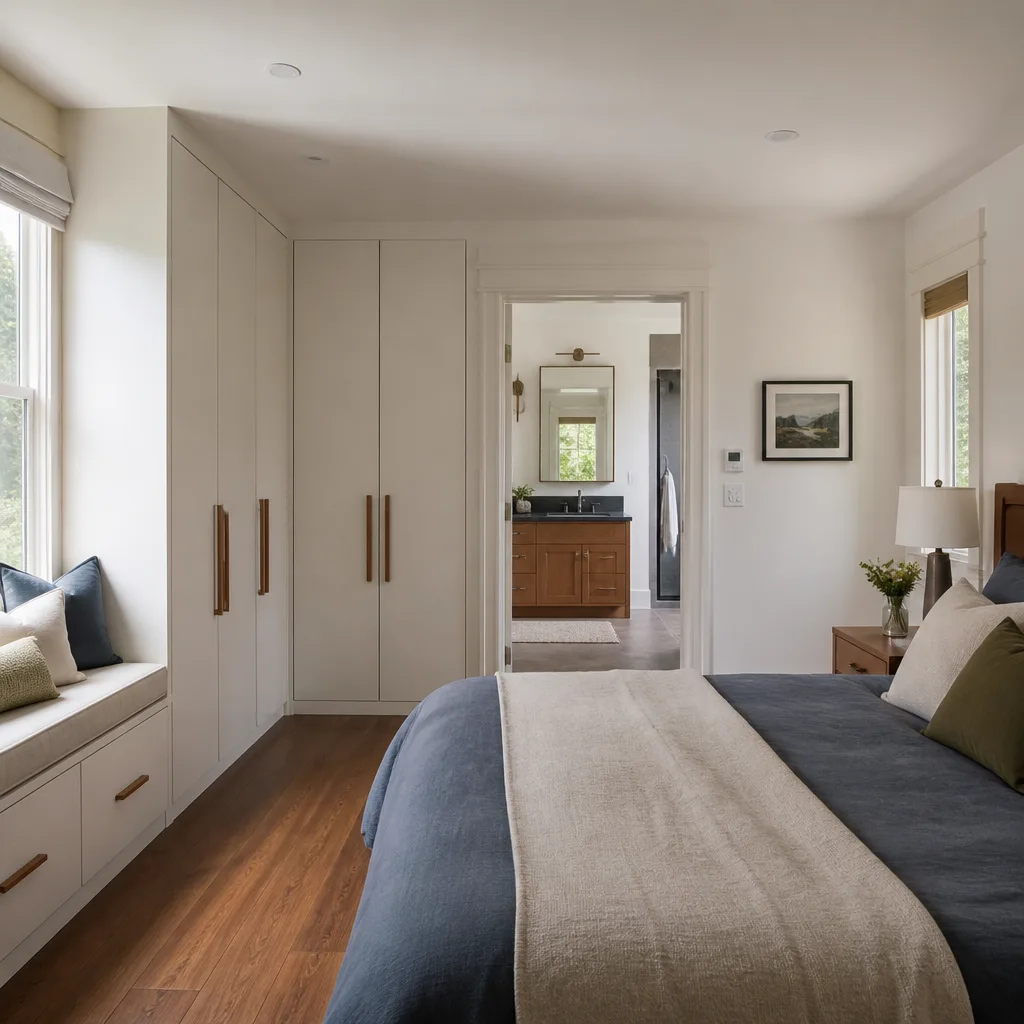
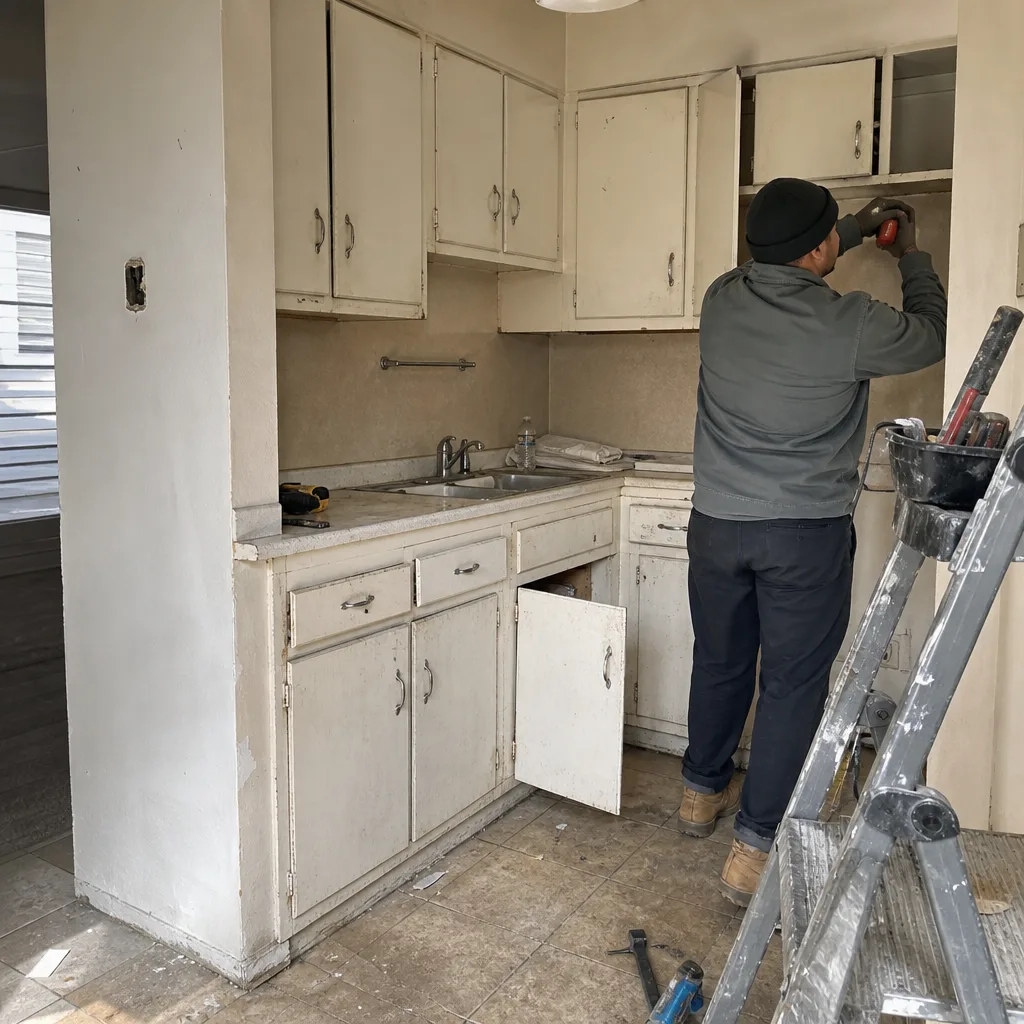 Before
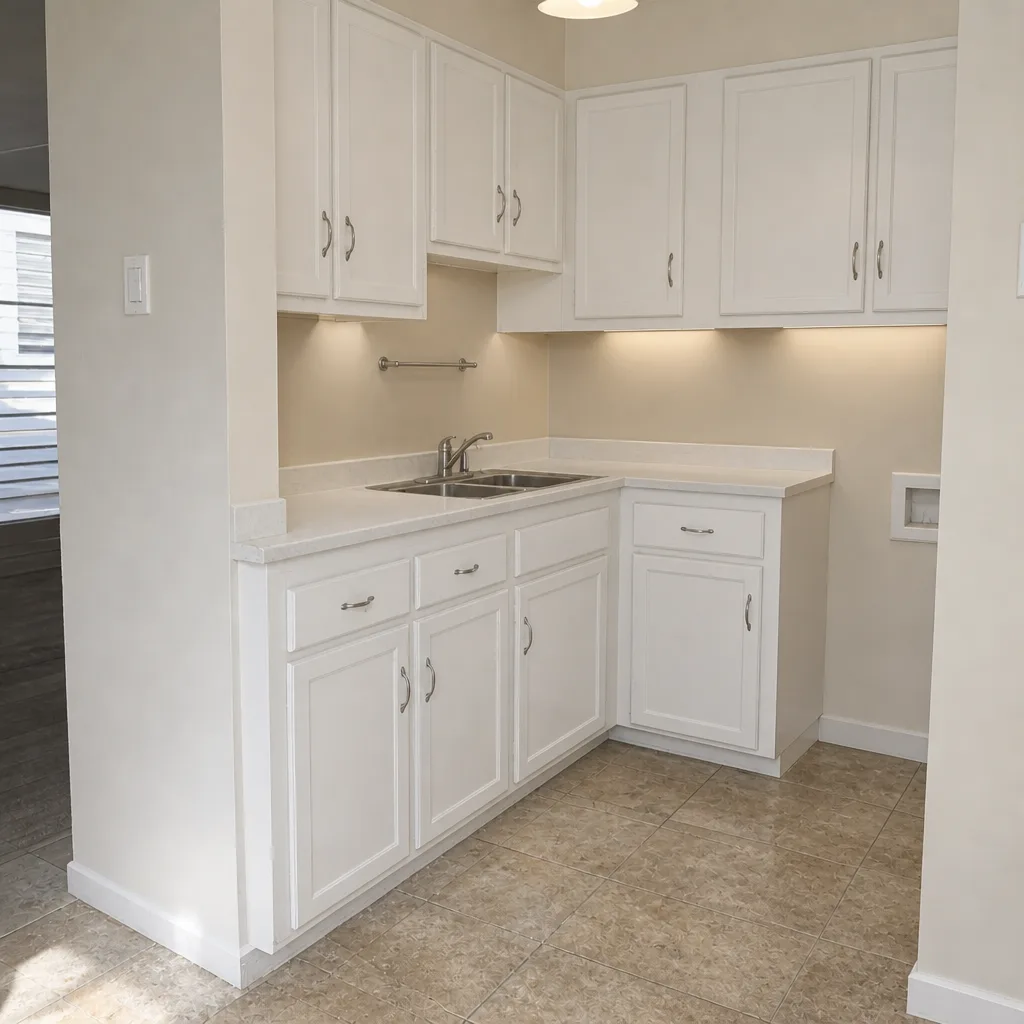 After
Replacement Cost & What’s Included
Here’s what these builds run in East Los Angeles, installed, with the materials and labor itemized in a written quote before any work starts:
| Project | Installed Range (East Los Angeles) |
|---|---|
| Home Addition | $53,100 – $153,400 |
| ADU Construction | $106,200 – $259,600 |
| Garage Conversion | $35,400 – $94,400 |
| Cabinet Installation (KraftMaid or Wellborn) | $4,720 – $15,340 |
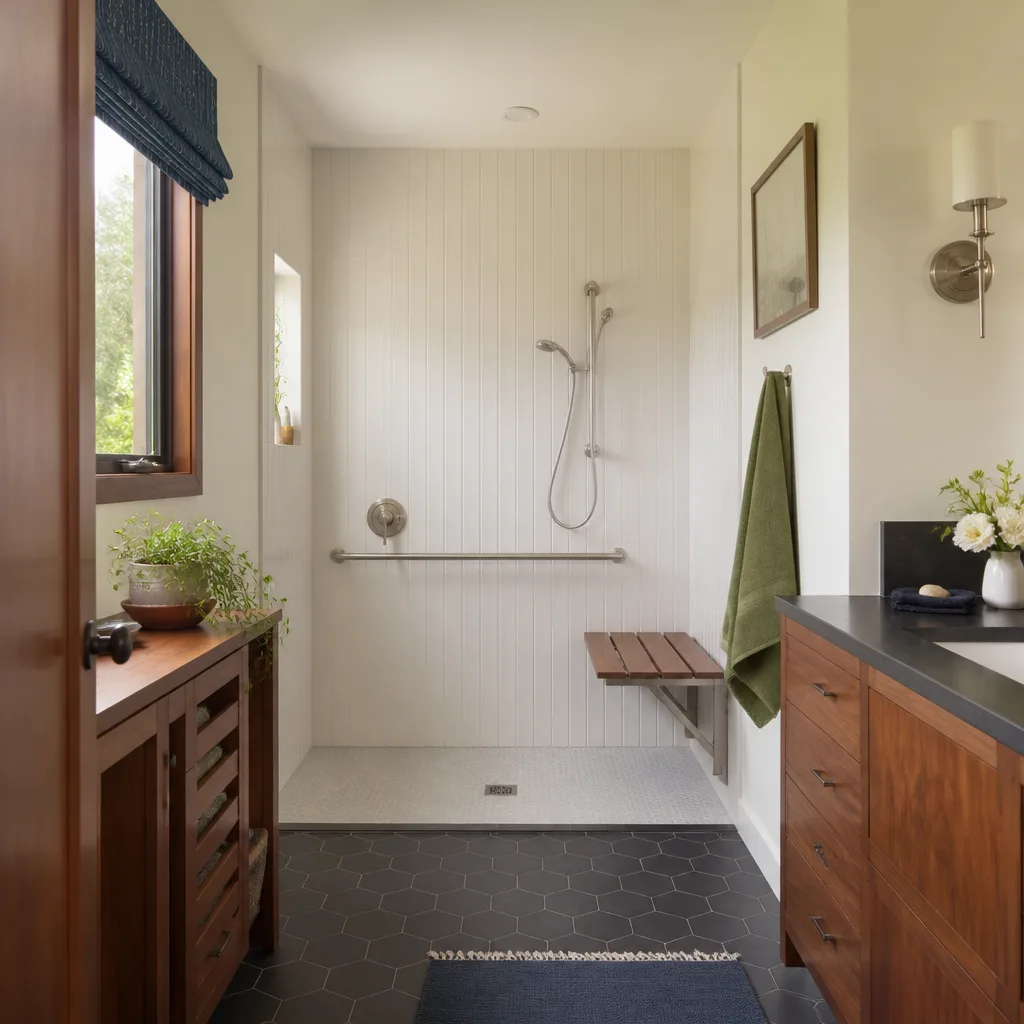
What drives the range: foundation type (a stem-wall or pier-and-grade beam system costs more than a slab and is often required on East Los Angeles clay), roof tie-in complexity, whether you need a full kitchen or bath rough-in, and permit and inspection costs. An ADU’s high end is reachable when you’re adding a full kitchen, a bath with a walk-in shower (we install a lot of tub-to-shower conversions in these units at $4,130 – $11,800), and a dedicated electrical service.
Our pricing is written before any tool comes out. It doesn’t move at the door. Every completed project here carries the 365-Day Done Right Promise – a full written year; if the work fails inside that window, we return and correct it at no charge. Permits are pulled and inspections are passed before we close out a job, and the signed guarantee is in your hand at close with a clean site.
DIY or Call Us?
Be honest with yourself about scope. What you can safely check: whether a crack is cosmetic or structural (tap around it, watch for movement over a season, note whether it reopens), whether a cabinet door is sagging because of a loose hinge screw or because the carcass isn’t fastened to the wall, and whether water is actually getting in at the roof valley. That’s diagnosis, not repair.
Where DIY goes wrong on an addition or ADU: framing, headers, foundation, roof tie-in, and electrical. These are the parts that fail inspection or, worse, fail years later. Framing a header undersized for a span, or flashing a valley lapped the wrong way, is not a fixable mistake you can walk back. California code governs every one of these, and the inspector will catch what you missed. We’re not going to hand you a step-by-step for a load-bearing wall, because doing it wrong can put the people under it at risk. Call us instead.
That said, if you’re standing in a half-finished addition and trying to figure out how bad it is, call (833) 520-6636. A live person answers 24/7, and the estimate is free.
FAQs
A properly built addition should hold for the life of the house – 50-plus years – if the foundation is sized for East Los Angeles’s expansive clay and the roof tie-in is flashed correctly. The failure points aren’t the cabinets or the framing; they’re the foundation movement and the transition flashing. Both are preventable at build time and expensive to fix later.
Sometimes, yes. Cosmetic drywall cracks, a single rotted flashing, or a cabinet run that just needs re-shimming are all repair jobs. A foundation that’s sinking, an undersized header, or an ADU built without permits usually means a rebuild or a serious structural retrofit. The only honest answer comes from looking at the actual job, which is why the estimate is free. Call (833) 520-6636.
A garage conversion runs about 8 to 12 weeks; an attached addition typically 12 to 20 weeks; a full detached ADU 16 weeks and up, depending on foundation type and whether the electrical service is being upgraded. Those timelines are in the written scope before work starts – no one should hand you a finish date they can’t back up.
Through authorized KraftMaid dealer channels, so the door styles, finishes, and box specs are traceable to manufacturer documentation – which matters because KraftMaid’s own warranty backs the cabinets and our 365-Day Done Right Promise backs the installation. We price the cabinetry, the labor, and the rough-in as separate line items so you can see exactly where the money goes. That source documentation is what lets a problem get corrected without a fight. Call (833) 520-6636 to schedule your free estimate.
Written by the team at Bradford Remodeling Co East Los Angeles, serving East Los Angeles and nearby areas.