
Free written scope consultation - allowances, timeline, and change-order rules on paper before a single trade is scheduled
Silestone Kitchen Remodeling: The East Los Angeles Owner’s Guide
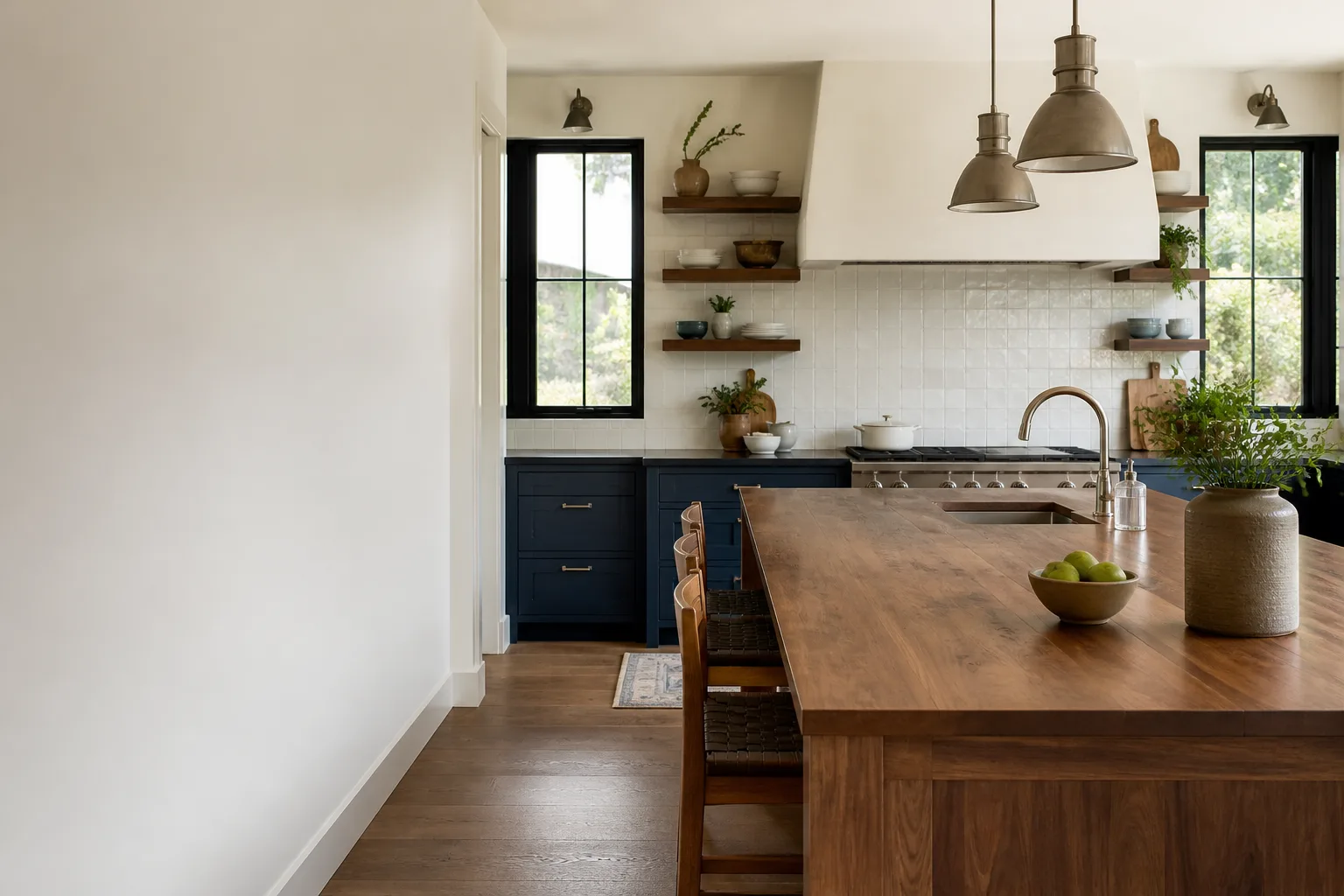
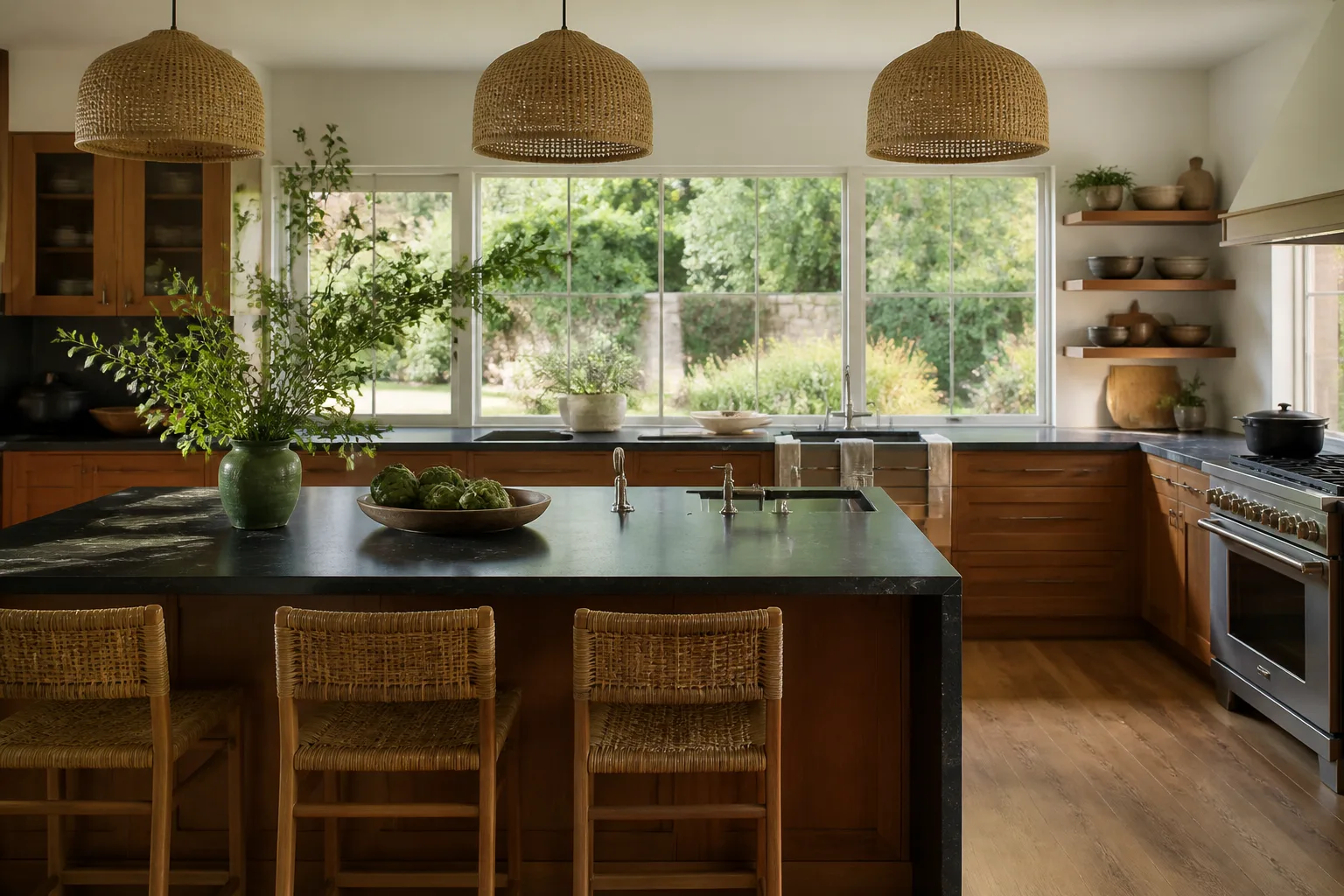
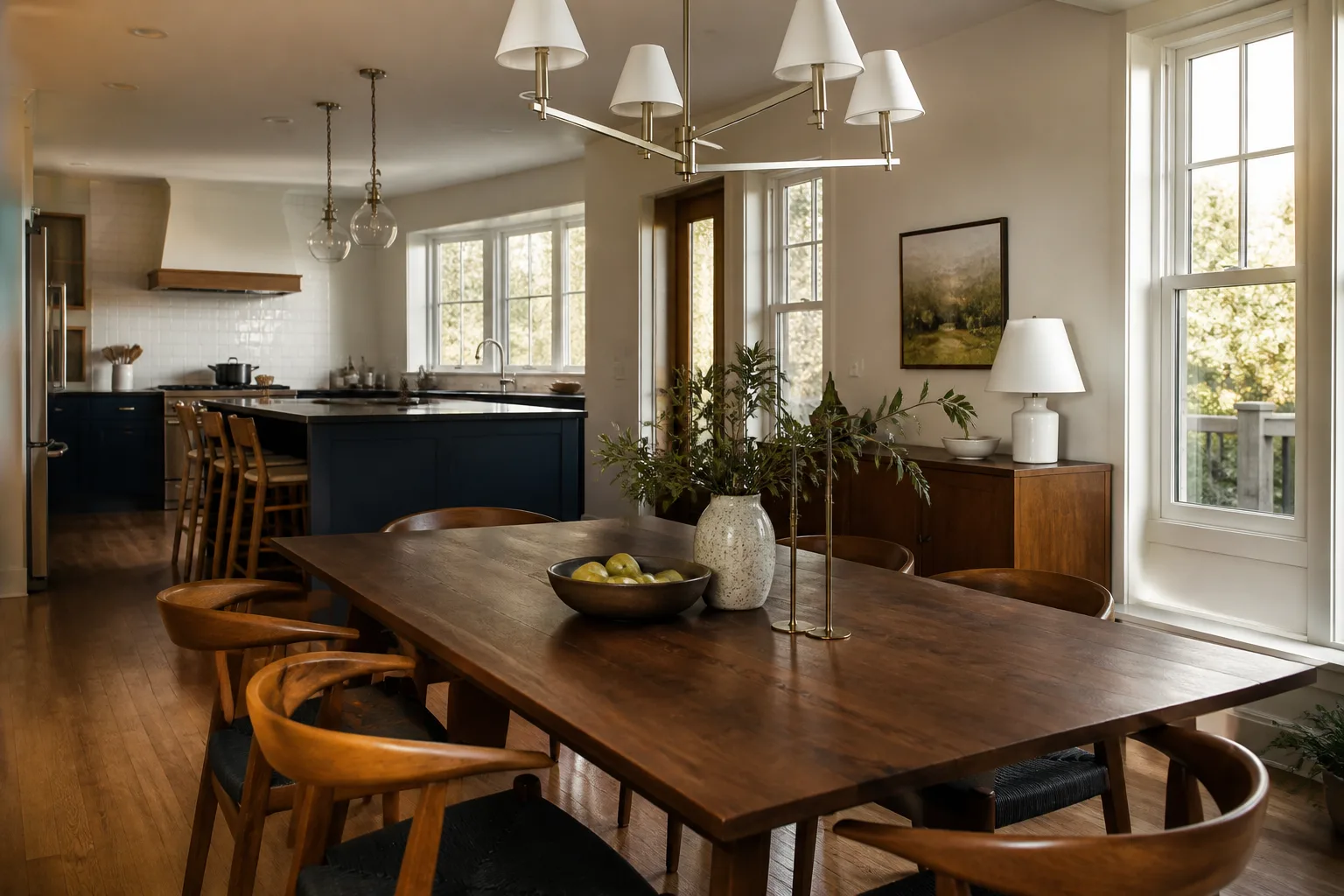
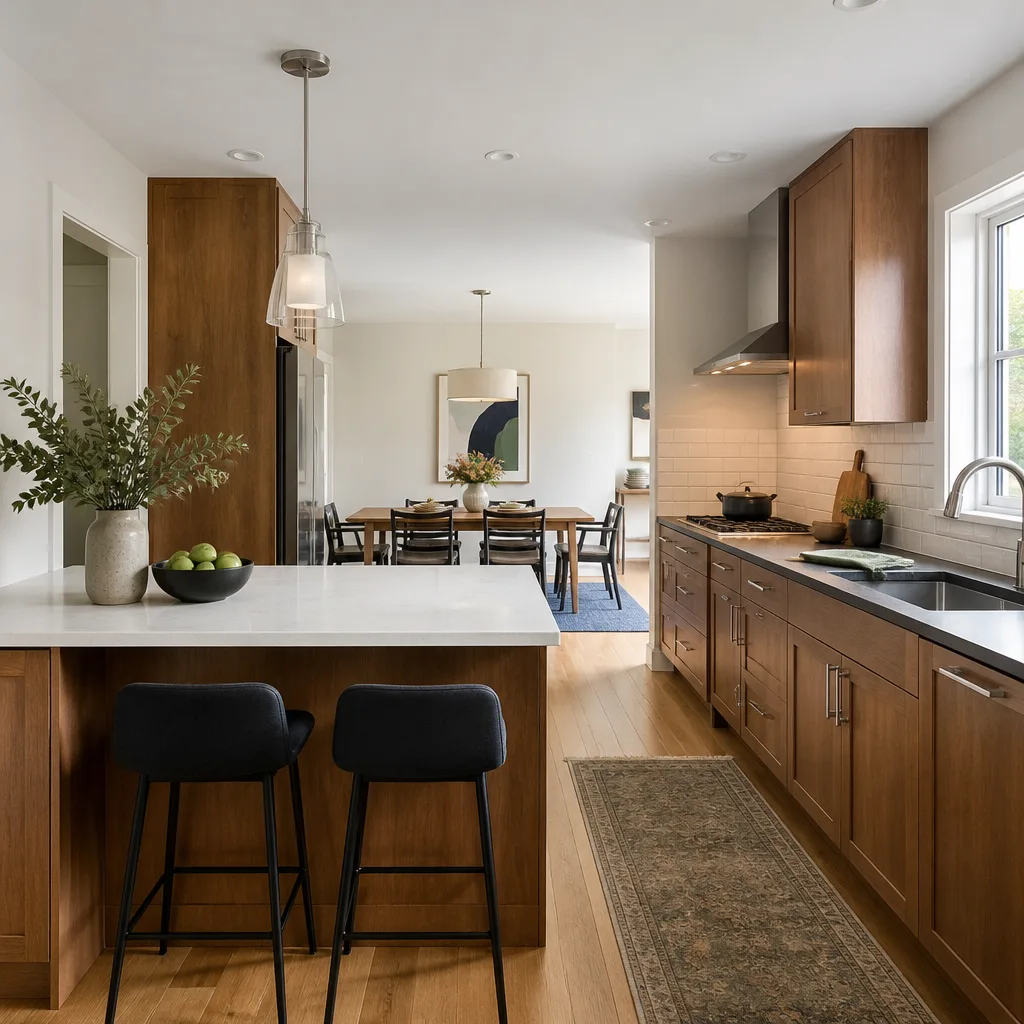
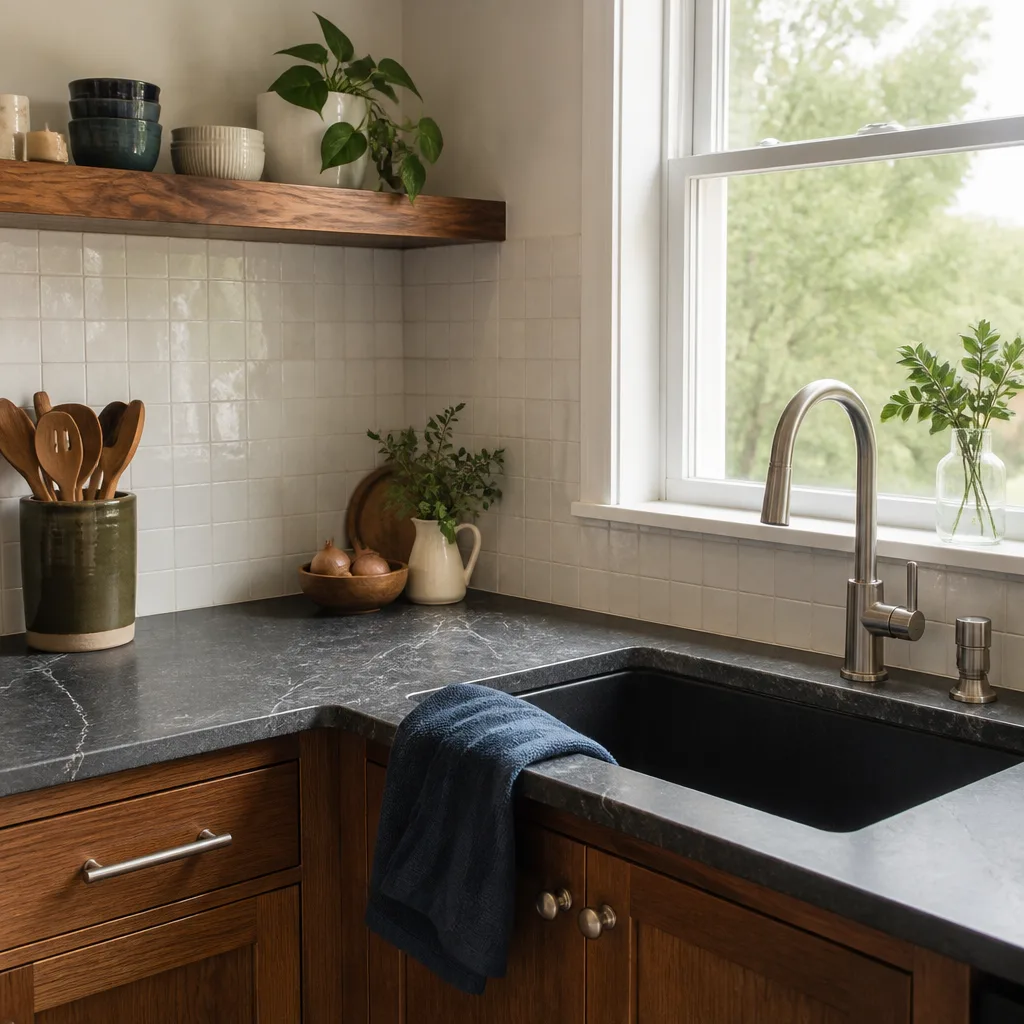
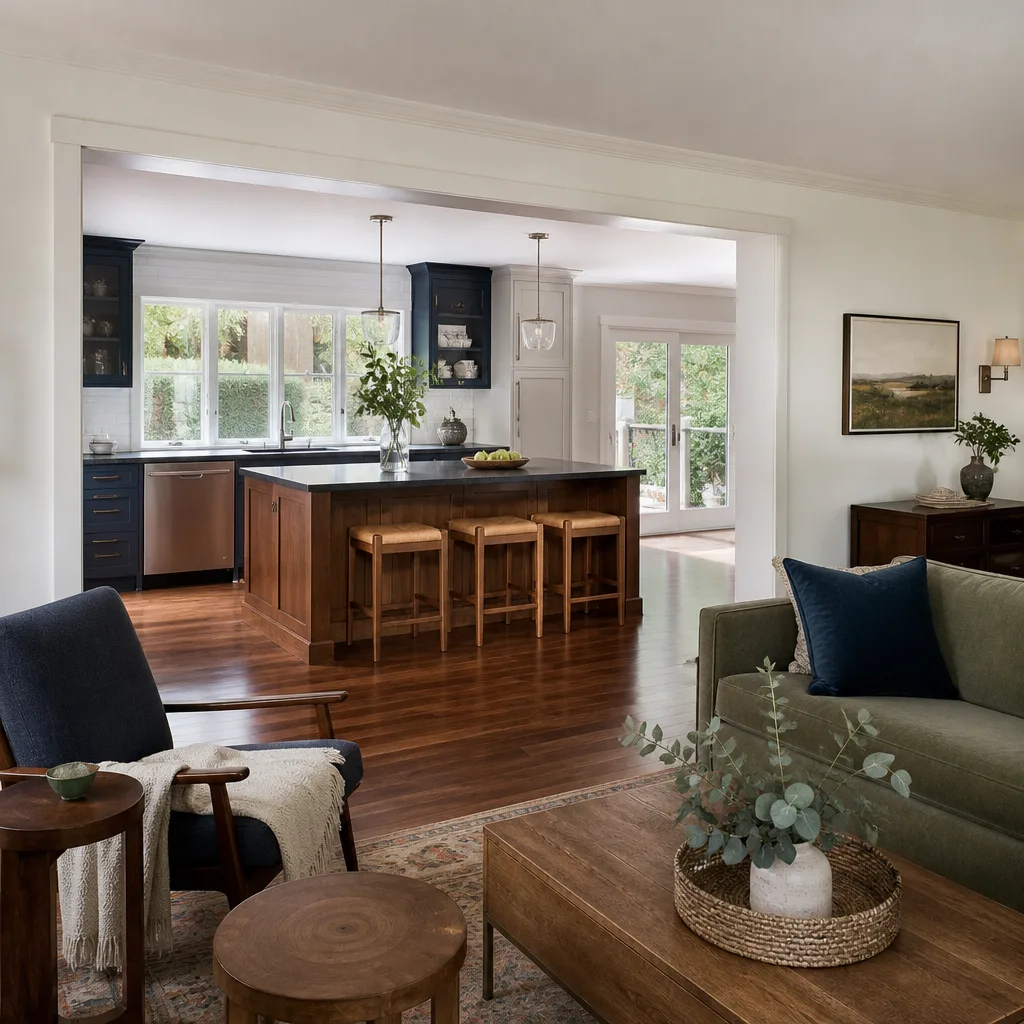
Silestone kitchen remodeling in East Los Angeles typically runs $16,520 – $53,100 installed, depending on layout, square footage, and whether we’re changing the cabinet footprint or working inside it. When you call, we give you a written price before any work starts, and every project carries the 365-Day Done Right Promise. Most homeowners here land in the middle of that range: a 120- to 180-square-foot kitchen in Boyle Heights or City Terrace with new quartz counters, a rebuilt backsplash, and cabinets that stay where they are.
You usually find out something’s wrong long before you’re ready to remodel. A Silestone counter chips at the sink cutout after a hot pot lands wrong. A seam in the peninsula opens a hairline gap. The laminate underneath a 1990s kitchen feels soft when you lean on it. Silestone is engineered quartz, and in an East Los Angeles kitchen it fails in ways that have almost nothing to do with the slab itself and everything to do with what’s holding it up.
Which Silestone Models This Applies To
Silestone slabs aren’t sold as “models” the way a faucet or cabinet line is. They’re sold by collection and colorway, and the slab is cut on site, so compatibility is about thickness, edge profile, and substrate, not a serial number. The standard slab is 56.5 square feet at 2 cm (about 3/4 inch) or 3 cm (about 1-1/4 inch) thick. Most East Los Angeles kitchens we work in use 3 cm, because it spans cabinet runs without a plywood build-up and takes a standard eased or bullnose edge without the laminated look.
Where it gets tricky is the collection cut. Silestone’s jumbo formats and its veined collections (Calacatta Gold, Eternal, and similar) need a fabricator who can book-match a seam across an island. A small shop that cuts on a fixed jig will often talk you into a seam you can see from the front door. If your counter is older and you’re matching a remnant for a repair, bring the collection name off the original invoice, plus a measurement of the existing slab thickness with a caliper. Color alone won’t tell us whether your slab is 2 cm or 3 cm, and that difference decides whether new cabinets can reuse the old top.
OEM versus aftermarket matters less for the quartz than for what goes under and around it. Silestone doesn’t make sinks, adhesives, or edge trims; those come from other suppliers. Bradford Remodeling installs Silestone alongside Cambria, KraftMaid cabinetry, and Kohler fixtures, so specs stay traceable to the manufacturer and the warranty chain holds. We’re an independent remodeling contractor, not affiliated with Silestone or its fabricator network.
Styles & brands we work with
- Kitchen remodeling
- Bathroom remodeling
- Home additions & ADU
- Roofing
- Windows & doors
- Driveway & pavers
- Fence
Signs Your Silestone Kitchen Remodeling Is Failing
Quartz doesn’t rot or warp, so the failures show up at the joints and the edges. Here’s what we actually see on East Los Angeles callouts, and what each symptom means:
- A hairline gap opening at a countertop seam. The seam adhesive failed, usually because the two slabs were set on uneven substrate and the joint has been flexing. Left alone, water gets into the seam and the gap widens.
- A chip or nick at the sink or cooktop cutout. Quartz is hard, not tough. A heavy pot dropped on an unsupported overhang at the sink will chip the edge, and a chip at a cutout can’t be sanded out the way a solid-surface top can.
- A soft or spongy spot when you lean on the counter. The cabinet boxes underneath have swelled or the plywood substrate has taken water. This is the failure that most often forces a full kitchen remodel rather than a counter swap, and it’s common in older homes near the L.A. River where slab-on-grade floors wick moisture.
- Discoloration or a dull ring that won’t wipe off. Household acids and some cleaners etch the resin in engineered quartz. Silestone is more stain-resistant than natural stone, but it isn’t acid-proof, and a ring that survives a warm soapy cloth is usually in the surface, not on it.
- A backsplash that has pulled away from the wall or the counter. Failed caulk at the counter-to-wall joint, often from cabinet movement or a wall that was never flat. Water tracks behind the tile and the drywall behind it gets soft before you see anything inside the cabinet.
Two specifics worth knowing in this climate. First, East Los Angeles heat matters: a quartz top in direct afternoon sun through a west-facing window can hit well over 120°F at the surface, and repeated thermal cycling is rough on seam adhesive. Second, the region’s older housing stock means counters installed in the 1980s and 1990s often sit on cabinet boxes that were never built for a 3 cm slab’s weight. A Silestone top can last decades; the substrate under it usually gives out first.
See the difference
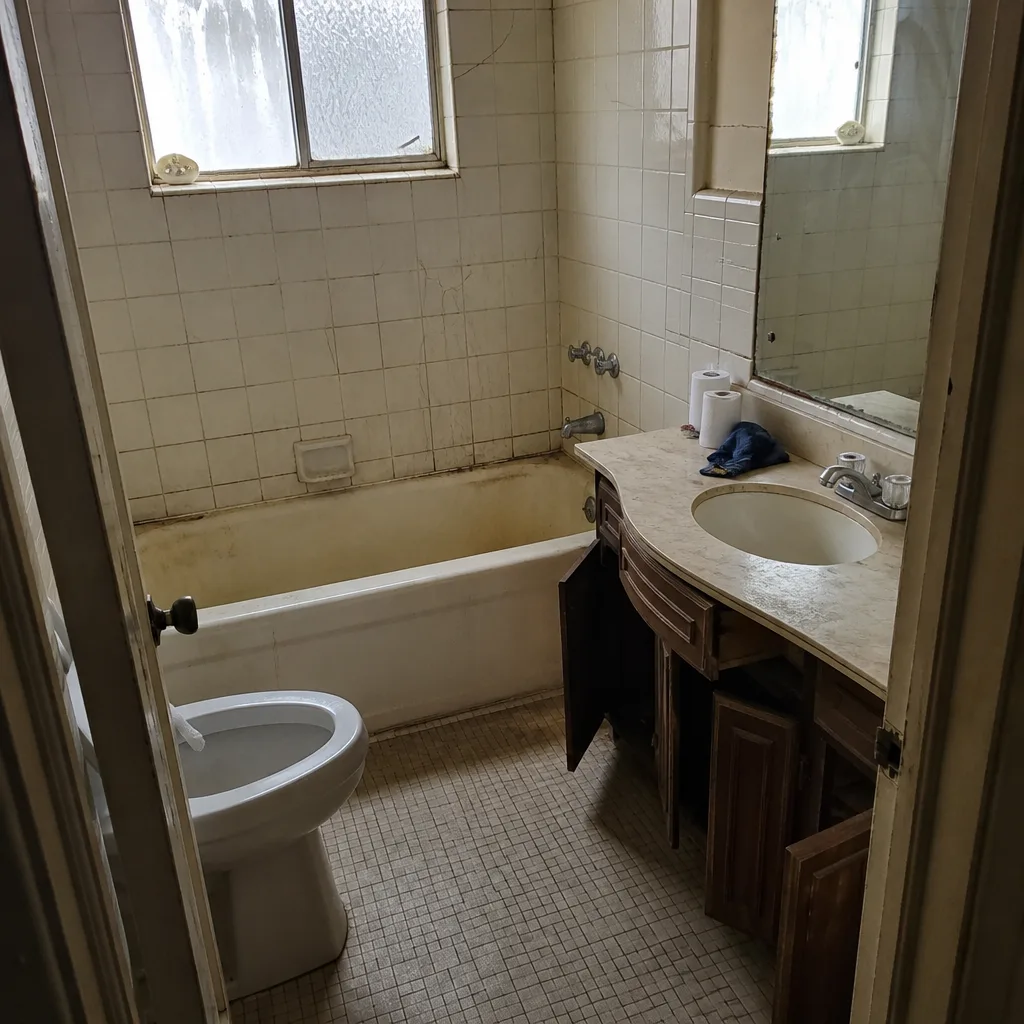 Before
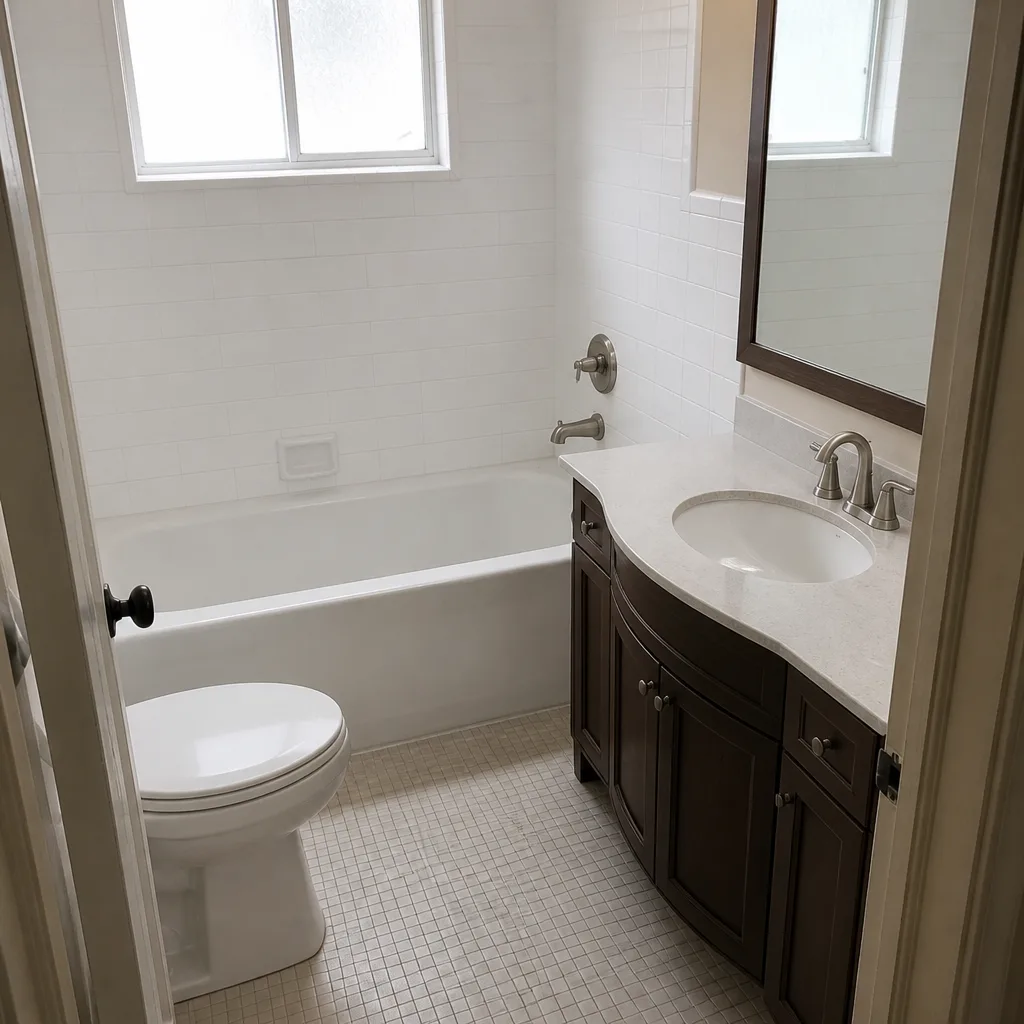 After
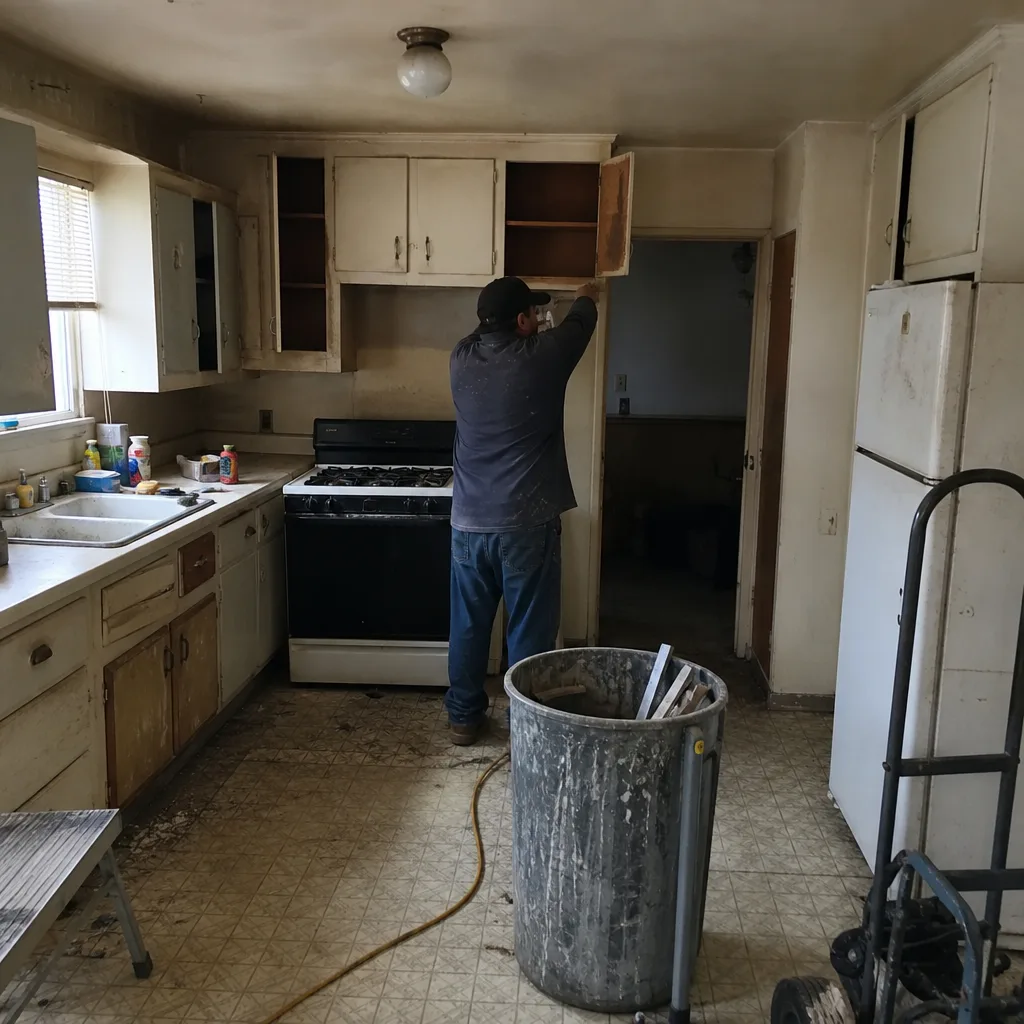 Before
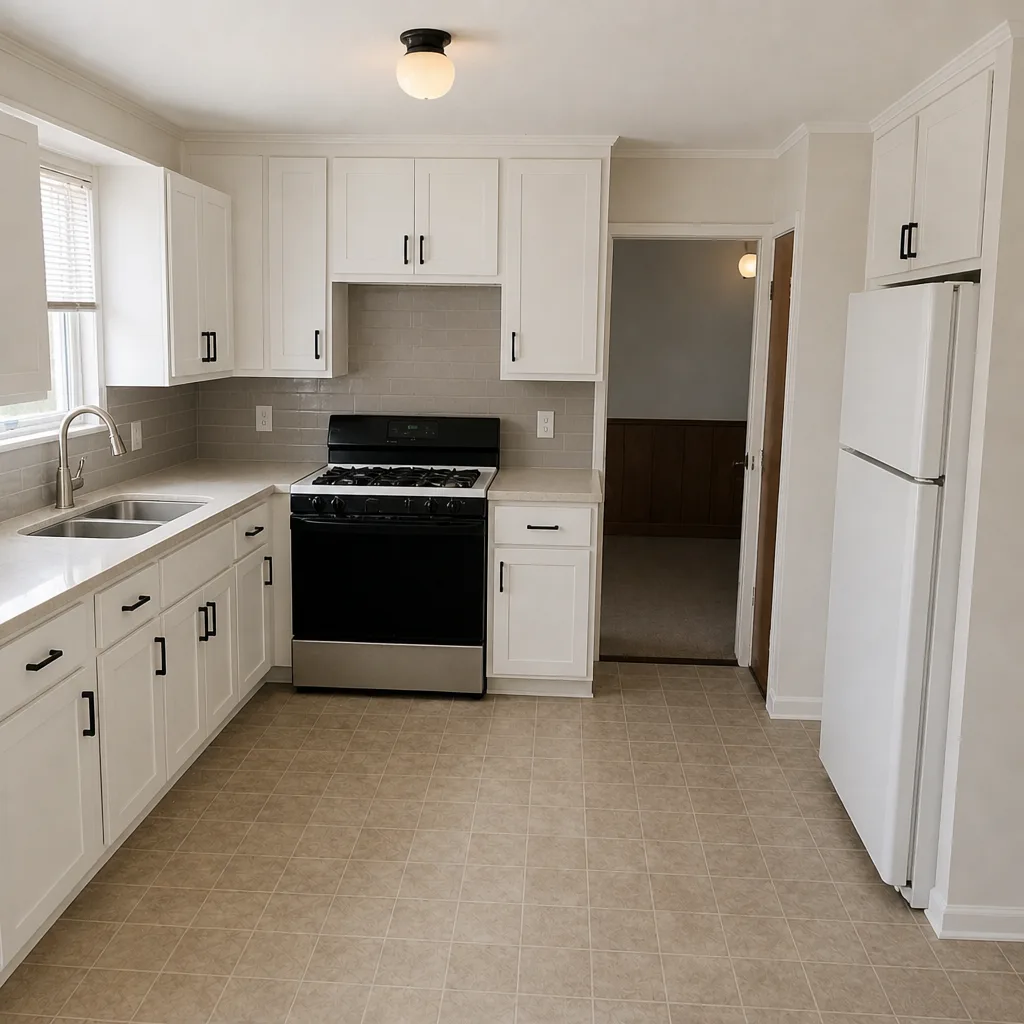 After
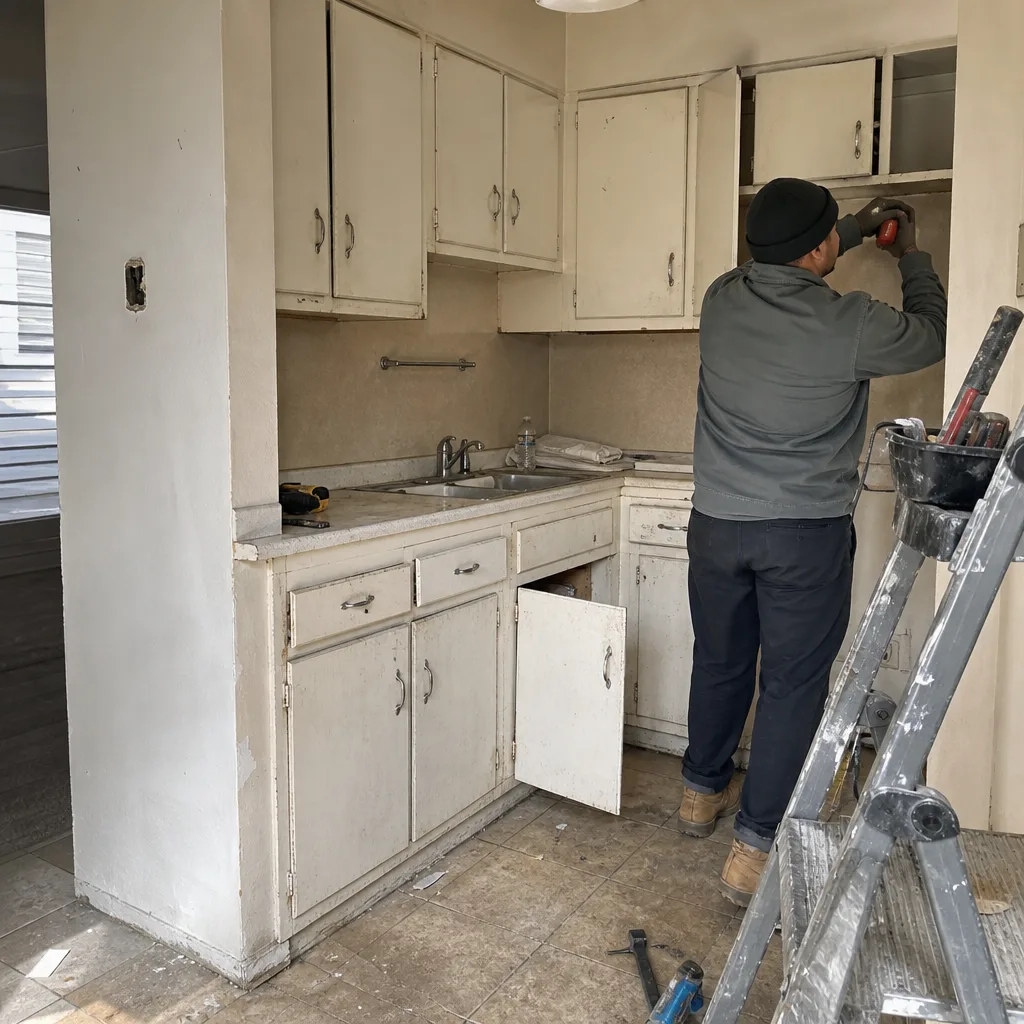 Before
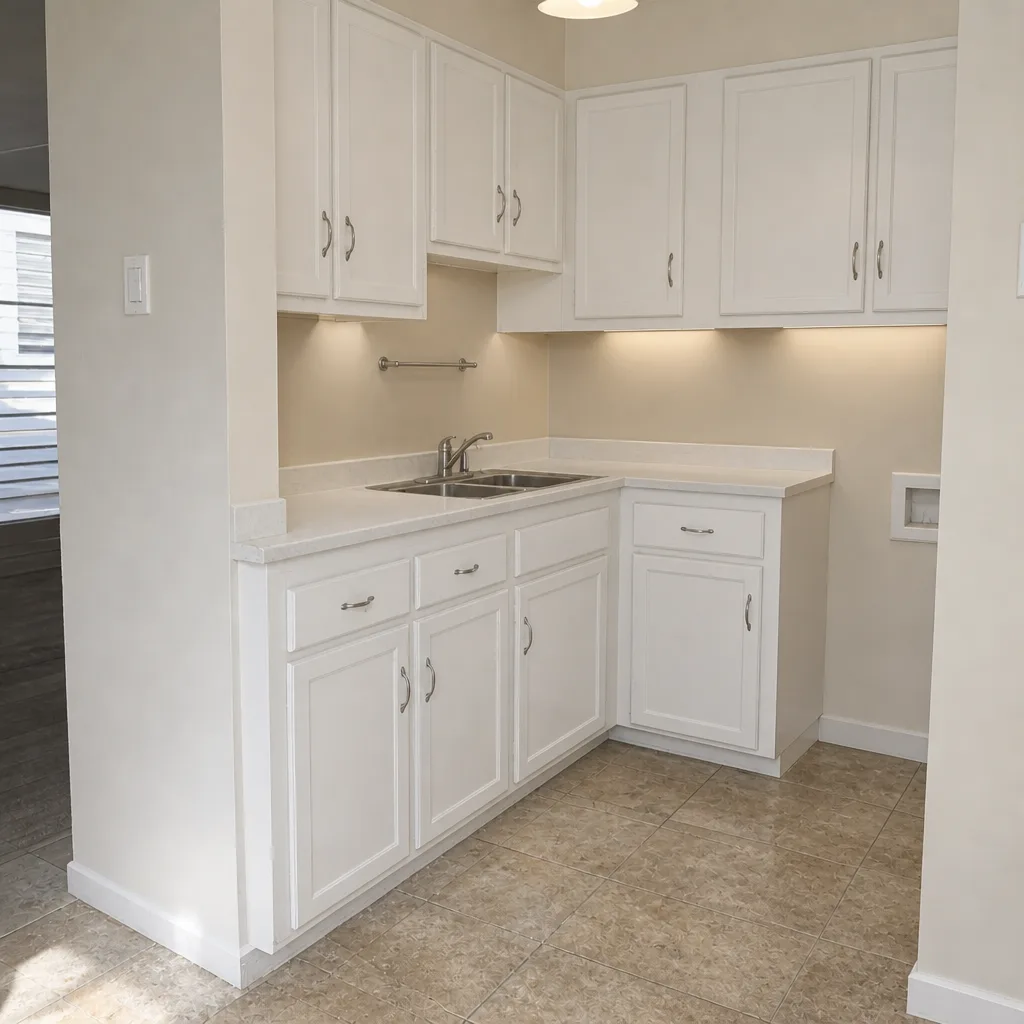 After
Replacement Cost & What’s Included
A Silestone kitchen remodel in East Los Angeles runs $16,520 – $53,100 installed. That’s the full-kitchen number, not a counter-only price, because most of the callouts we get turn out to be substrate or cabinet failures, not slab failures. Here’s how the line items break out so you can see where the money goes:
| Scope | Installed range (East Los Angeles) |
|---|---|
| Full kitchen remodel with Silestone counters | $16,520 – $53,100 |
| Small kitchen remodel | $10,620 – $23,600 |
| Cabinet installation | $4,720 – $15,340 |
| Countertop installation | $2,360 – $7,670 |
| Backsplash installation | $945 – $2,950 |
| Kitchen island installation | $3,540 – $11,800 |
What moves you up the range: a jumbo slab with book-matched veins, an island, moving the sink or range (which means new rough-in and a new cutout), and cabinet replacement. What keeps you near the bottom: reusing sound cabinet boxes, standard-collection slab, and a straight-run counter with one seam. We give you a written line-item price before work starts, and the number doesn’t move once it’s on paper unless you change the scope. Every finished project carries the 365-Day Done Right Promise: if the work fails within that year, we come back and correct it at no charge.
DIY or Call Us?
Some of this you can safely check yourself, and some of it you shouldn’t touch. What’s safe: run your hand along every seam and look for a gap you can catch a fingernail in. Press down on the counter near the sink and the cooktop to feel for flex. Open the cabinet below and look for water staining on the box or the substrate. Take photos and measure your slab thickness. That’s diagnostic work, and it tells us a lot before we arrive.
What you shouldn’t do is lift, cut, or reset a 3 cm quartz slab. A 3 cm slab runs roughly 20 pounds per square foot, so a standard 6-foot counter section is a 150-pound-plus piece of brittle stone that will crack if it’s lifted unevenly, and it will injure hands and wrists if it goes. Cutting Silestone outside a wet saw with a proper blade throws silica dust that is a genuine health hazard to breathe. Chips at a cutout can sometimes be repaired with a color-matched epoxy, but that’s a fabricator’s call, and a bad repair makes a salvageable top unsalvageable. One honest note on safety: if your counter flexes under load, stop using that section and don’t lean on it, because a slab that lets go can drop into the cabinet and take the sink with it. Call (833) 520-6636 and we’ll tell you over the phone whether you’re looking at a repair or a remodel.
FAQs
Fifteen to twenty-five years is a realistic service life for the slab itself when it’s installed on a sound, level substrate; the failures we see here almost always trace to the cabinets or plywood underneath rather than the quartz, and in older East Los Angeles homes with slab-on-grade floors that wick moisture, that substrate can fail in five to ten years. Call (833) 520-6636 and we’ll assess the substrate before you pay for a new top you may not need.
A chip at an edge can often be filled with a color-matched epoxy and sanded flush, but a crack that runs through the slab, or a chip at the sink or cooktop cutout, usually can’t be repaired reliably because there’s no structural way to re-bond engineered quartz. A seam that has opened can sometimes be re-glued and re-clamped. Call (833) 520-6636 for a free estimate; we’ll tell you honestly which side of that line you’re on.
A counter-only swap of a straight run with one seam typically takes one day for templating and one day for install, with a day or two of fabrication in between; a full kitchen remodel with cabinets, counters, and backsplash runs two to four weeks depending on cabinet lead times and whether we’re moving plumbing or electrical. Call (833) 520-6636 and we’ll give you a written schedule with your written price.
We source the slab through documented manufacturer channels so the collection name, thickness, and finish match the spec on your written quote, and we work from the same traceable brand roster across the job: Silestone on the counters, KraftMaid on the cabinets, Cambria and Kohler where the layout calls for them. We don’t claim to keep slabs in stock or carry parts on a truck; your material is ordered to your job and inspected before it’s cut. Call (833) 520-6636 to schedule your free estimate.
If you’ve got a counter that’s flexing, a seam that’s opening, or a kitchen that’s due for a straight conversation about what it will actually cost, call Bradford Remodeling Co East Los Angeles at (833) 520-6636 for a free estimate. You’ll get a written price before any work starts and the 365-Day Done Right Promise on the finish.
Written by the team at Bradford Remodeling Co East Los Angeles, serving East Los Angeles and nearby areas.