Free written scope consultation - allowances, timeline, and change-order rules on paper before a single trade is scheduled
Oldcastle Home Additions & ADU: The East Los Angeles Owner’s Guide
If you own a home in East Los Angeles with an Oldcastle home addition or ADU – or you’re planning one on a lot that already has Oldcastle masonry, hardscape, or structural products on site – the honest installed range for additions here is $53,100 to $153,400, and detached ADU construction runs $106,200 to $259,600. That’s the real number, written down before any work starts, not a teaser that moves at the door.
Most owners don’t discover a problem with an addition all at once. It shows up slowly: a hairline crack that keeps reappearing above a door frame, a floor that feels a little off underfoot near the transition from the original house, or a patio-to-addition seam that lets water in every rainy season. In East Los Angeles, where most of the housing stock is older and lots are tight, those symptoms usually point to settling, a failing connection between old and new construction, or water getting behind Oldcastle masonry and hardscape components that were installed without a proper drainage detail.
Key Takeaways
- Installed home additions in East Los Angeles: $53,100 – $153,400. ADUs: $106,200 – $259,600. Garage conversions: $35,400 – $94,400.
- Our technicians have up to 22 years of experience with structural additions, ADU construction, and matching new work to existing Oldcastle materials.
- Every project gets a written price before work starts and the 365-Day Done Right Promise – if the work fails inside that year, we come back and correct it at no charge.
- Bradford Remodeling Co East Los Angeles is an independent contractor and is not affiliated with Oldcastle.
Which Oldcastle Models This Applies To
Oldcastle is a building materials manufacturer, not a single product line – their catalog covers everything from segmental retaining wall systems and concrete pavers to masonry block and hardscape components. That matters for an addition or ADU because the parts that fail on an East Los Angeles project are rarely the structure itself. They’re the interface pieces: retaining wall caps where a new foundation meets a slope, paver borders at a patio-to-addition transition, and masonry units that need to match what’s already there for the tie-in to look intentional.
To identify what you have, look for a stamp or molded mark on the face of the block or paver – many Oldcastle products carry a series code there. Measure the unit’s actual face dimensions, not the nominal size, since face dimensions vary by series and a mismatched course will show as an uneven joint line. Original project drawings and the permit packet filed with the county are the most reliable identification source; if you have them, they beat any visual match.
The OEM-versus-aftermarket call is where owners get burned. For visible hardscape and masonry, genuine Oldcastle equivalents keep the color and texture consistent with the existing field, and aftermarket look-alikes often don’t – especially after a few seasons of Southern California sun. For concealed structural connections, a quality aftermarket equivalent that meets the same specification is a sound choice and can save real money. Our approach on East Los Angeles projects is to specify the genuine match anywhere it’s visible, and to be candid with you about where an equivalent is fine.
Styles & brands we work with
- Kitchen remodeling
- Bathroom remodeling
- Home additions & ADU
- Roofing
- Windows & doors
- Driveway & pavers
- Fence
Signs Your Oldcastle Home Additions & ADU Is Failing
- Recurring cracks above door and window openings. Hairline cracks that reopen after you patch them usually mean the addition is still moving relative to the original house, or the header detail was undersized. Patching the surface hides the symptom; the cause stays.
- Water staining or efflorescence on Oldcastle masonry. The chalky white bloom is salt drawn out by moisture, which means water is getting into the wall and not draining out. On East Los Angeles lots, that’s often a missing weep detail or a grade that slopes toward the addition instead of away.
- Separation at the old-to-new seam. A visible gap or cracked caulk line where the addition meets the original structure points to differential settling, which is common when the new footing bears on different soil than the original. The fix is a proper expansion joint and flashing detail, not more caulk.
- Sloping or bouncy floors near the transition. A floor that dips or flexes toward the addition side can mean a joist connection has loosened or a beam is under-supported. This one deserves a look sooner rather than later.
- Sticking doors and windows on the addition side. When they bind through the dry season and free up in the wet months, the frame is moving with soil moisture, which is a foundation or drainage signal rather than a hardware problem.
See the difference
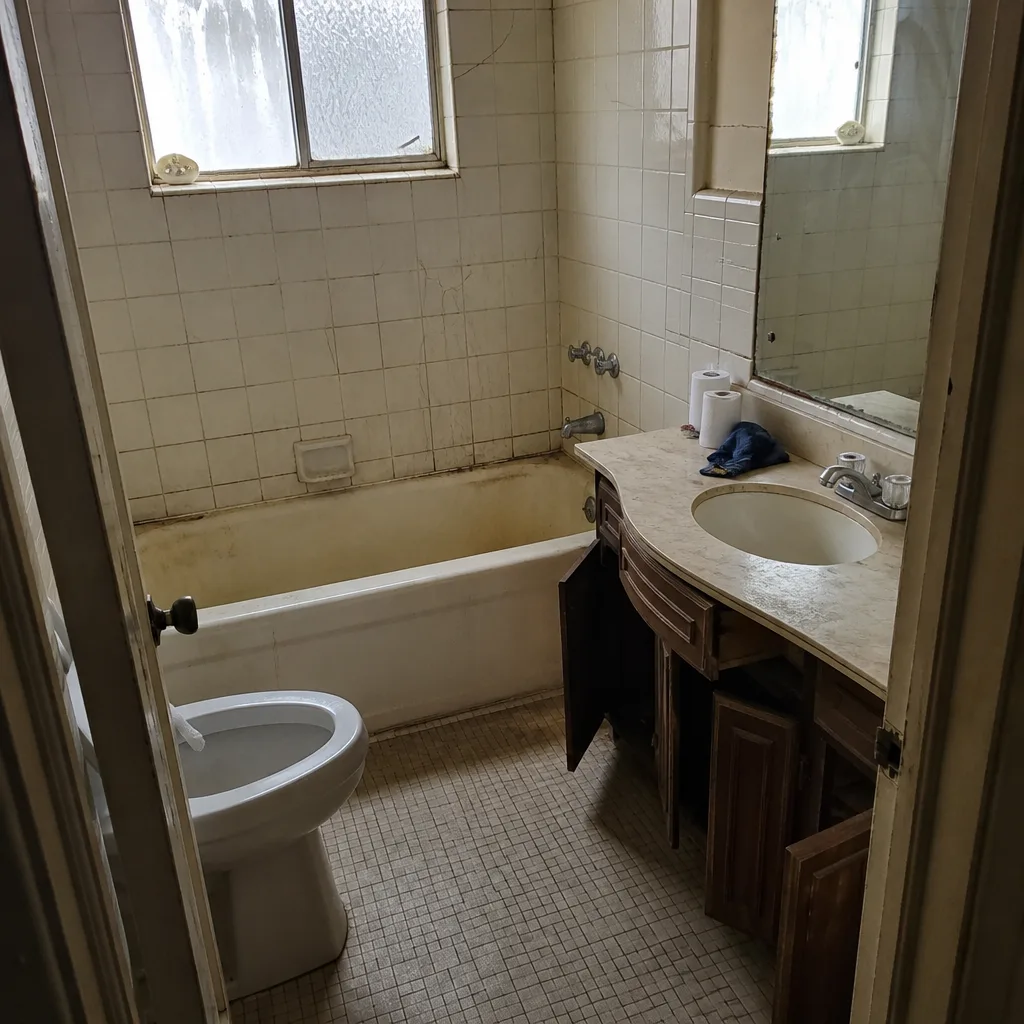 Before
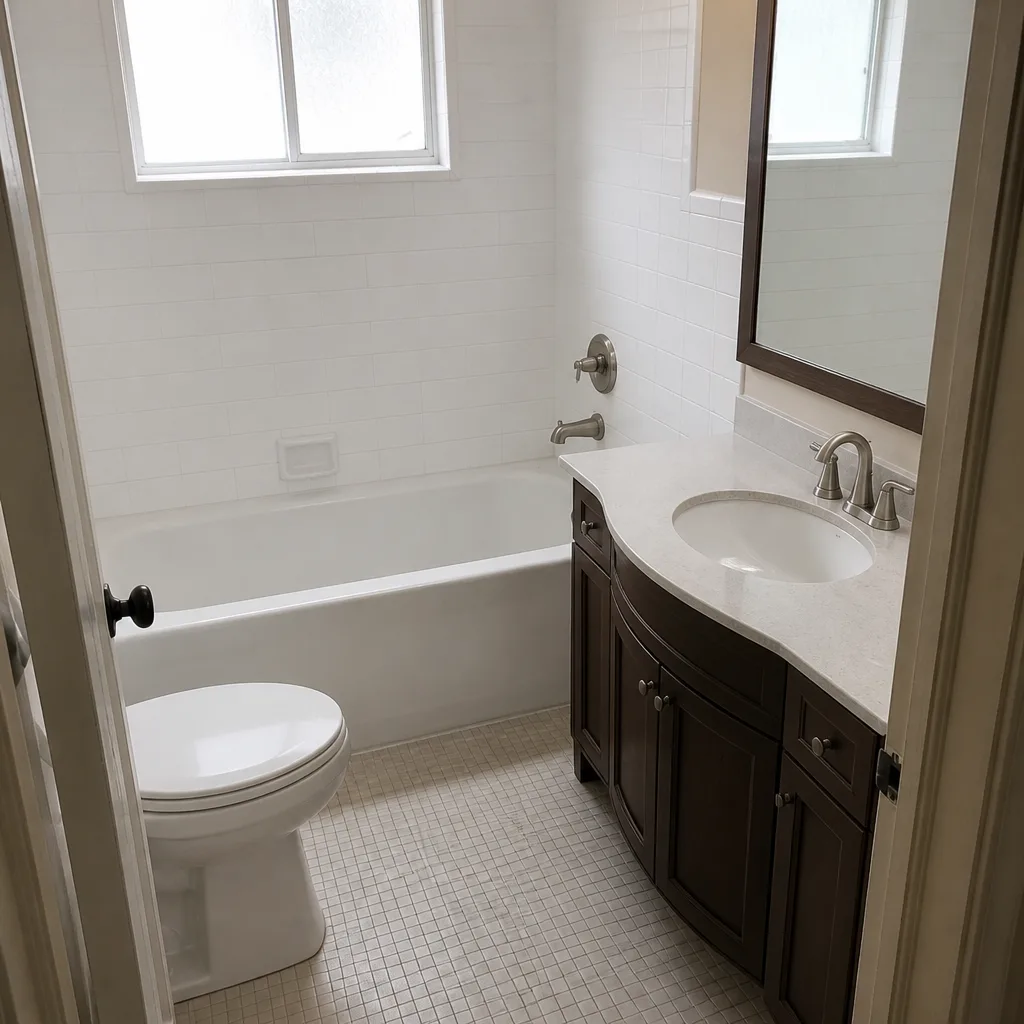 After
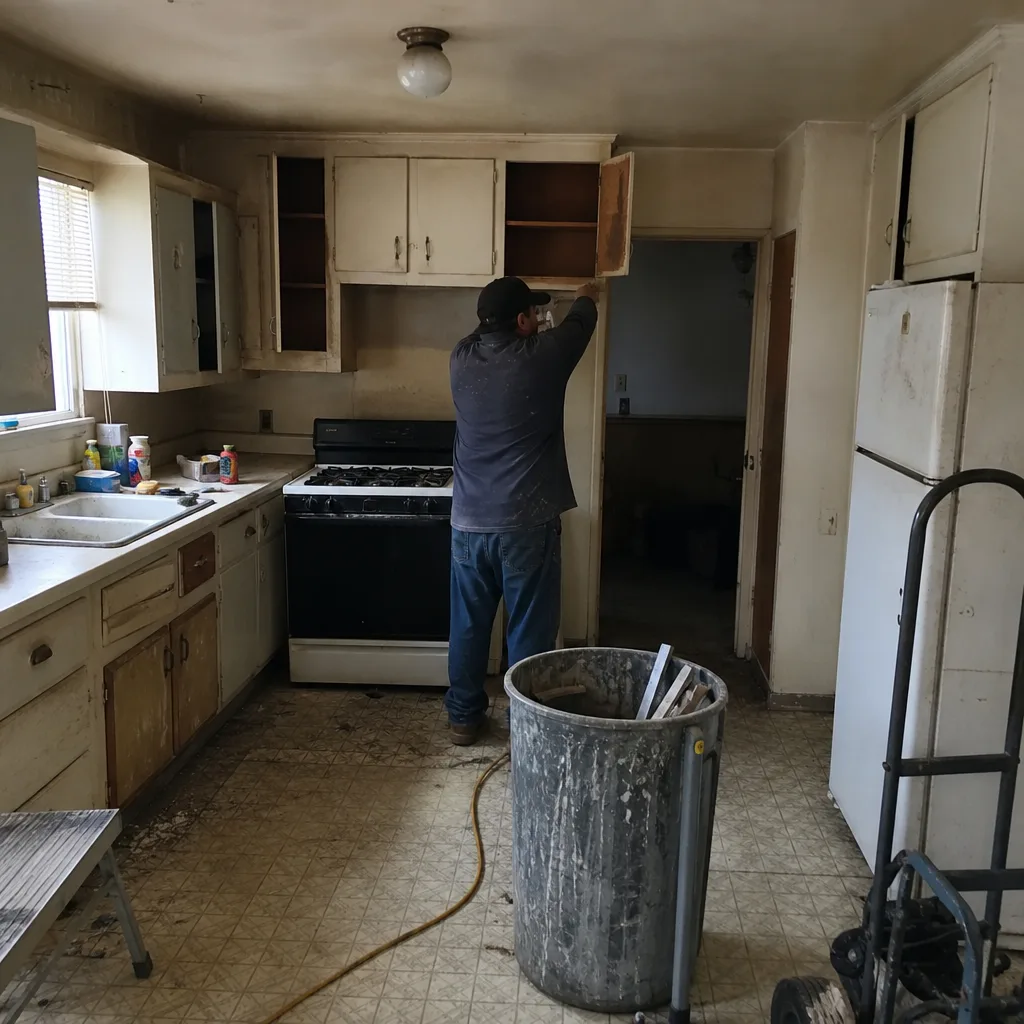 Before
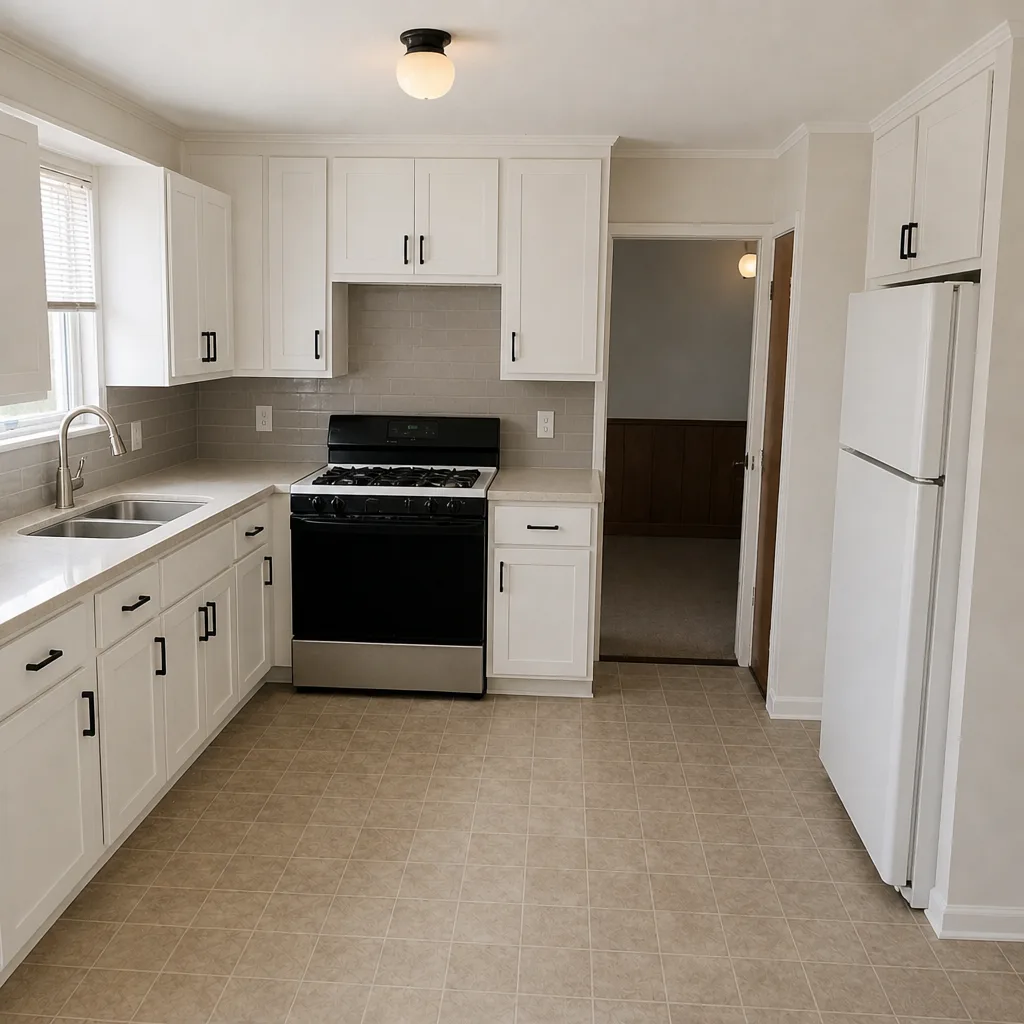 After
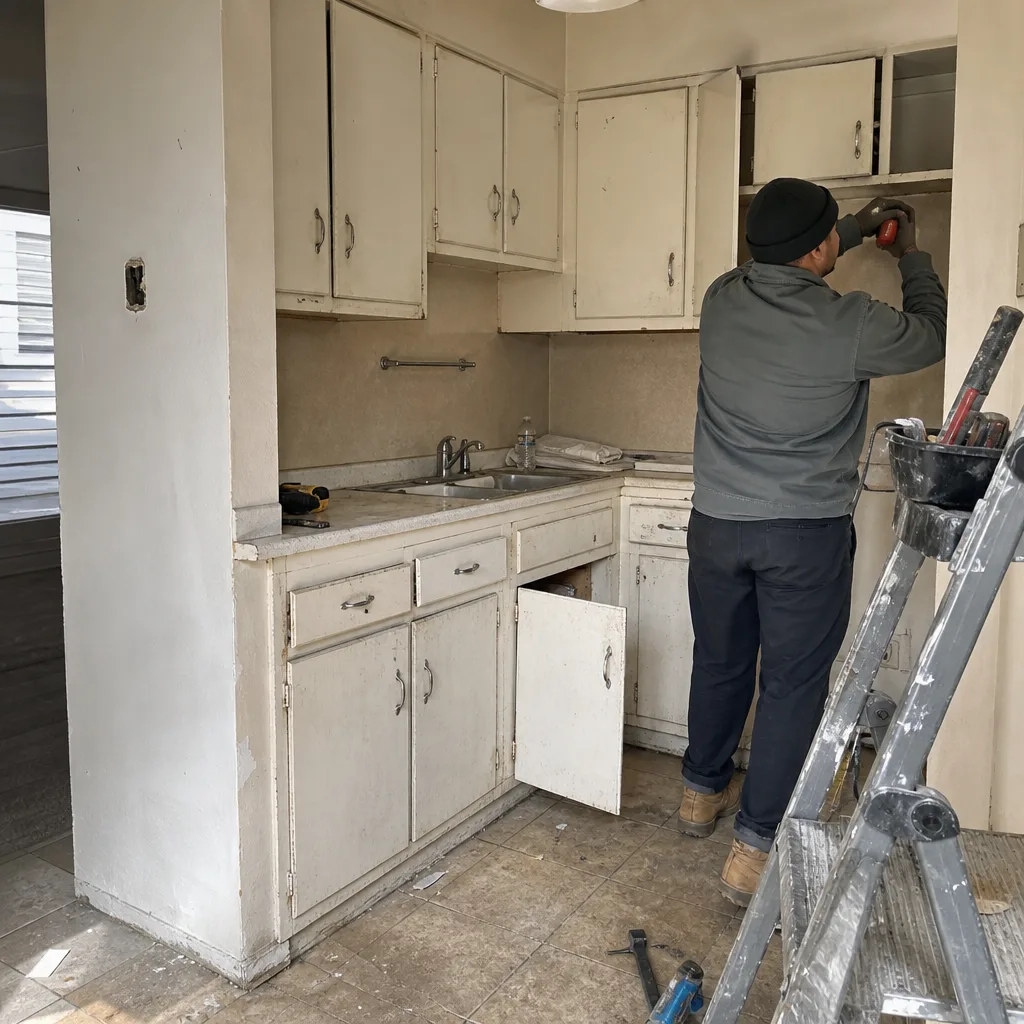 Before
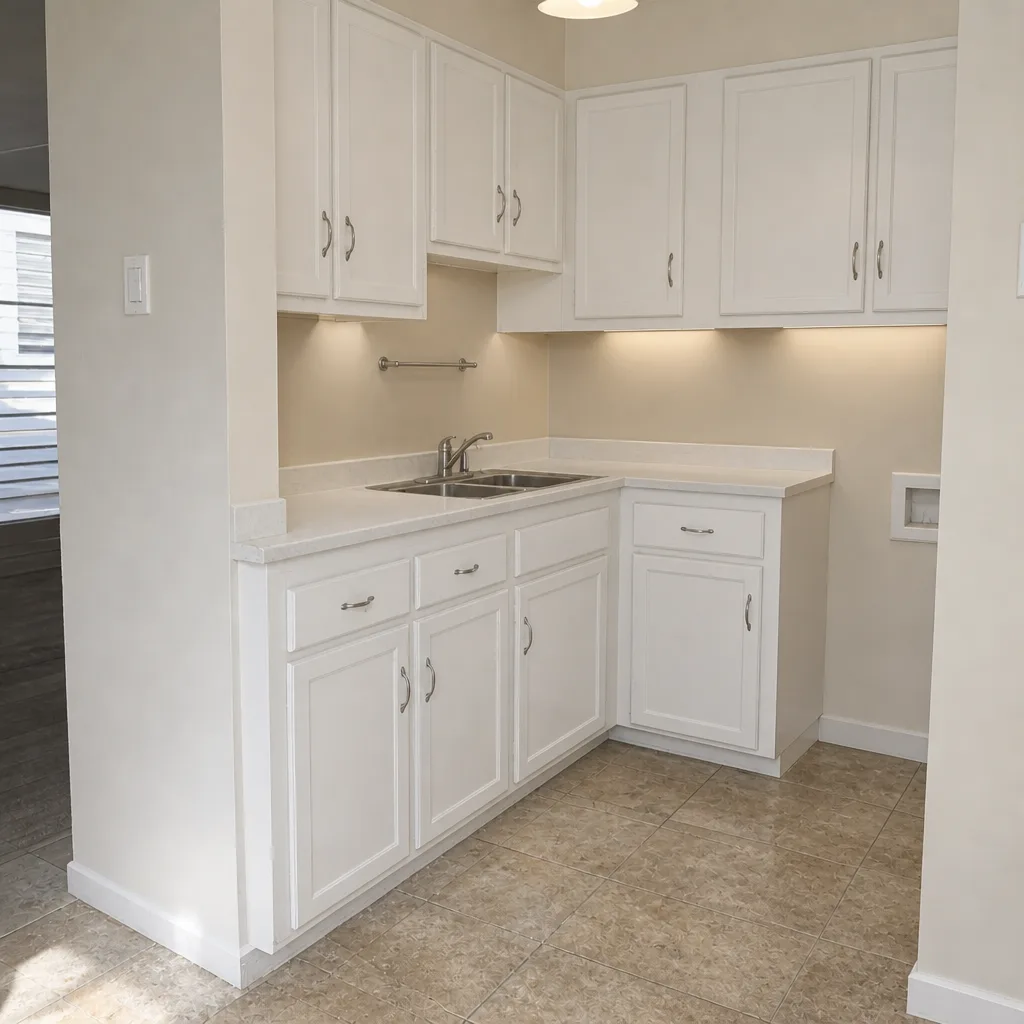 After
Replacement Cost & What’s Included
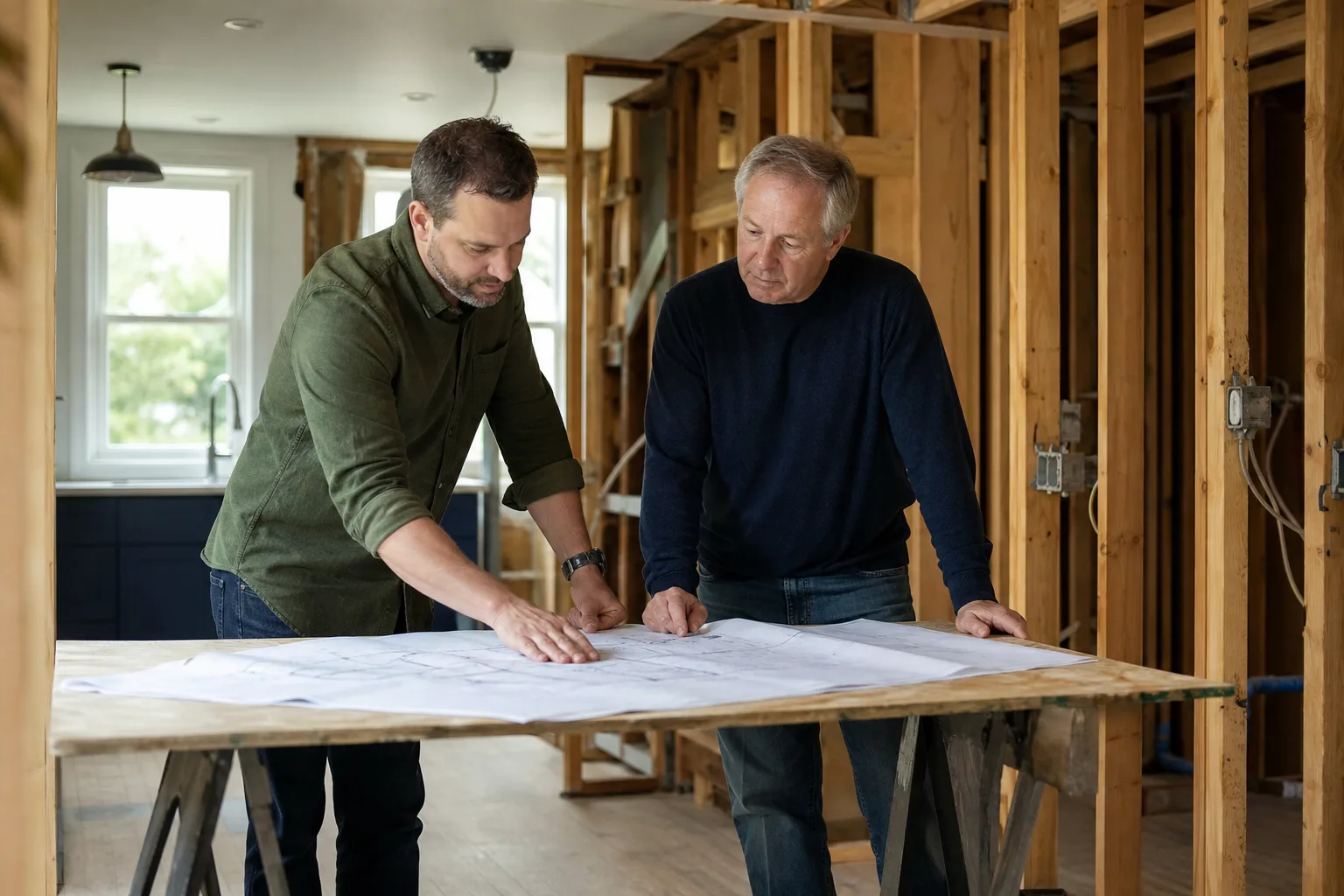
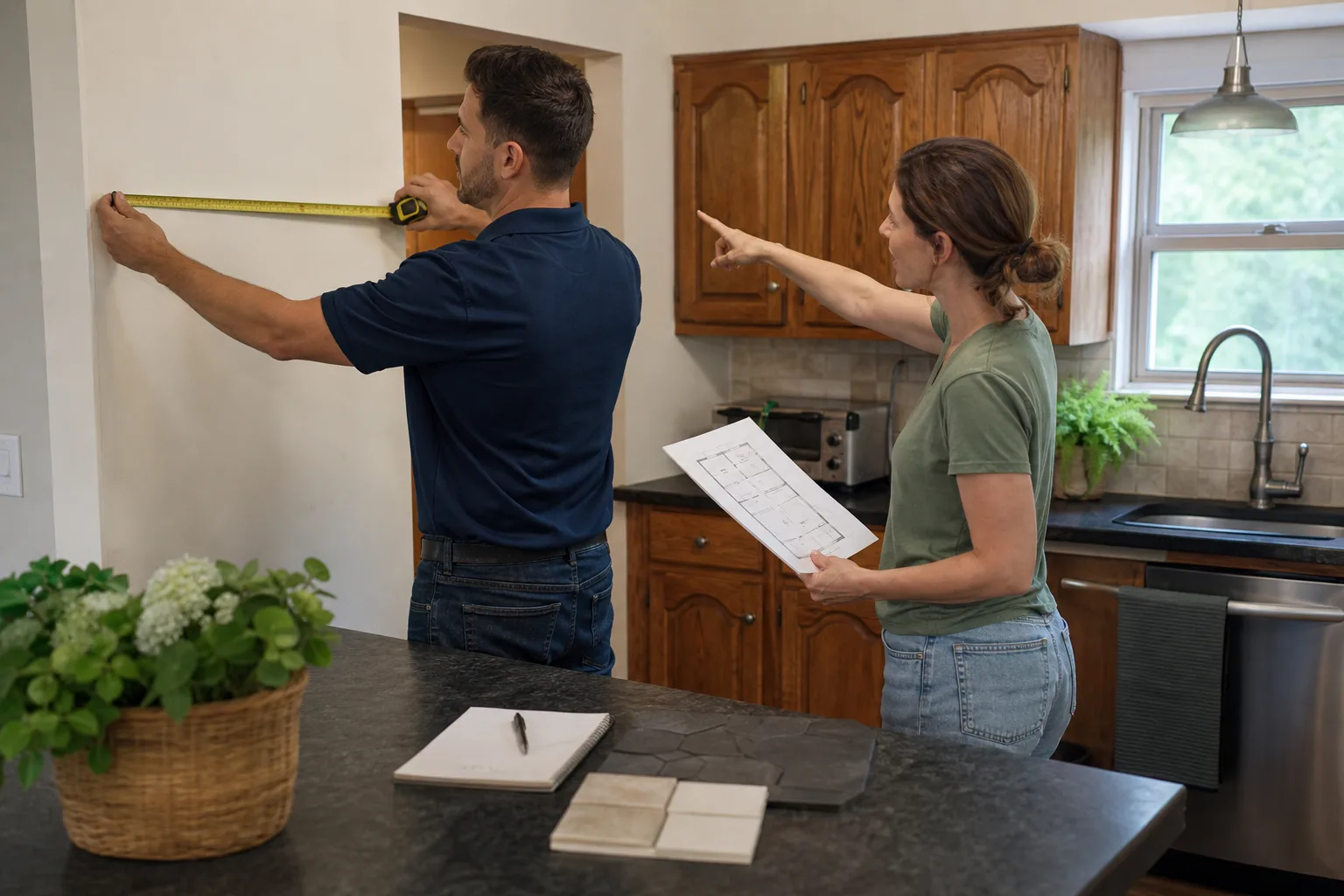
Here’s the pricing, line by line, for East Los Angeles. These ranges cover labor and standard materials; a written, line-item quote follows your walkthrough, and every number is fixed before work starts.
| Project | Installed Range (East Los Angeles) |
|---|---|
| Home Addition | $53,100 – $153,400 |
| ADU Construction | $106,200 – $259,600 |
| Garage Conversion | $35,400 – $94,400 |
What drives the range: foundation and grading work, how much of the existing Oldcastle hardscape or masonry has to come out to make the tie-in, whether the addition needs its own utility rough-in (plumbing, electrical, HVAC), and the match cost on visible materials. A straightforward tie-in on flat grade sits at the low end. A sloped lot with retaining work and a full utility rough-in lands near the top. Every project we complete carries the 365-Day Done Right Promise: if the work fails within that year, we return and correct it at no charge, and the guarantee is in writing in your hand at close.
DIY or Call Us?
Some of this you can check yourself, safely. Walk the perimeter and note where cracks, staining, or gaps appear. Look at how the ground slopes against the addition – water should run away from the structure, not toward it. Check that downspouts discharge well clear of the foundation and that any Oldcastle retaining wall has visible weep points. Take dated photos so you can tell whether a crack is stable or growing. That’s a reasonable weekend inspection and it gives us better information when you call.
What you shouldn’t attempt: lifting or resetting retaining wall units, cutting into the addition’s structure to chase a crack, or trying to re-flash a failed seam. A retaining wall that’s holding back soil is a real load, and a wall that gives way can injure someone or damage the original house. Structural connections and flashing are where DIY repairs in East Los Angeles tend to fail a season later, and then you’ve paid twice. That’s a call for a trained crew. Call (833) 520-6636 to schedule your free estimate – estimates are free, and you’ll get a written price before anything starts.
FAQs
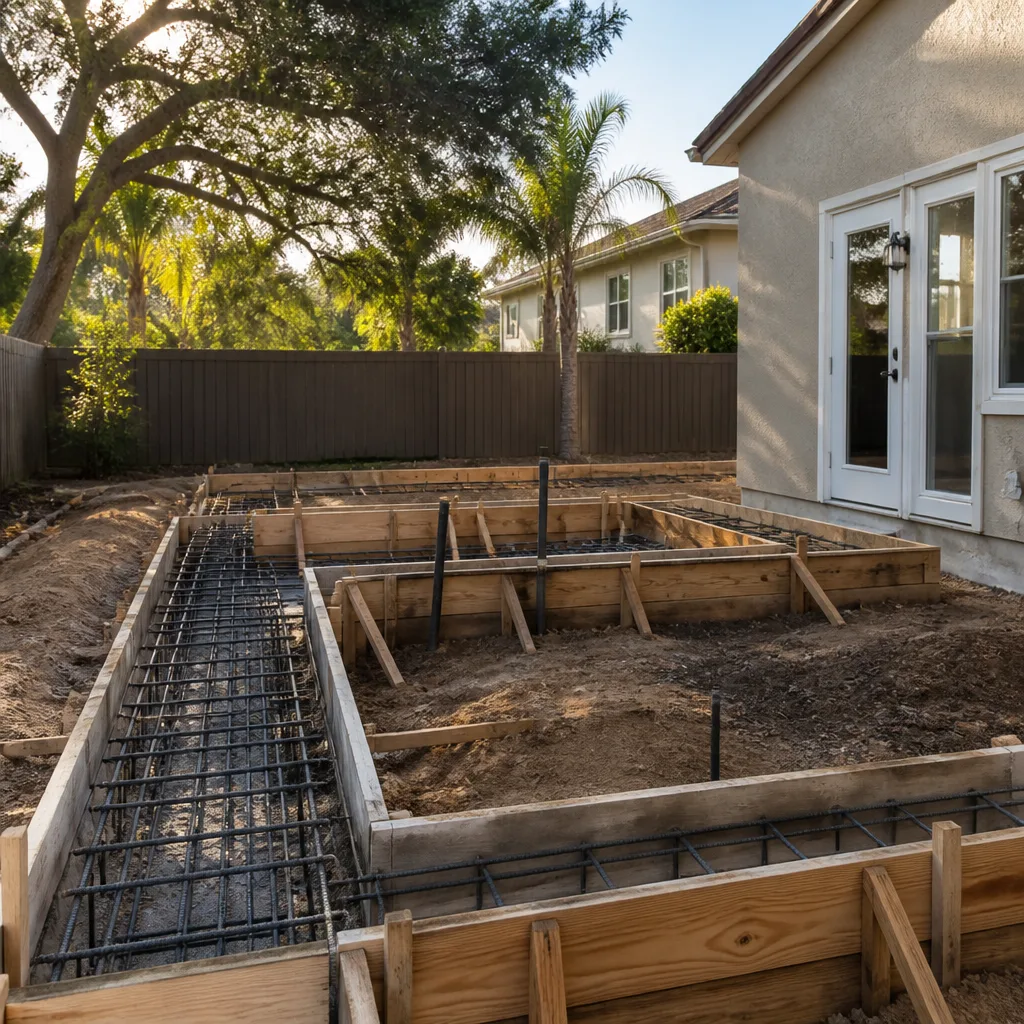
A properly built addition with correct drainage and flashing typically holds for decades, and the Oldcastle masonry and hardscape components themselves are built to outlast the structure they sit against. What shortens the lifespan isn’t the material – it’s water. Southern California’s dry-then-wet cycle puts real stress on the old-to-new seam, and an addition that wasn’t detailed for drainage will show it within a handful of seasons. Call (833) 520-6636 and we’ll assess yours.
Often yes, and we’ll tell you when repair is the right call rather than pushing a rebuild. A failed caulk seam, a missing weep detail, or a single cracked unit is a repair. Structural settling, a compromised foundation tie-in, or water that has been getting behind the wall for years is a different conversation. The walkthrough tells us which one you’re in, and the written estimate tells you what each path costs.
A targeted repair on a failing seam is usually a day or two of work, while a full home addition runs several months and a detached ADU runs longer – the schedule depends on permits, grading, and utility rough-in. We don’t promise same-day on construction work, because nobody builds an addition in a day. What we do promise is a written scope and timeline before work starts, and a clean site with your signed guarantee at close.
We specify against the original project drawings and the existing installed material, matching visible Oldcastle units by series and face dimension rather than guessing from a photo. Where a genuine match is available, that’s what goes in for anything visible; where an equivalent meets the same spec on a concealed connection, we’ll tell you and let you decide. We work from a documented roster of name-brand materials – including KraftMaid, Cambria, and Silestone for the interior side of any addition, alongside the structural products – so every specification is traceable. Bradford Remodeling Co East Los Angeles is an independent contractor, not affiliated with Oldcastle, and we source parts specific to your project rather than carrying stock.
Whether you’re in Boyle Heights, Lincoln Heights, El Sereno, or anywhere else in East Los Angeles, Bradford Remodeling Co East Los Angeles handles the full scope: general contracting, kitchen remodeling, and whole-home remodeling, with live-person phone coverage 24/7 and background-checked, uniformed technicians on every job. Every project carries a written price before work begins and the 365-Day Done Right Promise behind it. If your addition or ADU is showing symptoms and you want a straight answer on what it takes to fix it, call (833) 520-6636 to schedule your free estimate. We’ll walk the property, tell you what’s actually failing, and put the price in writing before a single tool comes out.
Written by the team at Bradford Remodeling Co East Los Angeles, serving East Los Angeles and nearby areas.