Last updated November 17, 2026



Free written scope consultation - allowances, timeline, and change-order rules on paper before a single trade is scheduled
DIY vs Professional General Contractor: What’s Safe to Do Yourself
In California, a homeowner who pulls their own permit and does their own work takes on the same legal liability as a licensed contractor. That fact catches most people off guard. They assume a permit is just paperwork, a box the city wants checked, and that doing the work themselves saves money without changing anything about their responsibility. It doesn’t. Once you sign as the owner-builder, you’re the one on the hook for code compliance, for worker safety, and for what happens if the finished job fails. This guide is about where that line actually sits for a homeowner in East Los Angeles, and how to decide which work is safe to take on and which work isn’t worth the exposure.
Quick Answer
Low-risk finish work – demolition, painting, trim carpentry, tile, landscaping – is generally safe to do yourself and saves real money. Structural changes, electrical rough-in, gas lines, plumbing inside walls, and anything that touches the building envelope needs a licensed contractor, because a single mistake creates a permit, safety, or insurance problem that costs far more than the labor you saved. The dividing line isn’t your confidence level; it’s whether the work requires a permit, affects structural integrity, or could be flagged during escrow.
Styles & brands we work with
- Kitchen remodeling
- Bathroom remodeling
- Home additions & ADU
- Roofing
- Windows & doors
- Driveway & pavers
- Fence
Table of Contents
- How California’s owner-builder permit actually works
- The insurance gap: what your homeowner’s policy won’t cover
- Tasks where DIY saves real money with low risk
- Tasks where one mistake creates a permit, structural, or safety problem
- How to judge your own skill against trade standards
- The hidden cost of DIY at resale
- East Los Angeles specifics: climate, housing stock, and inspections
- Common mistakes to avoid
- When to call a professional
How California’s owner-builder permit actually works
California lets you act as your own contractor on a home you own and will live in. That’s the owner-builder exemption. You can apply for permits in your own name, hire subs directly, and manage the job yourself. On paper, it’s straightforward. In practice, it shifts a specific set of risks onto you.
When you sign an owner-builder permit, you’re certifying that you understand the work, that you’ll comply with the code, that you’ll arrange inspections, and that you accept responsibility for worker safety on the site. If you hire uninsured helpers and one of them gets hurt, you’re the employer of record. If the work fails an inspection, you’re the one who pays for the correction and the re-inspection. If the work is later found defective, the liability sits with you – not with a contractor, not with a manufacturer, not with anyone else.
There’s also a disclosure requirement. On projects where you’re doing the work yourself, the law expects that you know the difference between what’s permitted and what isn’t. Re-roofing, adding a room, moving a wall that carries load, converting a garage, replacing a water heater – these all need permits in Los Angeles County. Painting, replacing cabinets in kind, laying flooring over a sound substrate, and swapping fixtures on existing connections generally don’t. When you’re not sure, the safe move is to call your local building department before you start, because “I didn’t know” isn’t a defense once a permit is required.
If any of that sounds like more responsibility than you want to own, that’s the point. Most homeowners who’ve been through a permit process once don’t want to do it twice. For work that requires permits, a General Contractor in East Los Angeles carries that exposure so you don’t have to.
The insurance gap: what your homeowner’s policy won’t cover
Here’s where the DIY math changes. Standard homeowner’s policies cover sudden, accidental damage from a covered peril – a burst pipe, a fire, a windstorm. They do not cover damage caused by faulty workmanship, and they frequently exclude damage from work done without a permit or in violation of code. This is a much bigger gap than most people realize.
Say you finish a basement yourself and skip the permit. A year later, a supply line fails behind the wall you built. The water damage is real. Your insurer investigates, finds unpermitted work, and now you’re arguing about whether the loss is covered. Even if it is, the remediation of the unpermitted work itself is almost certainly on you. In some cases, the whole claim becomes a fight. In the worst cases, coverage is denied and you’re paying out of pocket for damage a permitted, inspected job would have caught before it failed.
There’s a similar dynamic on liability. If a guest is injured because of a stair you built that doesn’t meet code, or a deck that pulls away from the house, that claim lands on you. A contractor’s liability coverage exists for exactly this reason – and it doesn’t transfer to you when you do the work yourself.
The test is simple. Ask yourself: if this fails in five years, can I pay for the full correction and the damage it caused, without insurance help? If the answer is no, that work belongs with someone who carries the coverage.
Tasks where DIY saves real money with low risk
You can save a meaningful amount on the front and back ends of a remodel – the parts that don’t require a permit, don’t touch the structure, and don’t have downstream insurance implications. Here’s where the money actually lives:
- Demolition. Taking out old cabinets, tearing off tile, pulling up carpet, and hauling debris. Labor-intensive, low-skill, and easy to do safely if you shut off utilities first. Confirm with the contractor what they want removed and what should stay.
- Painting. Interior and exterior painting, priming, and caulking are all fair game. The prep work – sanding, patching, taping – is most of the job, and you can do it to a professional standard with practice.
- Trim and finish carpentry. Baseboards, crown, casing, and shoe molding. These are finish elements, so mistakes are cosmetic and correctable.
- Tile setting on floors and backsplashes, as long as the substrate is sound and you’re not waterproofing a shower. A shower pan is a different animal – the waterproofing has to be right or it fails within a year or two.
- Landscaping and hardscape prep. Grading, planting, mulching, and preparing a base for pavers. Leave retaining walls over a certain height and anything against the foundation to a professional.
- Fixtures and finishes on existing connections. Swapping a faucet, replacing a light fixture where the box already exists, hanging cabinet hardware, installing a new vanity top. No new lines, no new rough-in.
In our experience, homeowners who take on these pieces of the job end up with a better result than they expect, and they save enough to put toward the parts that matter more. It’s also a good way to learn your own tolerance for living through a remodel. If you can paint a room and stay on schedule, you understand what a contractor is managing across a whole house.
Tasks where one mistake creates a permit, structural, or safety problem
These are the work categories where doing it yourself turns a $300 mistake into a $30,000 one, or worse. We’re not saying you’re not capable – we’re saying the failure modes are too expensive and too dangerous.
- Electrical panel work, new circuits, and rewiring. A panel swap requires a permit and a licensed electrician. A single mistake at 240 volts is a fire risk and a shock hazard. There’s no safe way to learn this on your own house.
- Gas lines. Running new gas, moving a range, or connecting a dryer line. A gas leak is a carbon monoxide risk and an explosion risk. This is a licensed plumber’s job, full stop.
- Plumbing inside walls. Moving a drain, relocating a toilet, or changing supply lines. A leak behind drywall can rot a wall for a year before you notice. Permitted and inspected rough-in is the only way to know the joints held.
- Structural changes. Removing or moving a load-bearing wall, cutting a new opening, adding a beam, underpinning a foundation. These require engineering, permits, and inspection. The failure mode is collapse, and the fix is expensive enough to make the savings meaningless.
- Roofing. Full replacements and repairs over a certain size need a permit and a licensed roofer in Los Angeles County. Roof work also has a high injury rate – falls from height are one of the leading causes of serious injury on residential jobs. Leave it to crews with the right fall protection and the right underlayment specs (GAF, CertainTeed, and Owens Corning each publish installation standards a roofer has to follow to keep the warranty valid).
- Water heater replacement. Requires a permit in most jurisdictions, including East Los Angeles, and a licensed plumber to handle gas and seismic strapping correctly.
- Anything touching the building envelope. Windows, exterior doors, stucco, and siding on East Los Angeles homes are where water intrusion starts, and water intrusion is the number-one source of expensive rot and mold repair we see. Therma-Tru doors and James Hardie siding come with specific flashing and sealant details; get them wrong and the product warranty is void.
For context on what a properly managed version of that work looks like, our pages on Kitchen Remodeling in East Los Angeles and Bathroom Remodeling in East Los Angeles walk through where the permits and inspections actually sit in a full remodel.
How to judge your own skill against trade standards
YouTube tutorials teach you the motion. They don’t teach you the inspection criteria the city actually uses. Those are different standards, and the gap between them is where DIY projects fail. Here’s a way to test yourself honestly before you start:
- Look up the actual code section for the work. The California Residential Code and the California Building Code are public. Read the section that governs what you’re about to do, not a summary of it. If the language is unfamiliar, that’s information.
- Read the inspection checklist your city publishes. Los Angeles County publishes inspection checklists for framing, electrical, plumbing, and mechanical. Print it out. Walk your finished work against it item by item. If you can’t confidently pass every line, you’re not ready.
- Ask yourself whether you’d pass a professional’s eye. A framer with twenty-two years of experience looks at a wall and sees whether the studs are plumb, whether the header is sized right, whether the sheathing is nailed on schedule. If you can’t spot the same defects, you can’t fix them.
- Check the substrate, not just the surface. Most failures we see come from the layer underneath – a tile that looks fine on a floor that isn’t flat, a cabinet that fits a wall that isn’t true. A pro checks the substrate first and plans from there.
- Get a second opinion from someone who does this for a living. A short paid consult is cheaper than a failed inspection. It’s also a fair test of whether your plan holds up to a professional’s questions.
If you can pass all five – actually pass, not skim – the work is probably within your reach. If any one of them gives you pause, that’s the one to hand off.
The hidden cost of DIY at resale
Unpermitted work has a way of staying invisible until escrow. When you sell a home in East Los Angeles, the buyer’s inspector finds what’s called out, and the buyer’s lender asks for documentation. Missing permits are common enough that most real estate contracts now include specific language about unpermitted work. If the seller can’t produce permits for a room addition, a converted garage, or a rewired panel, the deal either stalls or gets repriced.
The remediation math is unforgiving. Doing permitted, inspected work costs the same whether it’s done right at the start or torn out and redone. But the second path carries an extra bill for demolition, correction, and re-inspection. On a garage conversion, that can run into the tens of thousands before the first new nail goes in. On a smaller project – an unpermitted bathroom remodel, say – the correction is usually in the high four figures. Either way, the buyer is going to negotiate the price down by roughly what the correction costs, plus a discount for the risk.
The cost of doing it right the first time is the same labor and materials, plus the permit fee. That’s a rounding error next to the resale hit. If you’re going to sell in the next decade, this is the number to weigh against whatever you thought you’d save.
For the broader picture on how a licensed scope protects resale, see the Bradford Remodeling Co East Los Angeles home page and the way projects are scoped and warranted there.
East Los Angeles specifics: climate, housing stock, and inspections
East Los Angeles is not a neutral market. The housing stock matters, and the climate matters, and both shape which DIY risks are higher here than they’d be somewhere else.
Much of the neighborhood’s housing was built between the 1920s and the 1960s – a lot of it Spanish Colonial bungalows and small post-war tract homes with plaster walls, pier-and-beam foundations, and old galvanized or cast-iron plumbing. That matters for DIY because the parts you’re touching are often original. A tile job over a 1950s mud-set floor is not the same as tile over a modern plywood substrate. Opening a wall to run a new circuit can reveal knob-and-tube wiring that has to be addressed before any new work passes. The East Los Angeles climate is dry enough that water intrusion rarely shows as a leak – it shows as rot discovered years later, when a stucco patch or an incorrectly flashed window has been quietly failing behind the wall. We see these on the same blocks in Boyle Heights, El Sereno, and Lincoln Heights because the housing stock repeats.
Inspection schedules here are also a real constraint. LA County inspectors are busy, and a failed inspection can add a week or more before the next slot. A homeowner doing their own rough-in and failing two or three inspections loses more time than they saved on labor. That’s the math most DIY guides skip.
Common Mistakes to Avoid
- Skipping the permit because “it’s small.” A permit is a liability transfer, not a fee. Any project that moves utilities, changes the envelope, or touches structure needs one, and the “it’s small” projects are exactly the ones that get flagged at resale.
- Doing electrical work at the panel without a licensed electrician. A panel swap looks like a lot of wires in a box. It is not. The failure mode is a house fire, and the insurance consequence of unpermitted electrical work is that the fire claim can be denied.
- Assuming a YouTube video matches your house. A 1950s East Los Angeles bungalow is not a 2015 suburban tract home. The framing, the plumbing, and the wiring are different, and the video is answering questions the older house doesn’t share.
- Tiling over a bad substrate. A flat-looking floor is not a flat floor. A floor that’s out of level by a quarter-inch over ten feet will show through a large-format tile, and the fix is tear-out.
- Skipping the substrate inspection during demo. The demo is where you learn what you’re actually working with – rot behind a shower, water damage under a window, an old drain line that’s past its life. Plan on opening something up and finding a surprise, and budget accordingly.
- Not putting the agreement in writing. Even when you’re doing the work yourself, write down the scope, the budget, and the sequence. Every dispute we’ve been called in to fix started with a plan that existed only in someone’s head.
- Assuming insurance will cover a bad outcome. It usually won’t. Faulty workmanship and unpermitted work are standard exclusions. Check that before you start, not after.
When to Call a Professional
Call a professional when the work touches structure, electricity, gas, plumbing inside walls, or the building envelope. That’s the list. Below that, DIY is a legitimate way to save money. Above it, the risk transfer stops being worth it the moment a permit is involved.
Bradford Remodeling Co East Los Angeles offers free estimates in East Los Angeles, with a written, line-item price before any work starts and a 365-Day Done Right Promise on every completed project. If the work fails inside the guarantee window, we come back and correct it at no charge. That’s the part of the deal that a permit and a licensed crew buy you. Call (833) 520-6636.
See the difference
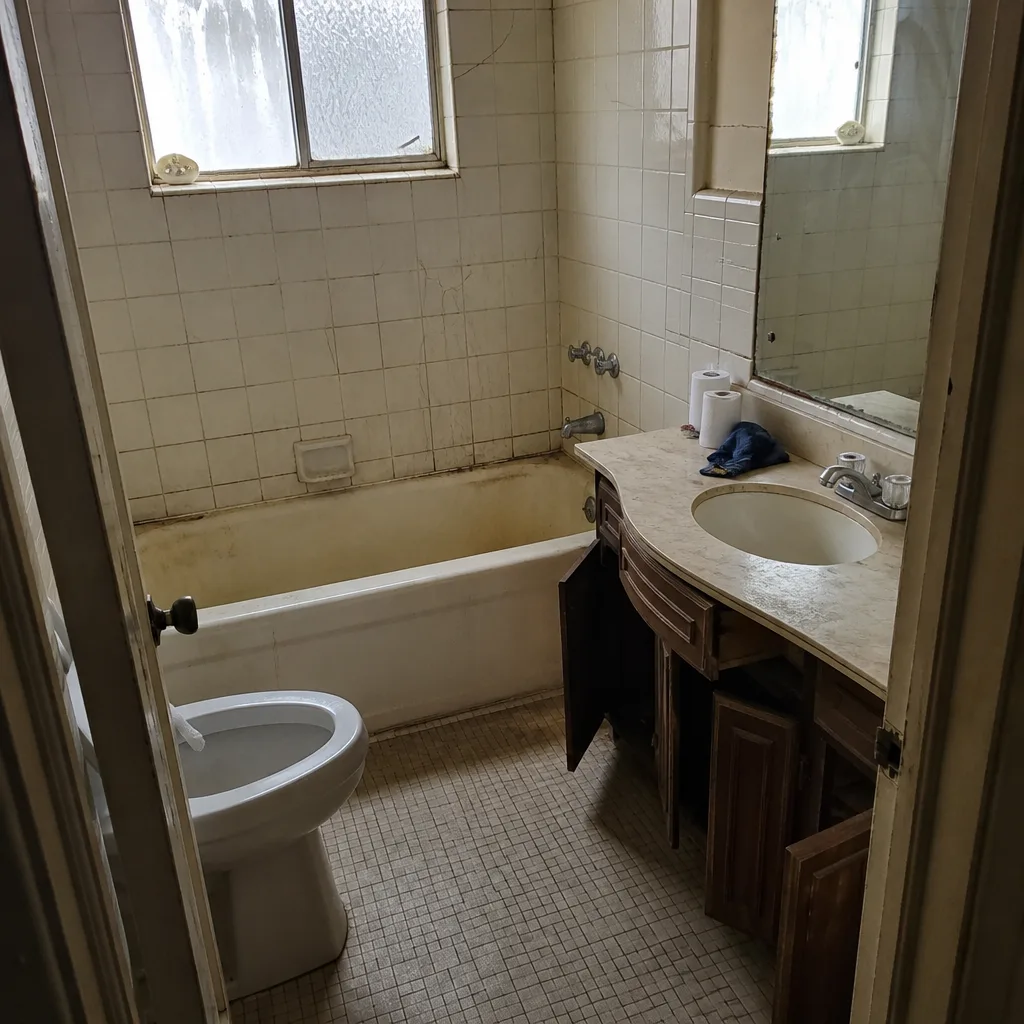 Before
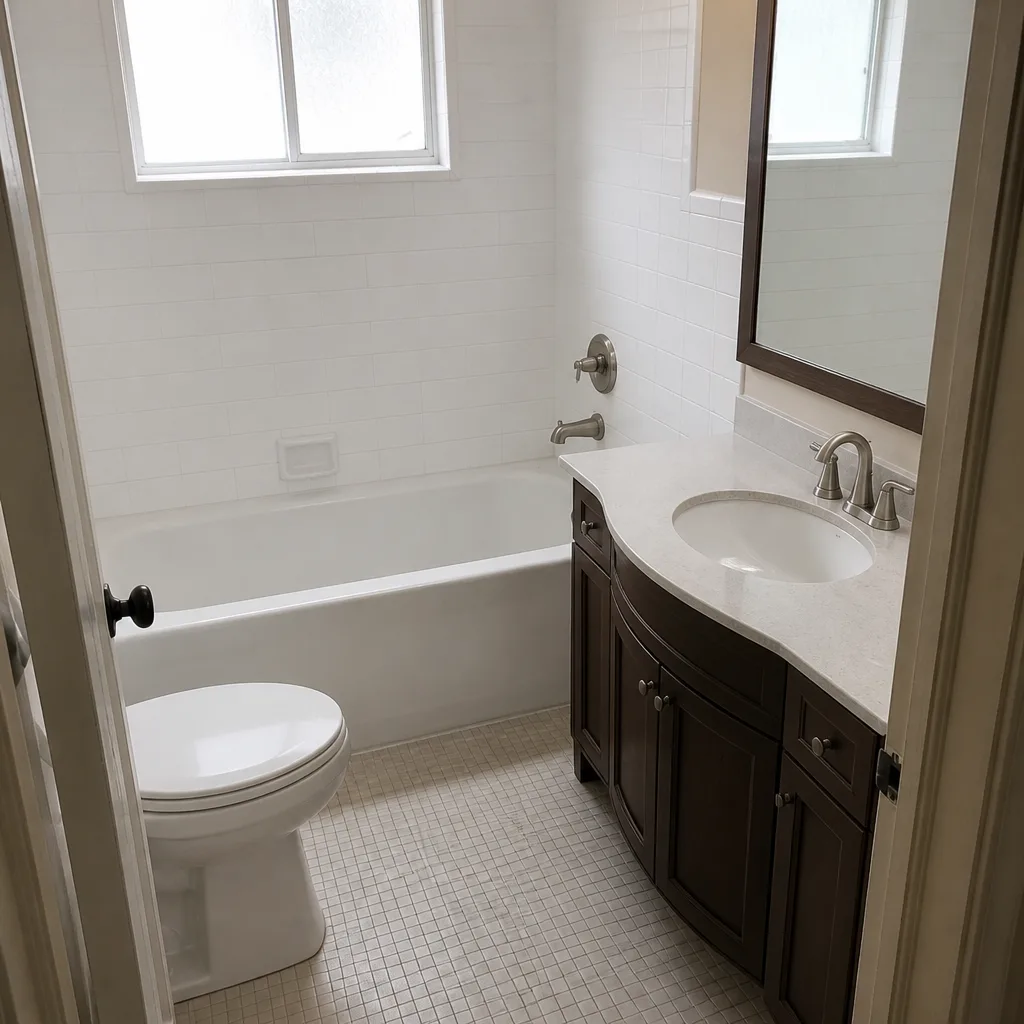 After
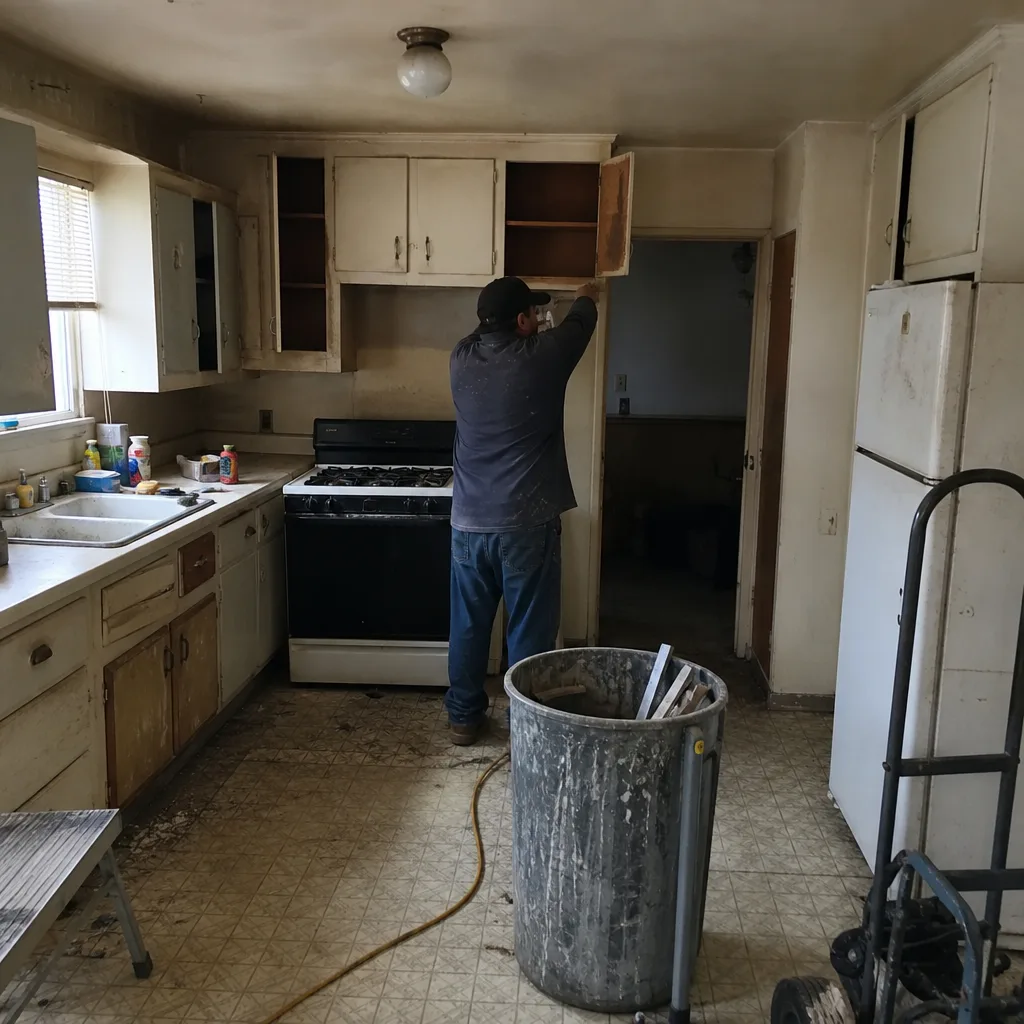 Before
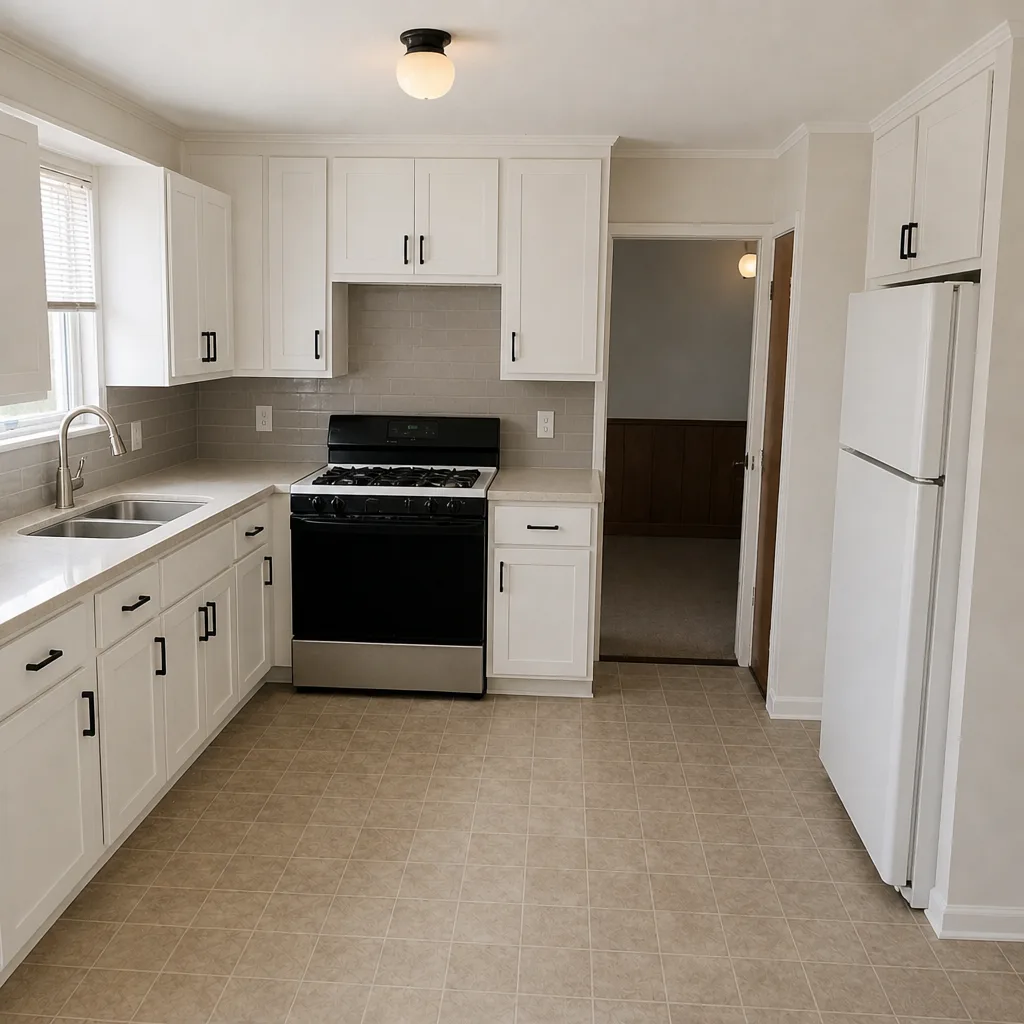 After
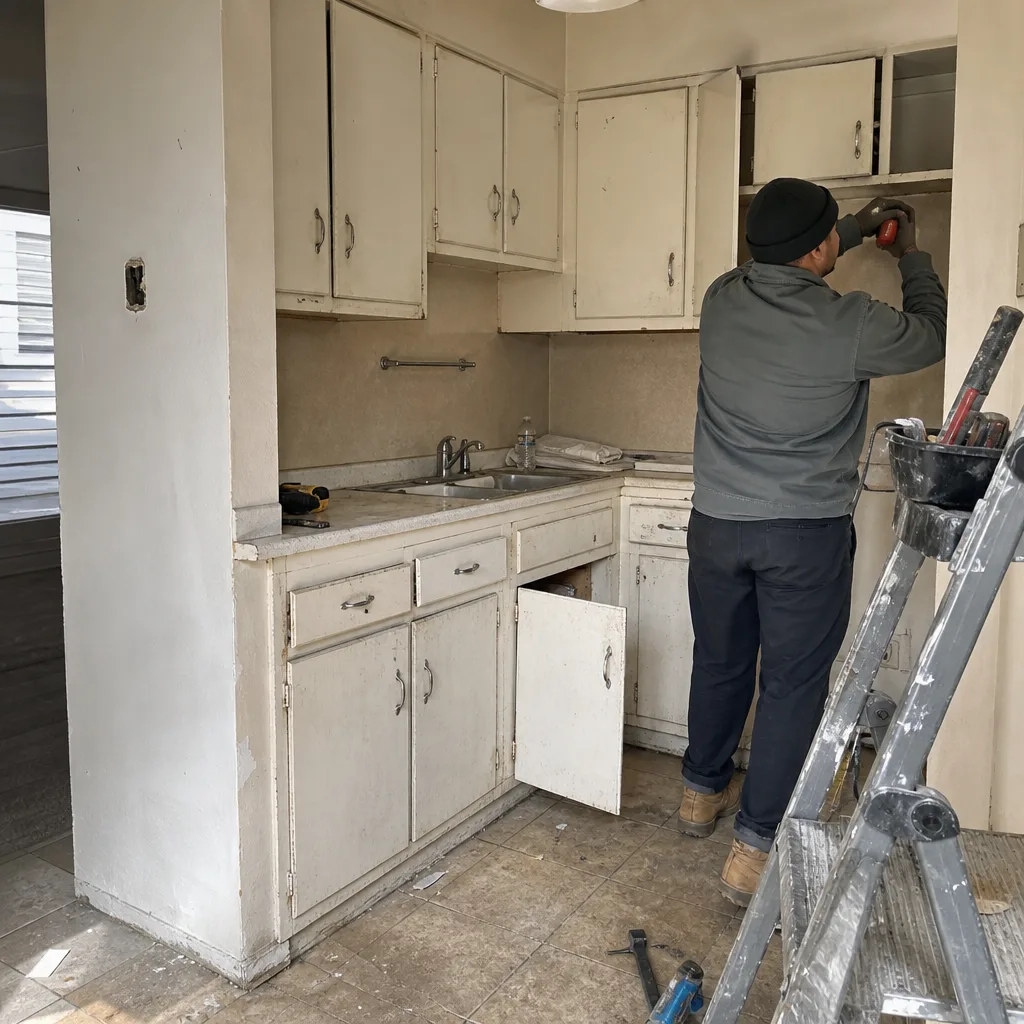 Before
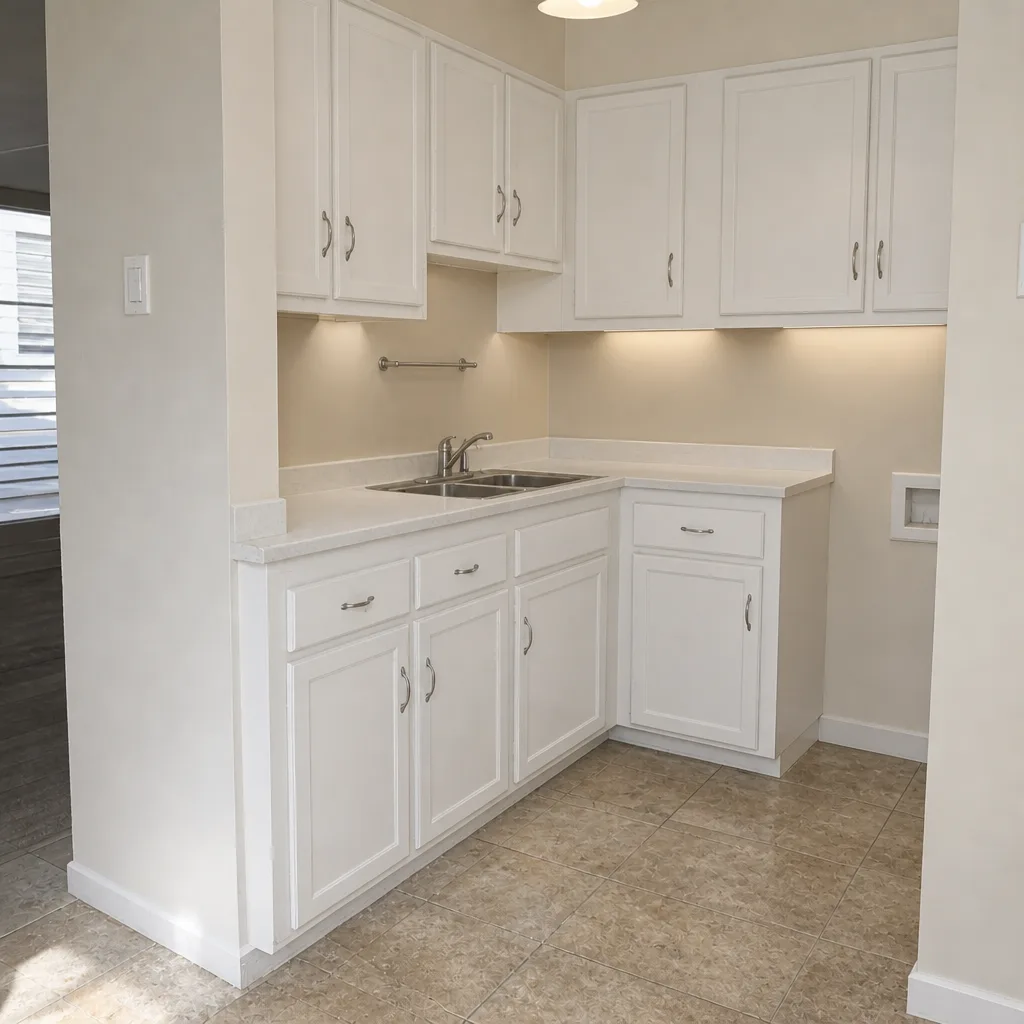 After
Frequently Asked Questions
You can legally replace a light fixture, a switch, or an outlet on an existing circuit in your own home. Anything that involves opening the panel, adding a new circuit, running new wire, or changing service requires a licensed electrician and a permit. The panel is not a beginner job – a mistake there is a fire risk, and it can void your homeowner’s insurance.
Yes, if you’re moving plumbing, gas, electrical, or walls. Cosmetic-only work – new cabinet doors, paint, a countertop swap in kind – does not. The practical test is what’s changing: if the rough-in moves, the permit is required. Call (833) 520-6636 for an estimate on the parts of a kitchen remodel that need a licensed scope.
It’s what happens at resale. A buyer’s inspector finds the work, the lender wants documentation, and the deal reprices by the full cost of the correction plus a discount for risk. On a converted garage or an unpermitted addition, that can add tens of thousands to what you thought you’d saved. The remediation cost almost always runs higher than the original savings.
Stop at the panel, the gas line, the plumbing rough-in, and the structural wall. Below that line – demo, paint, tile, trim, landscaping – DIY is reasonable. Above it, the failure modes are either dangerous or expensive enough that the labor savings are noise next to the downside. If a permit is required, treat that as a signal.
Standard policies exclude faulty workmanship and damage from unpermitted or non-code work. If the work itself fails – a leak, a fire, a collapse – you may be on the hook for the damage and the correction. Check with your carrier before you start on anything substantial, and keep the permit and inspection paperwork if you do get one.
Read the code section for what you’re doing and the inspection checklist your city publishes, then walk your finished work against it item by item. If you can’t confidently say you pass every line, get a second opinion from someone who does this for a living. A short consult is cheaper than a failed inspection and the week it costs to reschedule.
The Bottom Line
The DIY-versus-hire decision in East Los Angeles is a question about liability exposure, not confidence. Cosmetic and demo work is safe to do yourself and saves real money. Work that requires a permit, moves utilities, touches structure, or changes the building envelope belongs with a licensed contractor – not because you can’t learn the motion, but because the failure modes are too expensive and the insurance consequences are too real. Put the savings where the risk is low, keep the permits where they belong, and put the agreement in writing before the first tool comes out.
Call (833) 520-6636 for a free estimate on any work that needs a licensed scope. You’ll get a written price before any work starts, a documented brand spec list (GAF, CertainTeed, Owens Corning, James Hardie, Therma-Tru, KraftMaid, Cambria, Kohler, and more), and the 365-Day Done Right Promise in your hand when the job is squared away.
Written by the team at Bradford Remodeling Co East Los Angeles.