Free written scope consultation - allowances, timeline, and change-order rules on paper before a single trade is scheduled
Quikrete Home Additions & ADU: The East Los Angeles Owner’s Guide
A Quikrete-compatible home addition in East Los Angeles typically runs $53,100 – $153,400 installed, and an ADU built to the same standard lands between $106,200 and $259,600. We build additions and ADUs from concrete up, and we’re an independent contractor, not affiliated with Quikrete. Owners usually find their way here after a foundation-related failure shows up in their addition or ADU: hairline cracks running across a stem wall, a backfilled slab that’s settling and throwing a door off its latch, or a driveway-adjacent ADU pad that’s sunk after a wet winter. Those symptoms are how we start every estimate, because you can’t price a fix without knowing what the concrete is doing underneath.
Key Takeaways
- A Quikrete-compatible addition in East Los Angeles runs $53,100 – $153,400 installed; an ADU runs $106,200 – $259,600.
- We write every price before any work starts, and the 365-Day Done Right Promise covers every completed project.
- Concrete and backfill issues surface late. Our technicians have up to 22 years of experience reading them.
Which Quikrete Models This Applies To
Quikrete is a material brand, not a single model, so “compatibility” means matching the product line to the job. The lines that matter on additions and ADUs are the concrete mixes (high-strength structural mixes, crack-resistant and fast-setting formulas), the mortars and masonry repair products, and the joint sealants and grout products used at seams and slabs. This page applies to any addition or ADU that was built with Quikrete-brand concrete, mortar or sealant. If you’ve got a bag in the garage with a product code on the side, that code tells us exactly which formula went in.
Here’s the field reality: the bag label matters less than how the mix was poured, cured and jointed. A structural mix poured in a cold month without proper curing protection will fail differently than the same product poured in summer. When we inspect, we look at three things: mix grade, pour conditions, and whether control joints were cut at the correct spacing for East Los Angeles soil conditions. That’s where most failures trace back to, not the material itself.
On OEM vs aftermarket: for the structural concrete itself there is no “aftermarket” in the usual sense. What you’re choosing is the specification line – a high-strength mix versus a standard one – and that choice gets documented in your written scope. Where an equivalent gets interesting is in sealants, joint compounds and surface-repair products, where a quality non-Quikrete product may be a legitimate substitute if it meets the same spec. We recommend based on what the substrate can actually take, and we put the recommendation in writing so it’s traceable.
Styles & brands we work with
- Kitchen remodeling
- Bathroom remodeling
- Home additions & ADU
- Roofing
- Windows & doors
- Driveway & pavers
- Fence
Signs Your Quikrete Home Additions & ADU Is Failing
- Hairline cracks across a stem wall or slab edge. These usually mean shrinkage or settlement, not a mix failure. A single crack is often cosmetic; a web of them pointing toward a corner is worth a look.
- Doors that won’t latch or floors that feel springy near an exterior wall. This is the classic sign of a slab that’s moving under the addition. The framing isn’t the problem – the concrete underneath it is.
- Water pooling against the foundation after rain. East Los Angeles soil doesn’t drain evenly, and a bad slope at a pour seam sends water straight to the footing. Pooling is the early warning, not the finish line.
- Crumbling mortar or sealant that’s pulled away at seams. Mortar and joint sealant are the first things to go in a wet-dry cycle climate. Failing sealant is cheap to fix now and expensive to fix after water’s been in.
- A pad or slab that’s dropped away from the structure, leaving a step. Backfill compacted too fast settles within the first year or two. This is the repair that gets more expensive the longer it sits.
See the difference
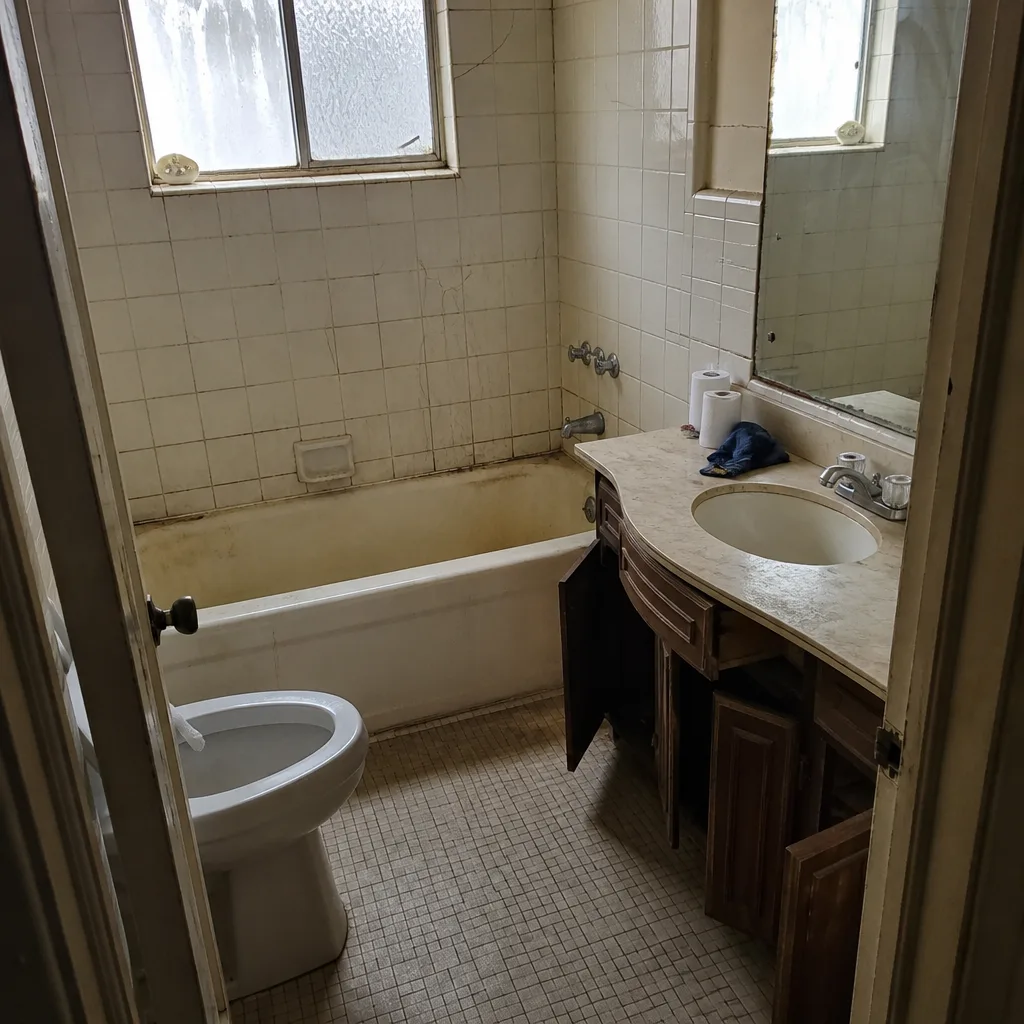 Before
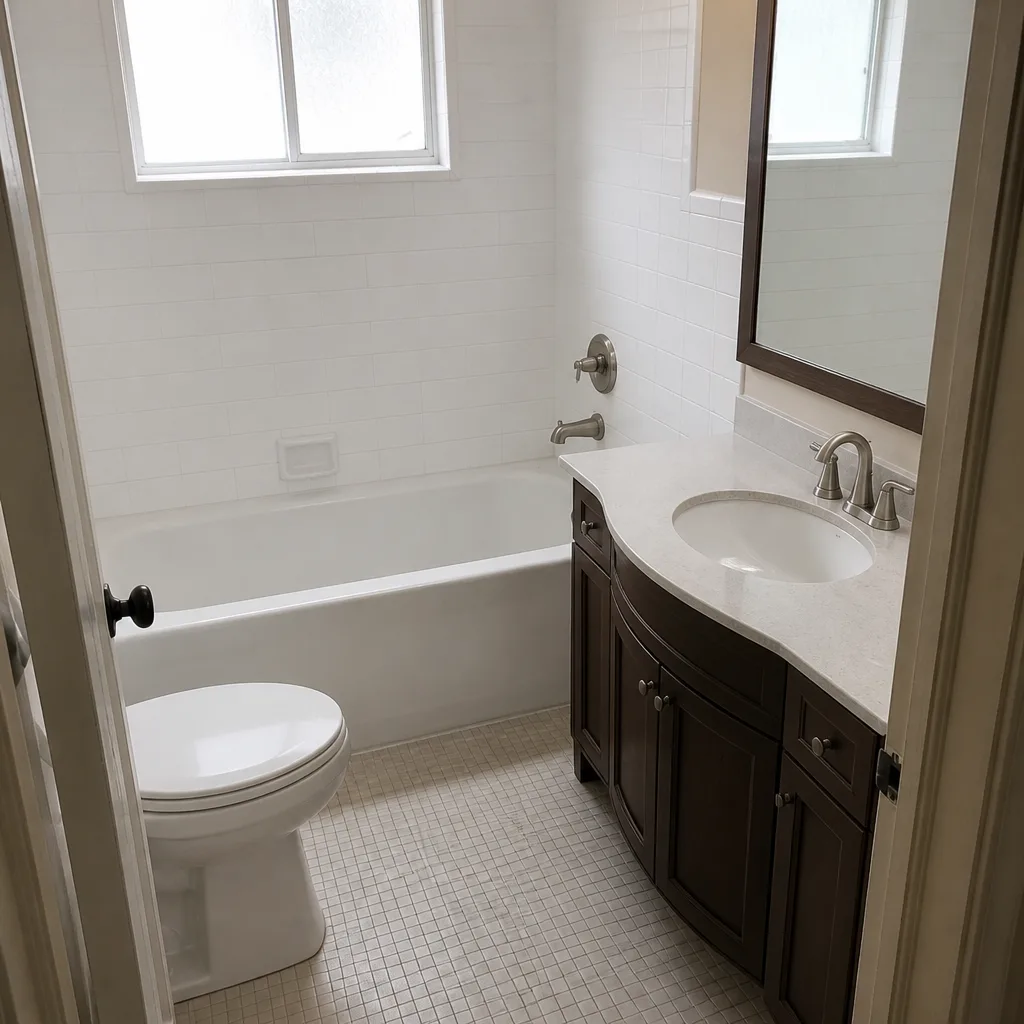 After
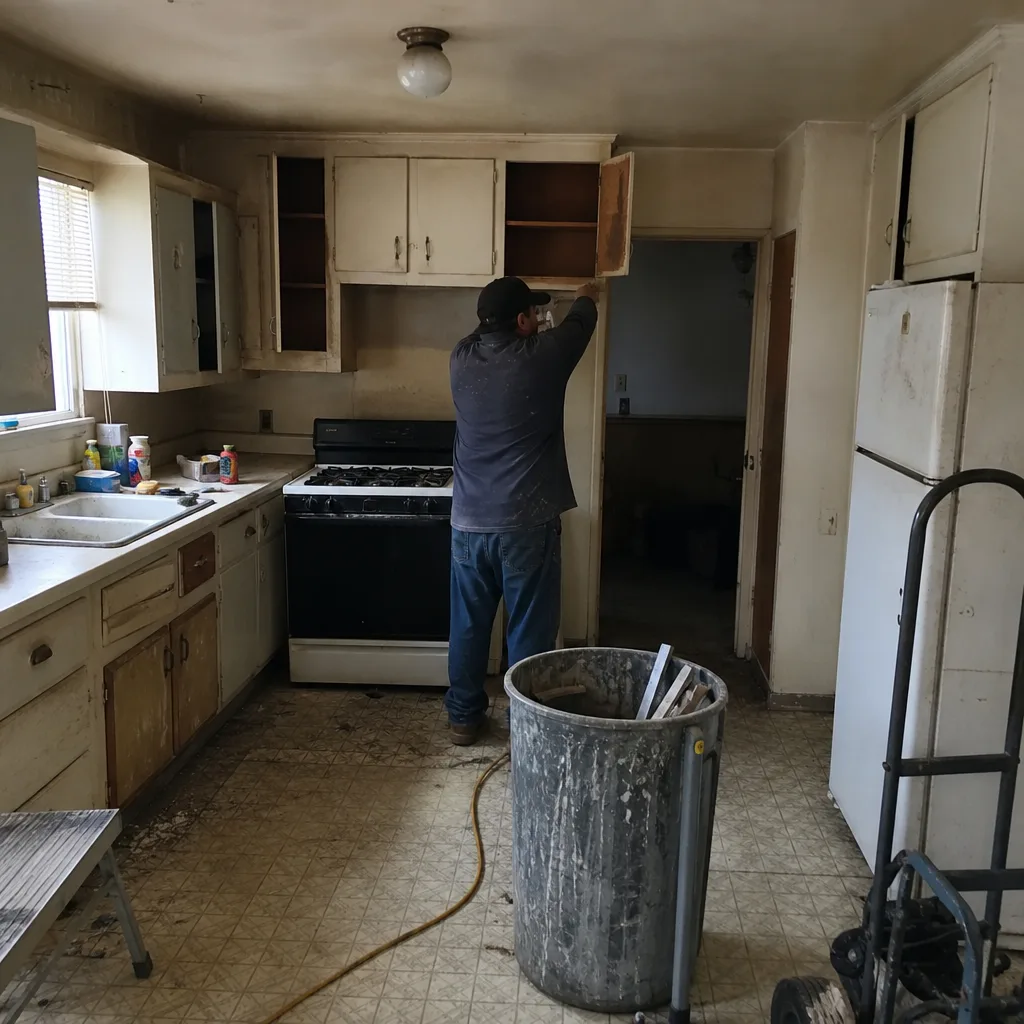 Before
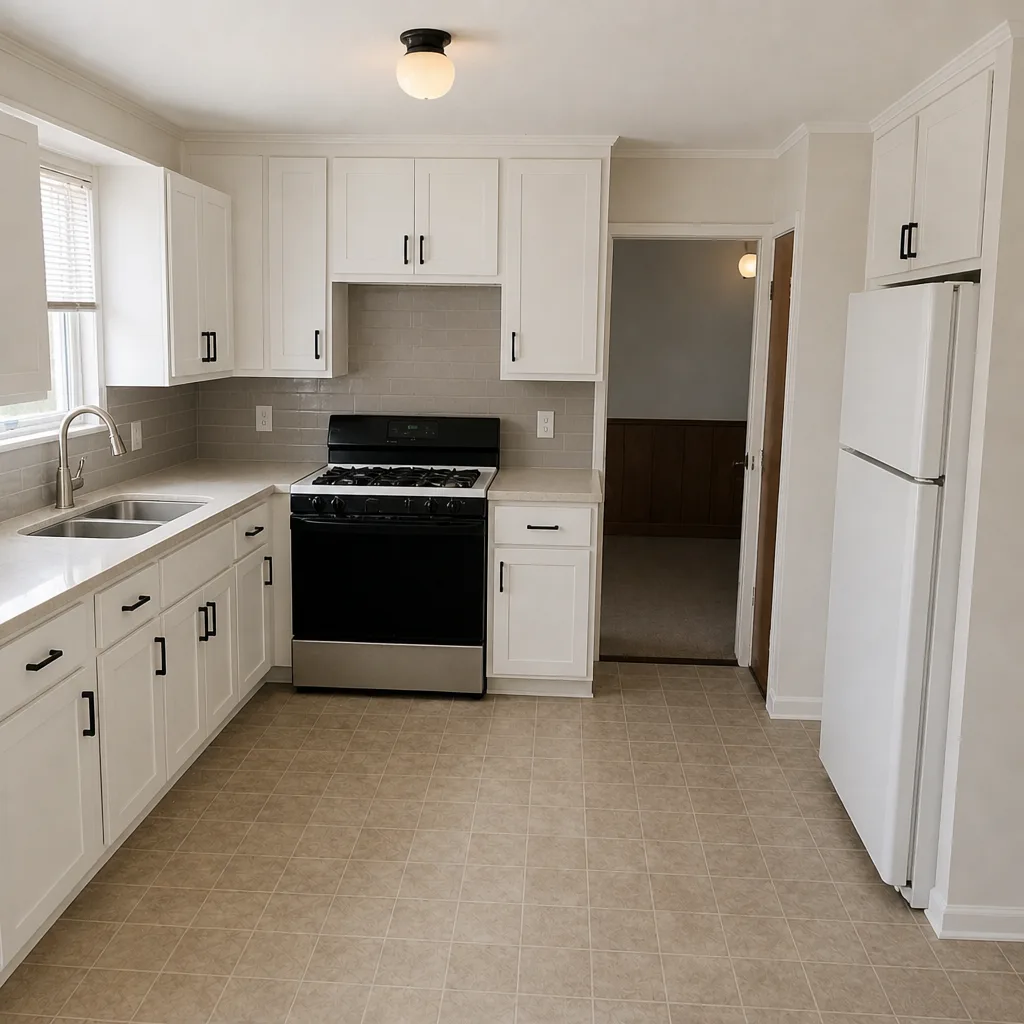 After
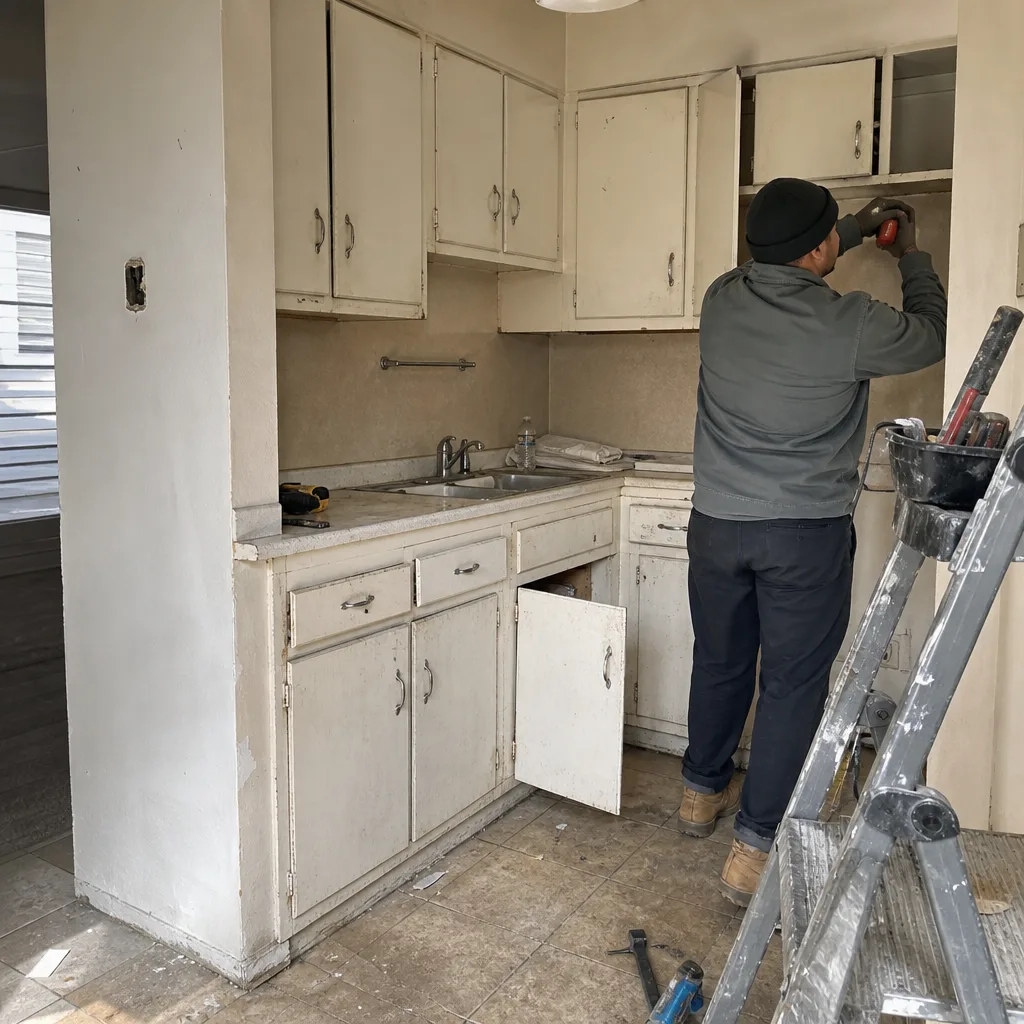 Before
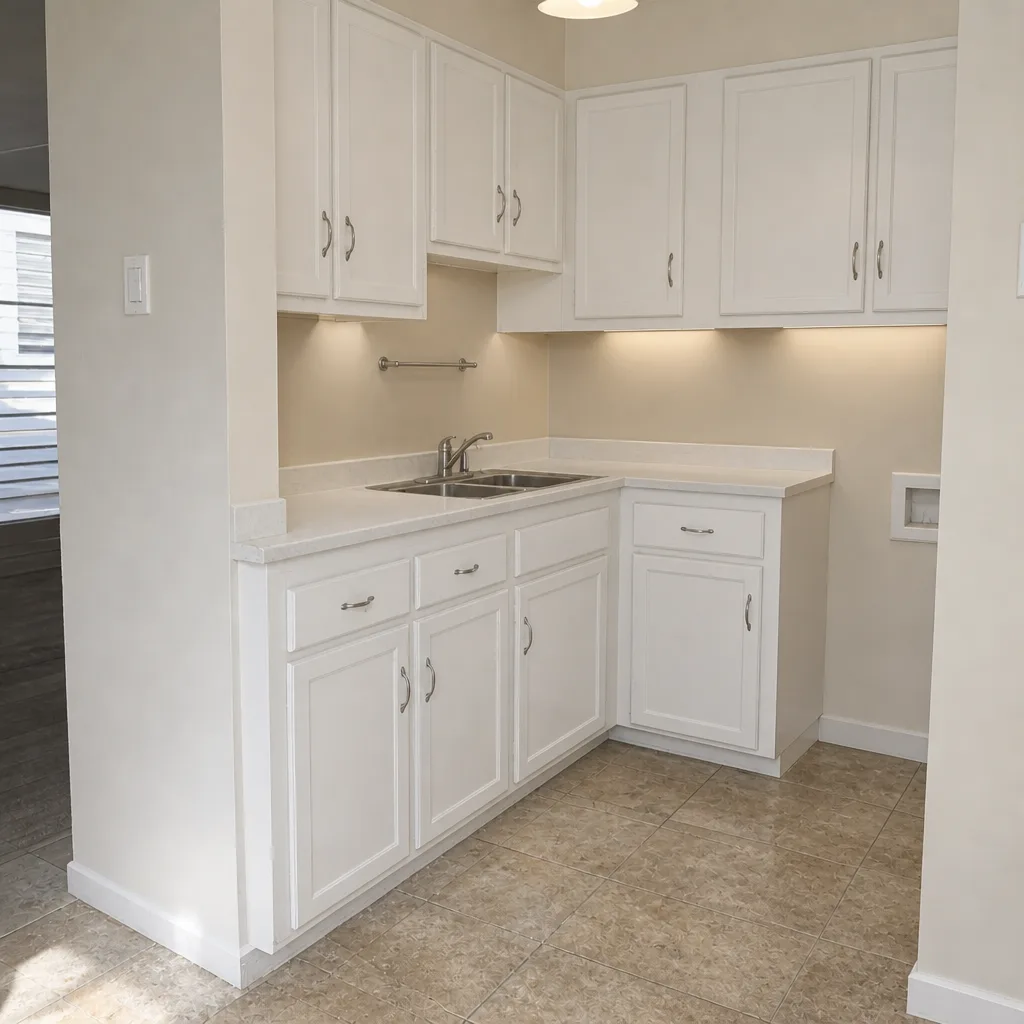 After
Replacement Cost & What’s Included
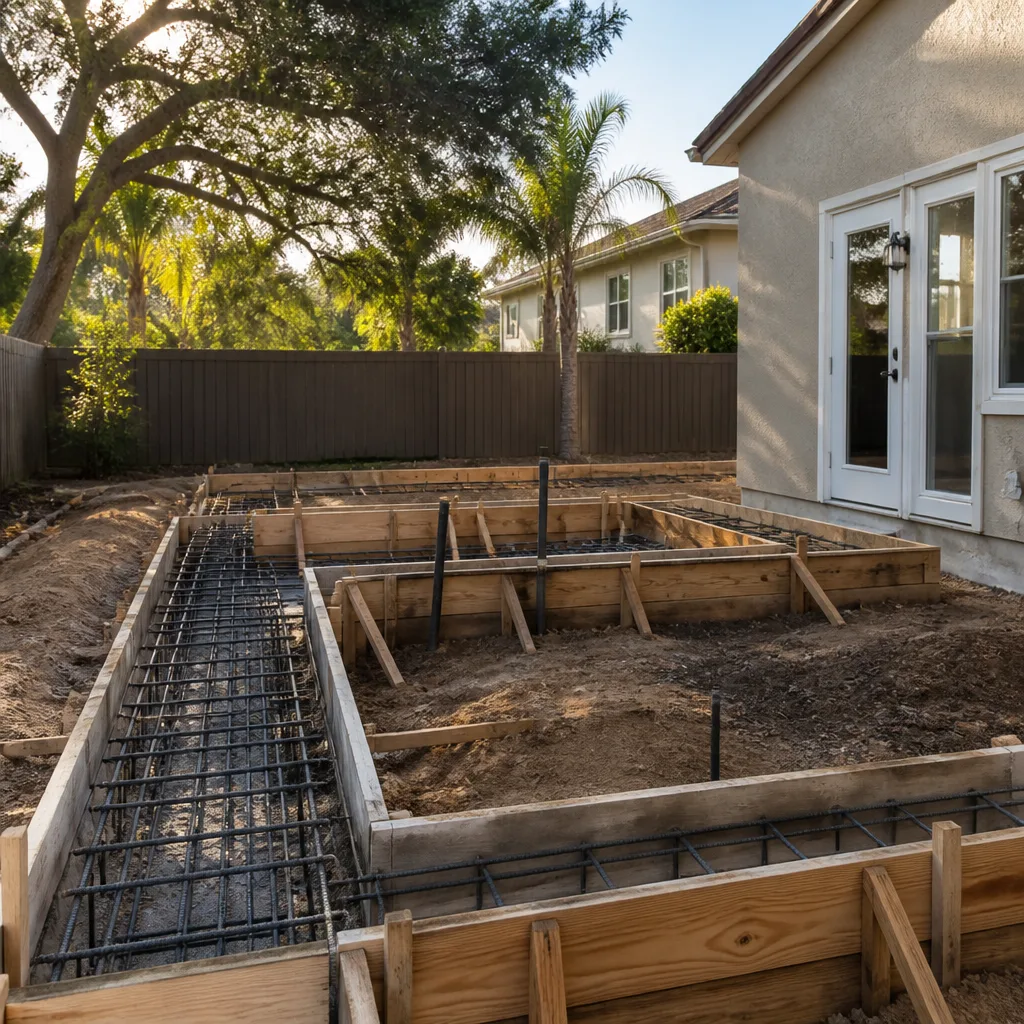
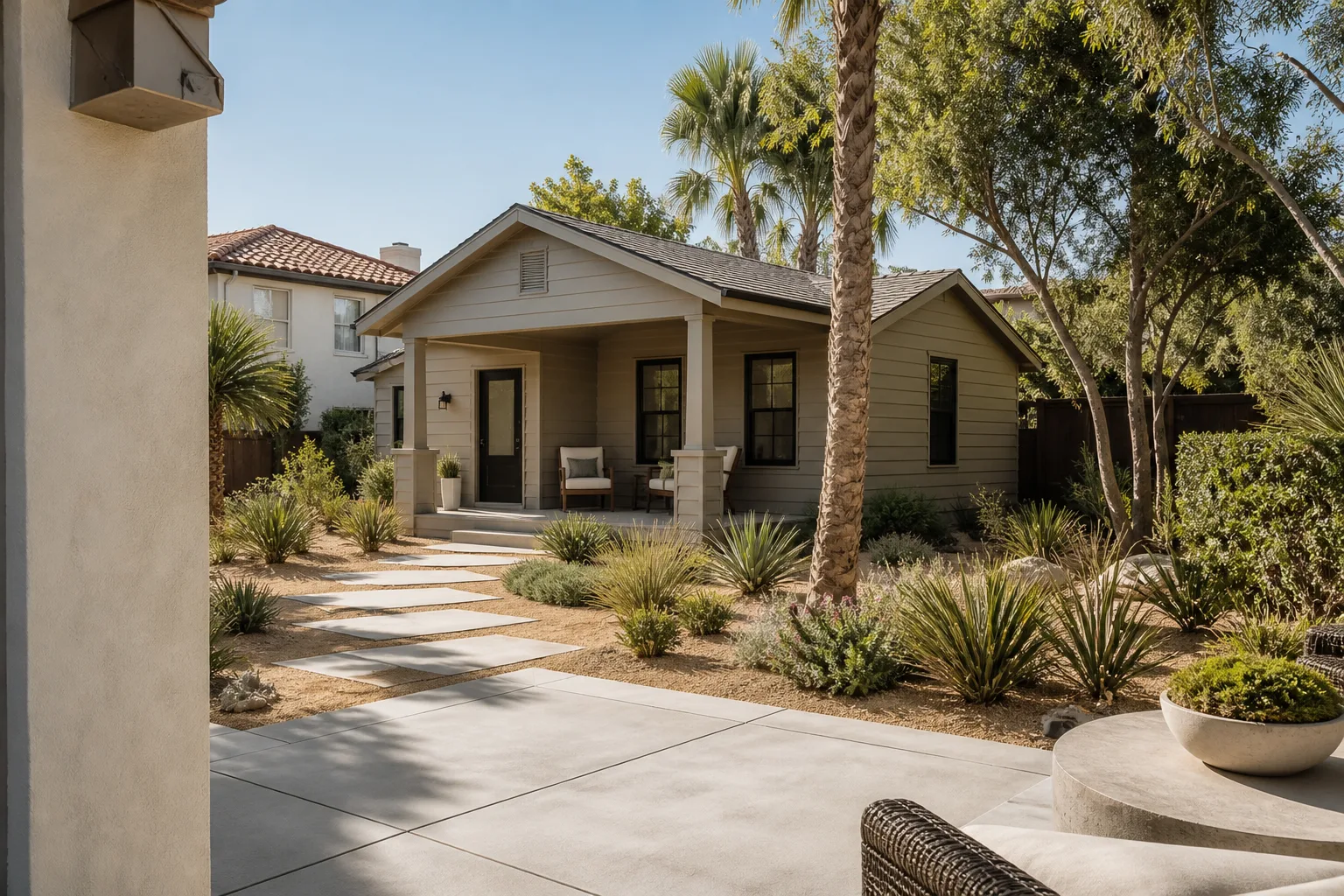
Installed pricing for East Los Angeles runs $53,100 – $153,400 for a home addition and $106,200 – $259,600 for an ADU. A garage conversion sits between the two at $35,400 – $94,400. The range is driven by footprint, foundation scope, number of openings, and whether we’re building over existing concrete or starting fresh. Permit scope drives the number too – an ADU that needs its own utility rough-in is a different job than a bump-out.
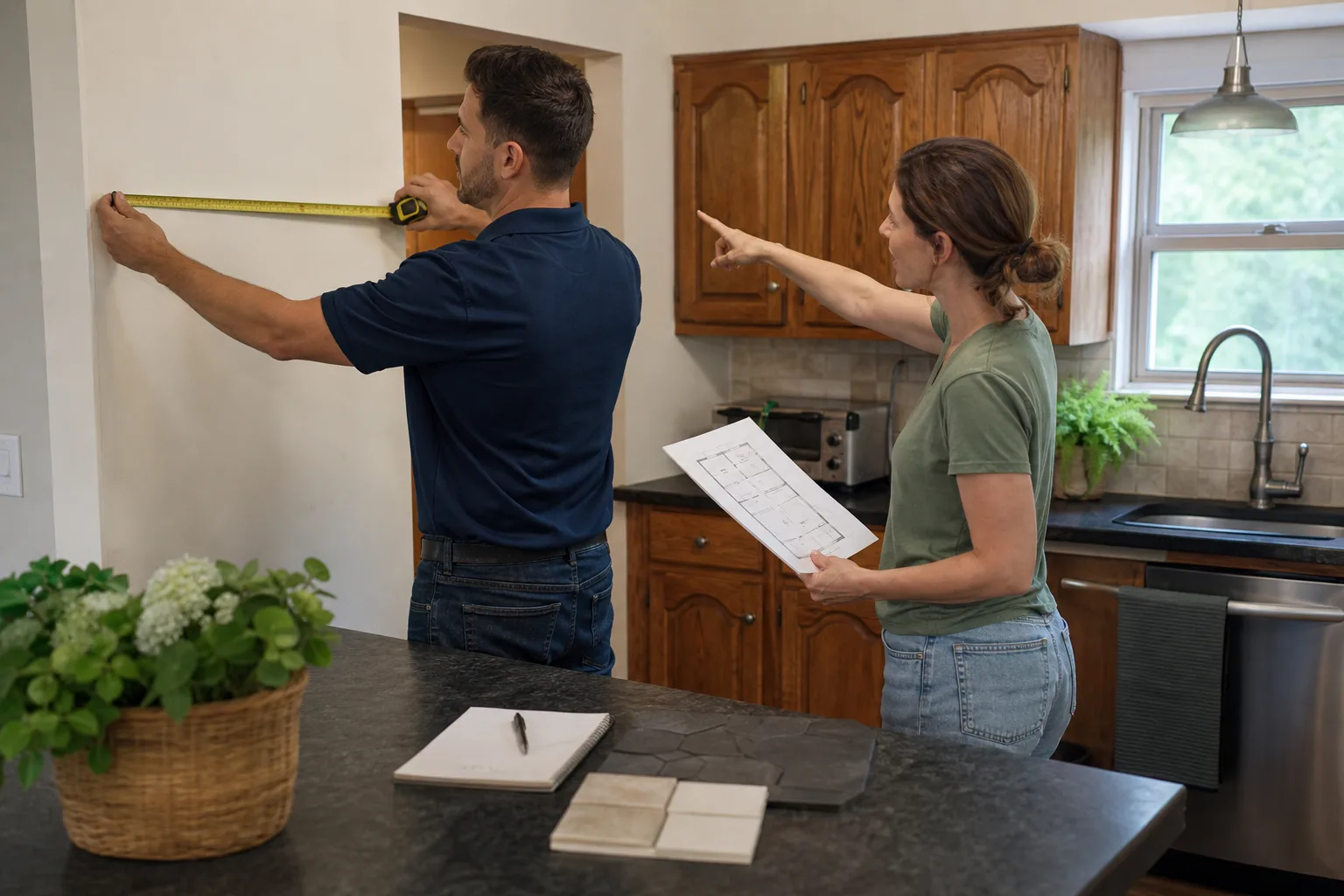
Every price we give is written before any work starts, broken line by line, with no numbers that move at the door. Our technicians have up to 22 years of experience, and the 365-Day Done Right Promise means if the work fails inside that window, we come back and correct it at no charge. The estimate is free – call (833) 520-6636 and we’ll price it honestly.
DIY or Call Us?
Checking is fine. Digging into a foundation is not. What you can do safely: photograph cracks with a coin for scale, note whether a door is binding or a slab has a visible step, and check that gutters and grading carry water away from the addition. What you should not do: attempt to patch structural concrete at a footing, re-pour a slab over backfill, or run electrical into an addition yourself. Concrete and structural work done wrong is invisible until it costs you the room.
If you’re seeing multiple symptoms, call us. The fix gets more expensive the longer it sits, and we’ll tell you honestly whether it needs work now or can wait a season. Reach us at (833) 520-6636. Live person, every time.
FAQs
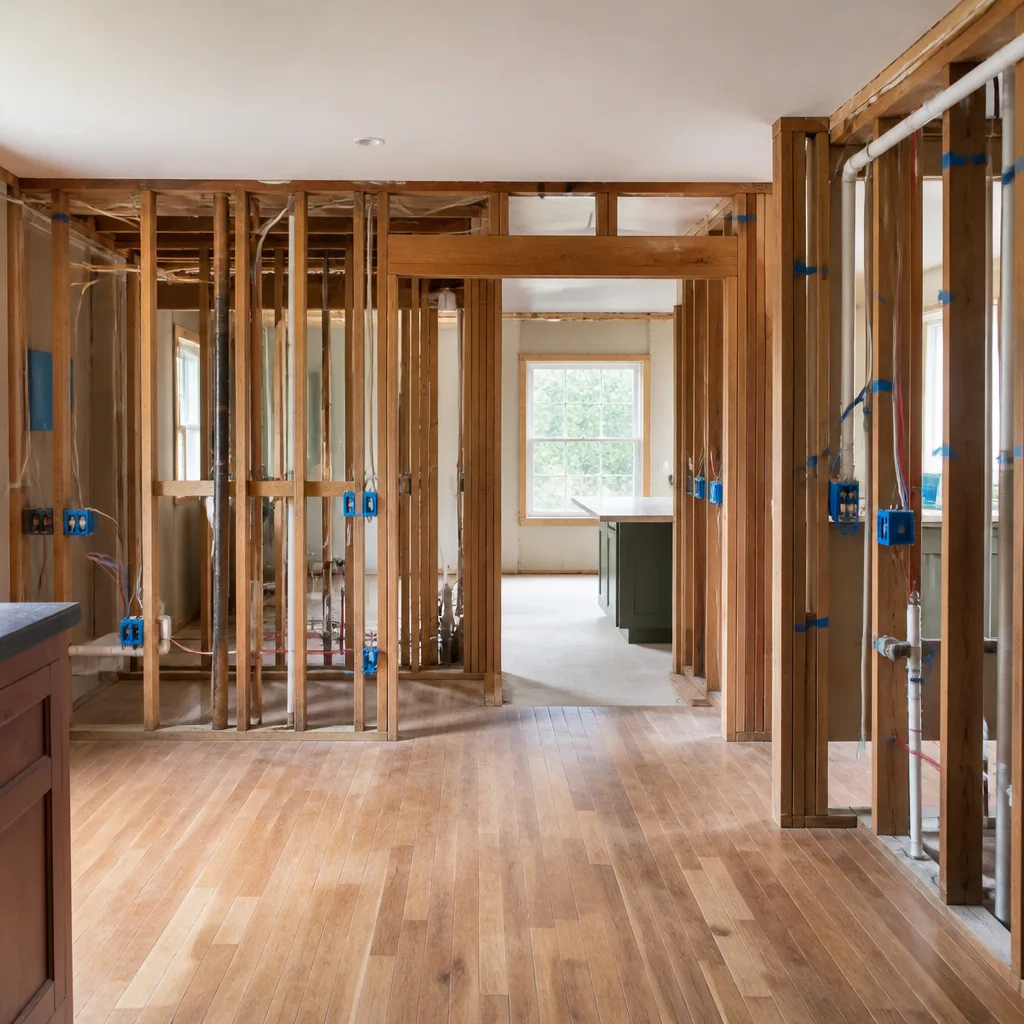
A well-built concrete foundation with proper drainage should hold 50 years or more in our climate; the material isn’t usually the limit, drainage and joint maintenance are. The sealant and mortar seams are what need checking every few years. If your seams or slab movement are past the point of a patch, call (833) 520-6636 for a free estimate.
Often, yes. A single shrinkage crack is cosmetic and patchable. A settled slab with a step or a door that won’t latch usually needs more than a patch, but the exact call depends on what’s under it. We inspect before we quote, and we say plainly whether repair or replacement is the honest answer. Call (833) 520-6636 to schedule that inspection.
A home addition in East Los Angeles typically runs weeks to a few months depending on footprint and permit speed; an ADU can run longer because of separate utility rough-in. We give you the full schedule in the written scope before any work starts, not after the permit comes through. Call (833) 520-6636 for a scoped timeline.
We specify from a documented roster of manufacturer products and put the exact specification in your written scope so it’s traceable; for kitchen and bath work inside an addition that includes KraftMaid, Cambria and Silestone. You know what’s going in before anything comes off a truck. Call (833) 520-6636 for the full spec sheet on your project.
Whether it’s We build additions and ADUs and place the same discipline on your job from inspection through close – clean site, documented scope, signed written guarantee in your hand at close. Call us at (833) 520-6636 for a free estimate.
Written by the team at Bradford Remodeling Co East Los Angeles, serving East Los Angeles and nearby areas.