Last updated November 17, 2026


Free written scope consultation - allowances, timeline, and change-order rules on paper before a single trade is scheduled
General Contractor Maintenance Checklist for East Los Angeles Homeowners
A cracked stucco weep screed in East Los Angeles isn’t a cosmetic issue. It’s a moisture intrusion point. In a home built before 1978 with no vapor barrier under the stucco, water that gets past that crack can rot a sill plate in under two years, and you may never see a stain on the inside wall until the repair has grown from a patch job into framing work. Most maintenance checklists floating around the internet are written for generic suburbs with vinyl siding and a full basement. East Los Angeles doesn’t look like that. This guide is organized by trade rather than by season, because here the timing triggers are different: dry Santa Ana wind weeks, then sudden rain, then heat again. Read on for the sequence we use to inspect older East Los Angeles housing stock, the failure patterns that repeat block after block, and the items that protect your insurance claim if something goes wrong.
Quick Answer
East Los Angeles homeowners with pre-1980 housing stock should inspect five systems in this order: roofing and flashing, stucco envelope and weep screeds, drain lines, water heater strapping, and structural framing at grade. The single most urgent item on most East Los Angeles properties is stucco water intrusion at cracks and penetrations, because caught early it’s a small patch and caught late it’s a framing repair. Everything else on this checklist matters, but the stucco comes first.
Styles & brands we work with
- Kitchen remodeling
- Bathroom remodeling
- Home additions & ADU
- Roofing
- Windows & doors
- Driveway & pavers
- Fence
Table of Contents
- Why East Los Angeles Homes Fail Differently
- Roofing and Flashing: The Wind-Driven Rain Test
- Stucco Envelope Inspection and Crack Classification
- Cast-Iron and Galvanized Drain Lines: Failure Indicators
- Water Heater Strapping and California Seismic Code
- Electrical and Panel Inspection for Older Homes
- Structural Framing, Foundation, and Grade
- Maintenance Items That Protect Your Insurance Claim
Why East Los Angeles Homes Fail Differently
East Los Angeles is dominated by housing built between the 1920s and the late 1970s: single-story bungalows, Spanish Colonial Revival and Craftsman-influenced homes, and a large share of small stucco multi-family buildings. What they share is a set of materials and methods that aged in predictable ways. Porch piers. Wood-framed floors over crawlspaces. Stucco applied directly over framing without the drainage plane that modern code requires. Cast-iron drain lines under the slab. Galvanized supply piping. And water heaters that were installed before anyone asked whether they were strapped.
The climate here is the second half of the story. East Los Angeles sits in a semi-arid basin that gets long dry spells, dry wind events, then concentrated rain in a short window. That cycle is hard on stucco. It shrinks, checks, cracks, and then that crack takes direct rain during the first big storm of the year. Meanwhile the dry heat ages roofing mastic, sealants, and caulk joints faster than in cooler coastal zones. This is why the checklist below is organized by trade: each system has its own failure timeline in East Los Angeles, and grouping the inspections by system keeps you from skipping one while looking at another.
If you’re going to take one habit away from this guide, make it this: do the stucco and roofing walk-through before the first significant rain of the season, not after. That’s the difference between a $250 repair and a $2,500 one.
Roofing and Flashing: The Wind-Driven Rain Test
Most roofs fail at the edges and penetrations before they fail in the field. On East Los Angeles homes, the places to look with the most attention are:
- Flashing at the chimney and any roof-wall transition. Look for lifted, cracked, or re-mastic’d flashing. Repeated blobs of roof cement over old roof cement mean somebody patched it instead of rebuilding it.
- Valley metal. Debris collects there. Debris holds moisture. Moisture rots the sheathing under it.
- Fascia and soffit. Soft fascia, peeling paint on the soffit, or a line of water staining under the eave all point to water tracking back inside.
- Skylight and vent boots. The rubber boots dry out and split after roughly ten to fifteen years of local sun exposure. Small money to replace, and worth doing before they tear.
- Low-slope roof sections over additions. These are the most common East Los Angeles leak source, because additions are often roofed with a lower-slope system that was never inspected afterward.
What to look for from the ground: lifted shingle tabs, granule loss in the gutters, rusted or missing drip edge, and daylight showing through roof decking from inside the attic. What not to do: walk the roof yourself. Steep-pitch roofing and height work are where serious injuries happen, and a licensed roofer can inspect safely. If your roof is more than twenty years old and you’re seeing multiple problems in different areas, it’s worth pricing a replacement instead of chasing patches.
Stucco Envelope Inspection and Crack Classification
This is the section East Los Angeles homeowners need most. Stucco cracks come in three general classes, and they are not equal:
- Shrinkage cracks. Hairline, common, generally harmless. They usually show up in a roughly even pattern and stay narrow. They still need sealing before rain season, but they don’t indicate movement.
- Settlement cracks. Wider, often running diagonally at a corner of a window or door where the framing meets a solid element. These can range from cosmetic to serious. The question is whether the crack is still moving.
- Structural cracks. Wide, jagged, sometimes offset on one side relative to the other. Cracks that step diagonally from a corner and keep widening. Any crack larger than about an eighth of an inch wide, or one that has visibly grown since last year, warrants a professional inspection.
Below any crack, look for the weep screed, the metal channel at the bottom of the stucco that’s supposed to let moisture escape. On a lot of East Los Angeles pre-1978 construction, either there’s no weep screed at all, it’s buried below grade, or the stucco runs right down to the soil. All three trap water against the bottom plate of the wall. If the stucco touches dirt around the perimeter, that’s your first item to correct.
The other common failure is around penetrations. Window frames, hose bibs, dryer vents, and any electrical box set into the stucco. In our experience, cracks at penetrations cause more hidden damage than cracks in the field of the wall, because water pools against the wood behind the stucco where it never dries. If you’re doing a decorative or structural update anywhere along the envelope, it’s the right time to have a General Contractor in East Los Angeles look at the whole wall system at once rather than patching the one crack you noticed.
Cast-Iron and Galvanized Drain Lines: Failure Indicators
If your East Los Angeles home was built before about 1965, the odds are good that some or all of the drain lines under the slab are cast iron, and the supply lines are galvanized steel. Both have a lifespan, and both fail quietly.
What to watch for without tearing anything apart:
- Recurring slow drains in more than one fixture. One slow sink is a local clog. Slow drains in the tub, toilet, and kitchen sink at once often point to the main line.
- Rust-colored water after a vacation or after the line has been sitting. This is a strong indicator of corrosion inside galvanized supply piping.
- Low water pressure at one or more fixtures that used to be strong. Galvanized lines build up scale from the inside and close off gradually.
- Sewer smell in the yard or a consistently damp patch of soil. Possible break or root intrusion in the lateral line.
- Gurgling after flushing, or backflow into a tub or shower drain. Both are signs the drain line is partially blocked or vented poorly.
What you cannot reliably see from the surface is scale volume or a crack under the slab. That’s what a camera inspection is for. On a cast-iron main line, a camera run is the cheapest form of diagnosis you can buy, and knowing whether your line is fifty percent closed or eighty percent closed changes your plan for the next three years. Any plumbing work here is genuinely a professional job. Do not try to snake or open a drain line by hand as a diagnostic; you can break a fitting you can’t see and turn a small problem into a slab issue.
Water Heater Strapping and California Seismic Code
If your water heater isn’t strapped, it’s a seismic liability, and in some cases an insurance issue. California requires water heaters to be braced, anchored, or strapped to resist falling during an earthquake, and the anchoring must be on the upper and lower third of the tank. Most failures we see are one of three patterns:
- Unstrapped tank. Simplest to spot: look at the tank, and if there are no straps around the upper and lower thirds, it’s not compliant.
- Straps that don’t attach to the wall. Straps with a tank bracket but no wall anchor might as well not exist.
- Straps mounted too high or too low. A single strap across the middle doesn’t meet the requirement and doesn’t prevent the tank from tipping.
You can check the basic condition with a flashlight and five minutes. What you should not do is drill new anchors into the wall behind the tank, relocate the tank, or modify the gas and flue connections yourself. Gas, venting, and seismic anchorage are all trades that need to be done to code, and any gas leak in a closet where the water heater sits is a fire hazard. A licensed plumber or general contractor should handle the anchoring and the gas line inspection together.
Electrical and Panel Inspection for Older Homes
A quick electrical walk-through that a homeowner can do safely, from the outside of the panel:
- Look at the service panel. A fuse box, or a panel labeled “Federal Pacific” or “Zinsco,” is worth having evaluated by a licensed electrician. These panels have known failure modes, and an inspection tells you whether replacement is the practical choice.
- Notice warm outlets or switches. Any outlet that feels warm to the touch, or has scorch marks, is a fire concern. Turn off the circuit and call an electrician.
- Count ungrounded outlets. Many East Los Angeles homes built before the mid-1960s still have two-prong outlets in bedrooms and living rooms. Adding a GFCI is a code-acceptable option in some cases, but a full grounding assessment is worth having when you’re remodeling anyway.
- Watch for tripping breakers. Repeated trips on one circuit with a normal load isn’t a nuisance; it’s a symptom.
Electrical is a hard line. Do not open the panel cover, do not work on the panel or wiring yourself, and don’t open a wall around an outlet to “see what’s going on.” Electrical faults cause fires in older homes, and the diagnosis takes a licensed electrician with a meter and the training to use it. The right time to have an electrician look at the whole panel and the kitchen circuit is during a Kitchen Remodeling in East Los Angeles project, because the walls are open and the incremental cost to bring circuits up to code is small compared to ripping the kitchen open twice.
Structural Framing, Foundation, and Grade
Structural symptoms in East Los Angeles homes usually show up at the edges of things: the corners of rooms, window heads, floor intersections, and where the house meets grade. These are the cues to note in the checklist:
- Doors that stick and then don’t. Consistent sticking suggests framing settling in one direction. Sticking that comes and goes suggests seasonal movement.
- Sloping floors. Put a marble on the floor in a few rooms. On a wood-framed floor over a crawlspace, small slope is normal; a noticeable slope in one direction is worth a professional look.
- Cracks in the interior drywall that mirror exterior stucco cracks. When the crack shows on both sides of the wall, the wall is moving.
- Foundation cracks. Hairline is common. Any crack that’s wide, offset, or horizontal in a pier or stem wall is a professional inspection item.
- Grade and drainage. Look at the slope of the soil around the house. Water should run away from the foundation. If it runs toward the house, or if a planter sits right against the wall, you have water against the foundation every rain.
Structural assessment is another “look, don’t touch” category. A licensed general contractor can identify where movement is happening and whether it needs a repair or just a monitoring plan. Structural repairs done without engineering input are the kind of work that bites you at resale.
Maintenance Items That Protect Your Insurance Claim
This section matters more than people expect. In California, a claim can be reduced or denied if damage is traceable to long-term neglect that a homeowner should reasonably have addressed. The practical fixes are simple and they cost almost nothing:
- Date-stamp your inspection notes. A photo of the stucco crack with the date on it, kept in a folder, demonstrates that you were actively maintaining the property.
- Keep receipts for every repair. Any contractor invoice, roof patching receipt, or plumbing line camera inspection is evidence.
- Keep the roof documentation current. Age of roof, last inspection, and any warranty.
- Log the water heater strapping. A photo of the compliant straps is enough.
- Keep a record of the most recent plumbing inspection. A camera report is short and worth keeping rather than discarding.
The point isn’t to document everything forever. It’s to be able to show a claims adjuster that a leak or breakage was a sudden event, not a slow one you should have caught. For East Los Angeles homes, the items most often connected to insurance friction are roof leaks and stucco intrusion, because both create water damage that could have started months earlier.
Common Mistakes to Avoid
- Treating stucco cracks as paint problems. Caulking a structural crack and painting over it traps water on the wrong side of the wall. The crack has to be classified before it’s filled.
- Skipping the weep screed check. If the stucco runs into soil around your East Los Angeles home, every rainy season is pushing water up into the wall cavity, and nothing you do inside the house will fix it.
- Assuming cast iron is fine because it still drains. A cast-iron line can look normal from the drain side and still be close to failing under the slab. If you haven’t had a camera run in ten years, it’s worth pricing one into the next project.
- Storing anything against the water heater. Whether it’s strapped or not, a tank that falls during a seismic event takes whatever is next to it. Keep the space clear and keep the gas shutoff accessible.
- Patching one roof leak and calling it done. On an older roof, the leaks almost always come in pairs. When you find one, do a full perimeter and flashing inspection.
- Ignoring interior cracks at window and door heads. Those corners take the most stress. A hairline crack is fine to watch; a widening one isn’t.
- Doing electrical “small fixes” yourself. Moving an outlet or adding a circuit inside a wall is a licensed-electrician job. The savings evaporate if the fix fails inspection later.
See the difference
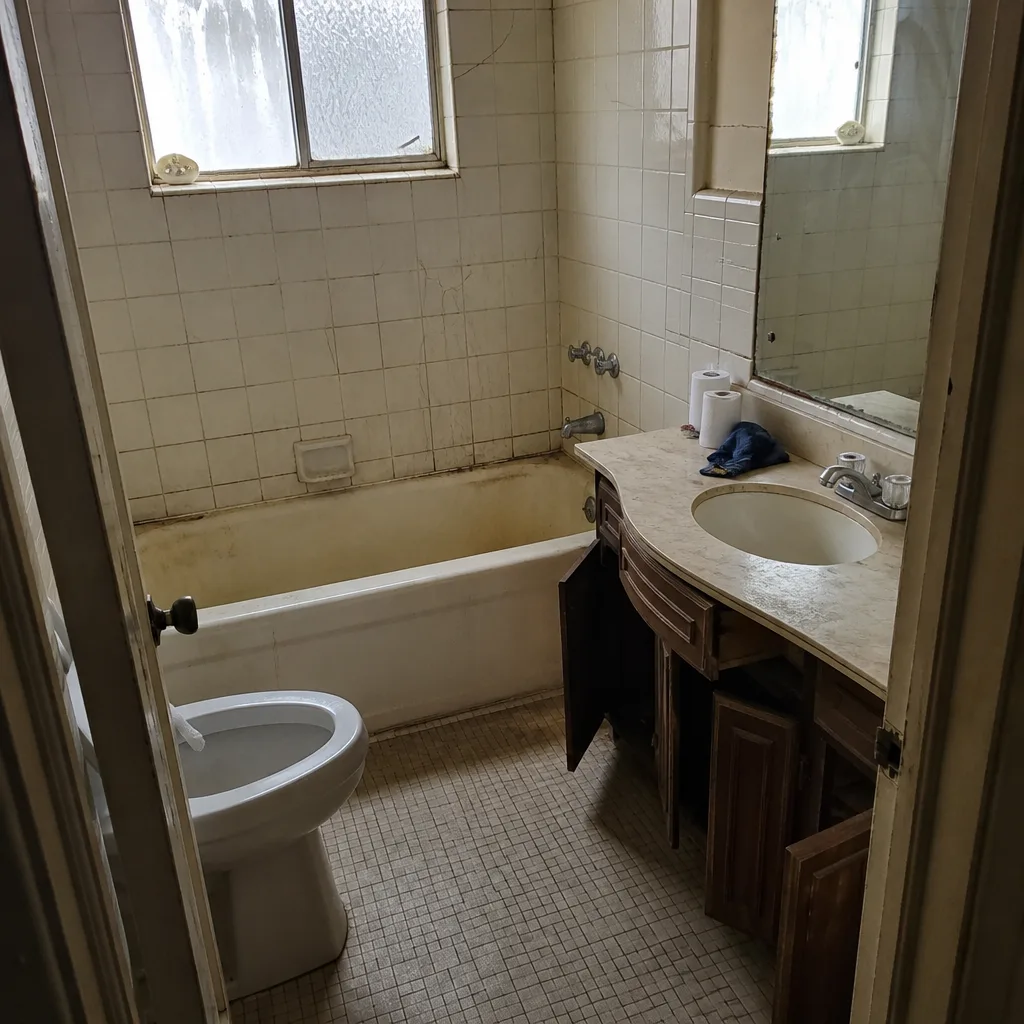 Before
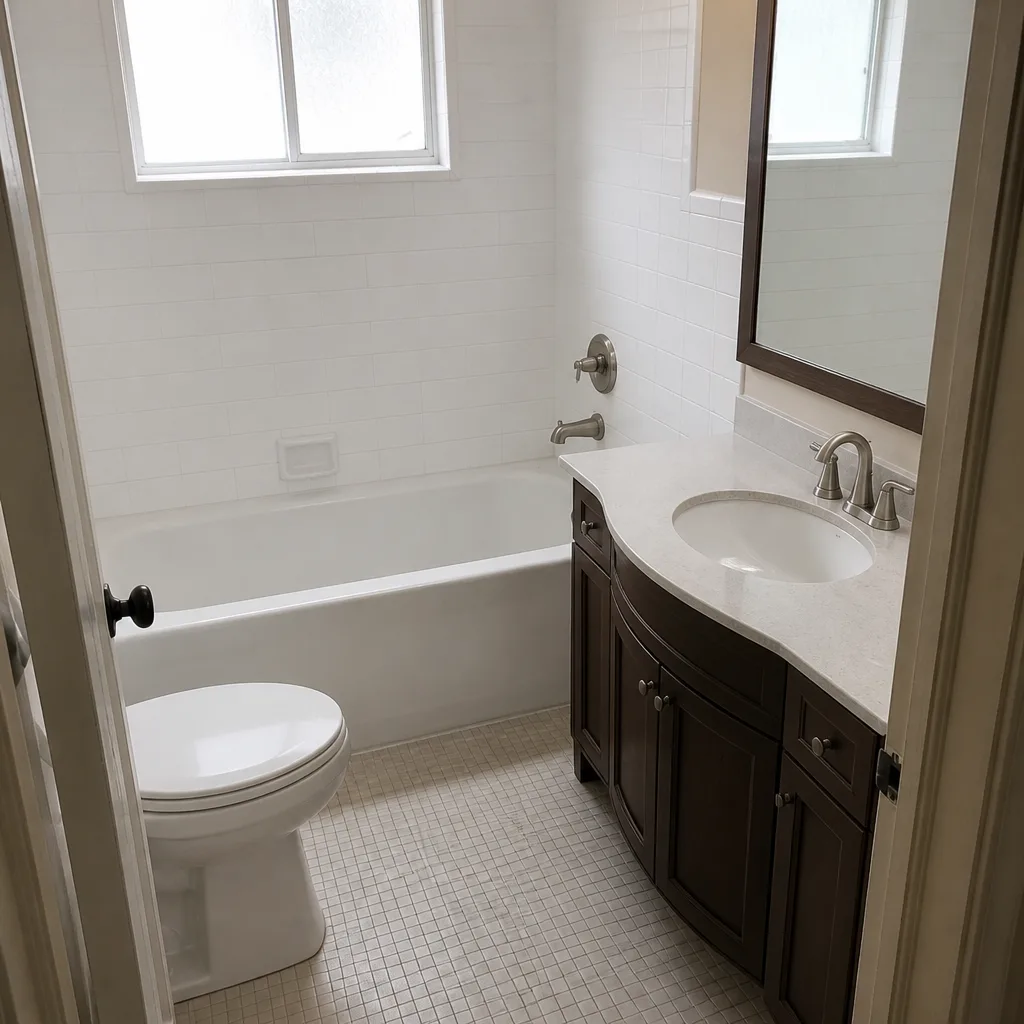 After
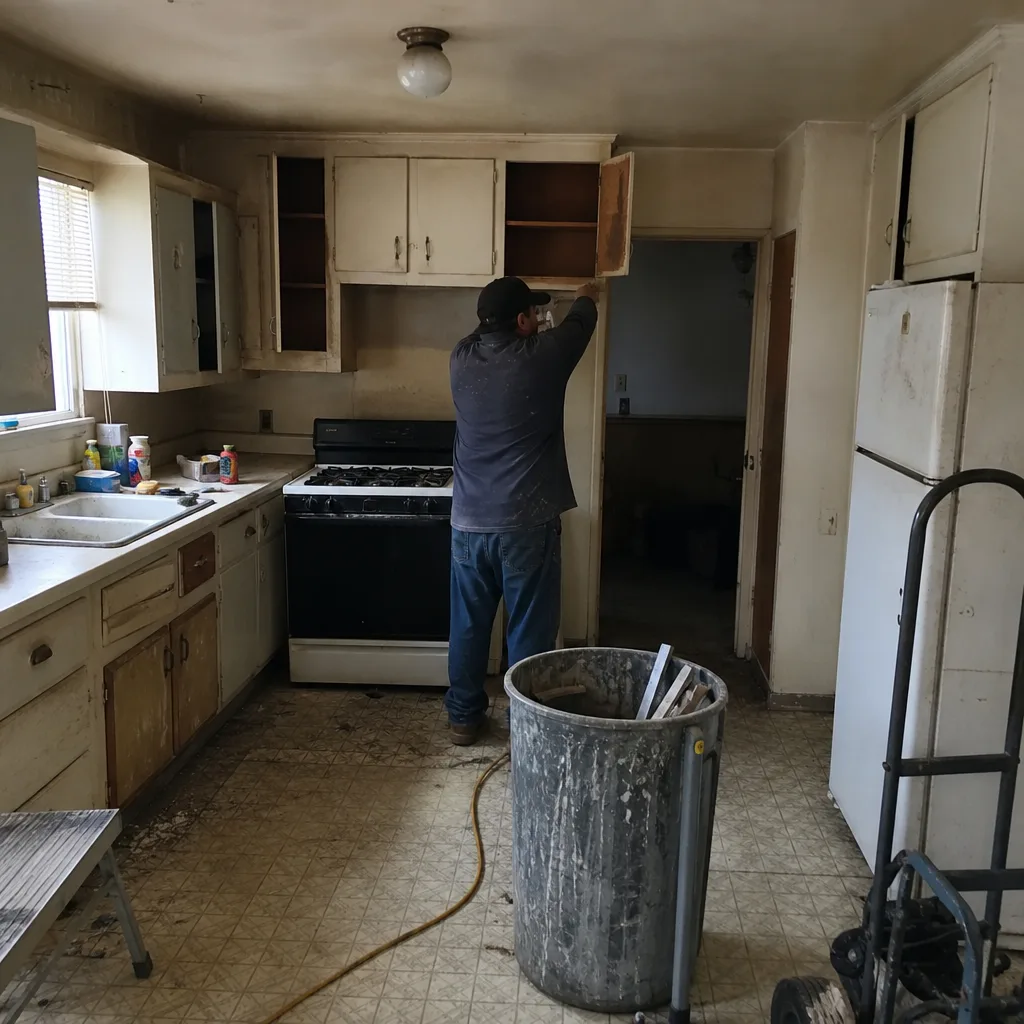 Before
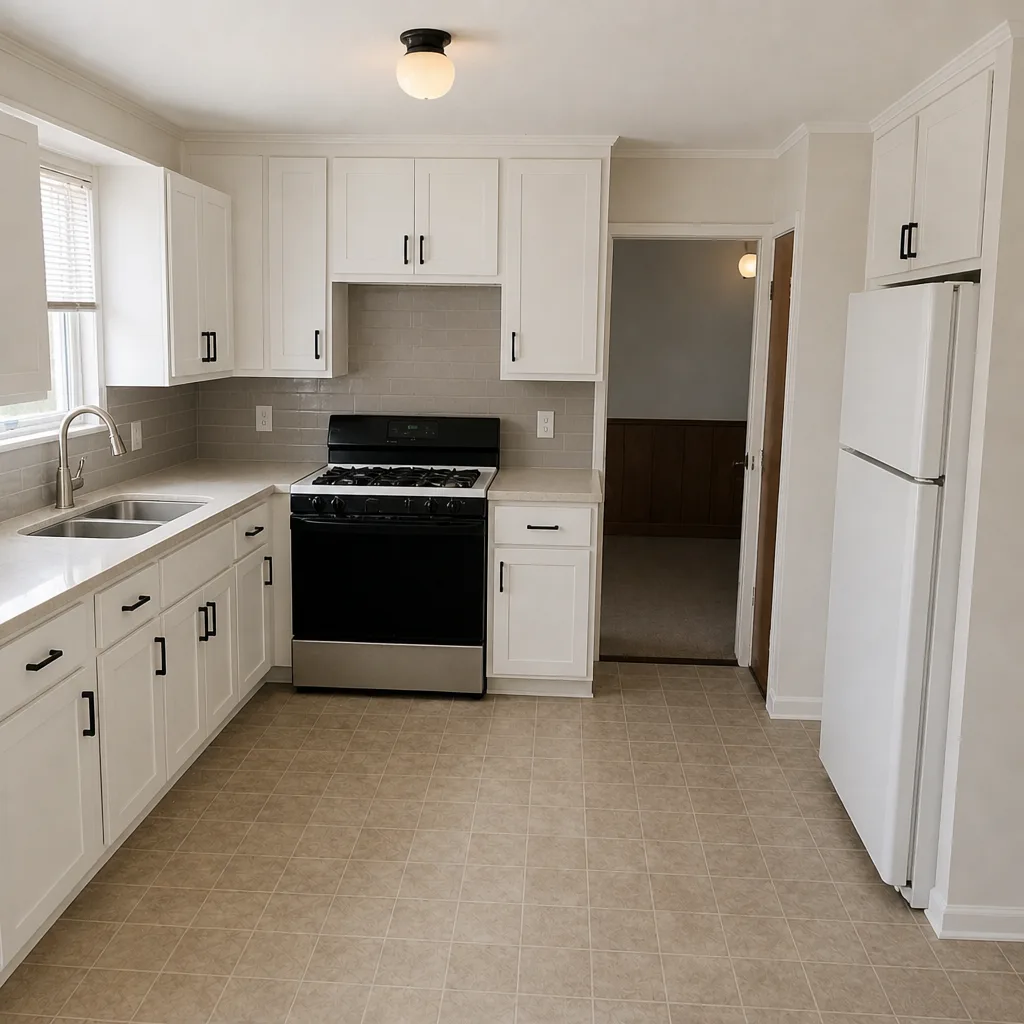 After
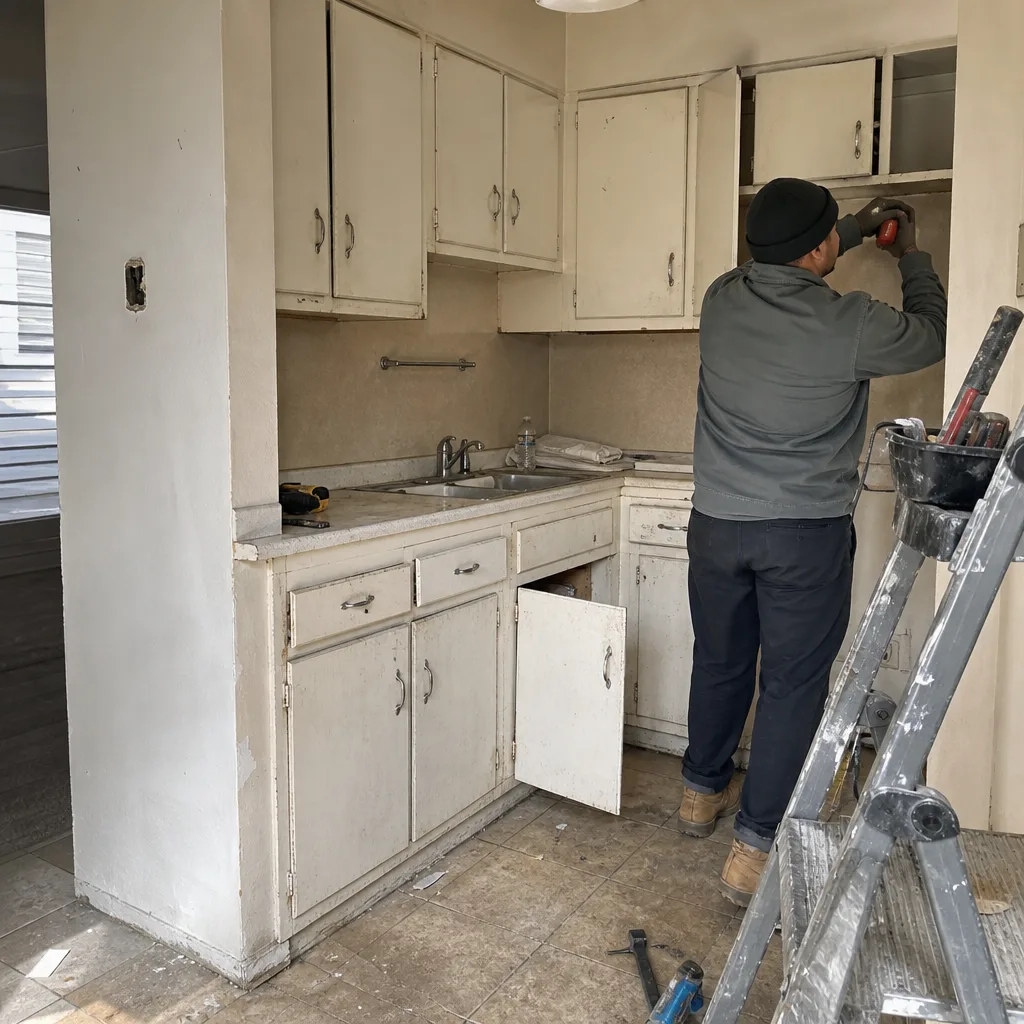 Before
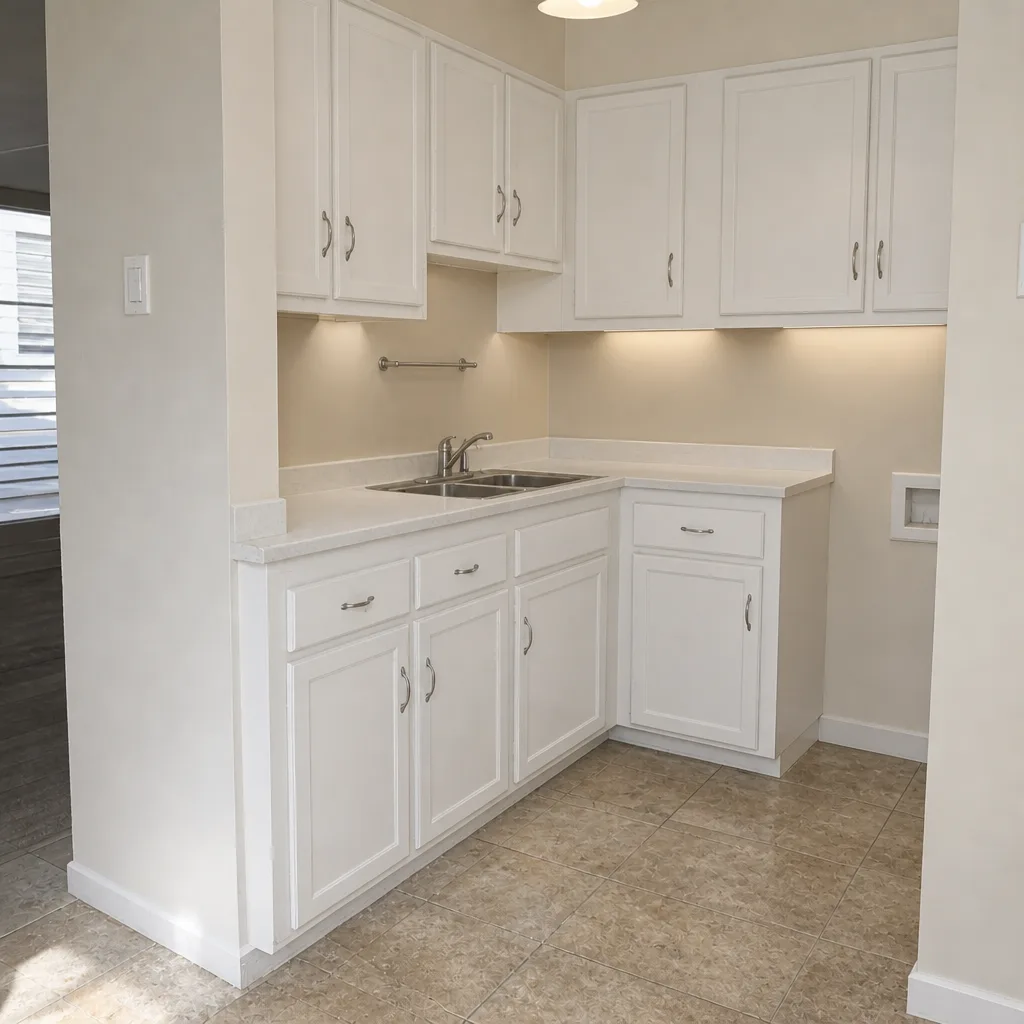 After
When to Call a Professional
Call a licensed professional when the item on the checklist is a hazard rather than a project. Stucco cracks wider than an eighth of an inch or that have grown since the last inspection. Any electrical issue at the panel. Any gas line, water heater relocating, or unstrapped tank. Roof inspection on a steep-pitch roof. Any structural crack that shows on both sides of a wall, or a floor that visibly slopes. Any plumbing line with multiple slow drains or rust-colored water at multiple fixtures. And any time you’re planning a remodel or a garage conversion, so the maintenance repairs and the new work can be sequenced together under one permit rather than opened twice. When that project is a bathroom, the standard is the same as a kitchen: Bathroom Remodeling in East Los Angeles is a professional scope, and the plumbing and electrical behind the tile are where the code lives. Bradford Remodeling Co East Los Angeles offers free estimates in East Los Angeles – call (833) 520-6636. A written price before work begins, every time, and a live person on the phone whenever you call.
Frequently Asked Questions
A single hairline stucco crack repair typically runs about $150 to $400 in East Los Angeles, depending on access and height. Repairs that involve re-forming the weep screed or replacing rotted wood behind the stucco can run $600 to $2,500 or more, because the repair extends into framing. Call (833) 520-6636 for an exact quote – estimates are free.
A roof needs replacement rather than repair when it’s more than twenty years old with multiple leak areas, has widespread granule loss, or shows lifted and curling shingles across more than one slope. A roof with one isolated leak and good shingles is generally a flashing repair. Call (833) 520-6636 and we’ll inspect and give you a written scope either way.
Yes. California seismic code requires water heaters to be braced, anchored, or strapped at the upper and lower third of the tank, and the straps must attach to a structural element. If your tank has no straps or only one, it’s not compliant. Call (833) 520-6636 to have it inspected and corrected – gas work around a water heater should be done by a licensed professional.
If you have cast-iron drain lines and don’t know their condition, one camera inspection is worth doing now. After that, an inspection every five years, or any time you notice recurring slow drains or sewer odors, is a reasonable maintenance cadence. Call (833) 520-6636 to schedule an inspection alongside any other work you’re planning.
Most California policies cover sudden water damage and exclude long-term seepage or repeated leaks you should have addressed. That’s why dated inspection notes and repair receipts matter: they show damage was sudden rather than neglected. Call (833) 520-6636 if you’re dealing with a leak and want an inspection to establish what caused it.
We take on general contracting work that includes the repairs described in this checklist when they’re part of a larger project – kitchen, bathroom, or whole-home – where the framing, plumbing, or electrical behind the wall needs repair before the new finish goes in. Estimates are free and the written price is provided before any work starts. Call (833) 520-6636.
The Bottom Line
East Los Angeles homeowners get more out of a maintenance checklist organized by trade than one organized by season. Stucco and roofing come first, because the failure timeline here is driven by dry-wind exposure followed by concentrated rain, and because the wall has to stay sealed before anything else matters. Plumbing and water heater work are next: cast-iron lines, galvanized supply lines, and unstrapped water heaters are the liabilities that age behind the wall and under the floor. Electrical and structural items are the ones to log rather than fix yourself. Keep dated notes and receipts, and the insurance claim question takes care of itself. We do this work every week in East Los Angeles homes, and the pattern is consistent: the small repairs done early are the ones that never become big ones. If you want a professional walk-through before you start, that’s a good time to look at the Bradford Remodeling Co East Los Angeles home page and see how we run an estimate.
Bradford Remodeling Co East Los Angeles is a member of the Garrison Partners family and operates under The Garrison Standard. Every project starts with a written price before work begins, and every completed job carries the 365-Day Done Right Promise – written guarantee, and if the work doesn’t hold within that period, we come back and correct it at no charge. Our technicians have up to 22 years of experience, and a live person answers the phone every day of the week. Call (833) 520-6636 for a free estimate.
Written by the team at Bradford Remodeling Co East Los Angeles.