Last updated November 17, 2026





Free written scope consultation - allowances, timeline, and change-order rules on paper before a single trade is scheduled
General Contractor Maintenance Schedule: What to Do and When
Most remodeling warranties void themselves quietly. Not because the contractor was dishonest, but because the homeowner never performed the maintenance the warranty assumed. A grout line that cracks and goes unrepaired, a caulk joint that pulls away from a tub surround, a downspout that dumps water against new siding for two rainy seasons – any of these can turn a covered defect into a denied claim. This guide gives you the post-remodel maintenance calendar by trade that nobody handed you at job close, written from East Los Angeles, where seismic movement and marine-layer moisture keep the schedule honest.
Quick Answer
A post-remodel maintenance schedule breaks into four checkpoints: a 30-day walkthrough to catch settling and cure-related movement, a 6-month inspection of caulk, grout, and drainage, a 1-year review timed to your warranty window, and 5-year structural and systems checks. Each trade – framing, drywall, tile, roofing, electrical, plumbing – has its own intervals within those checkpoints. Skipping them is how a remodel quietly loses value and how warranty claims get denied.
Styles & brands we work with
- Kitchen remodeling
- Bathroom remodeling
- Home additions & ADU
- Roofing
- Windows & doors
- Driveway & pavers
- Fence
Table of Contents
- Why Your Remodel Needs a Maintenance Schedule at All
- The First 30 Days: What Settles and What to Watch
- The 6-Month Check: Caulk, Grout, and Drainage
- The 1-Year Review: Your Warranty Window Closes
- The 5-Year Structural and Systems Inspection
- Trade-by-Trade Maintenance Intervals
- How to Inspect Your Own Remodel for Early Failure Signs
- Preserving Your Permit Record and Documentation
- East Los Angeles-Specific Maintenance Concerns
Why Your Remodel Needs a Maintenance Schedule at All
A remodel is not a finished product; it’s a system under load. Framing moves as lumber dries. Tile and grout respond to temperature swings. Exterior sealants wear under UV and rain. None of this means the work was bad. It means houses are alive, and materials behave differently in year one than in year five.
Contractors know this. Homeowners usually don’t, because the maintenance calendar lives in the warranty fine print instead of in a conversation at job close. When we finish a project in East Los Angeles, the homeowner walks away with a written price, a signed guarantee, and a clean site – but the maintenance list deserves the same attention as the punch list.
Two things happen when you maintain on schedule. First, small failures get caught before they become expensive ones. A cracked grout line costs a few dollars to seal; the same crack after two years of water intrusion means a substrate repair. Second, your documentation stays intact. Insurance claims and warranty claims both depend on showing the work was cared for. Maintenance is proof of care.
If you want the full picture of how a general contractor structures a project from the ground up, our General Contractor in East Los Angeles page walks through scope, sequencing, and inspection points. The maintenance schedule below assumes that groundwork was done correctly.
The First 30 Days: What Settles and What to Watch
The first month after a remodel is when the building tells you how it’s settling. Lumber acclimates, drywall mud cures, caulk skins over, and doors that were hung perfectly on day one can start to drag. This is normal. It’s also the window where you establish a baseline.
- Photograph everything. Every wall, every tile run, every exterior joint. Date the photos. This baseline is your evidence if a warranty claim comes up later.
- Open and close every door and window. Note any that stick, rub, or fail to latch. Seasonal movement is expected; consistent drag in one spot is worth a call back.
- Check caulk joints in wet areas. Tub surrounds, shower corners, and sink backsplashes should be intact. Any pulling away from the surface means the joint was stressed during cure.
- Look at grout lines in floor tile. Hairline cracks at corners and transitions are common as the substrate settles. Cracks running through the field of a tile suggest a different problem.
- Test every outlet and switch. Confirm GFCI outlets in kitchens and baths trip and reset correctly.
- Run water in every fixture. Check under sinks for weeping connections and watch drain speed. Slow drains in a new rough-in point to a partial blockage.
None of this is DIY repair territory. It’s observation. You’re building a record and flagging anything that needs the contractor back inside the guarantee window.
The 6-Month Check: Caulk, Grout, and Drainage
Six months in, exterior sealants have seen a full seasonal swing. In East Los Angeles, that means the marine layer has been working on your exterior joints for months – cool, damp mornings followed by dry afternoons. That cycle is hard on caulk and paint.
- Exterior caulk at windows and doors: Look for gaps, cracking, or pull-away. Failed caulk lets water behind siding and trim.
- Roof flashing and penetrations: Check around vents, skylights, and chimney flashing. GAF roof systems are specified with manufacturer details, but flashing at penetrations still needs eyes on it.
- Gutters and downspouts: Clear debris. Confirm downspouts discharge away from the foundation, not against it.
- Interior grout: Re-examine shower and floor grout. Re-seal natural stone and unglazed tile per the manufacturer’s schedule.
- James Hardie siding and trim: Check for cracks in the caulk at butt joints and around trim. Touch-up paint where needed.
- HVAC filter and condensate line: If the remodel touched your HVAC, change the filter and check the condensate drain.
This is also the right time to check any exterior hardscape – a paver patio installed with Belgard or Techo-Bloc units should be checked for settled joints and loose sand in the joints. Sweep new joint sand in if it’s low.
The 1-Year Review: Your Warranty Window Closes
The one-year mark matters because most written workmanship warranties – including our 365-Day Done Right Promise – run for exactly twelve months from completion. If something failed, the fix is free inside that window. After it, you’re paying.
Do a full walkthrough before the anniversary, not on it. Schedule it two weeks early so there’s time to call the contractor and get a return visit inside the window.
Here’s what to look at:
- Every caulk joint, interior and exterior. Re-caulk anything that’s cracked, shrunk, or pulled away. Small caulk failures are the leading cause of water damage behind tile.
- Grout throughout. Regrout or re-seal as needed. Cracking in high-traffic floor areas is normal wear; cracking in a shower wall is not.
- Cabinet doors and drawers. Tighten hinges. Check that KraftMaid or Wellborn cabinet doors still align and close flush. Adjust soft-close dampers if they’ve loosened.
- Countertops. Inspect seams on Cambria or Caesarstone surfaces. Stone seams should be tight; a visible gap or movement means the seam needs attention.
- Plumbing fixtures. Check Kohler and Moen faucets for drips, and inspect supply lines under sinks for corrosion or weeping.
- Door hardware. Therma-Tru exterior doors should open, close, and latch smoothly. Adjust strike plates if they’ve shifted with settling.
- Paint and drywall. Hairline cracks at corners and seams are normal at one year. Large cracks or cracks over door and window corners deserve a closer look.
One more thing: read your warranty document at the one-year mark even if everything looks fine. You want to know what’s covered, what isn’t, and how to make a claim before you need to.
The 5-Year Structural and Systems Inspection
By year five, the cosmetic settling is done. What’s left is the building’s working systems. This is a good time to bring in trades for inspections you can’t do yourself.
- Roof inspection. A roofer should check shingles, flashing, and attic ventilation every 5 years under normal conditions. In East Los Angeles, sun exposure ages shingles on south- and west-facing slopes faster than on shaded roofs.
- Electrical panel check. If the remodel included panel work, have a licensed electrician inspect for heat, corrosion, or loosening at breakers. This is not a homeowner task – the panel holds live power.
- Plumbing inspection. Camera-inspect the main line and check water pressure. Hard water accelerates scale buildup; a pressure-reducing valve that’s drifted high stresses every fixture and supply line.
- Foundation and framing look. Hairline cracks in stucco or drywall are one thing. Stair-step cracks, cracks wider than a credit card, or doors that suddenly won’t close all point to structural movement worth a professional look.
- Exterior paint and sealant refresh. Most exterior paint in Southern California needs a recoat within 7-10 years. Re-caulk before repainting, not after.
- Water heater and appliance replacement planning. A tank water heater typically lasts 8-12 years. Start budgeting around year 5 so replacement is a plan, not an emergency.
Trade-by-Trade Maintenance Intervals
Here’s the schedule condensed by trade. Print this and stick it inside a folder with your permit documents.
| Trade | 30 Days | 6 Months | 1 Year | 5 Years |
|---|---|---|---|---|
| Framing | Note door drag or floor squeaks | Recheck doors and windows | Look for new cracks at corners | Professional foundation/framing check |
| Drywall | Photograph baseline | Check seams near windows | Repair hairline cracks | Repaint; inspect for larger cracks |
| Tile & stone | Note grout cracks | Re-seal stone; check shower grout | Regrout as needed | Re-seal stone counters and floors |
| Roofing | Post-install walk of flashing | Clean gutters; check penetrations | Full roof visual | Professional roof inspection |
| Electrical | Test GFCI; check all outlets | Change HVAC filter | Check for warm outlets or flicker | Licensed electrician panel inspection |
| Plumbing | Check under sinks; drain speed | Inspect supply lines | Check faucets and shutoffs | Pressure test; camera main line |
| Exterior (siding/doors) | Photograph joints | Re-caulk any pulls | Repaint worn areas | Full caulk and paint refresh |
When a kitchen or bath is part of the work, the maintenance load shifts toward wet areas. Our Kitchen Remodeling in East Los Angeles and Bathroom Remodeling in East Los Angeles pages both address the fixture and sealing details specific to those rooms.
How to Inspect Your Own Remodel for Early Failure Signs
You don’t need a moisture meter to catch most problems early. You need a flashlight, a notepad, and a willingness to look in the places you don’t usually look.
- Caulk separation. Run a finger along the inside edge of tub and shower caulk. If it flexes freely or pulls away from the wall, it’s failed. Water gets behind it and into the substrate within days.
- Grout cracking. Hairline cracks that appear once and stay put are cosmetic. Cracks that widen, reappear after repair, or form a pattern following the tile layout point to movement underneath.
- Door alignment shifts. A door that closes flush one month and drags the next means the opening has moved. In East Los Angeles, this is often the framing responding to seasonal moisture swing rather than an earthquake.
- Drywall cracks at corners. Cracks radiating diagonally from the corners of doors and windows are the classic sign of settling or movement. Small and stable is fine; getting larger is a call.
- Water stains on ceilings or under sinks. Fresh staining means an active leak. Old staining that hasn’t grown is a record, but write down the date either way.
- Bubbling or soft spots in paint or stucco. That’s moisture behind the finish, not a paint problem.
Write down the date and location of anything you find. Two months later, you’ll know if it’s progressing. Progression is what determines whether it’s a warranty item, an insurance event, or routine maintenance.
Preserving Your Permit Record and Documentation
The paperwork after a remodel is as important as the work itself, and most homeowners file it carelessly or lose it. Here’s the specific documentation to keep for the life of the home.
- Permit card copies and final inspection sign-offs. The signed final inspection is proof the work was permitted and passed. You’ll need it when you sell.
- Inspector sign-off sheets. Every inspection has a record. Keep the full set, not just the final.
- Material spec sheets. Manufacturer specifications for cabinets, countertops, roofing, siding, and fixtures. When you file a manufacturer warranty claim, they’ll ask for the spec sheet and model numbers.
- Contractor warranty letters. The signed written guarantee, including the 365-Day Done Right Promise documentation. Keep the original, not a photo.
- Brand model and serial numbers. Photograph the data plates on the water heater, HVAC, and appliances.
One more point about permits: never cover an inspection access panel, an electrical panel, or attic access with drywall, shelving, or storage. Those access points exist for future inspections and code compliance. Covering them can create unpermitted conditions over time, and they’ll come up during any future inspection or sale. If you’re remodeling again later, an inspector may need to see them.
East Los Angeles-Specific Maintenance Concerns
East Los Angeles puts three forces on your remodel that a house in a different climate doesn’t face.
Seismic movement on finish work. The ground here moves. Small, frequent tremors you don’t feel can still crack grout, shift cabinet doors out of alignment, and open drywall seams at corners. After any noticeable shake in or near East Los Angeles, walk the house. Check for new cracks at door and window corners, tile that’s loosened from the substrate, and cabinet doors that no longer close flush. A drywall crack that appears after a quake and then stops moving is cosmetic; one that keeps growing is worth a professional look.
Marine-layer moisture on exterior work. The morning marine layer keeps exteriors damp for hours. That’s great for plants and hard on caulk, paint, and wood trim. Exterior caulk and paint around James Hardie siding and Therma-Tru doors fail faster here than inland. Expect to inspect exterior caulk twice a year rather than once, and re-caulk before the rainy season, not after.
Hard water on plumbing fixtures. East Los Angeles water is hard, which means mineral scale builds on Kohler and Moen fixtures, shower heads, and faucet cartridges. Scale restricts flow and stresses cartridges. Wipe fixtures dry after use, run a descaling cycle on shower heads quarterly, and check for a whole-house softener if you have hard water and a lot of fixtures. If your water pressure runs high, a pressure-reducing valve set to around 60 psi will extend the life of every fixture and supply line in the house.
A hardscape or paver install also deserves a look after the first year. Paver joints with Belgard or Techo-Bloc units settle a little; sweeping in fresh polymeric joint sand at the 1-year mark keeps the surface stable.
Common Mistakes to Avoid
- Treating caulk as permanent. Caulk has a service life measured in years, not decades. In a bathroom, plan to re-caulk tub and shower joints every 1-3 years. Waiting until you see water damage behind the tile turns a small job into a substrate repair.
- Covering access panels. Drywalling over an attic access or hiding the electrical panel behind shelving voids the access point’s purpose. Inspectors and electricians need it, and it can create an unpermitted condition.
- Losing the permit and inspection records. They are legal documents for the life of the home. Losing them can complicate a sale or an insurance claim. Keep them in a dedicated home folder, and add the written warranty letter to it.
- Ignoring post-quake cracks. Most are cosmetic. Some are not. Walk the house after a noticeable shake and record the date of any new crack in your notebook.
- Assuming a contractor will catch maintenance failures. The contractor’s warranty covers workmanship defects, not maintenance. Re-caulking a shower is your job, whether the remodel was last month or five years ago.
- Skipping the 1-year walkthrough. Waiting even a few weeks past the warranty date can mean paying for a fix that would have been free.
- Letting scale build up. East Los Angeles hard water quietly damages fixtures. Descaling quarterly is the routine, not the repair.
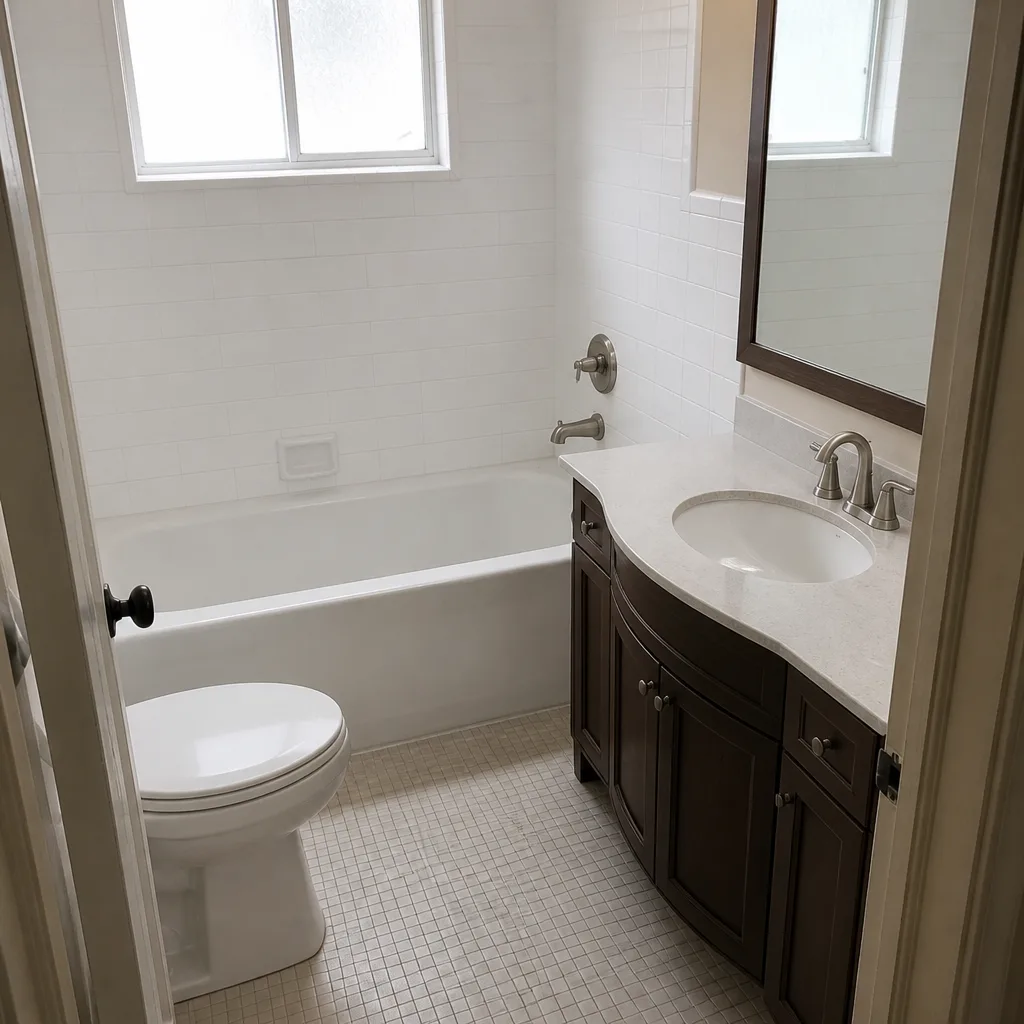
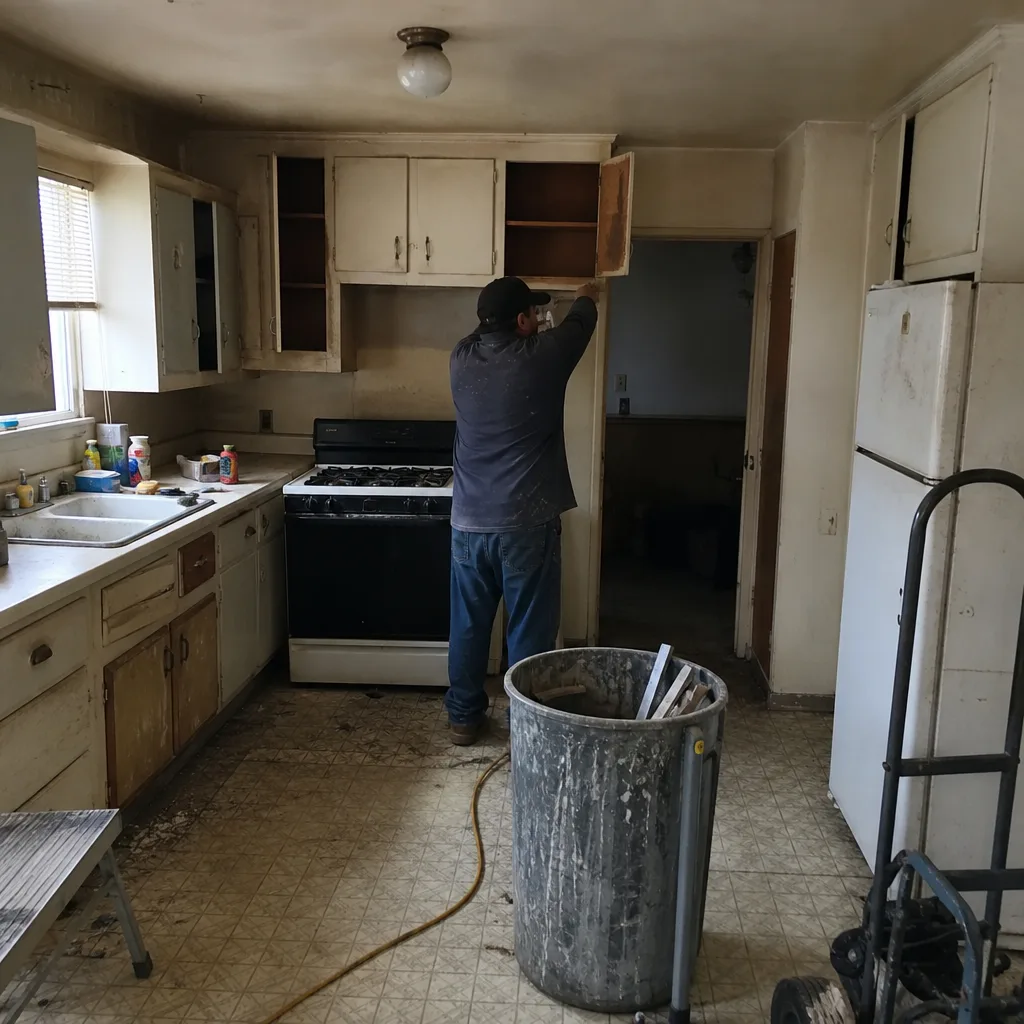
See the difference
 Before
 After
 Before
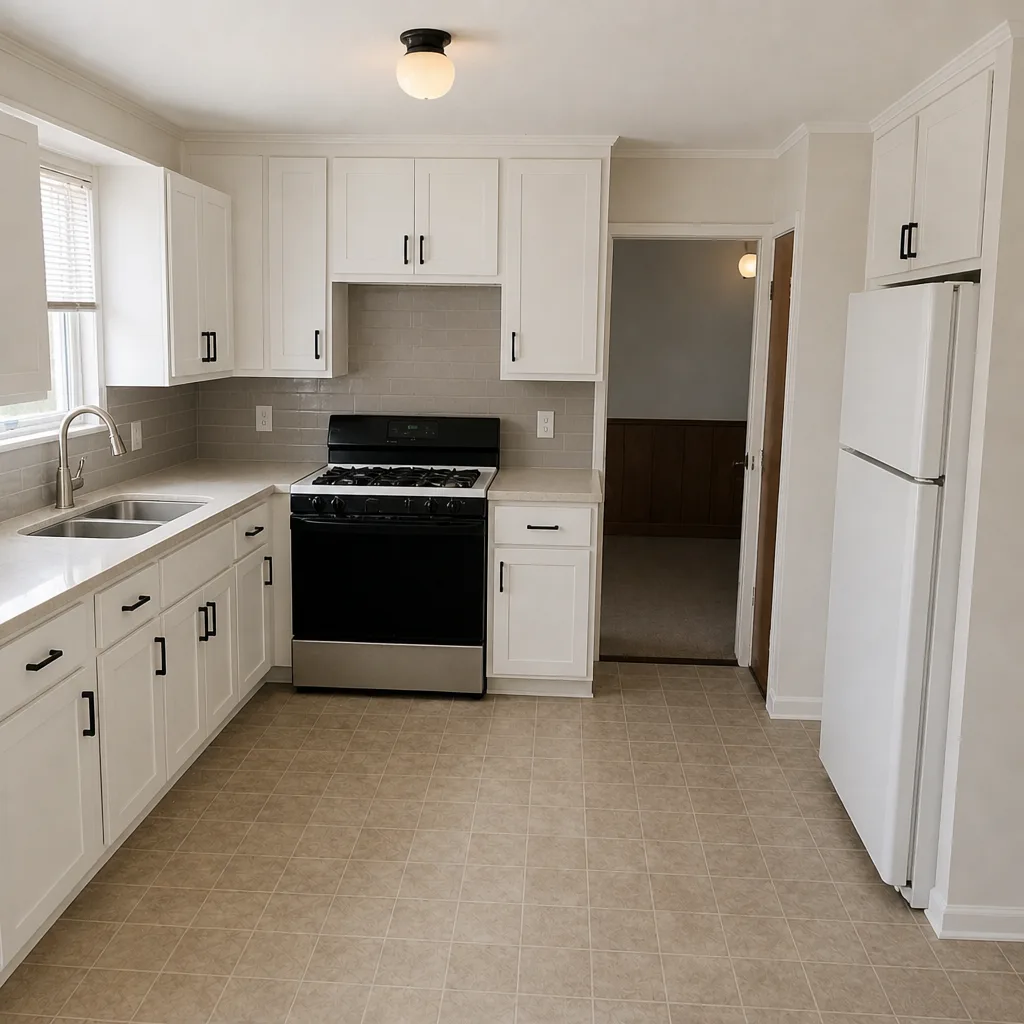 After
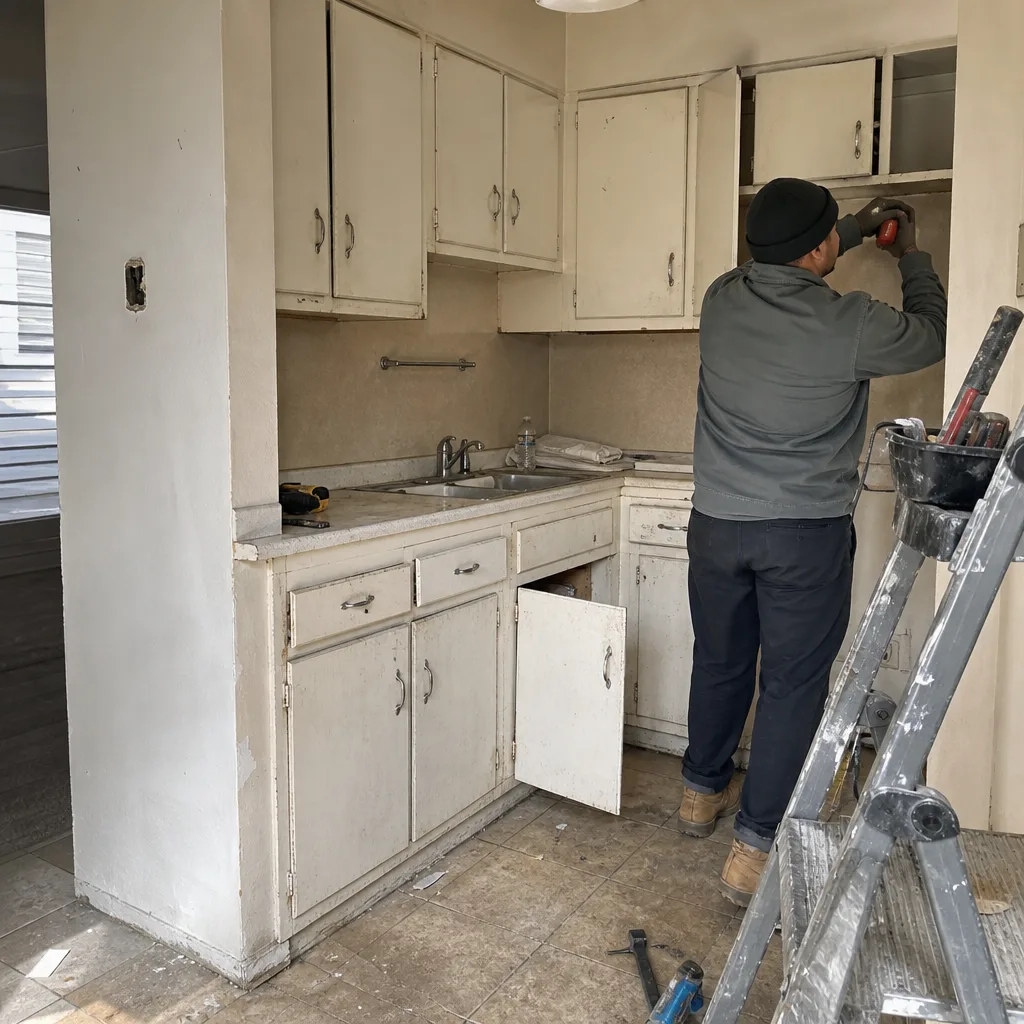 Before
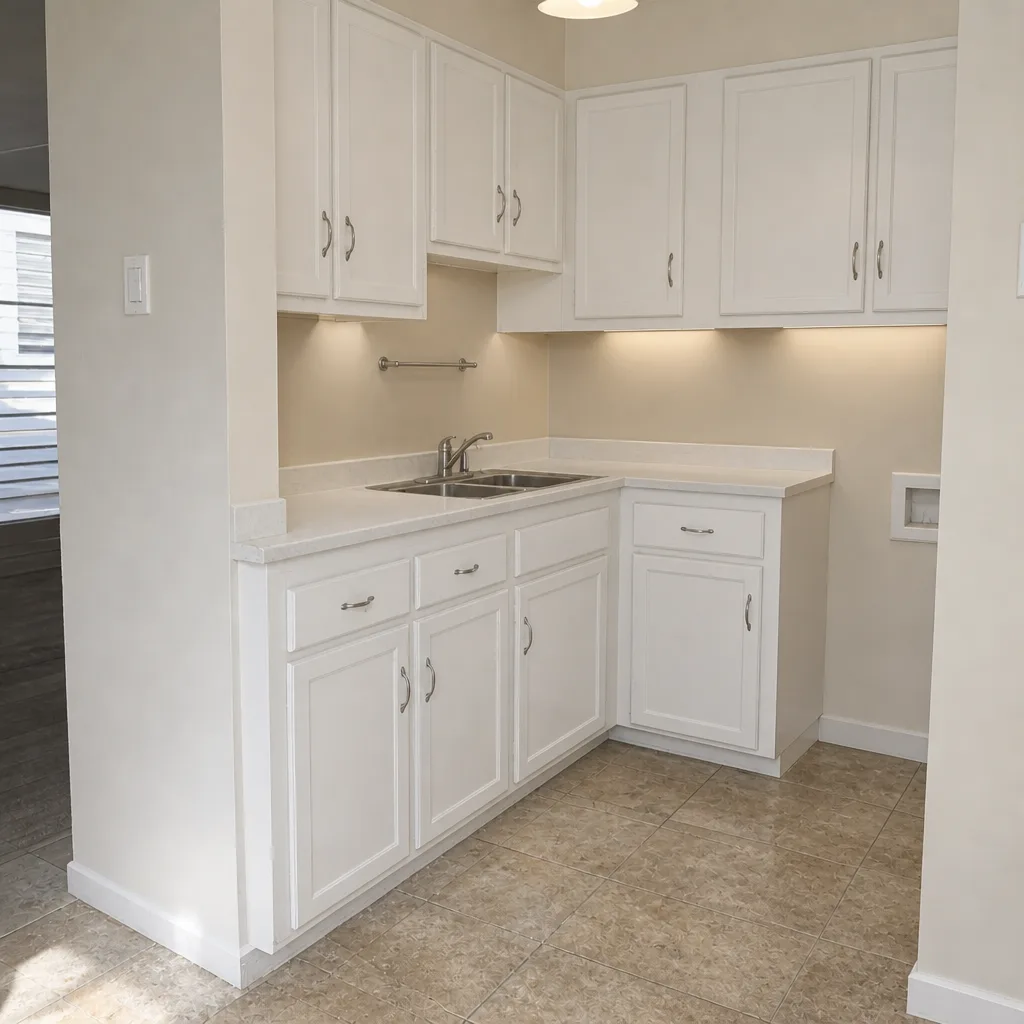 After
When to Call a Professional
Some maintenance is yours. Some isn’t. Call a professional if you see a crack wider than a credit card, a drywall crack that’s grown since you last checked, water staining that’s fresh or expanding, or a door that suddenly won’t close after a quake. Call for any electrical panel work, any gas line work, and any roof access over a steep pitch – those are real safety lines, and nobody should cross them without training and licensing.
If the failure falls inside your warranty window, call the contractor who did the work first. Bradford Remodeling Co East Los Angeles offers free estimates in East Los Angeles – call (833) 520-6636. We’ll look at the issue, tell you plainly whether it’s covered under the 365-Day Done Right Promise or standard maintenance, and give you a written price before anything is touched.
Frequently Asked Questions

Thirty days. That’s when settling, cure, and acclimation reveal themselves – sticking doors, caulk pulling away, hairline grout cracks. Photograph everything at the 30-day mark so you have a dated baseline for the future.
Yes, in practice. Most workmanship warranties are written on the assumption that routine maintenance happens. If a shower leaks because the caulk was never re-sealed, that’s usually a maintenance exclusion. If the same leak traces to how the tile was set, it’s a warranty item. Our 365-Day Done Right Promise covers workmanship failures for a full year from completion; maintenance tasks are the homeowner’s side of the agreement.
Two ways. The marine layer keeps exteriors damp longer, so exterior caulk, paint, and wood trim wear faster than they would inland – plan to inspect and re-caulk twice a year. On the flip side, the sun on south- and west-facing elevations ages roofing and paint faster than shaded sides. Most East Los Angeles homes need exterior caulk attention before year three.
Walk the house and look for new cracks at door and window corners, tile that’s loosened, and doors or cabinet fronts that no longer align. Write down the date of any damage. If cracks keep growing over the following weeks, call a professional. If a door suddenly won’t close, that’s worth a call sooner than later.
Keep the permit card, all inspector sign-offs, material spec sheets, the written warranty letter, and the appliance data plate photos in one folder. Never cover or remove an inspection access panel, and never drywall over the electrical panel or attic access. Those access points have to stay reachable.
Re-seal natural stone and unglazed tile annually; re-seal grout in high-traffic floor areas every 1-2 years. Re-caulk tub and shower joints every 1-3 years, and check them every six months. If you see a crack, seal it before water gets behind it – the substrate repair costs far more than the tube of caulk.
If the failure is inside your warranty window and you’re in East Los Angeles, call (833) 520-6636 for a free estimate and a written opinion. Estimates are free and we’ll tell you plainly what’s covered.
The Bottom Line
Your remodel is an asset with a maintenance schedule attached, whether or not anyone told you. The calendar is simple: inspect at 30 days, 6 months, 1 year, and 5 years. Caulk, grout, and drainage get the most attention; roofing, electrical, and plumbing get professional eyes at the longer intervals. In East Los Angeles, add post-quake walkthroughs, twice-yearly exterior caulk checks for the marine layer, and quarterly descaling for hard water. Keep your permit records, inspection sign-offs, material specs, and written warranty letter in one folder. Do that, and your remodel holds up, your documentation holds up, and warranties stay valid instead of voiding quietly.
Squared-away work deserves squared-away care. If you want a written price, a clear scope, and a real answer to “is this covered?”, we’re here. See how we work at the Bradford Remodeling Co East Los Angeles home page, or call (833) 520-6636 for a free estimate. Our technicians have up to 22 years of experience, and every completed project carries the 365-Day Done Right Promise – if it’s not done right inside that year, we come back and make it right at no charge.
Written by the team at Bradford Remodeling Co East Los Angeles.