Last updated November 17, 2026


Free written scope consultation - allowances, timeline, and change-order rules on paper before a single trade is scheduled
Bathroom Remodeling Warning Signs Every Homeowner Should Know
The most common last sentence before a bad bathroom remodel begins is “he seemed really trustworthy.” The California Contractors State License Board opens roughly 20,000 complaints a year, and a large share of them involve contractors who seemed exactly that: confident, friendly, quick to return the first call. The problem is that confidence is the easiest thing to fake and specificity is the hardest, so the homeowners who get burned are usually the ones grading a personality instead of a document. This guide shows you how to read the paperwork, spot the three bid structures that predict disputes, and understand what California law actually requires, so the next bathroom remodel in East Los Angeles starts squared away.
Quick Answer
The clearest warning signs of a doomed bathroom remodel are vague bids without line-item pricing, large “allowance” placeholders instead of real fixture models, pressure to sign or start immediately, and a contractor who won’t put the price and guarantee in writing before work begins. In California, the contract itself is your best diagnostic tool: under Business and Professions Code §7159, a compliant bathroom remodel contract must be specific about scope, materials, payment schedule, and lien warnings. If the paperwork is thin, the job will follow.
Styles & brands we work with
- Kitchen remodeling
- Bathroom remodeling
- Home additions & ADU
- Roofing
- Windows & doors
- Driveway & pavers
- Fence
Table of Contents
- Why the Paperwork Matters More Than the Handshake
- The Three Bid Structures That Signal Future Disputes
- Subcontractor Disclosure: The Question Most Homeowners Never Ask
- “We’ll Start Monday”: The Oldest Pressure Tactic in the Trade
- What a Legal Payment Schedule Looks Like (Under and Over $10,000)
- The Permit-Pulling Test
- East Los Angeles Climate and the Materials It Punishes
- What “Squared Away” Looks Like at Job Close
Why the Paperwork Matters More Than the Handshake
A bathroom remodel is a $12,000 to $45,000 purchase in most East Los Angeles homes, and the entire legal relationship lives inside one document: the written contract. Evaluating the contractor’s tone tells you almost nothing. Evaluating the contract’s specificity tells you nearly everything about how the job will run. The CSLB pattern is consistent. Complaints that end in disputes almost always trace back to a contract that left room to argue.
What a competent, by-the-book proposal includes:
- Line-item pricing for labor and materials, broken out by phase (demolition, rough-in, tile, fixtures, trim).
- Specific fixture and material models named by manufacturer and SKU, not “brushed nickel faucet.”
- Scope language describing what is and is not included (drywall repair after plumbing, haul-away, paint).
- A payment schedule tied to milestones, not to calendar dates.
- A written guarantee with a defined term and defined remedy.
In our experience, a proposal that names KraftMaid or Wellborn cabinetry down to the door style, or specifies a Kohler shower valve by model number, is a proposal the contractor can’t blur later. That matters most with the parts of a bathroom you never see again once the tile goes up: the rough-in, the substrate, the waterproofing membrane. If those aren’t written down, they get decided on the fly by whoever shows up that morning. That’s exactly how a bathroom remodel in East Los Angeles ends up with a leak behind the wall two winters later. Our own projects carry that same specificity because it’s the only way we can stand behind the Bathroom Remodeling in East Los Angeles work for a full year in writing.
The Three Bid Structures That Signal Future Disputes
Most future disputes are baked into the bid before a single tile is set. Three common formats do most of the damage.
1. The Lump-Sum Bid With No Breakdown
One number, no lines underneath. “Bathroom remodel, $28,000.” When the job slows down or a subcontractor needs materials, there is no agreed-upon basis for who pays for what. You can’t audit a number with nothing behind it. A legitimate bid shows phase-by-phase labor and material costs so any change can be priced against the original.
2. The Allowance-Heavy Bid
Allowances are legitimate when they’re narrow and clearly disclosed: “Tile allowance $1,200 at $6/sq ft; anything over billed at cost plus 15%, approved by written change order.” They’re a warning sign when they’re huge and vague: “$4,000 allowance for finishes and fixtures.” That placeholder is the contractor’s hedge; you can’t compare bids, and every upgrade gets billed at the door. Require that fixture allowances be itemized by room and brand so the number is real.
3. The Bid That Doesn’t Name Fixture Models
If a bid says “chrome shower trim”, it’s telling you the contractor will make the decision on your behalf when they get to the plumbing supply house. Naming the manufacturer and SKU isn’t fussiness. It’s how you confirm the same product is being priced across bids, and how a warranty claim against the manufacturer survives.
Ask every contractor for a written proposal with all three elements. When you can compare apples to apples, the lowest bid is usually the one with the most missing.
Subcontractor Disclosure: The Question Most Homeowners Never Ask
A bathroom remodel runs on licensed trades: a plumber for the rough-in, an electrician for GFCI outlets and the exhaust fan. In California, the person who brings those trades onto your job has to be able to disclose who they are, confirm each is licensed, and carry workers’ compensation for anyone on site. A general contractor using unlicensed subcontractors is exposing you, not protecting you.
Ask these four questions before signing:
- Are the plumbing and electrical subcontractors licensed by the CSLB? Ask for their license numbers in writing.
- Do you carry workers’ compensation coverage for everyone on site? A homeowner can be pursued for injuries on their property when a contractor doesn’t carry it.
- Will the same crew be here each day, or will it rotate? Background-checked, uniformed technicians on every job is what “you know who’s coming” actually means.
- Who is the point of contact if the sub doesn’t show up? If the answer is “you’ll call the sub,” you’re the general contractor.
We’ve watched East Los Angeles homeowners sort this out the hard way after the fact. A plumber who never pulled a permit leaves a rough-in the city may require you to tear back open to inspect. That’s a cost that belongs to you, not the contractor who saved the permit fee. The General Contractor in East Los Angeles service we run answers these questions in writing before the first site visit because the answers don’t change job to job.
“We’ll Start Monday”: The Oldest Pressure Tactic in the Trade
“We’ll start Monday, but I need a decision today.” Nine times out of ten, that sentence means the contractor needs cash this week, not that your project is on the schedule. Real scheduling in a busy trade doesn’t work that way. A disciplined contractor gives you a written proposal with a defined acceptance window, commonly 3 to 5 business days, enough time to read it, ask questions, and compare. Urgency is a sales technique, not a schedule reality.
Red flags in the close:
- Discounts that expire at midnight.
- Verbal-only scheduling (“I’ll hold Monday for you but only if we sign today”).
- Deposit requests larger than California allows (see the next section).
- A crew with no written start date and no written completion estimate.
If the price is real today, it will be real next Tuesday. Any contractor who tells you otherwise is telling you something about how they’ll handle a schedule change mid-job.
What a Legal Payment Schedule Looks Like (Under and Over $10,000)
California Business and Professions Code §7159 limits how much a contractor can collect up front on most residential work. Most homeowners have never heard of it, and that’s exactly why it shows up in complaints. The down payment limit is $1,000 or 10% of the contract price, whichever is less, and it’s a ceiling, not a target. A contractor asking for a $4,000 deposit on a $15,000 bathroom is making a request the law doesn’t support.
Under $10,000: a compliant schedule typically looks like a down payment at or under the statutory limit, a progress payment tied to a defined milestone (demolition and rough-in complete and inspected), and the balance due on substantial completion. There’s a reason “substantial” matters: it means the job is done to the ordinary person’s eye, not “we’ll be back next week.”
Over $10,000: the same structure, but more milestones. Demolition and framing, rough-in plumbing and electrical signed off by the city inspector, waterproofing and tile set, then fixtures and trim. Payments should never run ahead of work. If the contractor asks for the third payment before the tile is up, the schedule has drifted past the point of safety.
Every Bradford project carries a written price before any work starts, and the payment schedule is part of that proposal, not an addendum. There are no numbers that move at the door.
The Permit-Pulling Test
Ask one question: who pulls the permit, and whose name goes on it? The correct answer is the licensed contractor, and the name on the permit should match the contractor on the contract. A bathroom remodel that moves plumbing or electrical, adds a fixture, or reshapes a wall generally requires a permit in East Los Angeles, and the inspection is the only independent check on the rough-in you’ll never see again once the substrate goes up.
A contractor who suggests you pull the permit “to save money” isn’t providing a service; he’s offloading liability. When you pull the permit as an owner-builder, you become responsible for the work. If the rough-in fails inspection, or the job stalls, or the plumber disappears, the city’s inspection record names you, not him. Your homeowner’s insurance may refuse a claim on unpermitted work; the same work can complicate a future sale.
Insist on:
- The contractor’s name and license number on the permit application.
- A copy of the permit and the final inspection sign-off before final payment.
- Written confirmation that any change requiring a new inspection will be re-permitted at the contractor’s cost.
We pull permits and pass inspections as part of the standard scope of a kitchen or bath remodel, because the inspection record is the homeowner’s proof of work that the written guarantee sits on top of.
East Los Angeles Climate and the Materials It Punishes
Bathroom remodels in East Los Angeles have to survive something specific: summer heat that pushes interior humidity into the 70s, mild but damp winters, and the reality that a lot of the housing stock in this part of the city was built before efficient bath ventilation existed. That combination punishes the wrong material choices.
- Waterproofing matters more than tile. A cement backer board with a bonded waterproofing membrane will hold. Greenboard alone, common in older bathrooms, is what we tear out most often.
- Exhaust fan sizing is not optional. An undersized fan leaves moisture where it eats the paint above the shower and eventually the door.
- Caulk and grout spec should be written in the bid. Latex caulk fails in a hot, humid bathroom in about a year. A properly specified product is a line item, not an upgrade.
- Wood trim near the floor is where we see rot first. Vinyl or composite trim in a humid room saves the homeowner from a repair 18 months out.
None of that is exotic. It’s the ordinary specification that separates a bathroom that lasts from one that leaks. The reason it’s not always in the bid is that it’s the last line item a contractor can cut when a price needs to sound competitive. See our home page for more on how we set specification in writing from the start: Bradford Remodeling Co East Los Angeles home.
What “Squared Away” Looks Like at Job Close
The end of a good job has a paper trail, a clean site, and a signature. Check for all six before you write the final check:
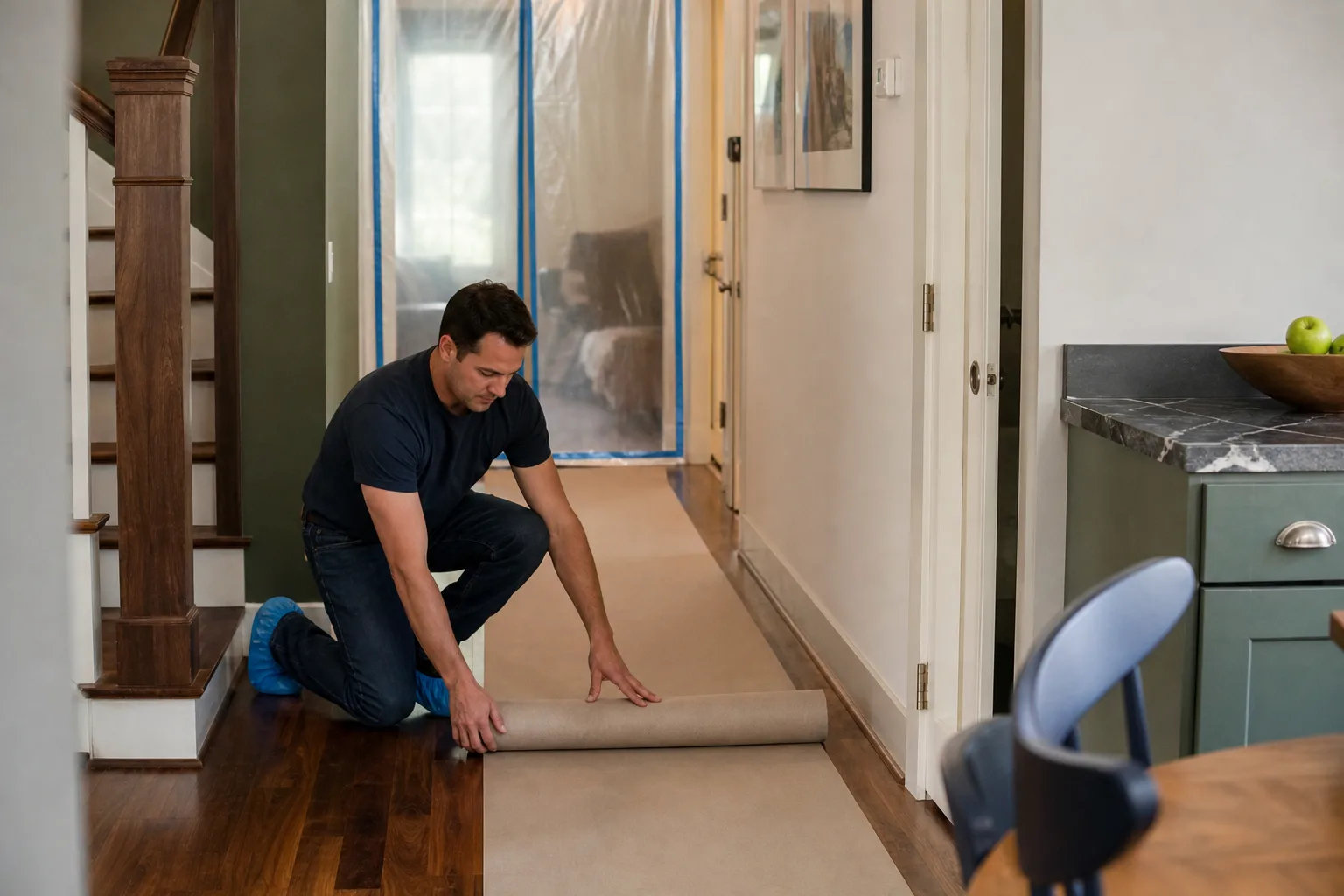
- A clean site. Floors protected, debris hauled, no materials left in the driveway.
- A documented scope match. Every line in the proposal accounted for, no “we’ll come back for that.”
- Final inspection sign-off from the city, on the permit the contractor pulled.
- Manufacturer documentation for cabinetry, fixtures, and tile, so future warranty claims can be filed.
- The written guarantee in your hand, with the term and the remedy spelled out.
- A direct contact for the punch list if something isn’t right.
Our 365-Day Done Right Promise covers every completed project for a full year. If the work fails inside that window, we return and correct it at no charge, and that guarantee is in the paperwork at the close, not a marketing line on the website.
Common Mistakes to Avoid
- Grading the personality instead of the proposal. Confidence is the cheapest thing on a job site; a detailed bid is the only durable one. If you can’t read what you’re buying, don’t buy it.
- Accepting an allowance placeholder as a real price. A “$3,500 allowance for tile” in a bathroom means the contractor doesn’t yet know what tile you’ll pick, because you haven’t. Itemize it before you sign.
- Letting the contractor suggest you pull the permit. Owner-pulling takes the liability off the contractor and puts it on you, plus your insurance may exclude the work later.
- Paying a deposit above what California allows. The statutory ceiling on most residential work is $1,000 or 10% of the contract, whichever is less. A contractor who needs more up front doesn’t have the cash flow to finish.
- Signing a contract that doesn’t name fixture models. A “chrome shower system” is a decision made for you three weeks later, likely priced at the door.
- Not asking who’s on site each day. A rotating crew means no single person owns the quality of the waterproofing behind your new tile.
- Trusting a verbal guarantee. If the “one-year warranty” isn’t written into the contract, you have no remedy when the caulk fails.
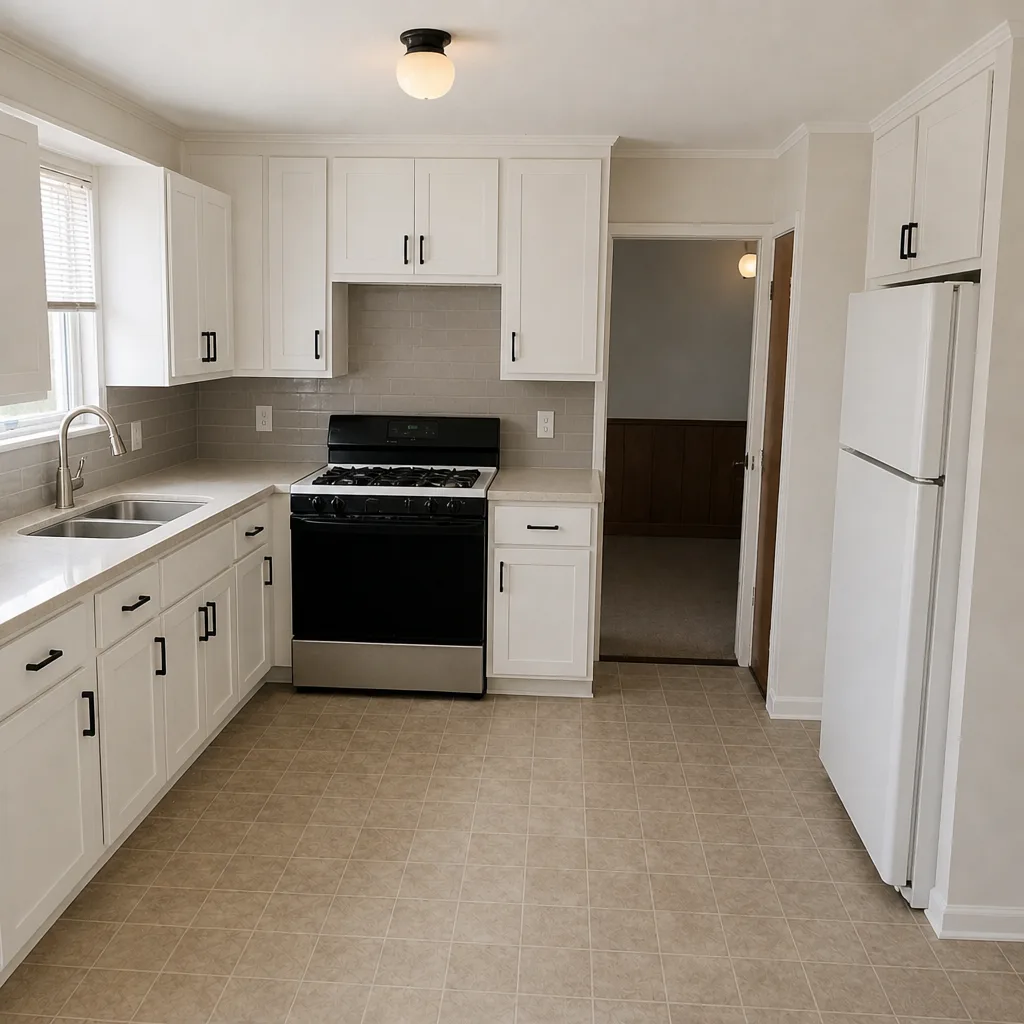
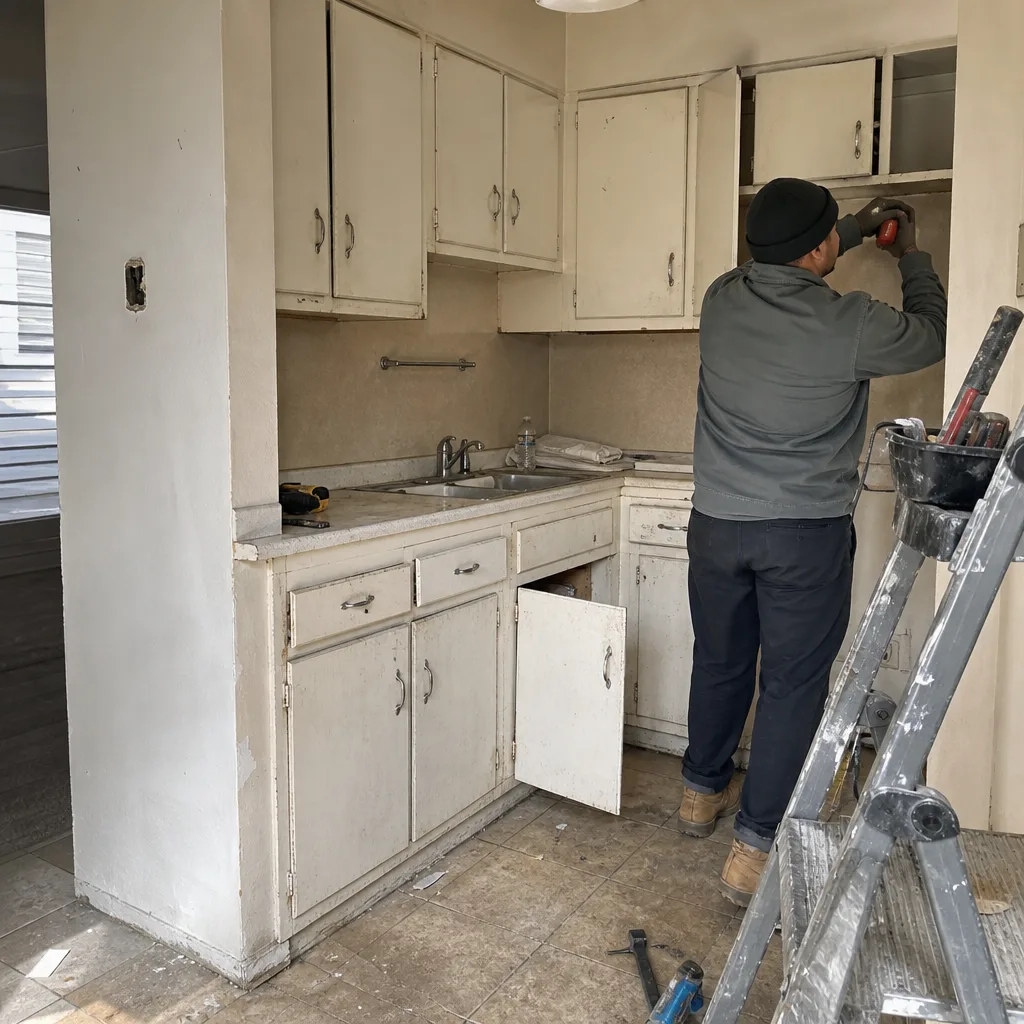
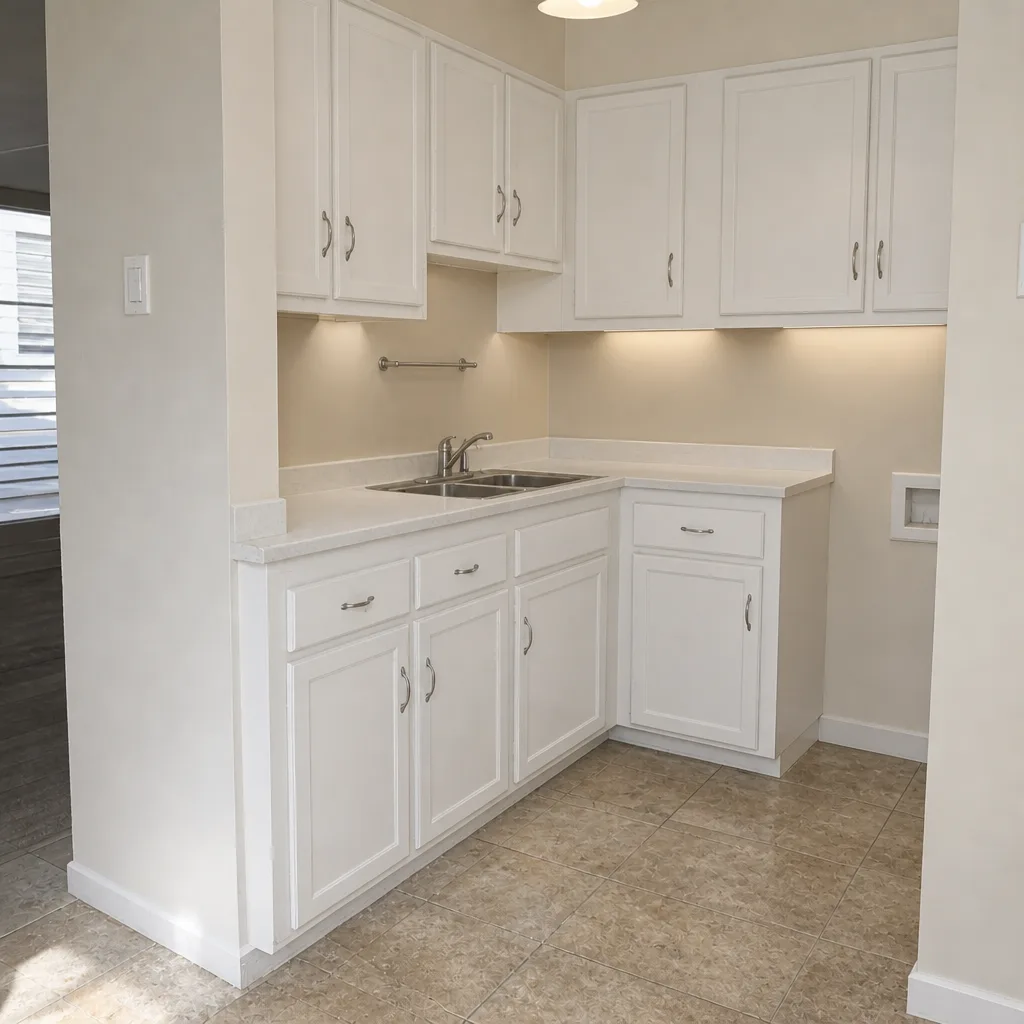
See the difference
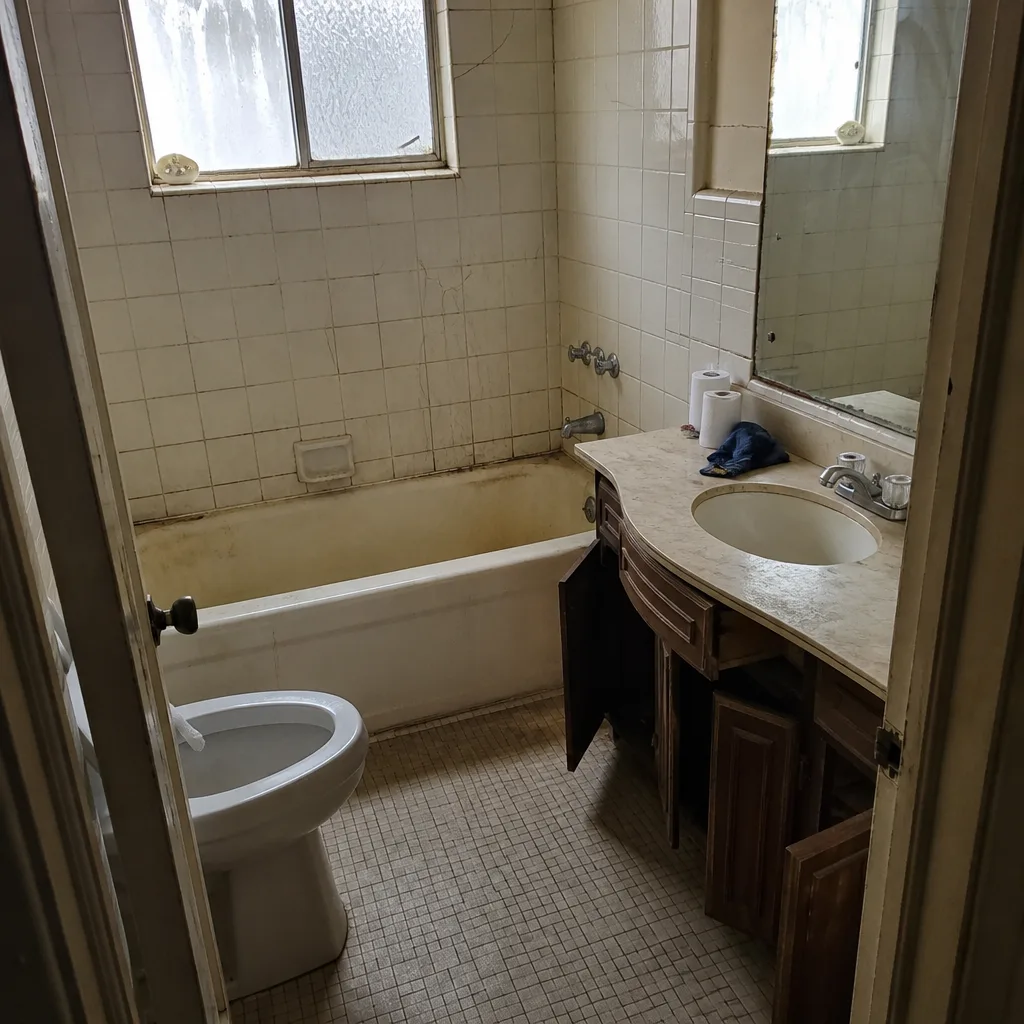 Before
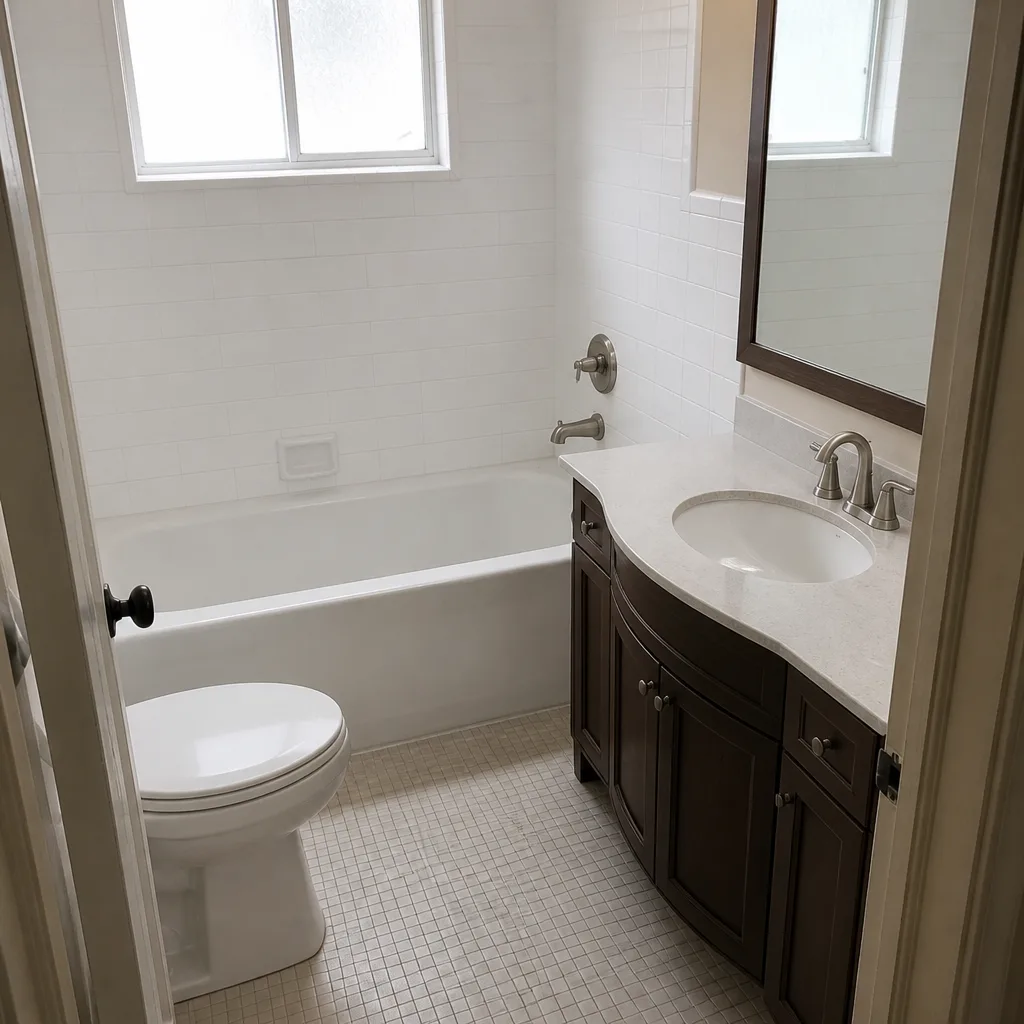 After
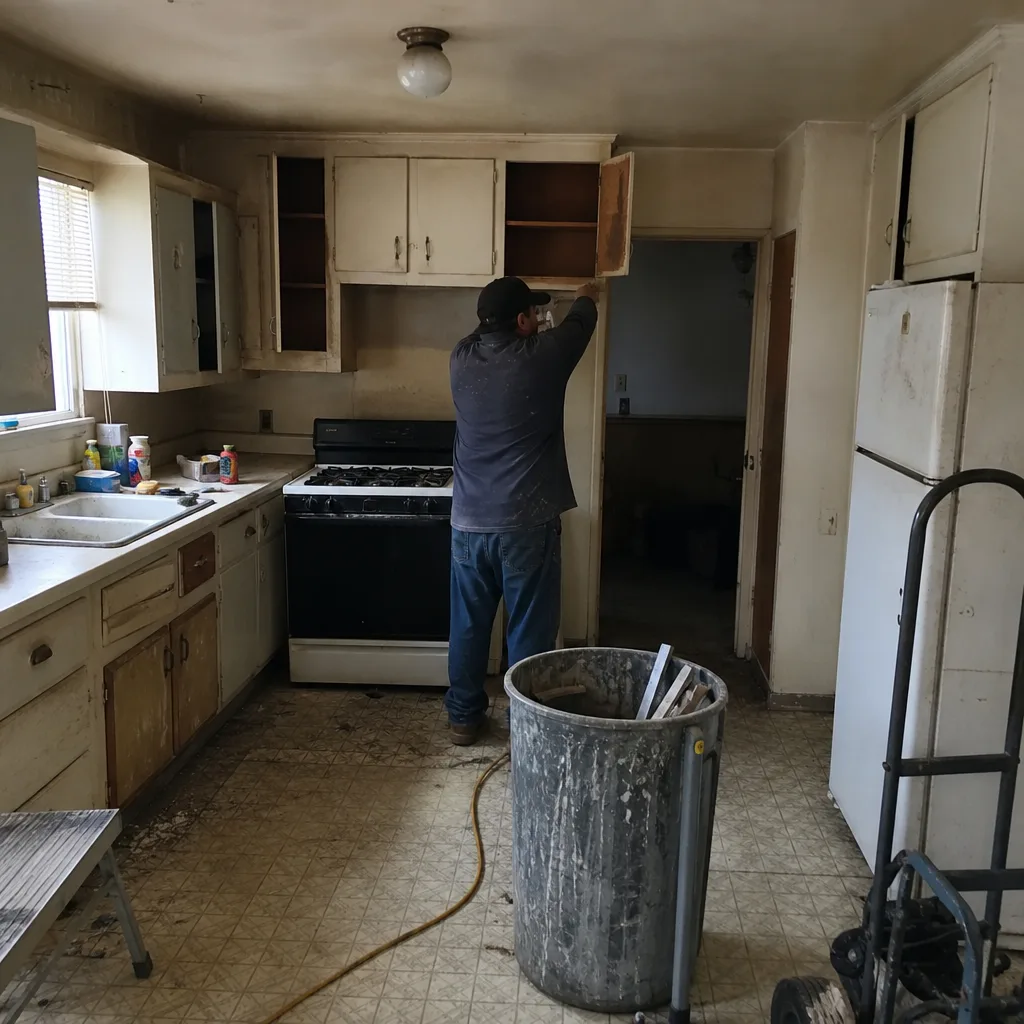 Before
 After
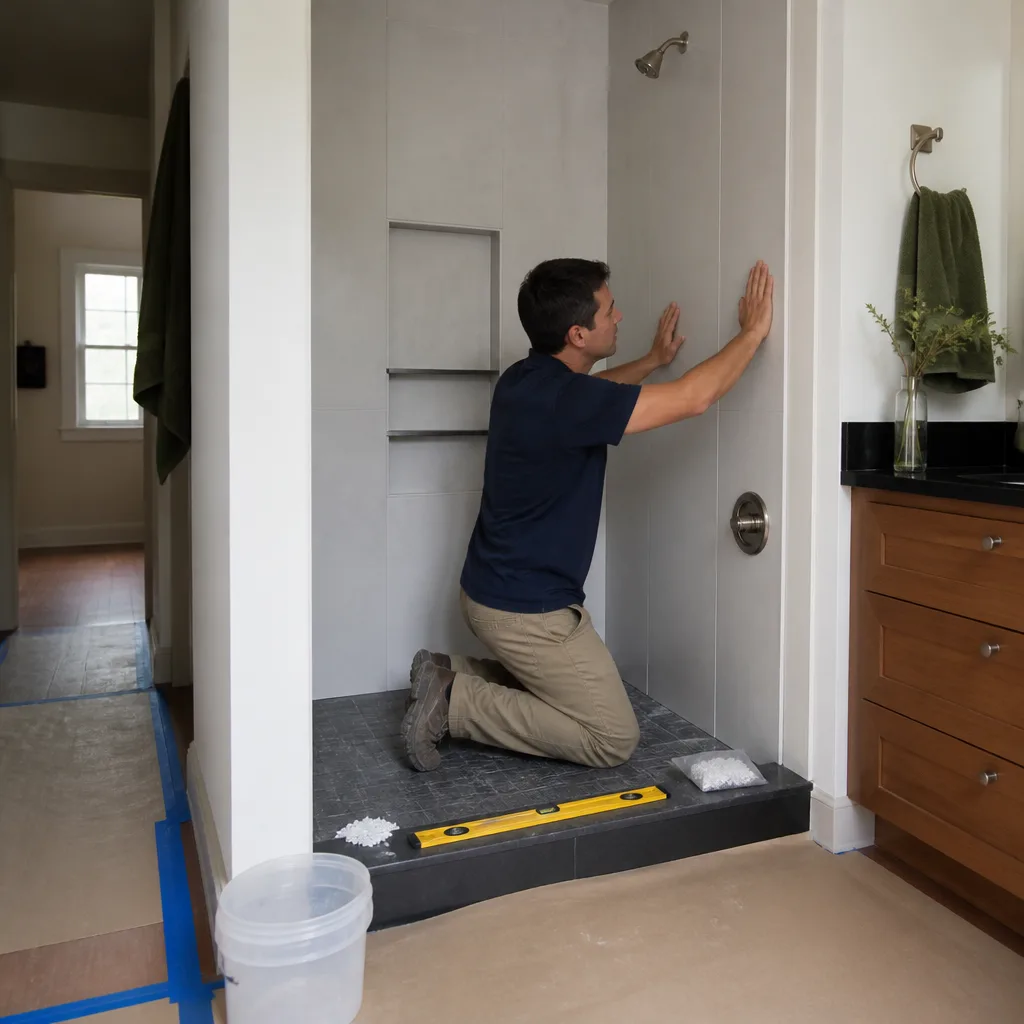
 Before
 After
When to Call a Professional
Some things are worth a call before you sign, and some are worth a call before you touch a tool. If your existing bathroom has evidence of a moisture problem behind tile or drywall, if the rough-in plumbing has ever been modified by a previous owner without a permit, if the electrical in the bathroom is older than GFCI protection, or if the plan involves moving a toilet, sink drain, or shower valve, the right move is a licensed professional and a written scope. High-voltage electrical, gas, and any work behind a wet wall are not jobs for a weekend YouTube tutorial; the failure mode is invisible until it’s expensive. Bradford Remodeling Co East Los Angeles offers free estimates in East Los Angeles – call (833) 520-6636 to get a written price and a documented scope before you commit to anything.
Frequently Asked Questions
The biggest red flags are lump-sum bids without line-item breakdowns, allowance placeholders instead of named fixture models, pressure to sign or start immediately, and any reluctance to put the price and guarantee in writing. In California, also confirm the contractor’s license number, insurance, and permit responsibility before you sign anything.
Most bathroom remodels in East Los Angeles land between $12,000 and $35,000 depending on size, layout changes, and material grade, with full gut remodels on the higher end. Because prices move by scope, we put every number in writing before work starts. Call (833) 520-6636 for a free estimate and a line-item proposal.
Yes, most bathroom remodels in East Los Angeles require a permit when they move plumbing, electrical, or structural elements. The licensed contractor should pull it, and the contractor’s name should be on the permit; a contractor suggesting you pull it yourself is shifting liability to you, not saving you money.
In California, no. Business and Professions Code §7159 limits most residential down payments to $1,000 or 10% of the contract price, whichever is less. A contractor asking for more than that up front is either unfamiliar with the code or willing to ignore it.
The schedule should be tied to completed milestones, not to calendar dates: an initial deposit within the legal limit, payments after rough-in inspection and after tile set, and the balance at substantial completion. Payments should never run ahead of work; if they do, the schedule has drifted past the safe zone.
You know it when the guarantee is a written, dated document with a defined term and remedy, not a verbal promise. Our 365-Day Done Right Promise puts that in writing on every completed project; if the work fails inside the year, we return and correct it at no charge. Call (833) 520-6636 to see a sample proposal before you sign.
The Bottom Line
Bathroom remodel fraud follows a pattern, and the pattern is in the paperwork. The three broken bid structures, the allowance placeholder, the permit pulled in your name, the “we’ll start Monday” close, and the oversized deposit are all signals of a contractor who will not document what he’s doing. You don’t need to become a construction expert to spot them. You need to read the contract, ask for the license numbers, insist on a written price, and confirm the guarantee is in writing before the first tool comes out. That’s how a bathroom remodel in East Los Angeles gets squared away before it starts.
Bradford Remodeling Co East Los Angeles is a member of the Garrison Partners family and holds every project to The Garrison Standard: a written price before any work begins, background-checked and uniformed technicians on every job, a live person answering the phone around the clock, and a 365-Day Done Right Promise in writing at the close. Call (833) 520-6636 to schedule your free estimate. No pressure, no countdowns, just a proposal you can read and compare.
Written by the team at Bradford Remodeling Co East Los Angeles.