Last updated November 17, 2026
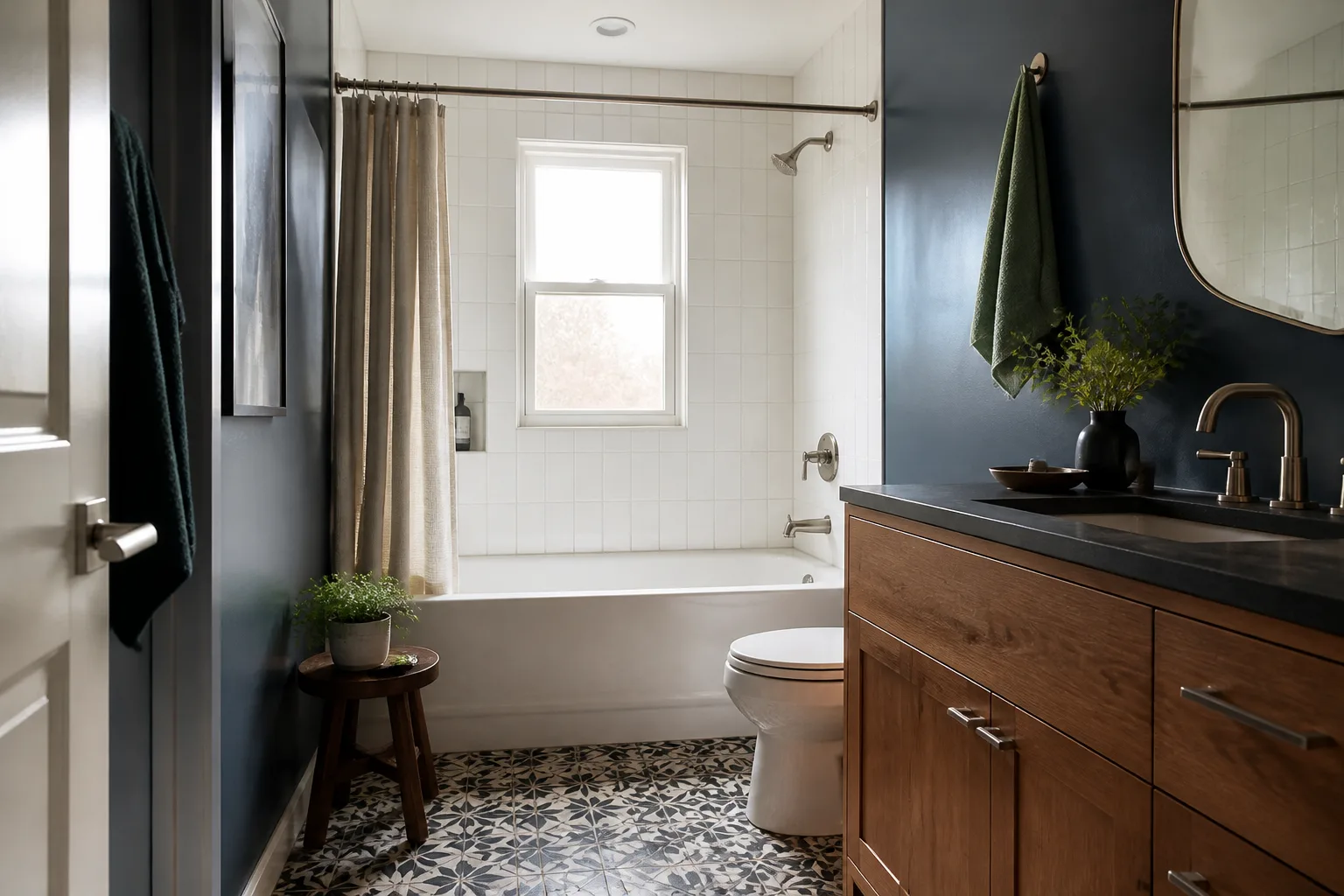
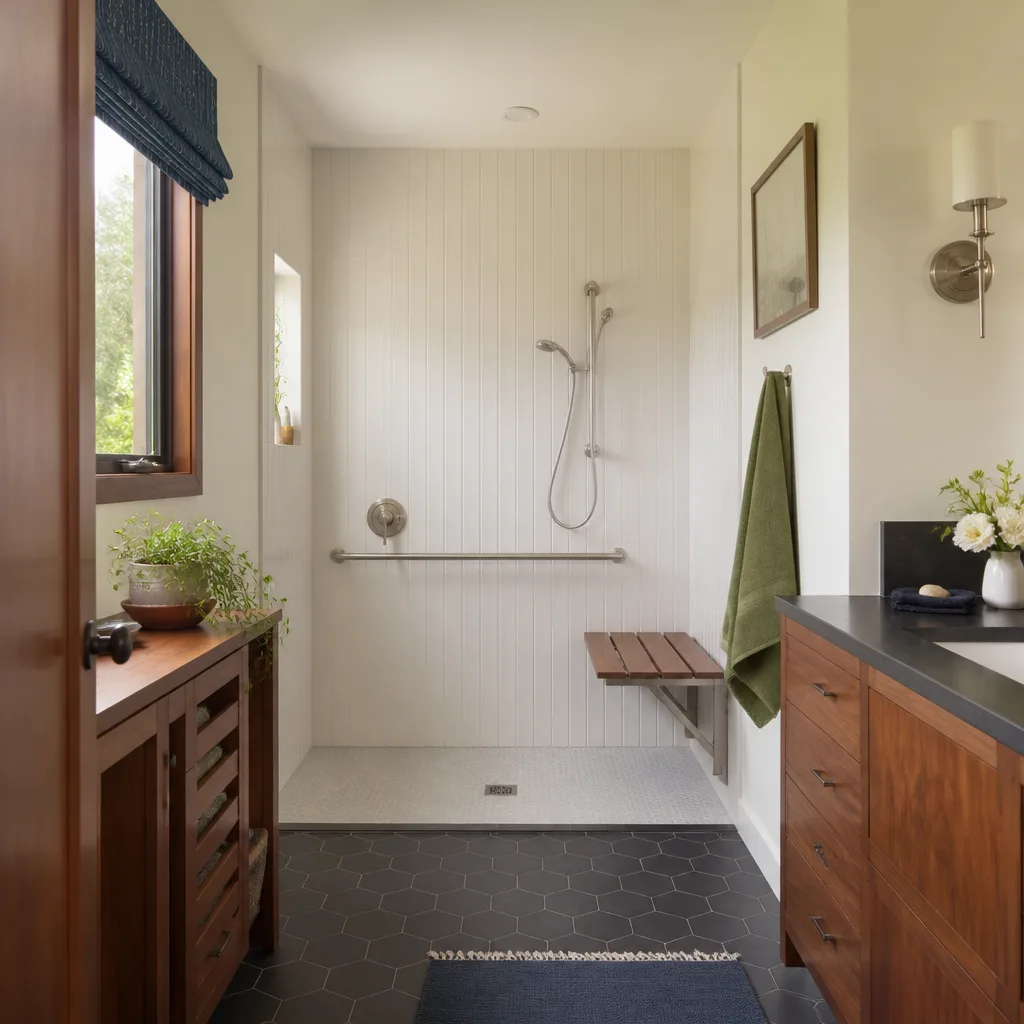
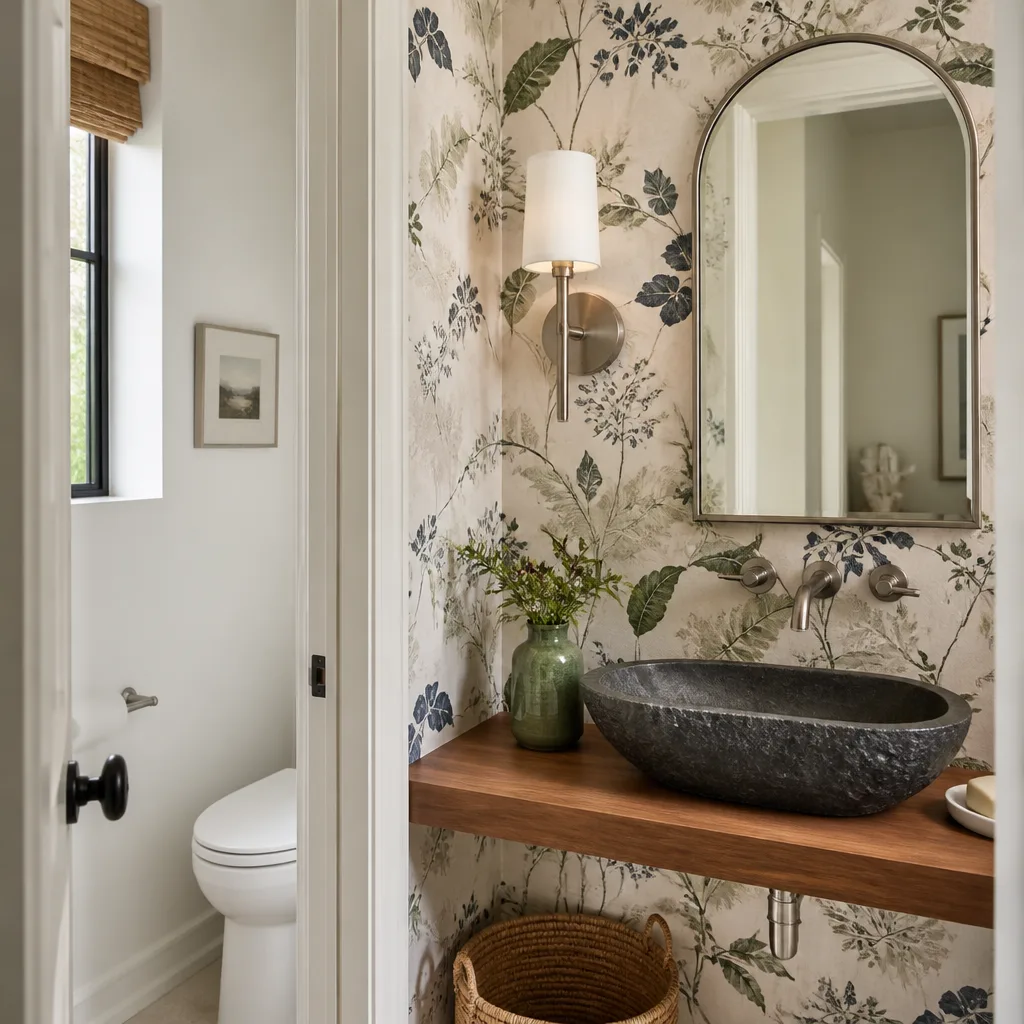
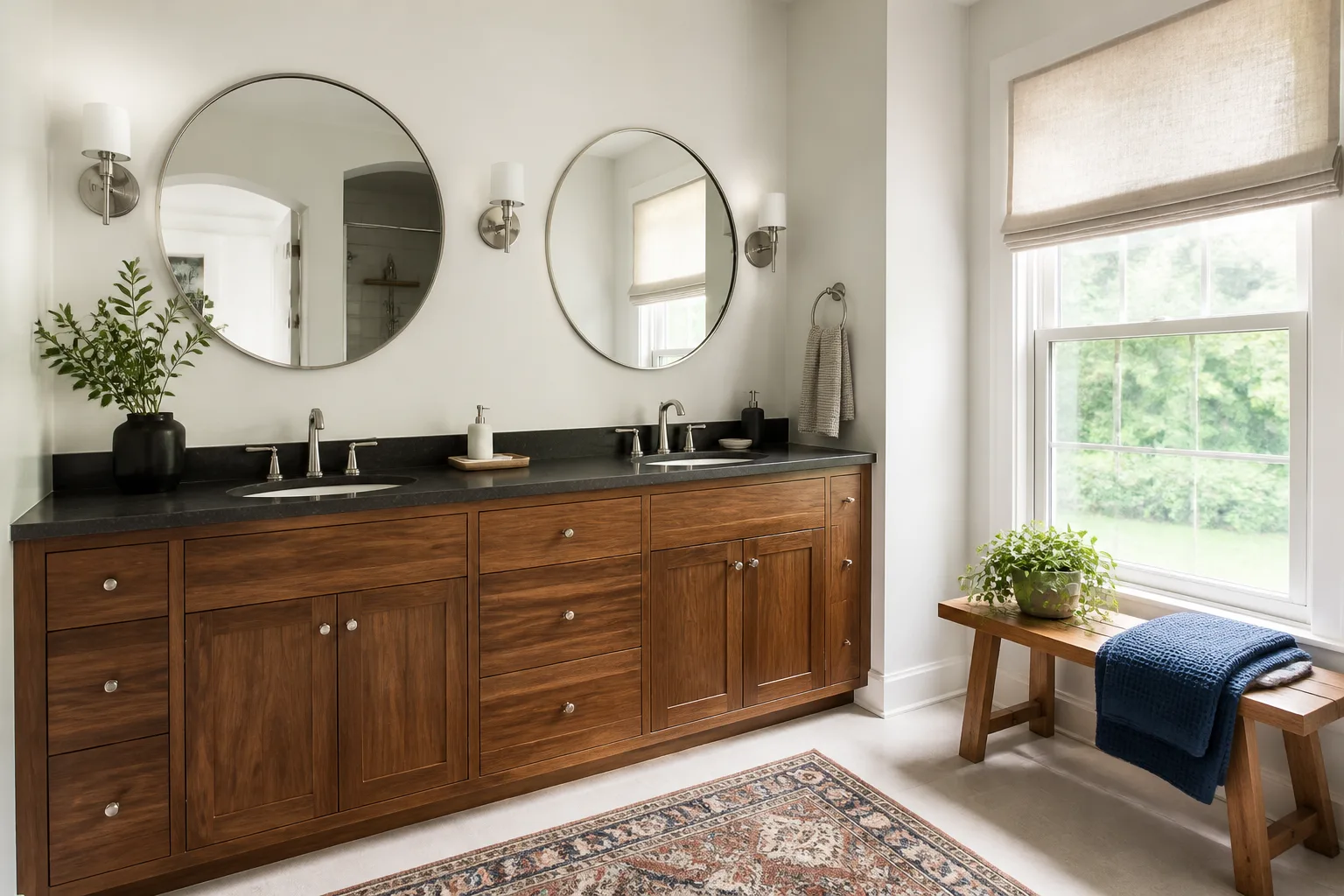
Free written scope consultation - allowances, timeline, and change-order rules on paper before a single trade is scheduled
The Complete Bathroom Remodeling Guide for East Los Angeles Homeowners
East Los Angeles has one of the highest concentrations of pre-1950 bungalows in Los Angeles County. Drive down almost any residential street in City Terrace or El Sereno and you’ll see the same silhouette: low-slung, single-story, built when a single bathroom served a family of six. Almost none of those original rough-ins meet current code without at least one surprise behind the drywall. This guide covers what those surprises are, what they cost, how the LADBS permit process actually works for a bathroom in East Los Angeles, and how to price the job honestly before demolition starts instead of after. We’ll also cover where an addition can legally go on these tight, narrow lots.
Quick Answer
A full bathroom gut remodel in East Los Angeles typically runs $18,000 to $32,000 for a 40 to 50 square foot hall bath, and $32,000 to $55,000 when the job uncovers a failing cast-iron drain stack or draws a seismic strapping requirement during permitted work. Cosmetic swaps – a vanity, a faucet, a toilet, paint, a floor covering – generally don’t require a permit. Anything that touches supply lines, drain lines, or ventilation does, and LADBS will look at it.
Styles & brands we work with
- Kitchen remodeling
- Bathroom remodeling
- Home additions & ADU
- Roofing
- Windows & doors
- Driveway & pavers
- Fence
Table of Contents
- What’s Actually Behind the Drywall in an East LA Bungalow
- Which Bathroom Work Needs a LA County Permit and Which Doesn’t
- The Cast-Iron Drain Stack Reality
- How the LADBS Permit Process Works, Step by Step
- Setbacks, Lot Lines, and Bathroom Additions in East Los Angeles
- East LA Cost Benchmarks, With and Without Seismic Upgrades
- Choosing Materials That Hold Up in East LA Homes
- Common Mistakes to Avoid
What’s Actually Behind the Drywall in an East LA Bungalow
Most bungalows in East Los Angeles were built between 1920 and 1949. Construction was often conventional wood frame on a raised foundation, with a bathroom tucked into a rear service porch or carved out of a breakfast room when indoor plumbing arrived. What that means for you today is predictable:
- Original galvanized supply lines that have narrowed from mineral buildup and will drip at the threads the moment you disturb them.
- Cast-iron drain stacks cast in 4-inch sections with leaded joints, now 75 to 100 years old and often already cracked below the slab or in the crawlspace.
- Paper-backed drywall or plaster-and-lath with no vapor barrier behind the tile. East LA humidity is mild, but a 1940s bathroom with no exhaust fan accumulates years of moisture in the stud cavity.
- Non-permitted prior work – a shower that was added onto a laundry porch, a toilet relocated a foot over, a drain tapped into the kitchen line. It happens a lot in this housing stock, and it surfaces during plan check.
For owners looking at a whole-house project, the Bradford Remodeling Co East Los Angeles home is a useful starting point on how our General Contractor in East Los Angeles work wraps a bathroom into a larger scope. If the bathroom is a single-room project, plan on budgeting a contingency of 15% to 20% during pre-demo inspection. On pre-1960 homes in Boyle Heights or Lincoln Heights, that contingency gets used about half the time. In our experience, the bathroom that comes apart clean is the exception, not the rule.
Which Bathroom Work Needs a LA County Permit and Which Doesn’t
Cosmetic work doesn’t need a permit. Plumbing, electrical, and mechanical work always does when scope crosses defined thresholds. Here’s the practical split for East Los Angeles:
No Permit Typically Required
- Replacing a toilet in the same location, or swapping a faucet.
- Replacing a vanity without moving plumbing.
- Retiling a floor over the existing substrate, painting, replacing a mirror or light fixture on an existing circuit.
- Replacing a shower door or regrouting.
Permit and Inspection Required
- Any relocation of a toilet, sink, shower, or tub.
- Replacing or rerouting any supply line or drain line.
- Adding a bathroom exhaust fan where none exists, or venting a new fan through the roof.
- Adding a new circuit, adding a GFCI outlet, or relocating a light switch.
- Changing a tub to a walk-in shower (the drain moves).
- Any bathroom addition or new bathroom created out of existing space.
- Any work triggered by removing a load-bearing wall.
One nuance homeowners miss: if you’re replacing a tub with a shower of the same footprint, the drain location often still shifts, which bumps the project into permit territory. Confirm before your contractor starts framing.
The Cast-Iron Drain Stack Reality
Cast iron was the standard in East Los Angeles through the mid-1950s. It lasts decades, but at 70 to 100 years old, the joints begin to fail, the pipe walls scale, and roots find the exterior line faster than they should. If you’re remodeling a bathroom on a 1928 Spanish revival in City Terrace, the drain stack is either already failing or it’s about to. Here’s how to know:
- Camera the drain before demolition. A plumber runs a camera down the stack from the roof vent to the main line. Cost is typically $200 to $375. This is the single most valuable pre-demo inspection you can buy.
- Look for rust-colored staining in the crawlspace or around the base of the toilet flange on the subfloor.
- Check for slow drains across the house – not just the bathroom. A slow kitchen sink and a slow tub together usually means the stack, not a single trap.
- Ask what’s under the slab. If the house is on slab rather than raised foundation, replacing the below-slab portion of the stack requires cutting concrete – that’s a meaningful line item, not a small add.
If you’re going to relocate fixtures anyway, replace the stack now. Price a full cast-iron stack replacement at $3,800 to $8,500 in East Los Angeles, depending on whether the work is above grade or below a slab, and how far the run extends to the city main. Doing the stack during a bathroom remodel costs a fraction of doing it as a separate repair after new drywall and tile are installed.
How the LADBS Permit Process Works, Step by Step
Permits for bathroom work in East Los Angeles go through the Los Angeles Department of Building and Safety. The process splits into e-permit and over-the-counter (OTC), and knowing which one your project qualifies for saves weeks.
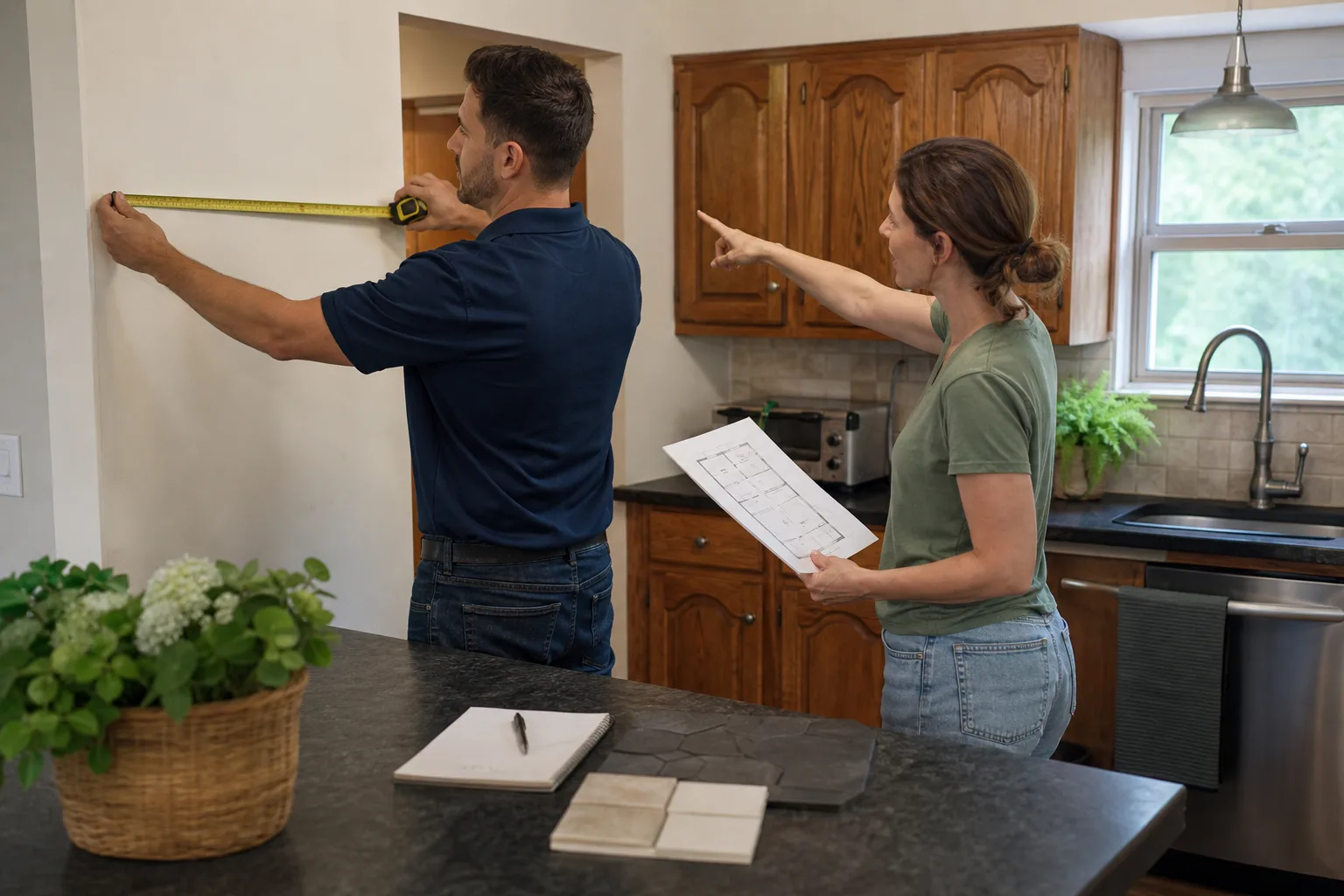
- Confirm the scope on paper first. Before any permit is filed, the written scope should be nailed down – fixture locations, pipe routing, any wall changes. Changes after filing mean resubmittal.
- E-permit for simple bathroom remodels. A like-for-like bathroom refresh with fixture relocations in the same room generally qualifies for online submission. Typical approval is 1 to 5 business days, and the permit can be printed at home for posting on the job.
- OTC review for anything that needs an actual plan reviewer. Adding a bathroom, creating one in a closet, moving a wall, or changing the building footprint means walking drawings in for OTC plan check. Wait times vary by LADBS district office; plan on a half-day minimum, sometimes two trips if the reviewer asks for corrections.
- Full plan check triggers when the project involves structural work, a new exterior wall, a change in occupancy, or anything that touches more than one trade extensively. Typical review runs 3 to 8 weeks.
- Post the permit on the job where LADBS can see it. Every inspection must be scheduled through the LADBS inspection portal.
- Rough-in inspection happens after plumbing, electrical, and framing are in but before insulation and drywall go up. Do not skip this step to “save time” – it’s the single most common cause of failed final inspections.
- Final inspection clears the permit and gives you a signed-off record. Keep that document with the house records. It matters at resale.
Our Bathroom Remodeling in East Los Angeles team pulls the permit on every job that requires one – permits are written into the price before work starts, not added afterward. We’ve seen too many bids where the permit line item appears after demo begins.
Setbacks, Lot Lines, and Bathroom Additions in East Los Angeles
If the goal isn’t remodeling the existing bathroom but adding one, the lot matters as much as the house. East Los Angeles lots are frequently 40 to 50 feet wide, zoned R-1 or R-2, with 5-foot side setbacks in many blocks and 20-foot rear setbacks in most. That geometry constrains where a bathroom addition can legally sit.
- Rear additions are the most common path. A 6×10 bathroom bump-out on the back of the house generally fits within the rear setback, but will cover most of the backyard on a standard 120-foot-deep lot.
- Side additions run into the 5-foot side setback quickly. Anything pushing past it triggers a variance – slow, expensive, and not guaranteed.
- Accessory structures already on the lot – detached garages, converted garages, backyard casitas – complicate things. Two of the more common questions we field in El Sereno and University Hills involve converting a detached garage into a bathroom-bearing ADU. That requires setback compliance on its own, and any existing non-conforming garage may need to be brought into compliance if you’re moving its footprint.
- Corner lots have a second front-yard setback that often catches homeowners off guard. Check the zoning before sketching.
- Hillside lots in the El Sereno foothills trigger additional slope-density, foundation, and retaining-wall review.
Before you sketch a plan, pull your zoning file at LADBS or through ZIMAS. A 15-minute check on the property record saves a variance application costing four figures and several months.
East LA Cost Benchmarks, With and Without Seismic Upgrades
Pricing a bathroom in East Los Angeles is not the same as pricing one in a new subdivision in the Valley. The pre-1960 housing stock, cast-iron plumbing, and slab conditions shape the numbers. Here are the ranges we see across projects that go through permitting in East Los Angeles:
- Costmetic refresh, no permit: $5,500 to $11,000 (vanity, fixtures, tile, paint, floor covering).
- Mid-grade gut remodel, permit required: $18,000 to $28,000 for a 40 to 50 square foot hall bath. Tile, new vanity, new fixtures, relocated shower valve, new exhaust fan, new GFCI circuit.
- Full gut with drain relocation and finish upgrade: $28,000 to $38,000.
- Full gut with cast-iron stack replacement: $32,000 to $46,000.
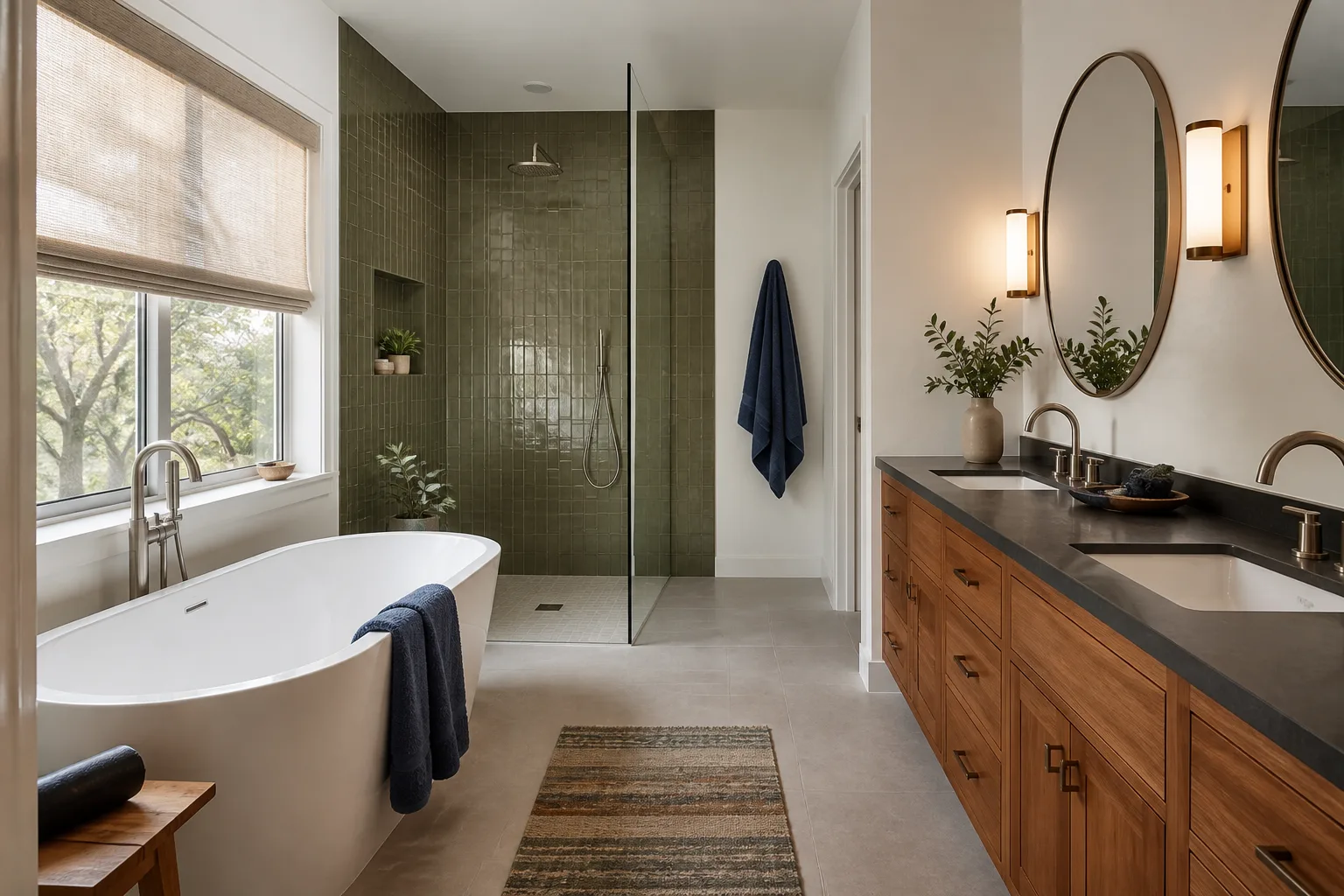
- Primary bath with curbless shower, double vanity, slab surround: $45,000 to $65,000.
- Bathroom addition (new footprint, 50 square feet): $65,000 to $110,000 depending on foundation, roof tie-in, and finish level.
When seismic strapping is triggered
Any permitted bathroom work that pulls wall finishes and exposes the framing can expose missing seismic hardware. LADBS does not require voluntary seismic retrofit as part of a bathroom remodel – it’s triggered only if the scope actually touches the lateral system, walls are opened and found noncompliant, or the addition creates a new structural condition. When it does trigger, expect $2,400 to $5,800 for anchor bolting, cripple-wall bracing, and shear panel work on the wall being opened. Older homes in East Los Angeles frequently show missing anchor bolts at the mudsill – visible in the crawlspace in about ten minutes of inspection.
Ask for that inspection before contract signing. On homes built before 1945 in East Los Angeles, we quote a mid-range remodel with the seismic line item visible upfront, and we credit it back if the work doesn’t end up required. That’s the written-price commitment – no numbers that move at the door.
Choosing Materials That Hold Up in East LA Homes
Bathroom fixture and finish choices matter less than the substrate underneath them. But three specific selections pay back over time in this housing stock:
- Quartz surfaces over natural stone in a hall bath. Cambria and Caesarstone quartz resist etching from hard water and daily cleaners better than marble or travertine, which is why we specify them in most East LA hall bathrooms. A vanity top runs $650 to $1,400 installed in a typically sized 36-inch vanity.
- Kohler and Moen fixtures. Both have accessible parts networks, which matters when something fails three years in. Expect a $350 to $900 range for a shower trim and valve that isn’t going to become discontinued-unobtainable.
- Cement board, not greenboard. Greenboard drywall was allowed for years but is not a substitute for cement board in a wet zone. On any East LA remodel we specify cement board behind tile in the shower; it’s $1.10 to $1.80 a square foot more in material and it’s the difference between a shower that lasts 20 years and one that starts failing at year eight.
Every material spec in a Bradford scope is documented by manufacturer, model, and warranty, so the paperwork you receive matches the paperwork the manufacturer honors. If the kitchen is next on your list, the same approach applies to our Kitchen Remodeling in East Los Angeles work.
Common Mistakes to Avoid
- Signing before the drain is camera-inspected. On pre-1960 East LA homes, a $250 camera inspection prevents the single biggest surprise invoice in the whole project. Skip it and you’ll discover the failure at the worst possible moment.
- Assuming “same footprint” means “no permit.” Moving a toilet four inches is a drain relocation – permit required. Confirm before the contract is signed, not after the plumbing is roughed in.
- Choosing tile before choosing the substrate. Cement board, waterproofing membrane, and a properly sloped pan cost more upfront and prevent the three most expensive repairs ten years in. Picking a $40-per-square-foot tile over a $4 one, while skipping the $600 waterproofing, is the wrong tradeoff.
- Accepting a bid with no written scope. If the estimate says “bathroom remodel – $22,000” and nothing else, you don’t have a bid. You have a number that will move once demolition reveals the actual condition.
- Ignoring the seismic question on a 1930s home. Anchor bolts cost $2,400 to $5,800. Discovering them mid-project, with drywall already opened, means paying whatever the framing contractor quotes at that point instead of a price you agreed to in writing.
- Pulling permits after the job starts. LADBS looks at timing carefully, and an unpermitted plumbing rough-in discovered mid-inspection means opening walls you just closed. Pull the permit before demo, every time.
- Skipping the final inspection. A signed-off permit record prevents headaches at resale. An open permit is one of the fastest ways to lose a buyer in this market.
See the difference
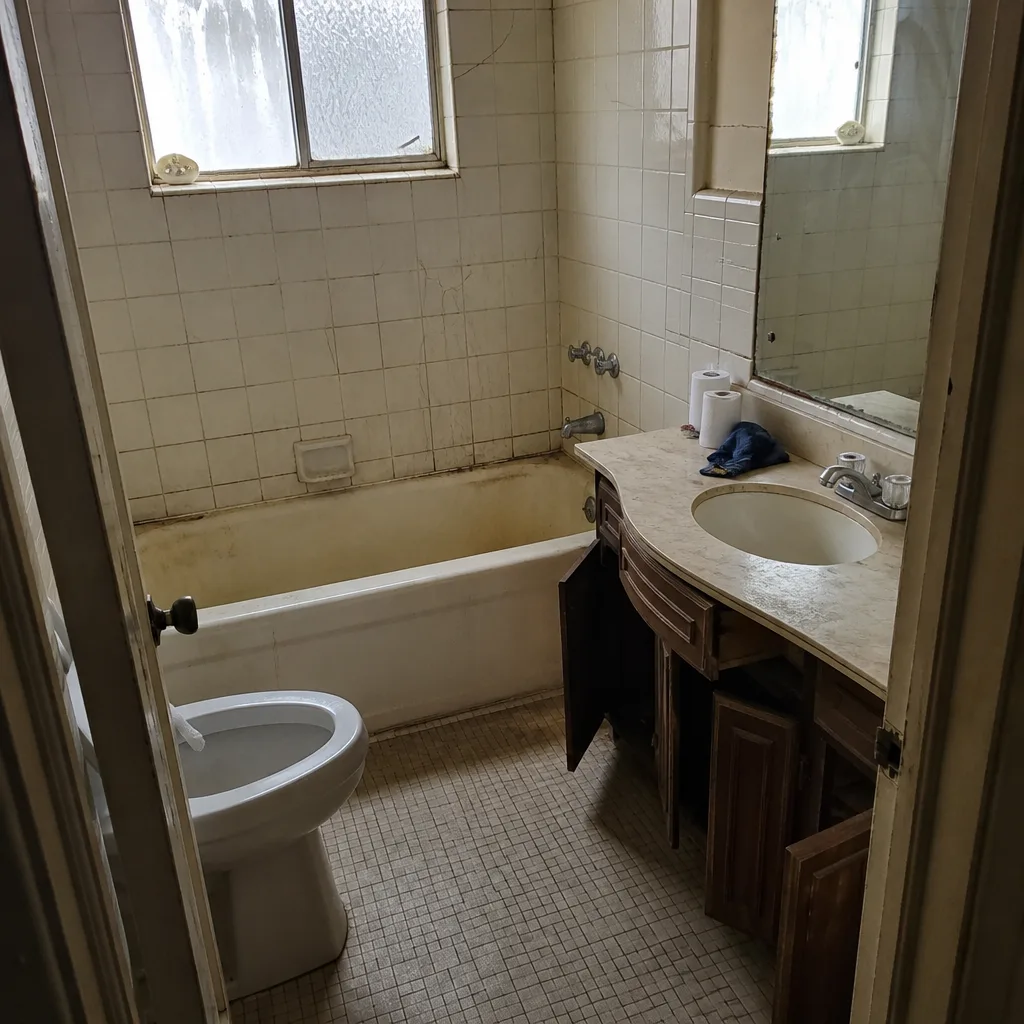 Before
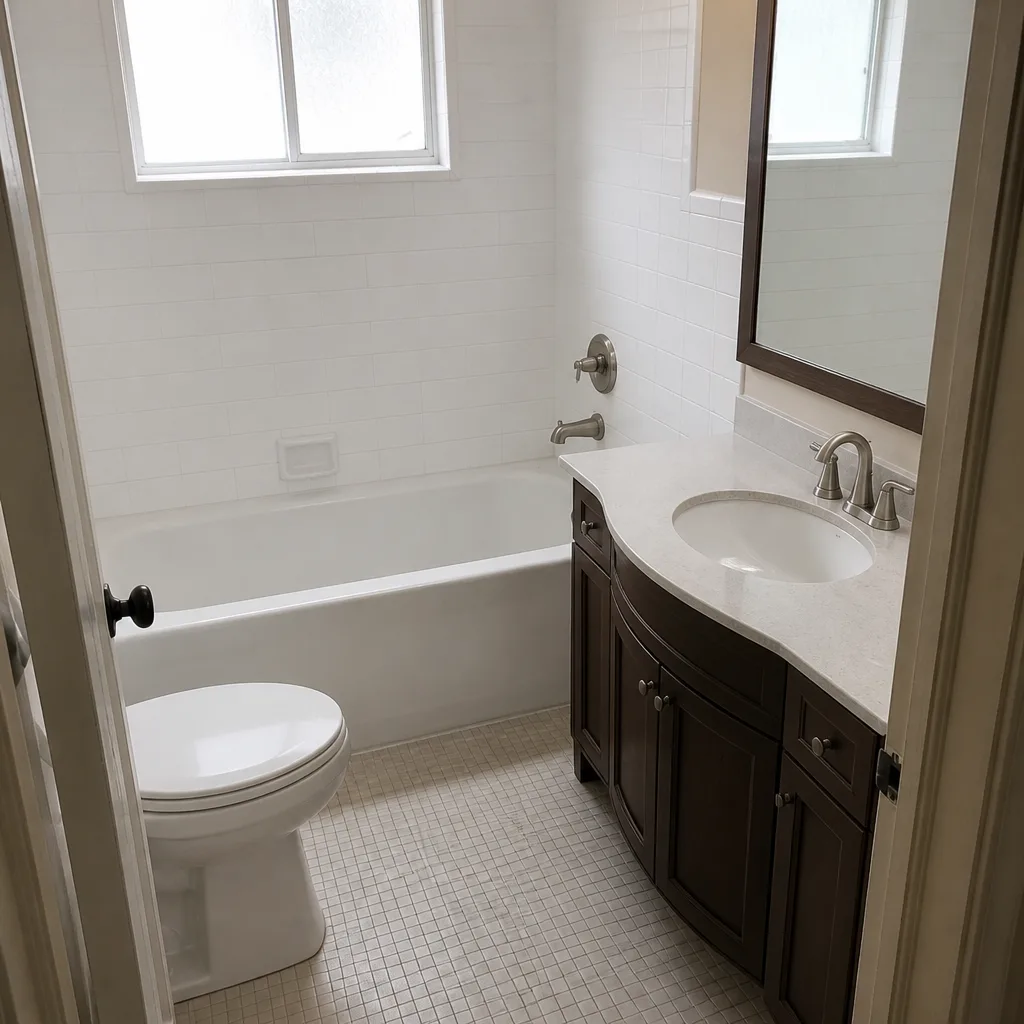 After
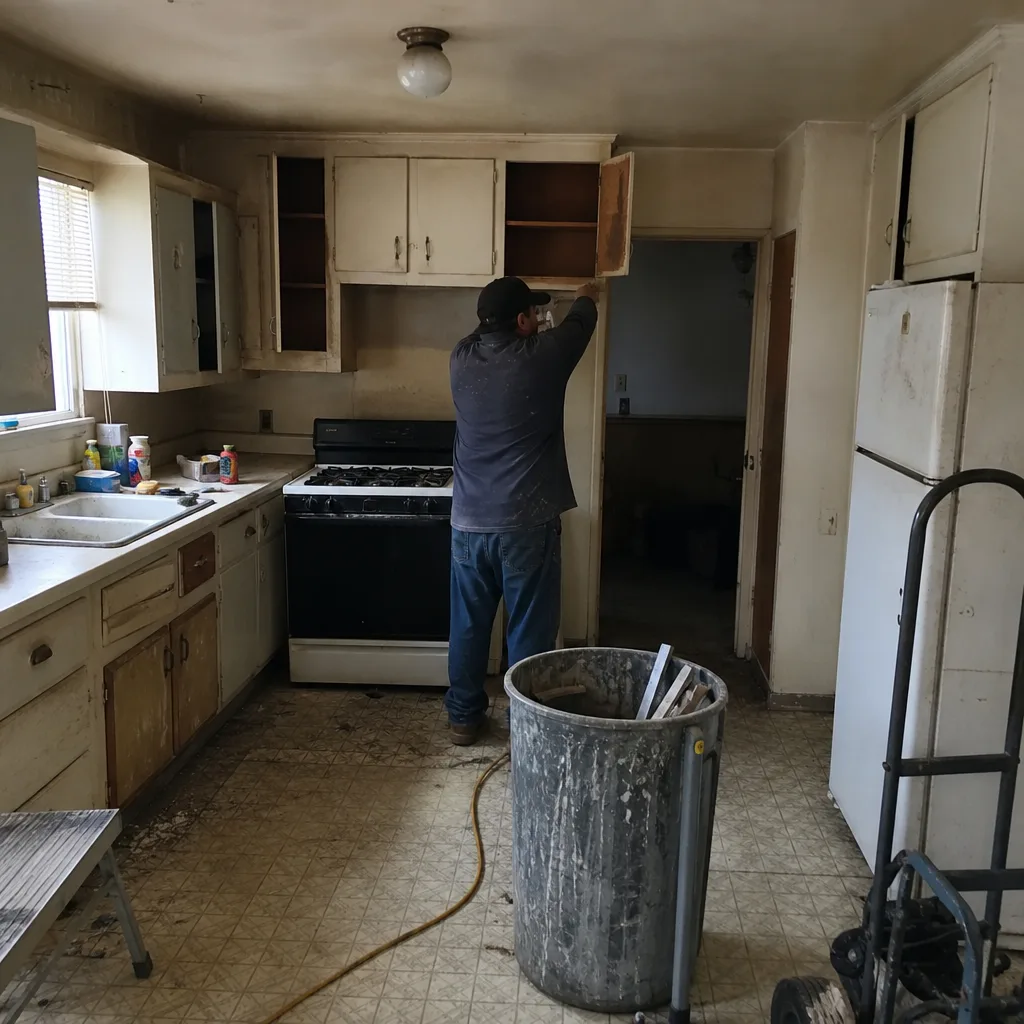 Before
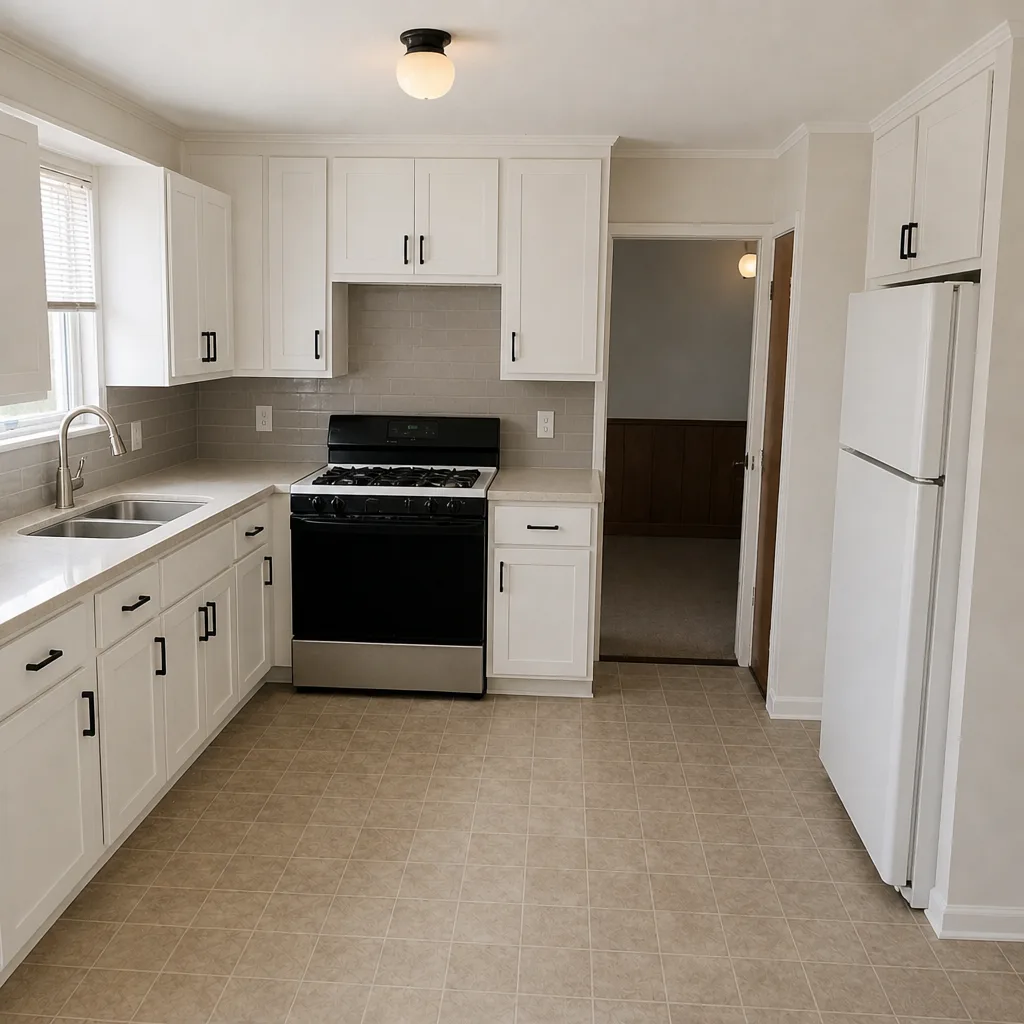 After
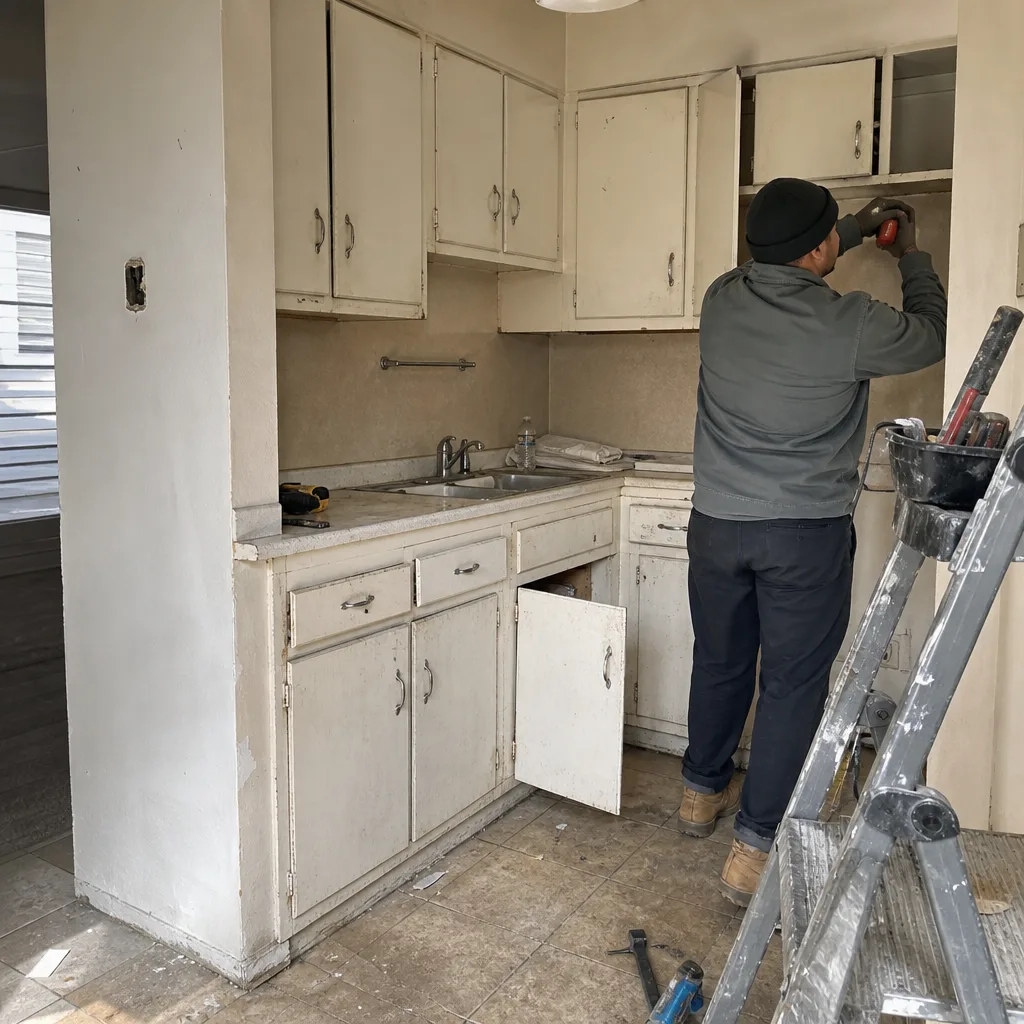 Before
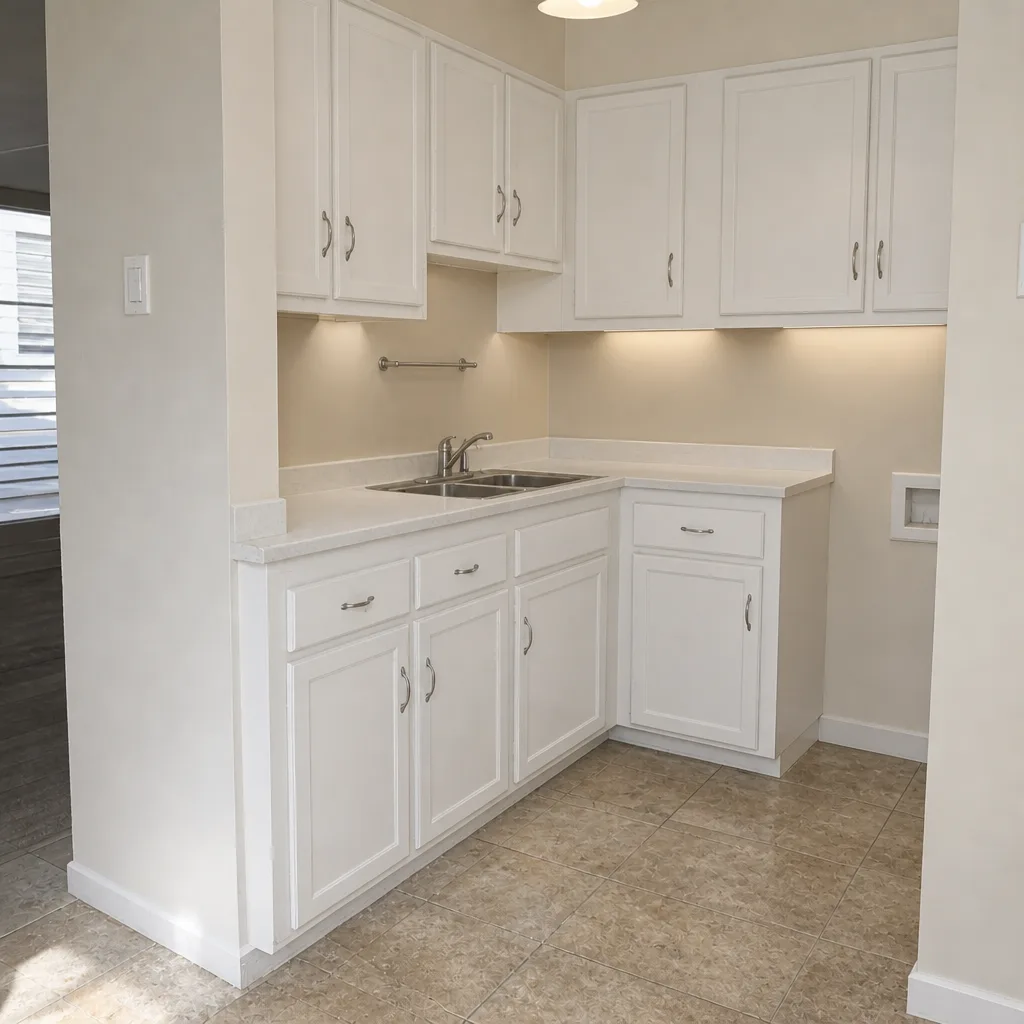 After
When to Call a Professional
Call a professional for any work that touches supply plumbing, drain plumbing, ventilation, electrical, structural framing, or a permit. That covers most of what a real bathroom remodel actually involves in East Los Angeles – the cosmetic-only projects are the minority. Also call if you’re on the fence about a cast-iron stack, if your home was built before 1950 and hasn’t been opened up in decades, or if you’re considering a bathroom addition on a tight or non-conforming lot. These are the jobs where an experienced eye before contract signing saves five figures after.
Bradford Remodeling Co East Los Angeles offers free estimates in East Los Angeles – call (833) 520-6636. Written price before work starts, permits pulled and inspections passed, every project backed by the 365-Day Done Right Promise. If the work fails within a full year of completion, we come back and correct it at no charge.
Frequently Asked Questions
A typical hall bath gut remodel in East Los Angeles runs $18,000 to $32,000 for a 40 to 50 square foot bathroom. Add $3,800 to $8,500 if the cast-iron drain stack needs replacement, and $2,400 to $5,800 if seismic strapping gets triggered. A full primary bath remodel with upgraded finishes lands between $45,000 and $65,000. Call (833) 520-6636 for an exact quote – estimates are free and come in writing before any work starts.
Cosmetic work – paint, tile, vanity swap, faucet, toilet replacement in the same location – typically doesn’t need a permit. Any work that touches supply or drain lines, adds ventilation, adds an electrical circuit, moves a wall, or creates a new bathroom requires a permit through LADBS. Most East Los Angeles hall bath remodels with relocated fixtures fall under an e-permit, approved in 1 to 5 business days. Call (833) 520-6636 and we’ll tell you whether your scope triggers a permit before you commit to a plan.
A hall bath gut remodel typically runs 4 to 7 weeks from demolition to final inspection. Permitting adds 1 to 5 business days for e-permit scope and 3 to 8 weeks if the project goes to full plan check. Bathroom additions run 4 to 7 months including permits and inspection cycles. Bradford technicians have up to 22 years of experience on these timelines – call (833) 520-6636 to schedule a free estimate and get a written schedule in the quote.
At 80 to 100 years old, cast-iron drain stacks in East Los Angeles homes frequently have failing joint seals, root intrusion at the exterior line, and significant internal scaling. The pipe isn’t always failing but it’s usually close, and once drywall and tile are closed over it, the repair costs significantly more than during a remodel. Camera-inspect before demolition. If the stack needs replacement as part of your remodel, call (833) 520-6636 – we price the stack work upfront, not as a surprise add.
Yes, but the lot dictates where. Most East LA lots are 40 to 50 feet wide with 5-foot side setbacks and 20-foot rear setbacks, which means rear additions work in most cases while side additions usually trigger a variance. Detached garages can complicate an addition if they sit inside the proposed footprint. Confirm the zoning on your specific lot before designing – LADBS ZIMAS shows the setbacks for your parcel in minutes. Call (833) 520-6636 if you’re planning a bathroom addition in East Los Angeles and want an experienced view of what’s feasible.
Not with Bradford. Every price we quote is written, line-itemed, and committed to before work starts – no numbers that move at the door. If demolition reveals a condition that wasn’t visible at inspection (a hidden drain break, missing seismic hardware), we bring you a written change order with a firm price on that item before proceeding. We never start work and then invoice for a surprise. That’s the discipline behind the 365-Day Done Right Promise – call (833) 520-6636 to get the written price before you commit.
The Bottom Line
Bathroom remodeling in East Los Angeles is a different animal than remodeling in newer part of the county. The pre-1950 bungalow stock means surprising drain conditions, missing seismic hardware, and decade-old unpermitted work that surfaces at inspection. Budget the right way: full gut remodels $18,000 to $32,000 for a hall bath, more with a stack replacement or seismic strapping. Get the drain scoped before demo. Get the zoning file opened before adding a bathroom. Get every price in writing before work starts, and confirm who’s on the permit. That’s how a bathroom job gets squared away instead of dragging out.
Written by the team at Bradford Remodeling Co East Los Angeles.