Last updated November 17, 2026



Free written scope consultation - allowances, timeline, and change-order rules on paper before a single trade is scheduled
The Complete Home Remodeling Guide for East Los Angeles Homeowners
East Los Angeles has more than 40,000 single-family homes built before 1960, and nearly every one has at least one system (electrical, plumbing, or structural) that will fail current code the moment you open a wall. That fact changes how you should plan a remodel. The hardest part of a whole-home project isn’t picking cabinets or a tile pattern. It’s the order the trades move through your house. Get the sequence wrong and a six-month job stretches to nine. This guide covers the East Los Angeles permit ladder, the housing stock you’ll actually find behind the drywall, the trade order every legitimate general contractor follows, and a cost framework by scope tier.
Quick Answer
A whole-home remodel in East Los Angeles typically runs $75,000 to $350,000 depending on scope, and the deciding factor is sequencing, not the finish budget. Most projects require plan check (not over-the-counter) review at LA County, trigger code-required upgrades to knob-and-tube wiring, galvanized pipe, or cast-iron drains the moment those systems are opened, and break into three cost tiers: cosmetic refresh, systems upgrade, and full structural renovation. Locking the trade order and the contractor’s written obligations before demolition is what keeps the job on time and on budget.
Styles & brands we work with
- Kitchen remodeling
- Bathroom remodeling
- Home additions & ADU
- Roofing
- Windows & doors
- Driveway & pavers
- Fence
Table of Contents
- The LA County Permit Ladder: Plan Check vs. Over-the-Counter
- What’s Actually Behind the Walls in East LA Housing Stock
- The Trade Sequence Every Legitimate GC Follows
- The GC’s Written Obligations You Should Require
- Whole-Home Remodel Budget Framework for East LA
- What Goes Wrong When Steps Get Reordered
- How to Hire a Remodeling Contractor in East Los Angeles
The LA County Permit Ladder: Plan Check vs. Over-the-Counter
Not every permit moves at the same speed, and confusing the two paths is one of the most common timeline killers in East Los Angeles remodels. LA County’s building department splits permits into two tracks: over-the-counter (OTC) and plan check. Knowing which track your project lands on tells you weeks in advance whether your start date is realistic.
Over-the-counter permits are issued the same day at the counter for small, well-defined work: replacing a water heater, swapping fixtures in kind, re-roofing with the same material, minor electrical. Plan check permits require a reviewer to examine drawings, and that review can take several weeks depending on the department’s queue and the completeness of your submittal.
Here’s where the “valuation threshold” matters. The county pegs its review requirements to a published valuation threshold (the dollar value that governs when certain engineering and plan review rules kick in). When your project’s construction valuation crosses it, additional requirements can apply, including more detailed structural review. The number updates annually, so verify the current figure with the department before you submit; a contractor who doesn’t mention the threshold at bid time hasn’t been paying attention.
Simultaneous vs. sequential permits
Whole-home remodels involve several permits: building, electrical, plumbing, mechanical. Pulling them simultaneously (from one submittal, coordinated) usually saves weeks versus pulling them one at a time as each phase arrives. Sequential permitting feels safer because the fee for each is smaller, but it serializes your schedule and often pushes your rough-in inspections behind the finish trades. In our experience, simultaneous submittal with a single coordinated plan set is the disciplined choice for anything beyond a single-room project.
- OTC permits: same-day, in-kind replacement, minor work
- Plan check: weeks of review, any structural, layout, or system change
- Valuation threshold: a dollar figure that triggers additional review requirements; confirm the current number
- Simultaneous submittal: usually faster for multi-trade whole-home work
If your project centers on one room, our Kitchen Remodeling in East Los Angeles page walks through how those permits break down. For whole-home work, treat permitting as the first trade on your schedule.
What’s Actually Behind the Walls in East LA Housing Stock
East Los Angeles was largely built out between the 1920s and the 1950s, and that era left four recurring conditions in nearly every home we open up. Some are code-triggered upgrades (required once you expose or extend them). Others are elective. Knowing the difference before you budget is the difference between a plan that holds and a plan that reprices in week three.
Knob-and-tube wiring
Common in East LA homes from the pre-war era. It has no ground conductor, and brittle cloth insulation that fails when disturbed. Code-triggered: once you open walls and extend or alter circuits, you’re expected to bring the affected wiring up to current code. Full rewire is often the honest call.
Galvanized supply pipe
Galvanized steel supply lines corrode from the inside out and restrict flow. If you’re re-piping a kitchen or bath anyway, replacing the run you’ve exposed is the sensible move. Code-triggered when you alter the supply system; elective if it’s still performing and you’re not touching it.
Cast-iron drain stacks
Cast iron drains last decades but eventually scale, crack, and root-invade. Code-triggered when you’re changing fixture locations or re-routing drains; leaving them is defensible only if they’re sound and untouched.
Unreinforced masonry foundations
Some older East LA homes sit on unreinforced brick or pier-and-beam foundations that need seismic attention. This is often the largest single line item. It’s code-triggered when your structural work exposes or alters the foundation.
The point: a wall you open for cosmetics can expose a required upgrade. A contractor who quotes without walking those systems is guessing. Our General Contractor in East Los Angeles page covers how we scope those unknowns up front.
The Trade Sequence Every Legitimate GC Follows
Sequencing is the whole game. The order trades walk through your house determines whether inspection deadlines, material lead times, and finish quality all line up. Every disciplined general contractor follows the same sequence, and it exists for structural reasons, not habit.
- Demolition and site protection. Tear-out, dust control, and hauling. What gets saved and what gets binned.
- Structural work. Framing, beams, foundation, headers. Never followed by finish trades until inspected.
- Rough plumbing. Supply and drain lines run while walls are open.
- Rough electrical. Wiring, boxes, panel work. Must precede drywall and pass rough inspection.
- HVAC. Ductwork and equipment placement coordinated with framing and electrical.
- Insulation. After rough-in inspections clear, before drywall.
- Rough inspections. The gate. Nothing closes up until the inspector signs off.
- Drywall and finish. Hang, tape, texture, then trim, cabinetry, tile, fixtures, and paint.
The rough-in inspection is a milestone, not a formality. Closing drywall before it clears means tearing walls open again, a cost no homeowner should ever absorb. When we use the word “rough-in,” we mean the pipes and wires placed inside the walls before any surface goes on. Close walls too early and you pay twice.
The GC’s Written Obligations You Should Require
Most homeowners hand the sequencing to a contractor with no written obligation to honor it, then discover in month four that no one documented the order or the inspection gates. Before the first draw payment, require these in writing:
- Licensed subcontractor list. The specific subs (name and trade) for plumbing, electrical, HVAC, framing. You should know who’s actually doing the work.
- Lien waiver schedule. Every draw payment pairs with a conditional lien waiver from the subs and suppliers, so nobody can lien your house for work you already paid for.
- Change-order authorization threshold. A written dollar cap and a signature requirement before any change order executes. This is the clause that stops “repricing at the door.”
- Inspection milestone sign-offs. Written proof of each rough and final inspection tied to the draw schedule, so payouts release on verified work, not verbal updates.
This is exactly what The Garrison Standard puts on paper: a written price before any work starts, a documented scope, and the guarantee terms in the homeowner’s hand at close, not in a brochure. Bradford Remodeling operates under The Garrison Code, and part of that code is refusing to touch a project where the obligations aren’t documented up front. A live person answers our phone around the clock, so you’re never chasing a voicemail during your build.
Whole-Home Remodel Budget Framework for East LA
Costs swing widely by home condition and finish level, but the tiers are the useful framework. Here’s how the scopes separate in the East Los Angeles market, and what line items push you from one tier to the next. Every number below is a range, not a promise; your written price comes from a site walk.
| Scope tier | Typical range | What it includes | What pushes you up a tier |
|---|---|---|---|
| Cosmetic refresh | $25,000 – $75,000 | Paint, flooring, fixtures, cabinet reface or replacement, lighting swaps, minor surface repair | Any wiring, plumbing, or framing change |
| Systems upgrade | $75,000 – $180,000 | Electrical panel and rewire, supply re-pipe, drain work, HVAC replacement, insulation, drywall | Foundation or structural work |
| Full structural renovation | $180,000 – $350,000+ | Framing, foundation, seismic retrofit, layout changes, all systems, full finish | Additions, load-bearing changes, unreinforced masonry |
The specific cost items that separate the tiers: electrical rewire and panel upgrade (a systems item), supply re-pipe and drain replacement (systems), unreinforced masonry foundation work (structural), and load-bearing wall changes (structural). Cosmetic budgets break when a wall opens onto knob-and-tube or galvanized pipe. Budget the systems tier if your home predates 1950 and you’re altering walls.
Material selection moves cost as well. Documented name-brand lines keep specifications traceable rather than guesswork: KraftMaid cabinetry, James Hardie exterior siding, Therma-Tru doors, Cambria surfaces, and Kohler or Moen fixtures all carry manufacturer specs and warranties that back Bradford’s own written guarantee. If your plan is concentrated in the kitchen or bath, see our Bathroom Remodeling in East Los Angeles page for the room-level breakdown.
What Goes Wrong When Steps Get Reordered
Reorder the sequence to “save time” and the savings reverse. Here’s what actually breaks.
Drywall before rough inspection means tearing out fresh work, a double charge for materials and labor that lands on your invoice. Rough electrical after insulation means cutting open walls again. Plumbing after new flooring means damage you paid for twice. HVAC after drywall means routed ductwork through finished ceilings. Each shortcut trades days now for weeks later, and the later weeks always cost more. The homeowners we’ve seen lose the most are the ones who let scheduling pressure override the sequence; a contractor who respects the order tells you the truth about timing instead of telling you what you want to hear.
How to Hire a Remodeling Contractor in East Los Angeles
A few checks separate a disciplined contractor from a risk.
- Written price before work starts. Not a range, not “we’ll confirm at the door.” A number in writing.
- Documented brand roster. Ask which cabinet, siding, and fixture brands they spec, and whether the specs are written into your scope.
- Background-checked, uniformed technicians. You should know who is walking through your door before they arrive.
- The written guarantee, in hand. Know its term and exactly what it covers before you sign.
- Live-person phone coverage. A real person answers, not a voicemail queue.
Our technicians bring up to 22 years of experience, and every completed project carries the 365-Day Done Right Promise: if the work fails within a full year, we return and correct it at no charge. That’s the guarantee in writing, not a verbal promise. Start at our Bradford Remodeling Co East Los Angeles home page to see how we structure a whole-home build.
Common Mistakes to Avoid
- Handing the sequencing to a contractor with no written obligation. If the trade order and inspection gates aren’t documented, you have no recourse when they slip.
- Pulling permits one at a time. Sequential permitting serializes your schedule and pushes rough inspections behind finish trades in East Los Angeles.
- Budgeting cosmetic over systems in a pre-1950 home. Knob-and-tube and galvanized pipe are code-triggered the moment you open walls.
- Paying draws without lien waivers. Every payment should pair with a conditional waiver so no sub can lien your house for work already paid.
- Accepting a verbal price. “We’ll lock it in at the door” is how surprise invoices happen.
- Closing drywall before rough inspection clears. It means reopening the wall later at your cost.
- Skipping the valuation threshold check. If the project’s value crosses it, extra review requirements can apply; confirm the current figure before you submit.
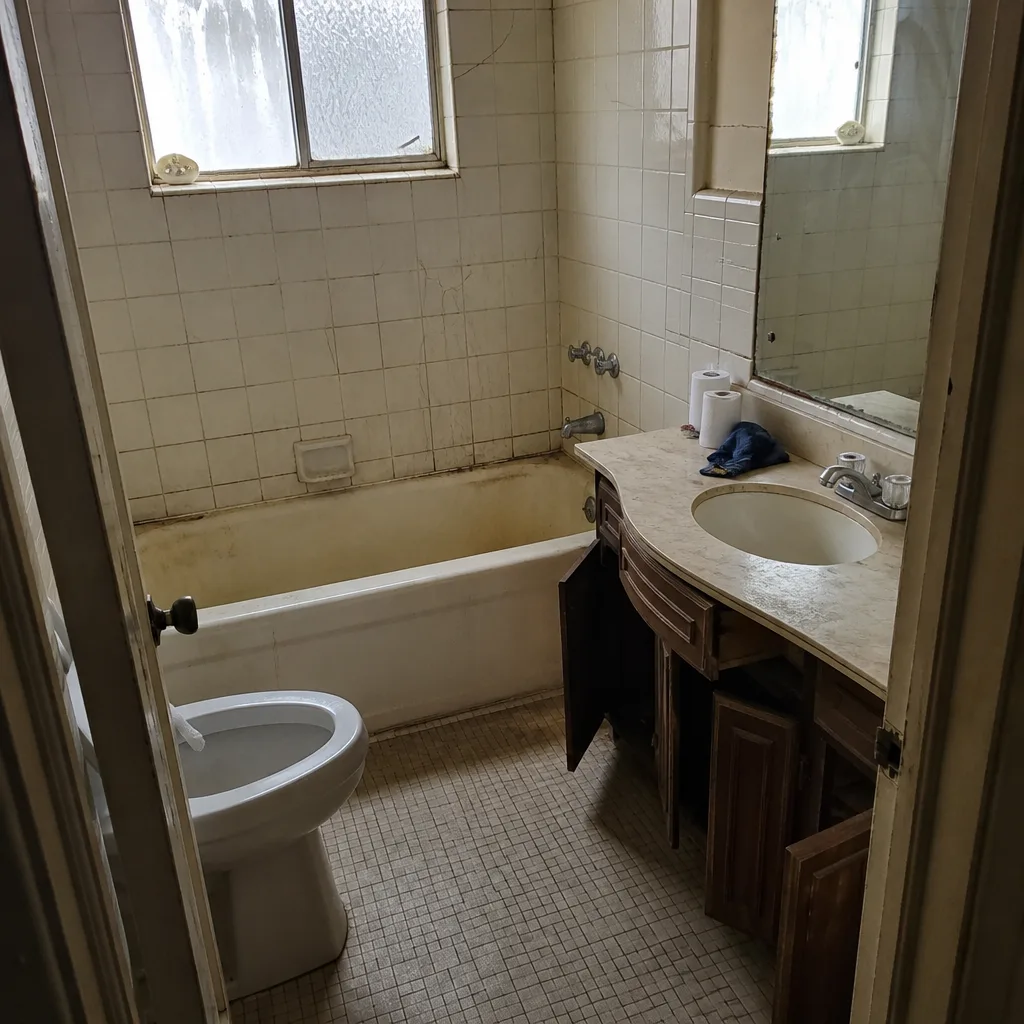
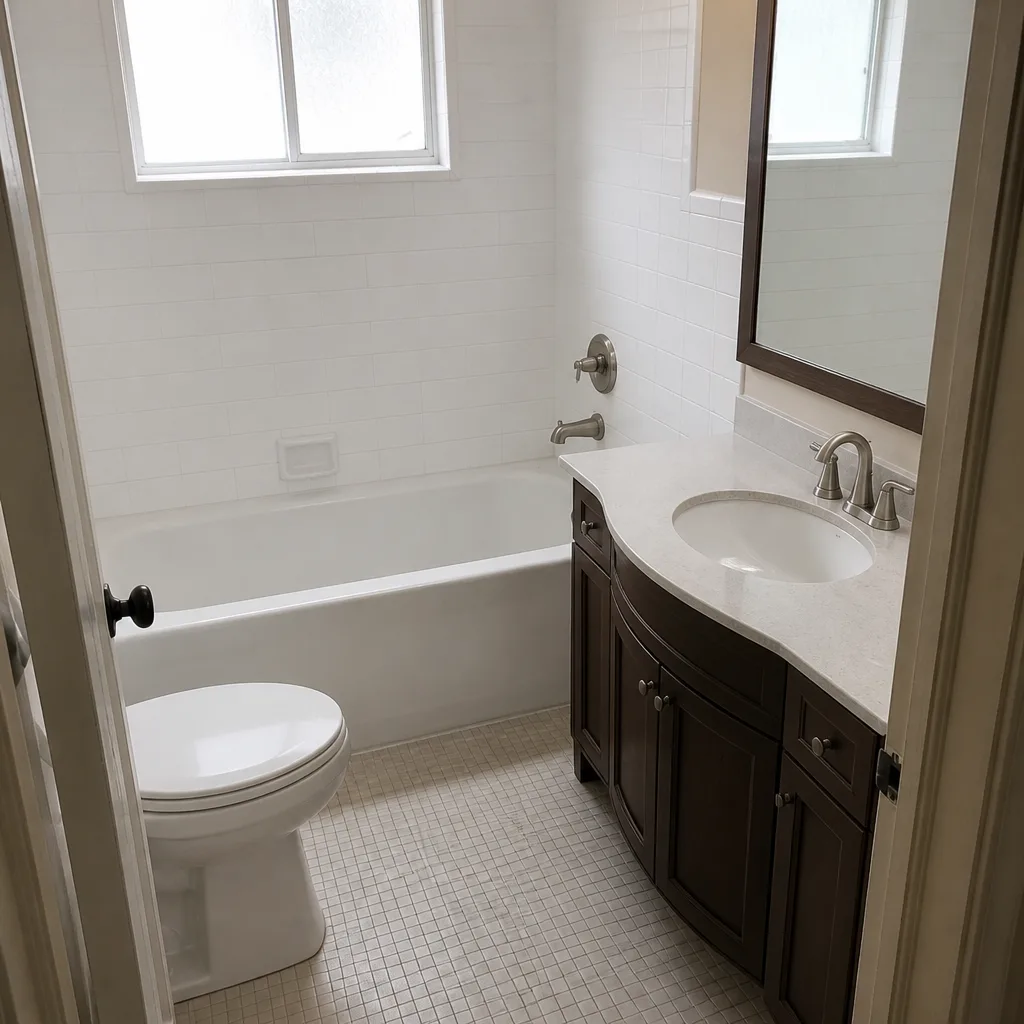
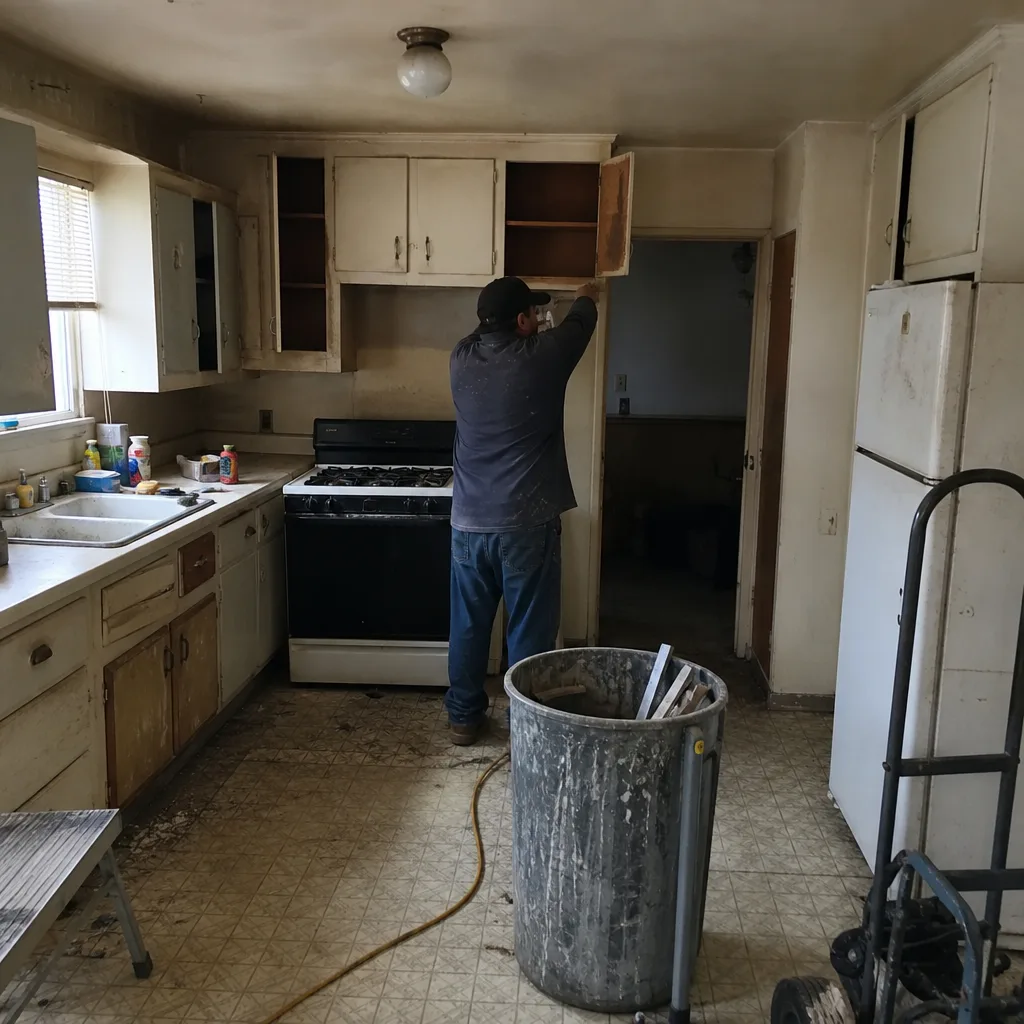
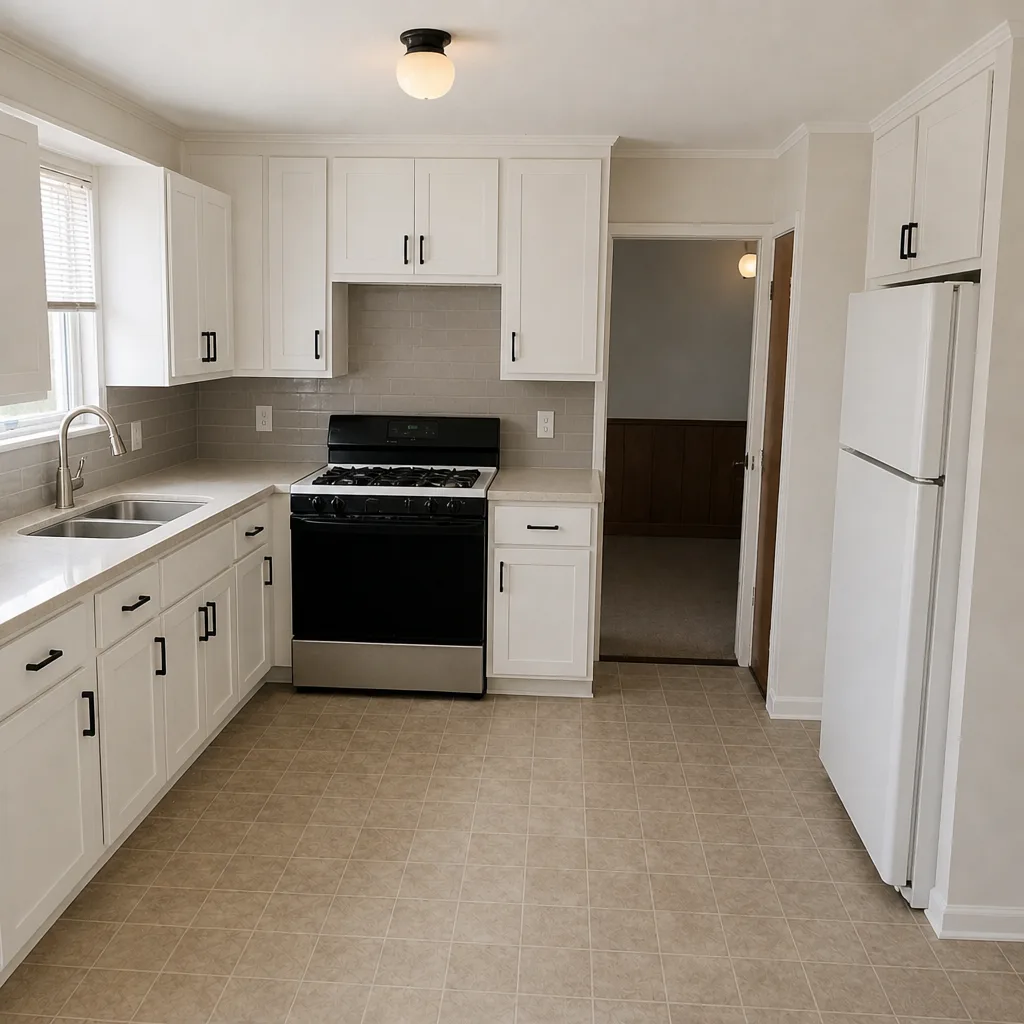
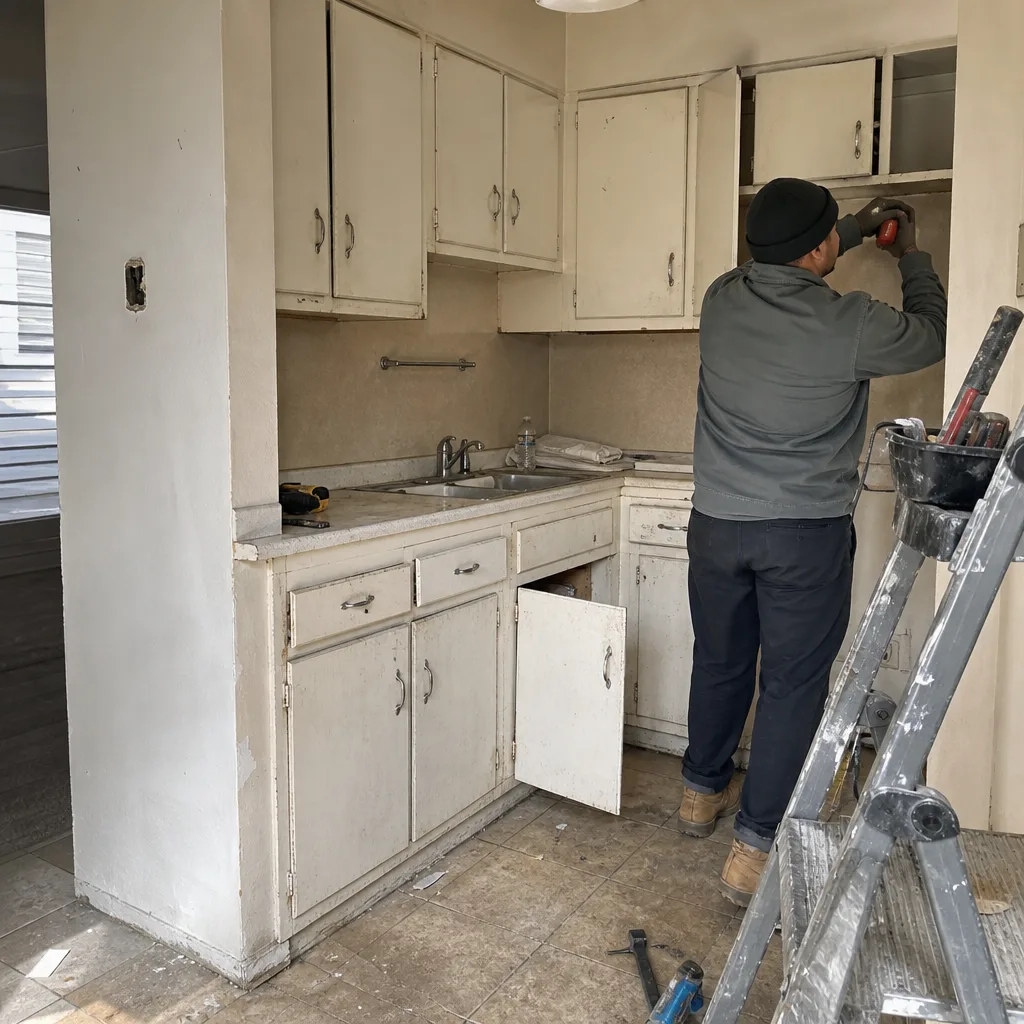
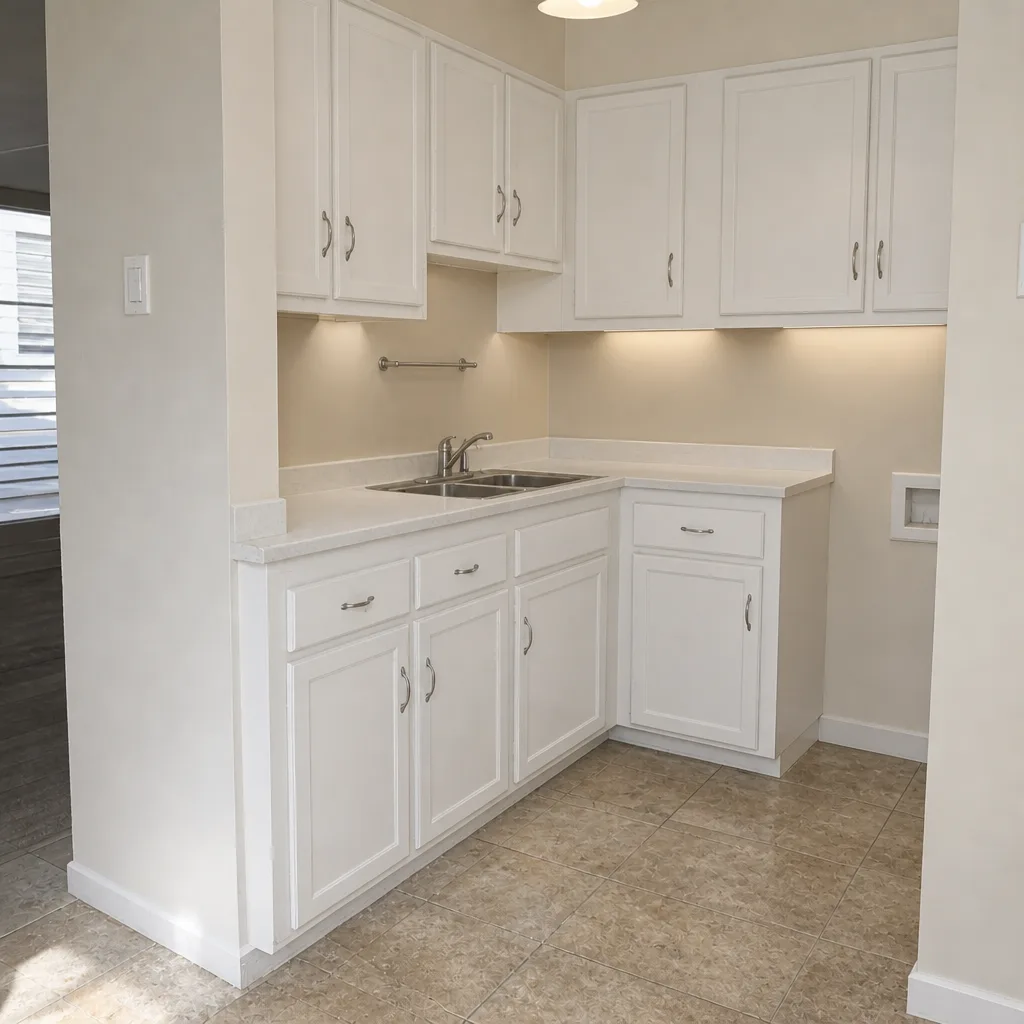
See the difference
 Before
 After
 Before
 After
 Before
 After
When to Call a Professional
Call a licensed general contractor when a project involves any of the following: opening structural walls, changing a home’s layout, upgrading an electrical panel or rewiring, replacing galvanized supply lines or cast-iron drains, addressing an unreinforced masonry foundation, or coordinating multiple trades under one schedule. These are not weekend scope. They’re permit-and-inspection territory, and a mistake in any of them can fail inspection or, worse, threaten safety. High-tension electrical and structural work specifically call for a trained professional, and no guide should talk a homeowner into handling them alone. Bradford Remodeling Co East Los Angeles offers free estimates in East Los Angeles. Call (833) 520-6636 to schedule yours, and you’ll get a written price before any work starts.
Frequently Asked Questions
A whole-home remodel in East Los Angeles typically runs $75,000 to $350,000 depending on scope tier: cosmetic refresh ($25,000-$75,000), systems upgrade ($75,000-$180,000), and full structural renovation ($180,000-$350,000+). Pre-1950 homes often land in the systems tier because of code-triggered wiring and plumbing upgrades. Call (833) 520-6636 for an exact written price; estimates are free.
Over-the-counter permits cover same-day, in-kind replacement and minor work; plan check covers any structural, layout, or system change. Most whole-home East Los Angeles remodels require plan check review, which can take weeks. Confirm which track applies before you set a start date, and watch the valuation threshold for additional requirements.
It shouldn’t, if the price is written before work begins and change orders require your signed authorization with a dollar threshold. The risk of repricing comes from contractors who quote without walking the systems. Bradford gives you a written price up front, and any change order is documented and signed before it executes. Call (833) 520-6636 to schedule a free estimate.
Permitting is part of the documented scope. Bradford coordinates submittal, inspection milestones, and sign-offs as part of the written work agreement, and the inspection sign-offs are tied to your draw schedule. Ask for the permit plan in writing at bid time; we put every obligation on paper under The Garrison Standard.
Plan check review alone can take several weeks, and the construction phase depends on scope tier and inspection scheduling. Cosmetic work runs shorter than a full structural renovation, which involves foundation, framing, and all systems. Your written schedule follows the trade sequence: demo, structural, rough plumbing, rough electrical, HVAC, insulation, inspection, drywall, finish.
Every completed Bradford project carries a full-year written guarantee. If the work fails within that 365-day window, Bradford returns and corrects it at no charge. The guarantee terms live in the homeowner’s hand at close, not in a brochure, and it’s backed by The Garrison Standard. Call (833) 520-6636 to see the guarantee terms with a free estimate.
The Bottom Line
Whole-home remodeling in East Los Angeles is a sequencing problem first. Lock the trade order, confirm your permit track and the valuation threshold, expect code-triggered systems upgrades in any pre-1950 home, and require the contractor’s obligations in writing: sub list, lien waivers, change-order threshold, inspection sign-offs. Budget by tier, not by finish. Do that and the finish selections are the easy part. A contractor who commits to the sequence in writing is the one who finishes on time, in budget, with the site clean and the guarantee signed.
Bradford Remodeling Co East Los Angeles works under The Garrison Standard, with a written price before any work starts, background-checked technicians, and the 365-Day Done Right Promise on every project. A live person answers the phone day or night. Call (833) 520-6636 for a free estimate and get your whole-home project squared away in writing.
Written by the team at Bradford Remodeling Co East Los Angeles.