Last updated November 17, 2026
Free written scope consultation - allowances, timeline, and change-order rules on paper before a single trade is scheduled
Construction Cost Breakdown: The East Los Angeles Homeowner’s Reference for 2026
The difference between a $28,000 and a $44,000 bathroom remodel bid in East Los Angeles is usually not quality. It’s whether the lower bid priced licensed subcontractors, pulled a permit, and included a contingency for the galvanized supply lines almost every pre-1980 ELA home still has behind the walls. Most published cost guides quote national averages built from markets where labor runs cheaper and permits cost less. Those numbers don’t hold here. This reference gives you real 2026 cost ranges by trade and by project type, explains each line item so you can audit a bid instead of just comparing totals, and shows you how to spot the exclusions that turn a firm price into a moving one.
Quick Answer
Remodeling costs in East Los Angeles in 2026 run roughly 20-40% above national published averages, driven by higher local labor rates, Los Angeles permit fees, and material delivery costs into an older housing stock. A mid-range bathroom remodel runs $28,000-$52,000, a kitchen remodel runs $42,000-$85,000, and trade labor runs $65-$145 per hour depending on the trade. The single biggest cost risk in East Los Angeles homes is hidden conditions behind the walls: galvanized plumbing, undersized electrical, and framing that doesn’t match the drawings.
Styles & brands we work with
- Kitchen remodeling
- Bathroom remodeling
- Home additions & ADU
- Roofing
- Windows & doors
- Driveway & pavers
- Fence
Table of Contents
- Trade-by-Trade Labor Rates in East Los Angeles for 2026
- Permit Fees: How LA County and City of LA Structure Them
- Material Line Items Contractors Under-Specify
- How to Read a Bid for Exclusions
- Contingency by Project Type
- Full Project Cost Ranges by Type
- A Step-by-Step Bid Audit
Trade-by-Trade Labor Rates in East Los Angeles for 2026
Labor is where the most expensive misunderstandings happen, because homeowners compare a total bid against another total bid without seeing the hourly rate underneath. In East Los Angeles, licensed trades bill in a wide band, and the band shifts with whether the crew is union or open-shop, whether the work is residential or light commercial, and how accessible the site is. A garage conversion off a narrow driveway costs more in labor than the same square footage with a wide side yard, because every sheet of material moves by hand.
Here’s the 2026 band we see on bids across the neighborhood, from Boyle Heights to City Terrace to unincorporated East LA:
- Framing: $75-$130 per hour. Union carpenters sit at the top of the band; open-shop crews sit lower but may carry less specialized experience with seismic tie-ins, which matter in this region.
- Electrical: $90-$145 per hour for a licensed journeyman. Panel work and any service upgrade command the top of the band because of the permit and inspection load.
- Plumbing: $85-$140 per hour. Repiping a home with galvanized lines is a labor-heavy job; a copper or PEX repipe of a 1,200-square-foot home typically runs 30-50 hours of plumbing labor before finish work.
- Tile: $65-$110 per hour, or $12-$28 per square foot installed for standard ceramic and porcelain, more for large-format or natural stone.
- Drywall: $55-$95 per hour, or $2.50-$4.50 per square foot hung, taped, and finished to a level-4 surface ready for paint.
The union versus non-union distinction is real but it’s not the whole story. What matters more is whether the crew doing the work is on the contractor’s payroll or subcontracted, and whether the bid names the licensed trades. A bid that says “electrical included” without a licensed electrician’s scope line is a bid you should question before you sign it. If you’re comparing full-service bids, our general contractor page for East Los Angeles explains how a documented scope is built project by project.
Permit Fees: How LA County and City of LA Structure Them
Permit fees are a line item homeowners routinely misjudge, and contractors routinely use to pad a bid. The City of Los Angeles and LA County each calculate residential permit fees differently, and a portion of East Los Angeles sits in the unincorporated county while other blocks fall inside city limits. That boundary matters because the fee schedule and the inspection process change when you cross it.
Both agencies base structural and building permit fees on a valuation of the work, then add plan-check fees, and in some cases a separate electrical, plumbing, and mechanical permit for each trade. A rough working method:
- Estimate the valuation. Take the contract price for the permitted scope and, for most residential alterations, that number is close to the valuation the agency will use.
- Apply the fee formula. City and county schedules both step the fee down as valuation rises, so a bathroom permit and a full kitchen permit aren’t simply proportional to cost.
- Add trade permits. Electrical, plumbing, and mechanical permits are typically separate and can each add a few hundred dollars.
- Add plan-check and inspection fees. Larger scopes and any structural work trigger plan check, which adds time and cost.
- Budget the soft costs. Plan sets, engineering stamps, and title-24 energy documentation are not permit fees, but they show up on the same part of the invoice.
For a typical East Los Angeles bathroom or kitchen alteration, we see total permit and plan-review costs landing in the $800-$2,500 range depending on scope and jurisdiction. A whole-home remodel with structural changes can climb into the several-thousand-dollar range. Any bid that doesn’t show permits as a separate line item is hiding either the fee or the fact that the work won’t be permitted at all. Ask for the permit line before you compare totals.
Material Line Items Contractors Under-Specify
The materials most often missing from a bid are not the ones you see. Cabinets, counters, and fixtures are visible, so they get priced. The items behind and under them are what quietly add thousands when the work starts and the crew can’t proceed without them.
- Blocking and backing: Wood framing added inside walls so grab bars, heavy mirrors, TV mounts, and wall-hung vanities have something to bite into. Small material cost, real labor cost, and often left out of bids. Figure $300-$900 on a bathroom remodel.
- Waterproofing membrane: The uncoupling and vapor membrane behind tile in a wet area. Skimping on it is how showers fail in five years. $400-$1,200 depending on square footage and product.
- Fasteners and adhesives: The right screws, sealants, and thin-set for the substrate. These are small line items individually and add up to several hundred dollars a project, which is why contractors who don’t price them pad elsewhere.
- Substrate and sheathing: Cement board, plywood, and the patch material that follows demolition. A 1955 home with a rock-lath or drywall-over-plaster wall may need full re-sheathing in the wet areas.
- Trim and transition: Baseboard, door casing, thresholds, and the material that brings a tiled floor back to a wood one. Frequently missing from the bid entirely.
Add these five categories up on a kitchen or bathroom in East Los Angeles and you land near $2,000-$5,000 that should have been in the original number. When we write a bid through The Garrison Standard, those line items are named and priced before a tool comes out, because a price that moves is a price that wasn’t correctly prepared. If your plans include a kitchen, our kitchen remodeling page walks through the specific materials we specify for this housing stock.
How to Read a Bid for Exclusions
The standard exclusion that costs East Los Angeles homeowners the most is galvanized supply lines. Most homes built before 1980 in this area were originally plumbed in galvanized steel, and the pipe has often been partly replaced with copper or PEX over the decades, leaving a mix. When you open a bathroom wall, that mixed plumbing shows up, and it can’t be left as-is without a permit-level repair. That repair is a $1,500-$6,000 line item that rarely appears in the original bid.
Other exclusions that add $2,000-$8,000 when discovered mid-project in East Los Angeles homes:
- Electrical service capacity. A 100-amp panel in a 1950s home can’t handle a modern kitchen’s appliance load. Panel replacement and service upgrade runs $2,500-$6,000.
- Undersized or unpermitted prior work. Additions, conversions, and enclosed patios built without permits are common in this housing stock and often must be corrected before new work can be signed off.
- Framing that doesn’t match drawings. Remodels of homes this age frequently find structural framing that requires an engineer and a corrected plan, adding $1,500-$5,000 in engineering and framing repair.
- Asbestos in older materials. Homes built before the mid-1970s can contain asbestos in floor tile, mastic, or wallboard compound. Testing and abatement is a separate licensed-scope cost, $1,000-$3,500 for a small bathroom.
- Termite and dry-rot repair. Not an exclusion if the contractor performs it, but a frequent surprise in older East LA homes. $800-$4,000.
A bid with a written scope and a stated exclusion list gives you a number you can audit. A bid without either is a placeholder. Our team writes bids that name every exclusion up front, because we’ve seen too many homeowners find out mid-wall that the job just got more expensive.
Contingency by Project Type
Contingency is the honest line item. It is not padding, and it is not the same as the contractor’s profit. It’s the money set aside to handle conditions the drawings can’t see. In East Los Angeles, that number is higher than most cost guides suggest, because the housing stock is older and the hidden conditions are real.
Here’s how we structure it, and how you should too:
- Bathroom remodel in a pre-1980 home: 20% of the contract price. Galvanized supply lines, undersized electrical, and waterproofing deficiencies in the wet area are the three drivers.
- Kitchen remodel: 15%-20%. Electrical and plumbing are the wild cards, and appliance load sometimes forces a panel upgrade.
- Full interior cosmetic remodel (no structural change): 10%. Lower risk, but the door and window openings still hide framing issues.
- Whole-home remodel or addition: 20%-25%. Structural, mechanical, and envelope work all interact, and the chance of discovering a prior unpermitted alteration is high.
The contingency goes in the contract as a defined allowance with a written release trigger: if the allowance isn’t used, it comes back to you. Ask your contractor to state in writing how the contingency is drawn and what happens to the unused balance. That’s the difference between a contingency and a slush fund. Our bathroom remodeling page shows how this plays out specifically for the pre-1980 baths that make up so much of the East LA stock.
Full Project Cost Ranges by Type
The totals below are working ranges for East Los Angeles in 2026, based on the kind of moderately appointed remodel most homeowners here are pricing. They include labor, materials, permits, and finish work at a mid-range specification. They do not include major structural changes, high-end custom millwork, or luxury appliance packages, which push these numbers up considerably.
- Bathroom remodel, full gut to studs: $28,000-$52,000. Larger full bathrooms with tile throughout and a curbless shower sit at the top of the band.
- Kitchen remodel, full scope: $42,000-$85,000. Cabinet line and surface material are the two biggest swing factors. KraftMaid and Wellborn cabinetry with Cambria or Caesarstone surfaces is a common mid-to-upper specification here.
- Whole-home whole-house remodel: $95,000-$250,000 depending on square footage and how much of the mechanical and envelope comes out.
- Garage conversion or ADU: $95,000-$180,000. ADU financing and permitting often make modular or prefab options competitive; brands like Abodu and Dvele build product lines designed around the California ADU market.
- Exterior re-roof and siding: GAF shingles and James Hardie siding are the two most commonly specified exterior products in this market, and their manufacturer warranty terms are worth reading closely before you sign.
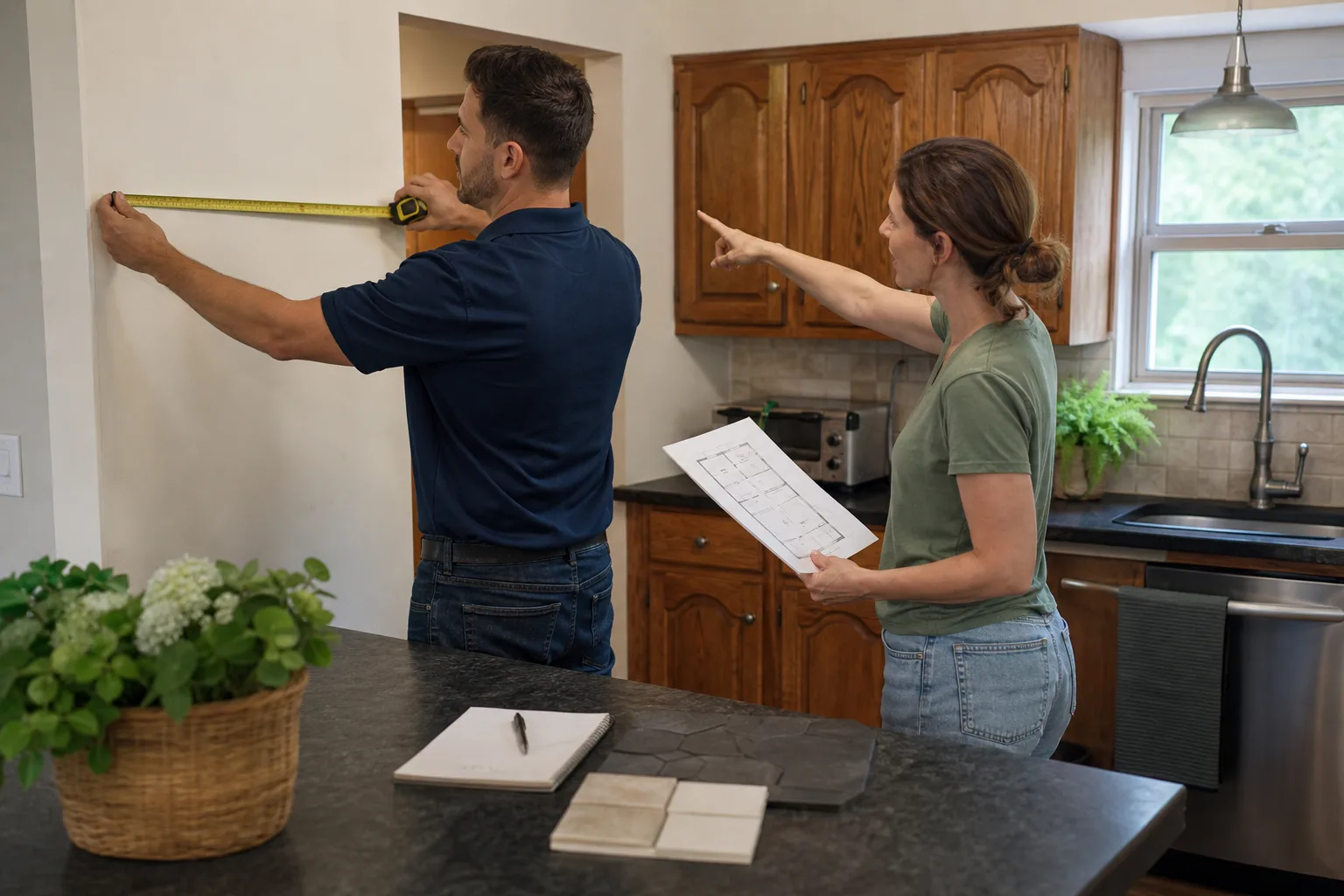
Every number in these ranges comes with a written line-item quote in our operation. No change orders at the door, no repricing once work starts, no guessing whether the permit was included. If you want to know what your specific project costs, the only honest answer comes from an estimate that walks the house. Bradford Remodeling Co East Los Angeles home lays out how we handle that first walk-through.
A Step-by-Step Bid Audit
Before you compare two bids by their bottom line, run each one through this audit. It takes an hour and it will tell you which number is real. In our experience, most homeowners who compare totals instead of scopes end up paying more than the difference between the bids.
- Check that every trade is named. Framing, electrical, plumbing, tile, drywall, paint, and finish carpentry should each have a scope line. If a trade is missing, ask why. If “electrical” appears without a licensed electrician’s scope, the bid is incomplete.
- Find the permit line. Permits should be itemized, not bundled into an “other” line. Confirm whether the contractor pulls the permit or you do, and whether plan-check costs are included.
- Look for the exclusion list. A legitimate bid names what it does not cover: galvanized repiping, panel upgrades, structural repair, asbestos testing. A bid without an exclusion list has stored every surprise for later.
- Verify the material brands. Vague material language (“premium cabinets,” “quality fixtures”) lets the contractor choose the cheapest option that fits. A bid should name the brand and model line. We specify KraftMaid, Wellborn, Cambria, Kohler, Moen, GAF, James Hardie, and Therma-Tru by name, because traceable specs are what protect you.
- Check the payment schedule. Standard is a deposit no larger than the material load, progress payments tied to completed milestones, and a retention held until the punch list is closed. A contractor who wants most of the money up front is a contractor you should not use.
- Confirm the guarantee terms. A written guarantee with a stated duration and a stated correction remedy is what you’re paying for. Ask for it in the contract, not in conversation.
- Run the contingency test. Ask each bidder what contingency they’d recommend for a home of this age and how it’s structured. The bidder who answers with a specific percentage and a release trigger is the one who has done the work before.
Common Mistakes to Avoid
- Comparing totals instead of scopes. Two bids with a $16,000 gap are almost never the same job. Line up each scope item side by side and the difference usually shows up as licensed labor, permits, or hidden materials one bidder priced and the other didn’t.
- Using national cost averages. Published averages for a bathroom remodel don’t include Los Angeles permit fees, local labor rates, or the condition risk of a 1955 home. Use local ranges and a proper contingency instead.
- Skipping the permit to save money. Unpermitted work in East Los Angeles becomes a disclosure problem at sale and can be ordered corrected by the City or County. The $800-$2,500 you saved becomes a $10,000 problem.
- Not writing out the contingency. A contingency held verbally is not a contingency, it’s a credit line for the contractor. Put it in the contract with a release trigger.
- Accepting vague material language. “Premium materials” is not a specification. Get brand and product line in writing.
- Paying too much up front. A large deposit before materials arrive is a red flag. Tie payments to milestones completed and inspected.
- Walking away from the written guarantee. If it isn’t in the contract, it isn’t real. The guarantee term, the remedy, and the process for getting a correction visit should all be written before the first payment.
See the difference
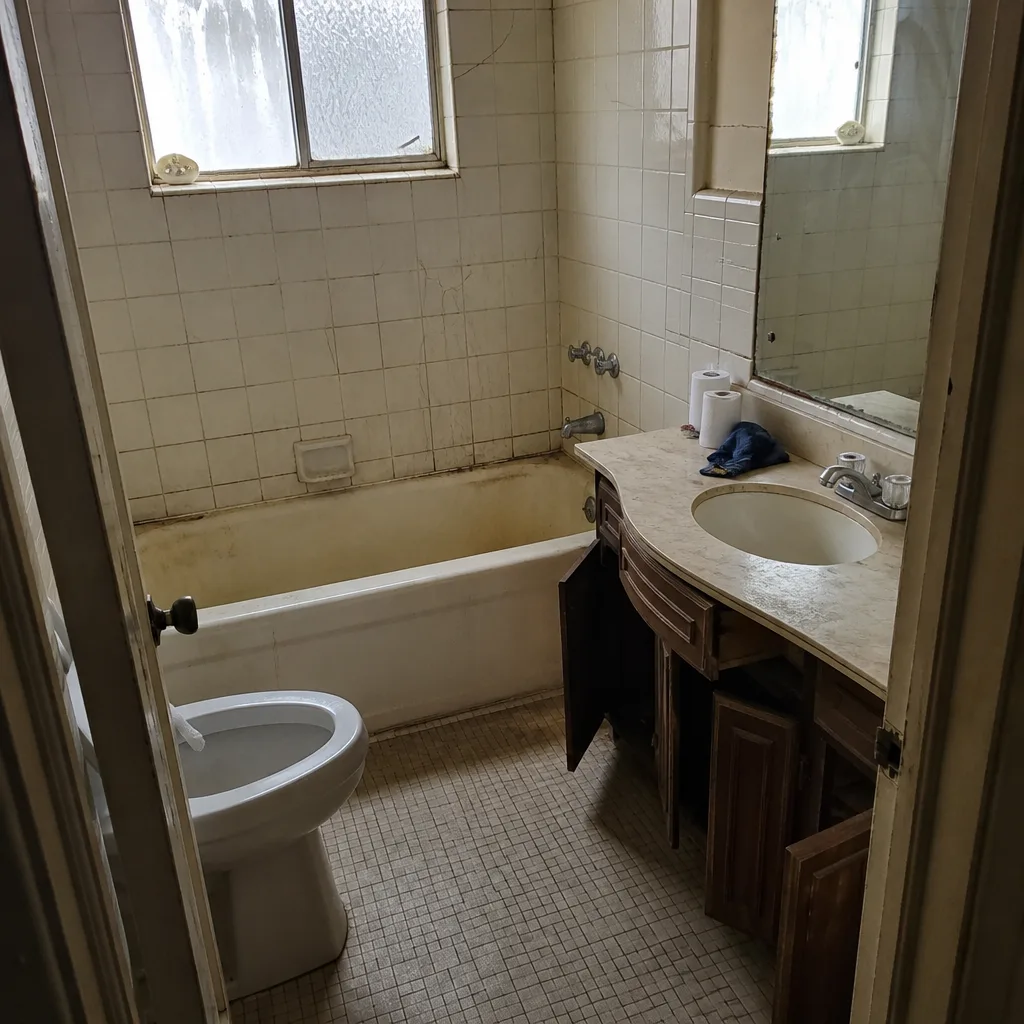 Before
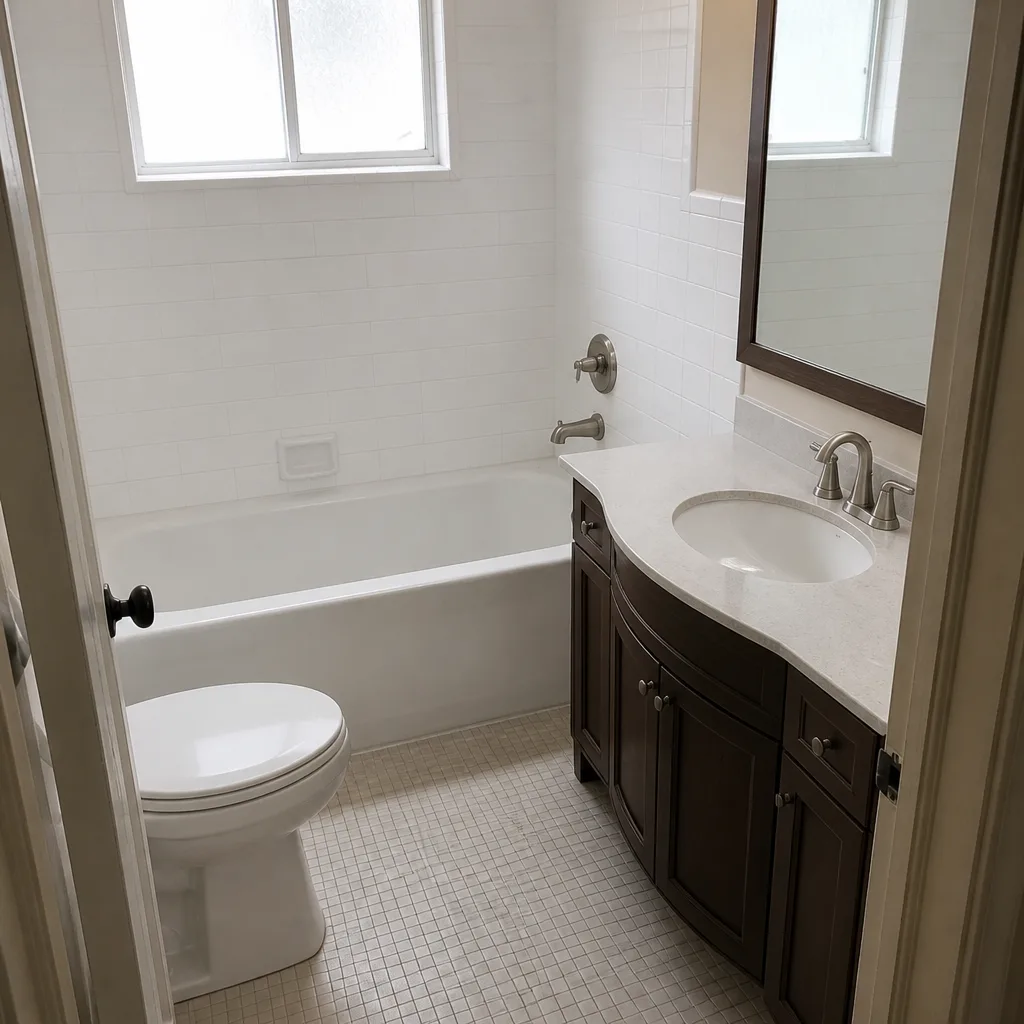 After
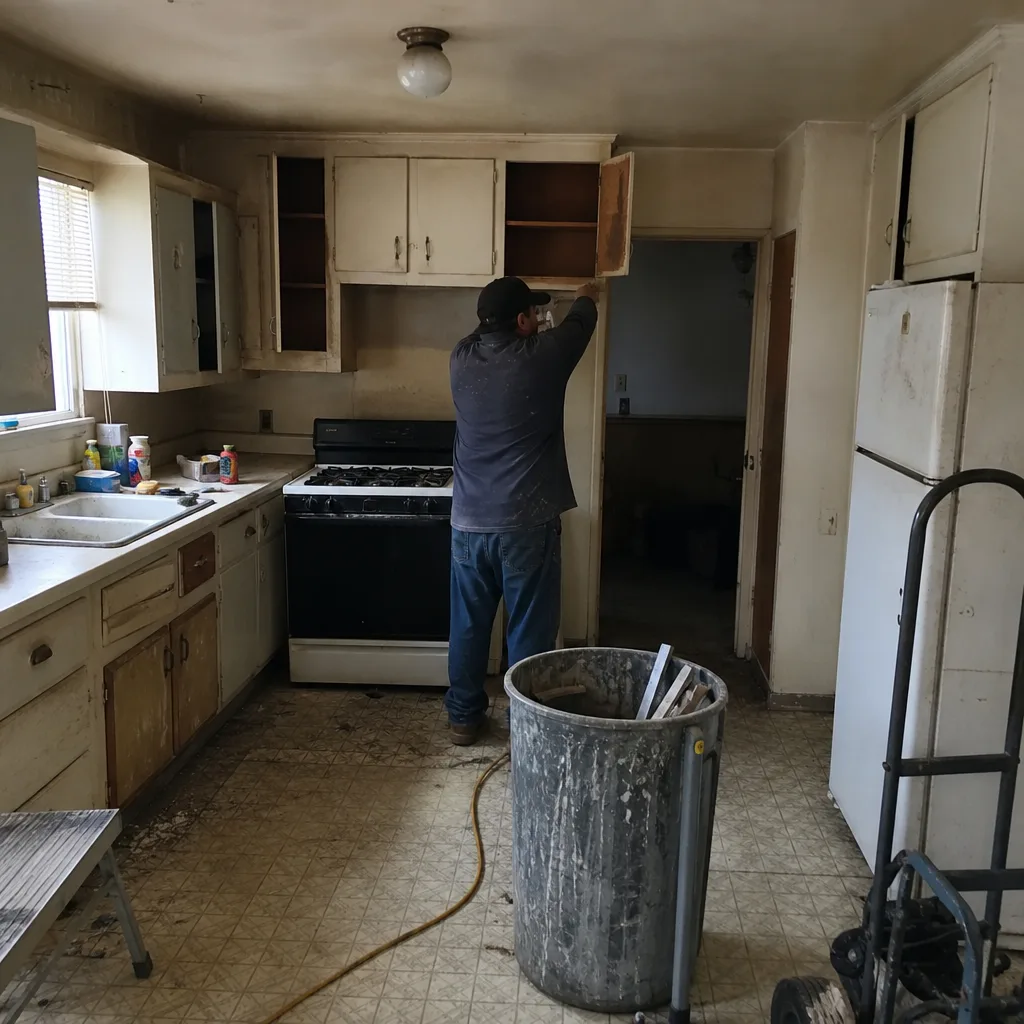 Before
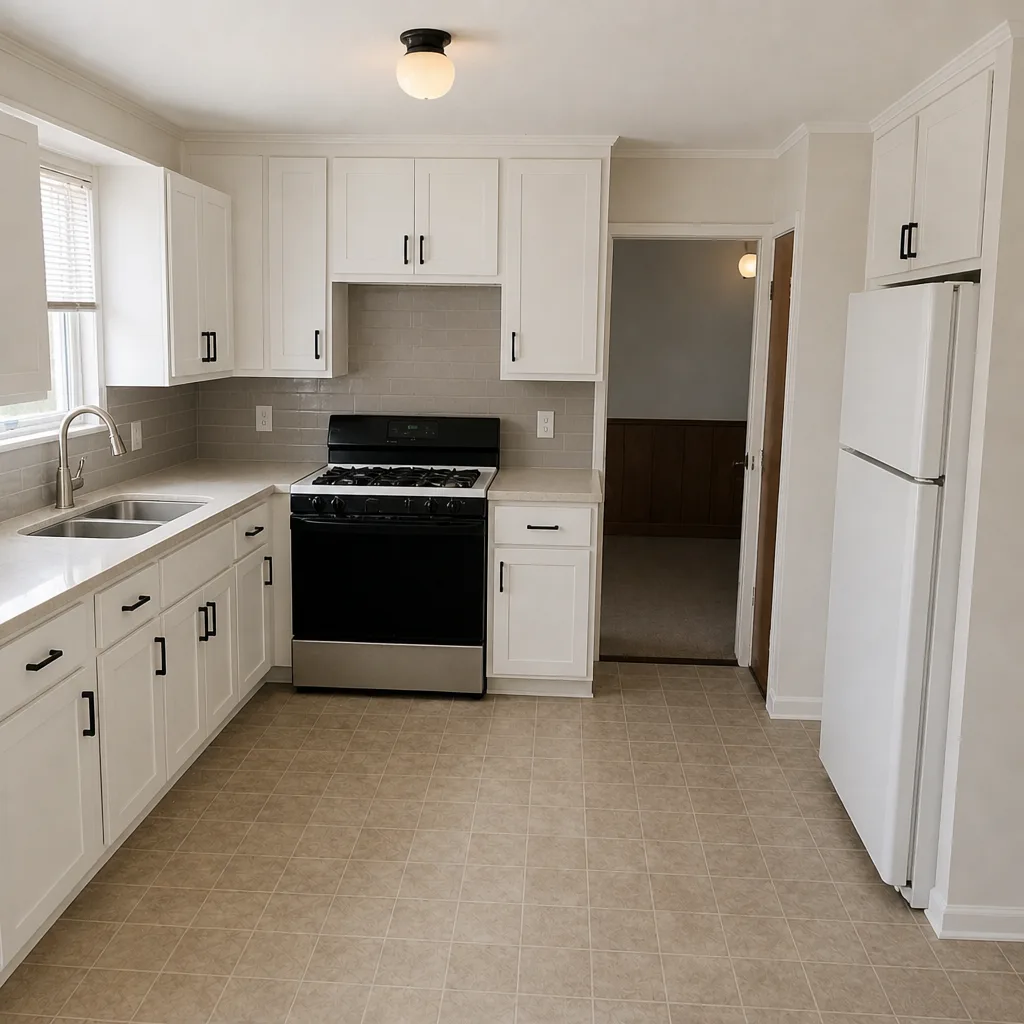 After
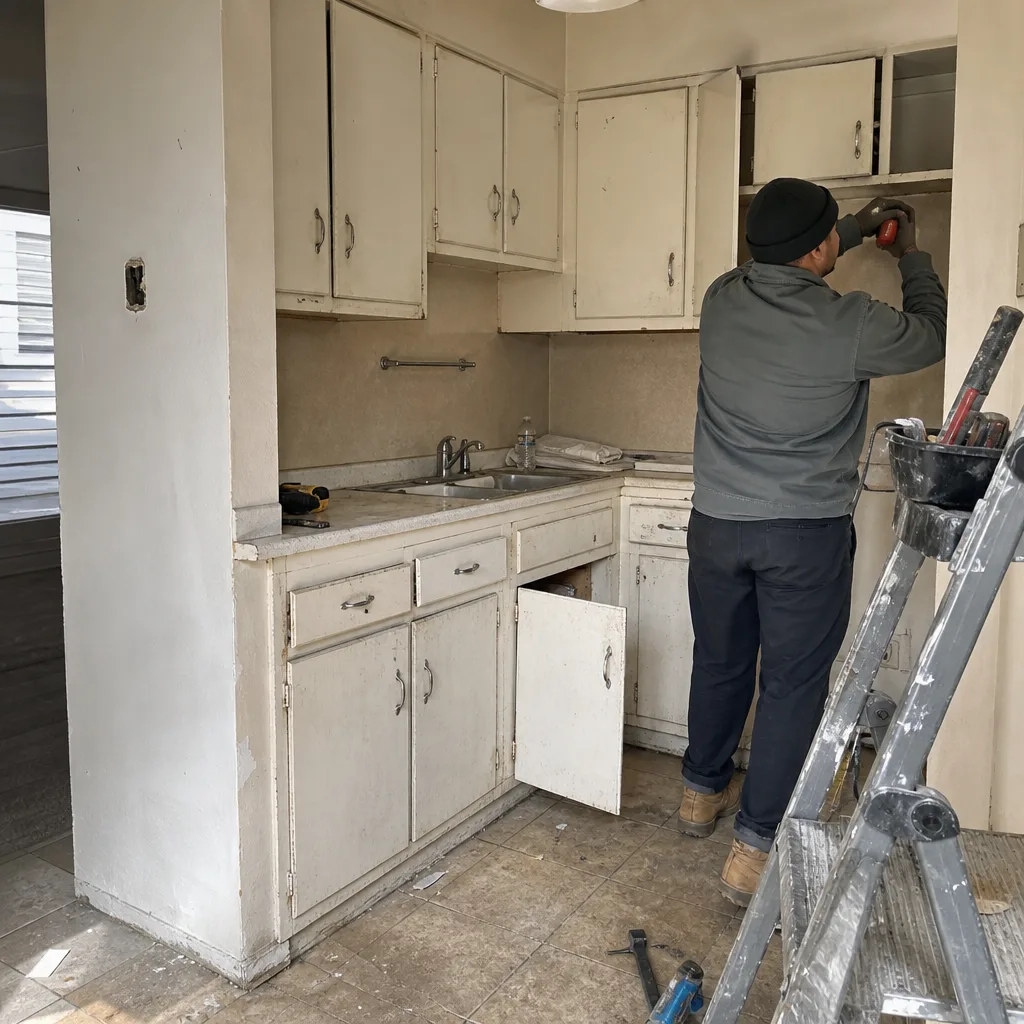 Before
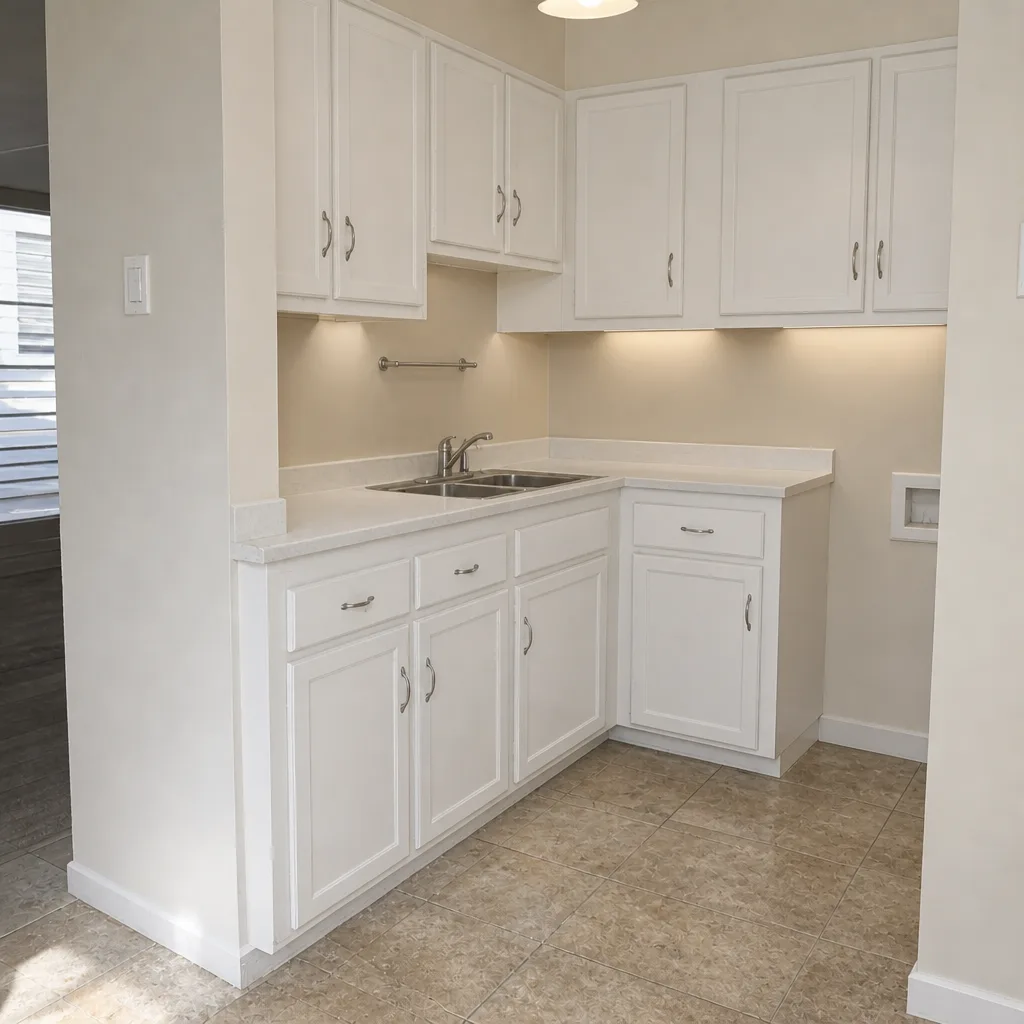 After
When to Call a Professional
Most of the work this guide covers requires a licensed contractor and a permit, and a few of the components are genuinely dangerous to open up. Electrical panel work, gas line rough-in, and any load-bearing framing change should be handled by a licensed trade, not a homeowner with a YouTube tutorial. From a risk standpoint, the gas line and the panel are the two places where a wrong move can cause a fire or worse; call a licensed professional. When you’re ready to get a real number, Bradford Remodeling Co East Los Angeles offers free estimates in East Los Angeles – call (833) 520-6636 to schedule yours. Every price is written before work starts, every project carries the 365-Day Done Right Promise, and a live person answers the phone any hour of the day.
Frequently Asked Questions
A full bathroom remodel in East Los Angeles typically runs $28,000-$52,000 in 2026, depending on square footage, tile scope, and how much hidden plumbing and electrical work the home needs. Bathrooms in pre-1980 homes sit toward the top of the band because galvanized supply lines and undersized electrical are common. Call (833) 520-6636 for an exact quote – estimates are free and every price is written before work begins.
Labor rates in this market run above national benchmarks, Los Angeles City and County permit and plan-check fees add a structured cost the averages don’t include, and material delivery into the older housing stock costs more. Combined, these push local project costs roughly 20-40% above published national averages. A bid that quotes a national number isn’t pricing your East Los Angeles job correctly, and the gap shows up as a change order later.
In most residential remodels the licensed contractor pulls the permit and includes the fee in the written bid. Some projects, like owner-performed work, can be permitted in the homeowner’s name, but that puts inspection responsibility on you. For any remodel in East Los Angeles, confirm in writing who pulls the permit and that the fee and plan-check costs are in the bid. Call (833) 520-6636 with the scope and we’ll tell you what permits your project needs.
Budget a 20% contingency for a bathroom remodel and 15%-20% for a kitchen remodel in a pre-1980 East Los Angeles home. The housing stock makes hidden-condition risk real: galvanized lines, undersized panels, unpermitted prior work. The contingency belongs in the contract with a written release trigger so any unused balance returns to you.
No. Not with us. Every project gets a written price before any work starts, and the line-item scope and exclusions are documented up front. If a hidden condition is found after demolition, it comes out of the contingency you and we agreed to in the contract – it doesn’t arrive as a surprise repricing at the door. If you’ve been quoted a price that moves, call (833) 520-6636 and get a written one instead.
Every completed Bradford Remodeling Co East Los Angeles project carries a full-year written guarantee. If the work fails inside that 365-day window – the shower leaks, the tile lifts, the door stops latching, the finish fails – we return and correct it at no charge. The guarantee is written into the contract before work begins, so you have it in your hand at close, alongside a signed scope and a clean site.
The Bottom Line
National cost averages don’t tell you what a remodel will cost in East Los Angeles. Local labor rates, LA permit fees, and the hidden conditions in the area’s older homes are what drive the real number, and they push it 20-40% above what most guides publish. The bids that look honest usually are – they name the licensed trades, itemize the permits, list the exclusions, and price the contingency by project type. The bids that look cheap usually have stored the difference for the middle of the job. Use the ranges and the audit steps in this guide to compare scopes, not totals, and get every price in writing before a tool comes out. Call Bradford Remodeling Co East Los Angeles at (833) 520-6636 to schedule your free estimate.
Written by the team at Bradford Remodeling Co East Los Angeles.