Last updated November 17, 2026


Free written scope consultation - allowances, timeline, and change-order rules on paper before a single trade is scheduled
Home Remodeling Troubleshooting: Common Problems and How to Fix Them
The number-one post-remodel complaint filed with the California Contractors State License Board isn’t shoddy work. It’s abandoned work – the contractor who disappeared before the punch list was finished, after the final draw was already paid. That complaint pattern tells you something useful: most remodel failures aren’t structural catastrophes. They’re process failures, scheduling failures, and paperwork failures that show up later as leaks, cracks, and gaps. And the good news buried in that bad news is that the fix is almost always cheaper than homeowners fear and slower than the last contractor promised. This guide sorts the common problems by trade, shows you which ones are genuine workmanship defects, and tells you what to do in East Los Angeles when a fix turns into a fight.
Quick Answer
Most home remodeling problems fall into two buckets: contractor warranty issues (workmanship defects like nail pops, paint sheen inconsistency, mis-installed flashing) and owner maintenance issues (moisture damage, acclimation failures, wear). Knowing which bucket your problem belongs in determines whether the repair is free or your responsibility. Document the problem with photos and dates, read your contract’s substantial completion and punch list clauses, and put every request in writing before releasing final payment.
Styles & brands we work with
- Kitchen remodeling
- Bathroom remodeling
- Home additions & ADU
- Roofing
- Windows & doors
- Driveway & pavers
- Fence
Table of Contents
- Post-Remodel Failures by Trade
- The California 10-Year Latent Defect Statute
- The Punch List: Formal Process and Leverage
- Filing a CSLB Complaint: Step by Step
- Three Situations Where You Stop Work Immediately
- How to Prevent These Problems Before Demo Day
- Common Mistakes to Avoid
- Frequently Asked Questions
Post-Remodel Failures by Trade: Which Ones Are Workmanship Defects?
Not every crack is a defect, and not every defect is a crack. Here’s the sorting we use in East Los Angeles when a homeowner calls us about a problem that showed up months after a project closed out.
Drywall
Three things get called “cracks,” and they have three different causes. Nail pops – small bumps where a fastener backs out of the framing – are a workmanship defect in most cases. The fastener wasn’t set correctly or the wrong fastener was used. Seam failures – straight-line cracks along where two sheets meet – usually mean the tape or mud job was rushed, and that’s also workmanship. Settling cracks – diagonal cracks at door corners and window headers – are usually the house, not the trade. In older East Los Angeles homes, plaster over wood lath moves for years, and a diagonal hairline at a door frame is normal movement. Patch it and watch it. If it keeps opening, that’s when you call someone.
Paint
Sheen inconsistency – patches that look flat next to patches that look glossy – is a prep failure. The painter didn’t cut in correctly, didn’t back-roll, or mixed products mid-wall. Fading is a different animal: that’s a product specification issue. If the contract specified a five-year exterior paint and it chalked out in eighteen months, that’s an argument with the spec, not the brush.
Flooring
Cupping – the edges of boards curl up – is almost always a moisture issue, and moisture can come from the crawlspace, a nearby leak, or humidity swings. Gapping – planks separating at the seams – is an acclimation failure. Wood has to sit in the room for a set period before installation; skip that step and you’ll get gapping in the first heating season. Both are fixable, but only gapping is reliably a contractor issue.
Windows
Condensation between the panes of a double-pane window is a seal failure – the hermetic seal broke and the gas escaped. That’s covered by the window manufacturer’s warranty, usually for a set number of years. It’s not your contractor’s fault, but your contractor should have registered the warranty for you. Ask for the paperwork. On East Los Angeles west-facing walls, sun exposure accelerates seal failure, so this call is common here.
Roofing
A leak within the first two years of a roof replacement is almost always a flashing installation defect – the metal at a valley, chimney, or wall transition wasn’t lapped or sealed correctly. It is rarely the shingles. If a roofer tells you the shingles failed at year two, ask for the specific failure and get a second opinion. In our experience, a leak at a chimney within 24 months of a reroof is a flashing problem nine times out of ten.
The California 10-Year Latent Defect Statute (Civil Code §896)
Most homeowners don’t know this, and it matters. California Civil Code §896 sets specific warranty standards for residential construction, and separately, the statute of limitations for latent defects – problems that don’t show up until later – runs up to ten years from substantial completion for a residential remodel. Not every defect. But structural defects, water intrusion through the building envelope, and certain systems have a decade of legal exposure.
What that means practically:
- Time-stamp your substantial completion date. Write it on the contract, the final inspection card, and the certificate of occupancy. That date starts the clock.
- Latent means hidden. A crack you could see at the final walkthrough is not latent – it’s something you accepted or should have caught. A leak that appears at year three is latent.
- Keep everything. Contracts, change orders, permits, inspection records, and every message thread. If you’re ever in front of a judge or an arbitrator, these are your evidence.
- The statute is not a guarantee. It’s a timeline. You still have to prove the defect was the contractor’s fault and not normal wear, owner maintenance, or something a prior remodel did.
In East Los Angeles, we see this statute invoked most often on stucco and window-flashing issues, because the sun and wind here test those details harder than in milder climates.
The Punch List: What It Is and Why It’s Your Leverage
A punch list is a written list of items that remain incomplete or imperfect at substantial completion – the point where the work is usable for its intended purpose even though small items remain. It’s the phase where most disputes get born, because homeowners release the final payment before the list exists in writing.
Here’s the process in order:
- Schedule a formal walkthrough with the contractor, on a specific date, with both of you in the same room.
- Document every item in writing, with photos, dates, and locations. Be specific: “gap at bedroom doorframe, second floor, 3mm” beats “doorway looks bad.”
- Get the contractor’s signature on the list and a written completion timeline for each item. Verbally agreed dates do not count.
- Withhold the final payment until the punch list is closed. This is normal and expected when the contract is properly written.
- Check the substantial completion clause. A well-drafted contract defines substantial completion as a stated percentage of the work (often 95%) and states exactly how the final payment is released. If your contract doesn’t have this clause, that’s a red flag on the front end.
Every project Bradford Remodeling Co East Los Angeles closes out ends with a signed, documented punch list and a copy of the 365-Day Done Right Promise in the homeowner’s hand. The promise is a full-year written guarantee: if the work fails inside that window, we come back and correct it at no charge. That’s not a verbal assurance – it’s a document you keep.
Filing a CSLB Complaint: Step by Step
When the contractor won’t fix a legitimate defect and you’ve exhausted the punch list route, the Contractors State License Board is the next stop. The process is straightforward if you’re organized.
- Document the problem fully. Photos, a written description of the defect, the contract, the change orders, and every message. Date-stamp everything.
- Send a written demand letter to the contractor – certified mail – stating the defect, what you want done, and a reasonable deadline (14 to 30 days is customary). This letter becomes part of your case.
- File the complaint through the CSLB online complaint system or by mail. Attach your evidence package.
- CSLB assigns an investigator who may schedule an inspection. Be present for that inspection and walk through every item on your list.
- Possible outcomes: the contractor agrees to fix the work, the CSLB mediates a settlement, the matter goes to arbitration, or the case moves to formal discipline proceedings against the license. Timelines can run months.
A faster parallel path in many cases: small claims court. California’s small claims limit is $12,500 for a natural person, and the process is designed for people without lawyers. Filing takes an afternoon, the hearing is usually within a couple months, and in our experience a judgment in small claims often moves a stalled contractor faster than a pending CSLB file. You can do both at once – a CSLB complaint and a small claims filing are not mutually exclusive.
Three Situations Where You Stop Work Immediately
Most problems are worth a conversation. These three are not. In each case, stop the work, document everything, and don’t let the crew back on-site until the issue is resolved in writing.
1. Unpermitted Work Discovered Mid-Project
If you discover the contractor is doing work without a permit that requires one – electrical, structural, plumbing relocations, most additions – stop the job. Call your local building department and ask what’s been filed. Unpermitted work can force a full tear-out, and it can complicate your insurance and your future sale. You have the right to demand the permit be pulled before any more work happens. If the contractor refuses, terminate the contract in writing and consult a construction attorney.
2. Subcontractor Lien Notices Arriving
A preliminary notice from a subcontractor or supplier is a warning shot: someone up the chain hasn’t been paid, and they’re preserving the right to file a mechanics lien on your property. Stop work. Get a lien release or a conditional release from every sub and supplier before you release any more money. Pay the general contractor, not the subs directly, unless your attorney advises otherwise.
3. Workers’ Comp Certificate Expiration
Contractors are required to carry workers’ compensation insurance for their employees. If the certificate on file expires mid-project, you have an uninsured crew on your property, and you may be exposed to liability for injuries. Ask for an updated certificate, verify it with the insurer directly, and don’t allow work to resume until it’s current.
How to Prevent These Problems Before Demo Day
Almost every problem in this guide gets prevented by the same three things: written pricing before work begins, a named brand schedule, and a written guarantee at close.
- Written price, no moving numbers. A written price before any work starts – every time, with no numbers that move at the door. When the price is fixed in writing, change order disputes mostly evaporate because there’s nothing to argue about.
- Named brands and traceable specs. When the contract specifies KraftMaid cabinets, Cambria counters, Kohler fixtures, and GAF roofing, you know exactly what materials are going in and what manufacturer warranties attach. No guessing at demo day.
- A documented roster of brands – KraftMaid, Wellborn, Cambria, Caesarstone, Kohler, Moen, GAF, James Hardie, Therma-Tru, Belgard, and more – means specifications are traceable from bid to close.
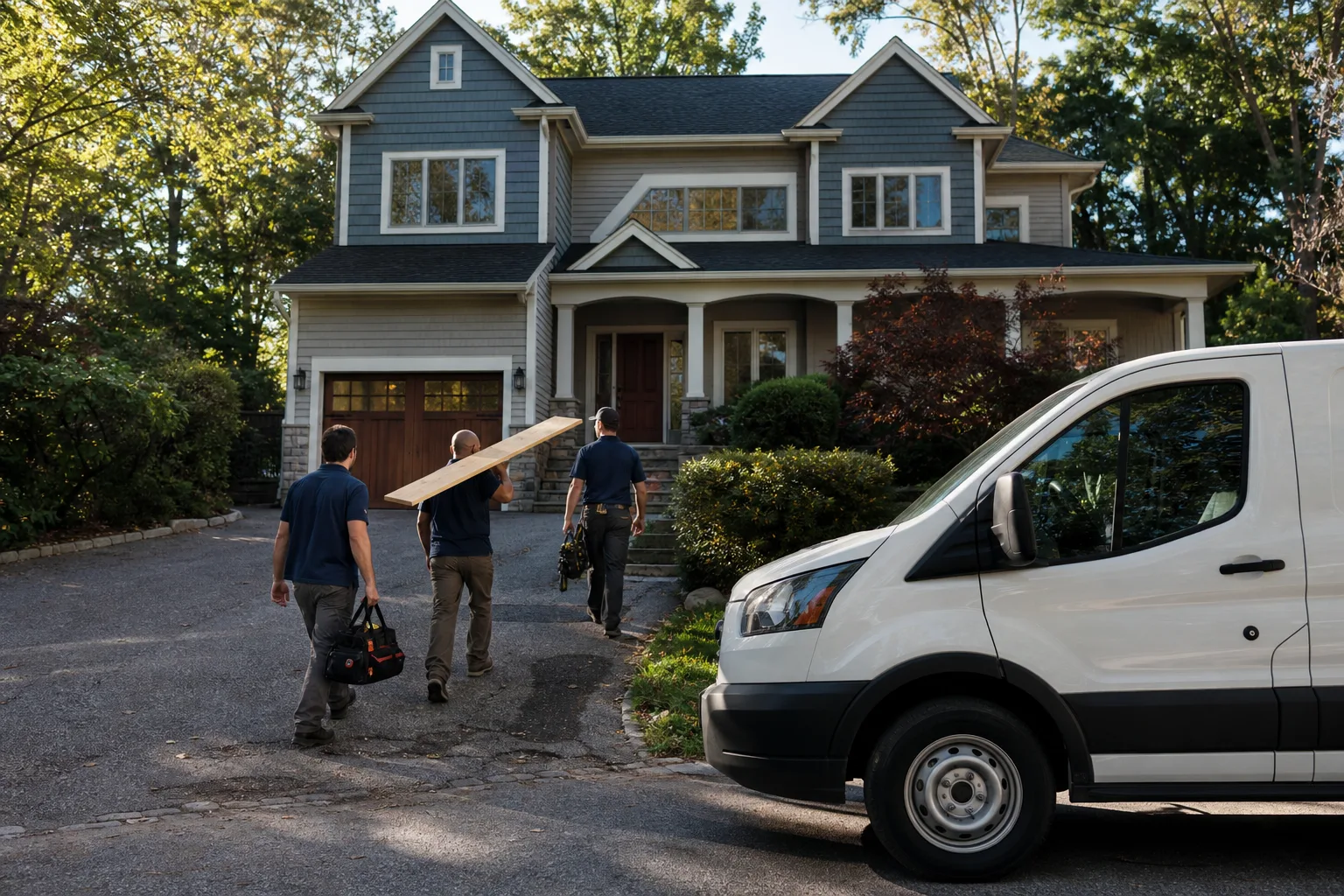
- Background-checked, uniformed technicians on every job, so you know exactly who is walking through your door before the crew arrives.
- Live person on the phone 24/7 – a real person picks up, not a voicemail or a callback queue.
If you’re planning a project and want the full picture of what a written-price, documented-scope process looks like, start with our General Contractor in East Los Angeles page. For kitchen-specific issues – the most common post-remodel complaint area – see Kitchen Remodeling in East Los Angeles. And if it’s the bathroom that’s given you trouble, Bathroom Remodeling in East Los Angeles covers the water-management details that fail most often.
When a homeowner comes to us after a rough experience elsewhere, the first question we usually hear is whether the work can be salvaged. Often it can. If you’re not sure whether your issue is a warranty matter or normal maintenance, our Bradford Remodeling Co East Los Angeles home page has the basics of how we work and how to reach us.
Common Mistakes to Avoid
- Releasing the final payment before the punch list is signed. Once the money is gone, your leverage is gone. Hold the final draw until every item is closed in writing.
- Accepting verbal promises to fix a defect “next week.” Get the fix, the date, and the acceptance in writing. A text message with a specific date is fine; a handshake is not.
- Skipping the permit on a “small” change. In East Los Angeles, moving a gas line or a load-bearing wall without a permit is not a small change – it’s a liability that follows the house.
- Choosing the lowest bid on a project with no specs. A bid without a named brand schedule isn’t a bid, it’s a guess. You’re comparing apples to nothing.
- Ignoring lien notices. A preliminary notice doesn’t mean your GC is in trouble – it means a sub is protecting themselves. But it does mean you need to check before the next payment.
- Assuming the contractor will register the manufacturer warranty. Ask for the registration receipt. Windows, appliances, and roofing all have warranties that require registration to stay active.
- Putting up with an unvetted crew. You have the right to know who is entering your home. Ask for background-check confirmation before the first day.
See the difference
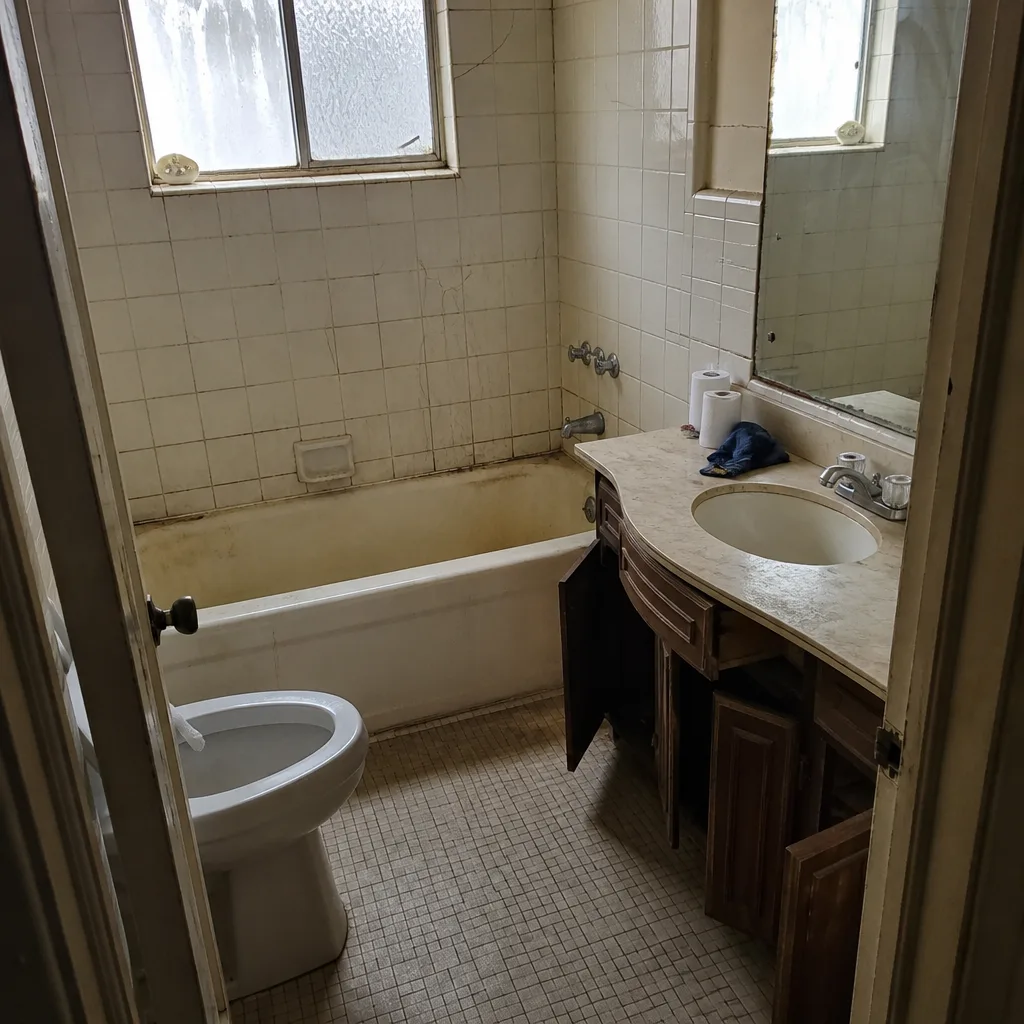 Before
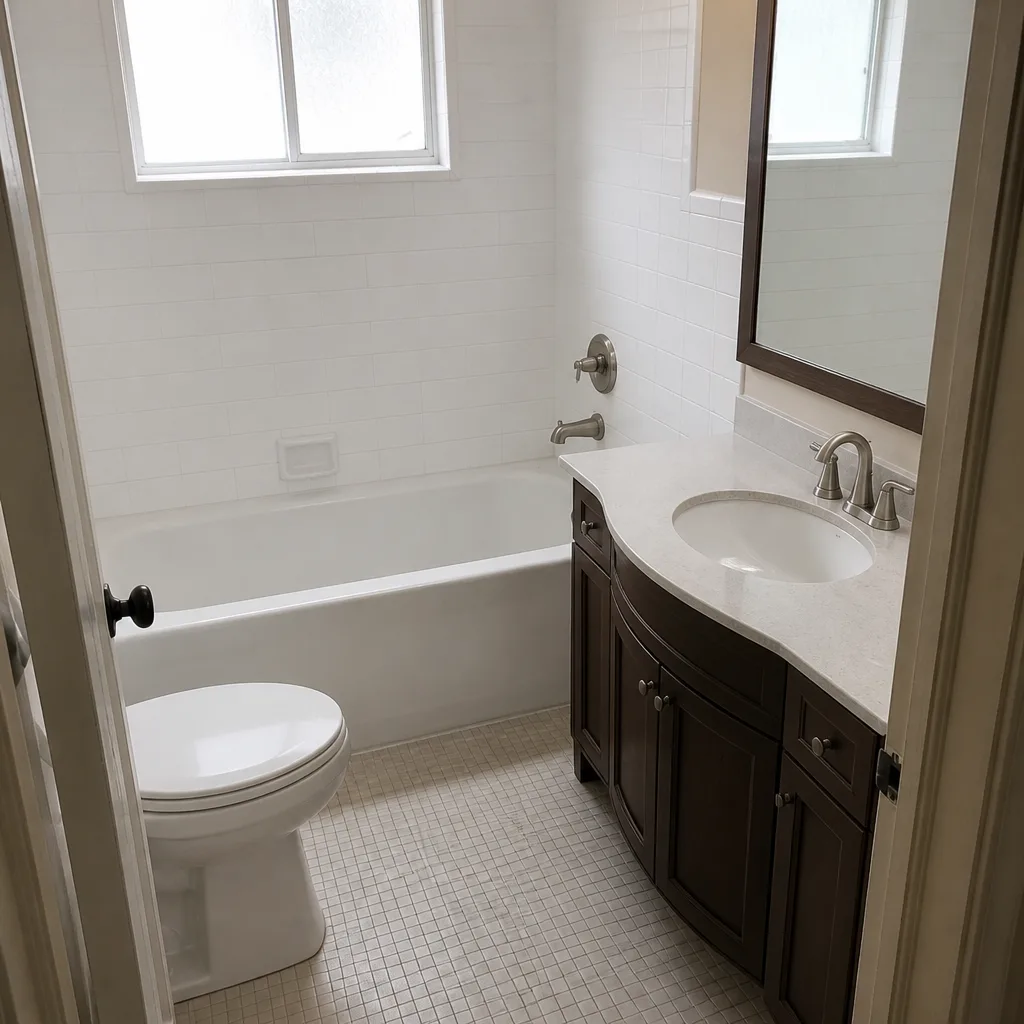 After
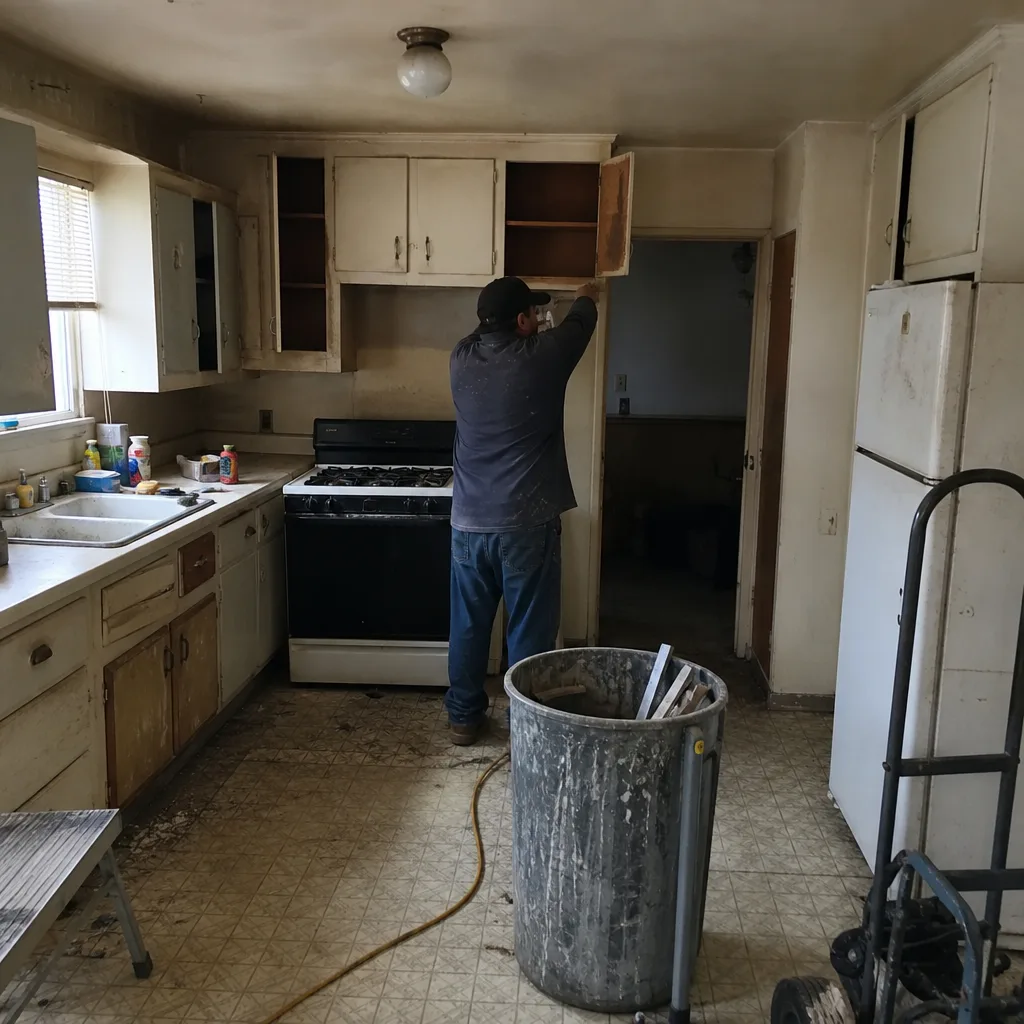 Before
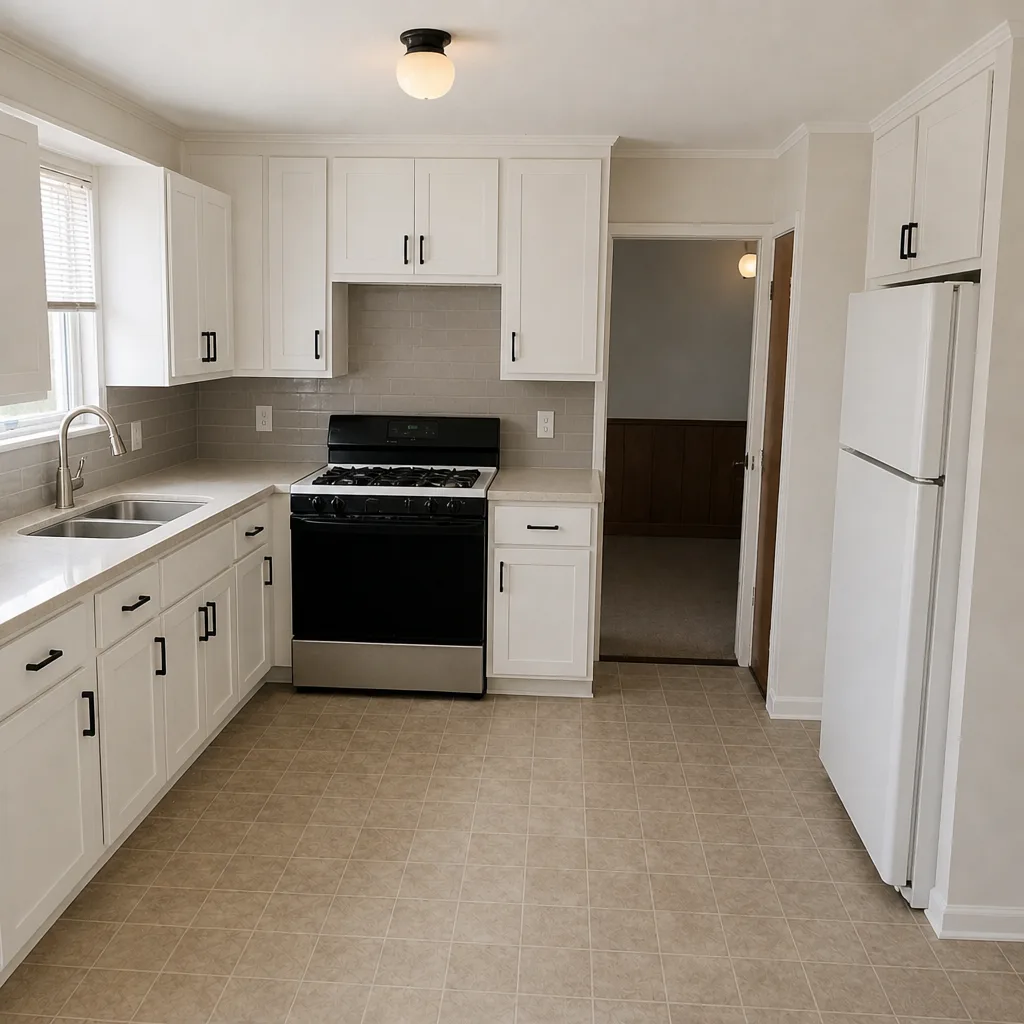 After
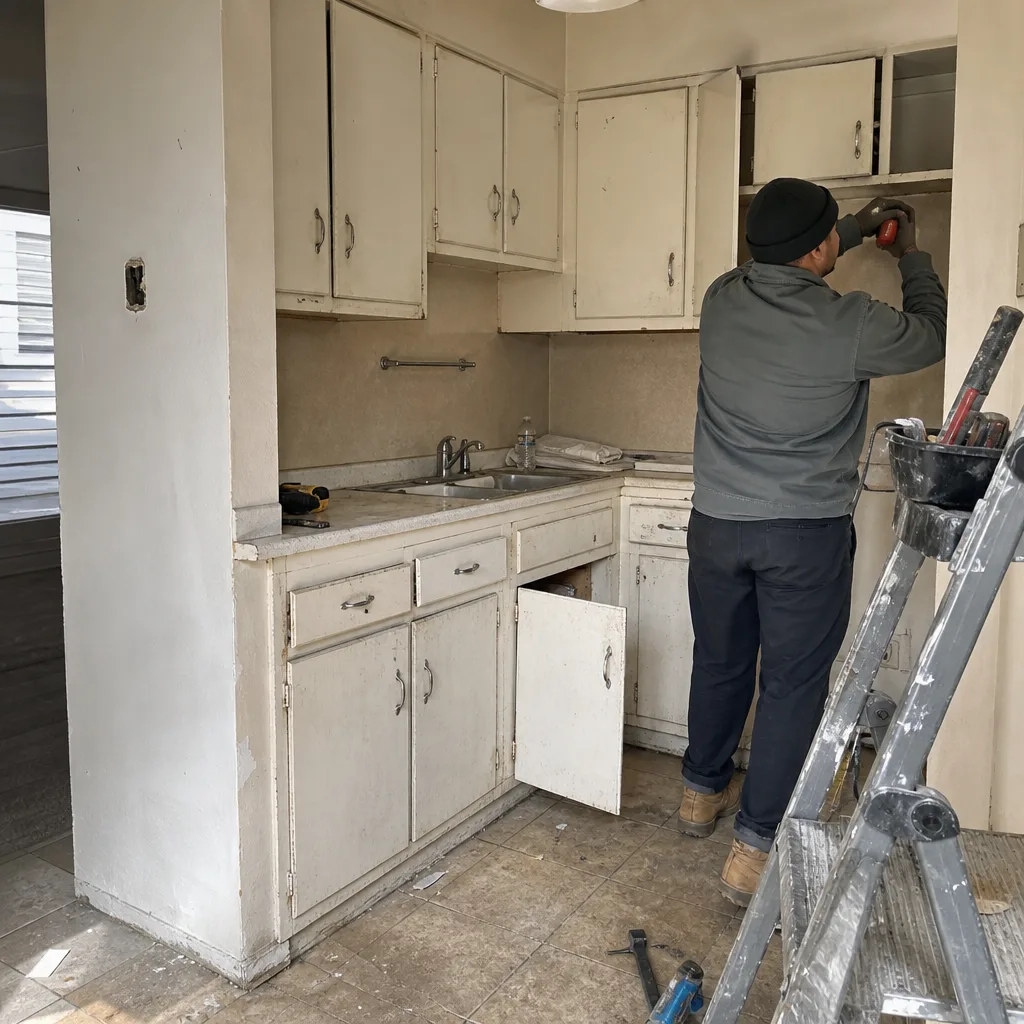 Before
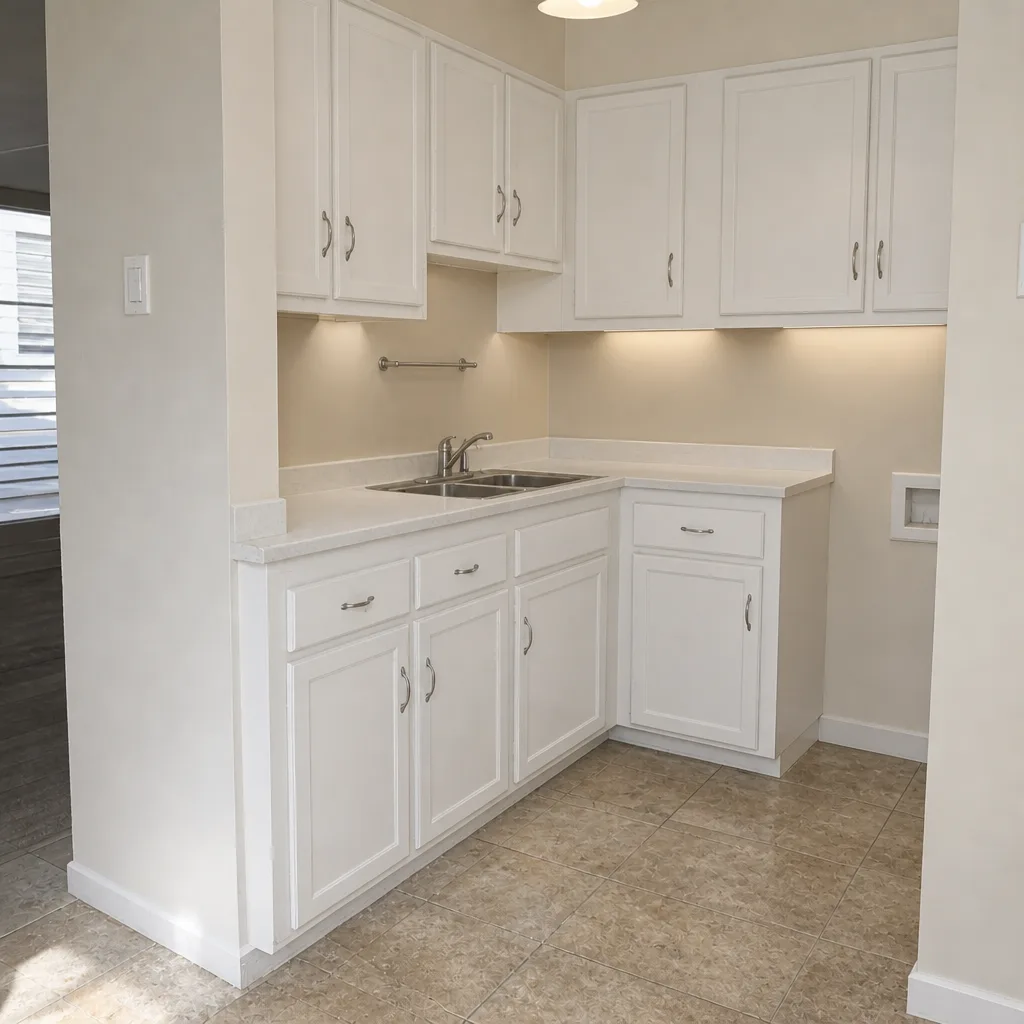 After
When to Call a Professional

Call in a pro when the problem involves water intrusion you can’t trace, a structural crack that keeps opening, electrical work that wasn’t permitted, or any defect you believe the contractor is responsible for and won’t own. Those are not “watch and see” issues – they get more expensive the longer they sit. If you’re in the middle of a dispute and don’t know whether you have a warranty claim or a maintenance problem, an honest inspection will tell you within an hour.
Bradford Remodeling Co East Los Angeles offers free estimates in East Los Angeles – call (833) 520-6636 to schedule one. Written price before any work starts, background-checked technicians, and the 365-Day Done Right Promise on every project we complete.
Frequently Asked Questions
Typical repair costs in East Los Angeles run $300 to $900 for drywall cracks and nail pops, $1,800 to $4,500 for ceiling retexture or a full-wall paint correction, $2,000 to $6,000 for window seal replacement on a whole elevation, and $3,500 to $9,000 for a roofing flashing repair plus deck replacement where water has reached the substrate. If the dispute is a warranty issue, the repair should be free – but a second opinion helps you make the case. Call (833) 520-6636 for a free estimate and a written price before any work starts.
Not if the scope is set correctly. Bradford Remodeling gives a written price before any work begins, and that price is fixed – no numbers that move at the door. What can change scope is a hidden condition the inspection didn’t catch, and when that happens you get a written change order to approve before any additional work proceeds. You’ll know the number before we touch a tool.
Yes, when the work requires one. In East Los Angeles, structural repairs, electrical changes, plumbing relocations, and window replacements typically require a permit and inspection. We pull the permit, schedule the inspection, and give you the signed card at close. If you’re cleaning up after a contractor who skipped the permit, that’s fixable too – it just takes a call to the building department and a correct scope. Call (833) 520-6636 to schedule a free estimate.
Most repairs are days, not weeks: drywall and paint in two to five days, a window seal replacement in a single day, a roof flashing repair in a day or two depending on access. Water damage that reached the substrate or framing adds a week or more because the rebuild has to dry out before it can be closed up. If the repair is under warranty, the timeline gets scheduled as a return visit – the 365-Day Done Right Promise means we come back and correct it at no charge within the first year after completion, and the schedule gets set the day you call.
In most cases, yes. We see East Los Angeles homes with abandoned-work situations regularly – an unsealed window flashing, a doorframe that wasn’t shimmed, a subpanel that was never inspected. The first step is a documented inspection, then a written price for the correction, then the work. You’ll get the full scope in writing before we begin.
A warranty claim is a defect in the work or materials within the guarantee window – nail pops, seam failures, mis-installed flashing, seal failures on new windows. A maintenance issue is wear and the conditions that cause it – cupping from a crawlspace vent that’s been blocked, gapping from seasonal wood movement, or paint fading after many summers of direct sun. We’ll tell you which one you’re looking at honestly. Call (833) 520-6636 and we’ll walk you through it before you spend anything.
The Bottom Line
The most common remodeling problems – drywall cracks, paint inconsistencies, floor gaps, window seal failures, roof leaks – almost always trace back to workmanship or specification, not bad luck. Knowing which is which is the difference between a free repair and an argument that goes nowhere. Document everything in writing, hold the final payment until the punch list is signed, understand your ten-year latent defect rights under Civil Code §896, and know the three situations that justify stopping work outright. The fix is almost always cheaper than you fear. It’s the paperwork that protects you if the fix becomes a fight. Written price before any work starts. 365-Day Done Right Promise on every project. And a live person on the phone whenever you need one – call (833) 520-6636 for a free estimate.
Written by the team at Bradford Remodeling Co East Los Angeles.