Last updated November 17, 2026

Free written scope consultation - allowances, timeline, and change-order rules on paper before a single trade is scheduled
How Long Does General Contractor Take? Timelines and What to Expect
The number one reason remodels run long isn’t a material delay or a permit hold. It’s that the original schedule was never written into the contract in the first place. When “six to eight weeks” lives only in a handshake and a text thread, no one can prove the job is late, and no one is on the hook when it drifts. That single gap explains most of the frustration homeowners in East Los Angeles describe after a bad build. This guide gives you the real calendar ranges by project type, the East Los Angeles permit-timing details that most timelines leave out, and the exact contract language that turns “on time” into something enforceable.
Quick Answer
A typical kitchen gut-remodel takes 8 to 14 weeks from permit application to final inspection. A bathroom addition runs 12 to 20 weeks. A full interior remodel is 16 to 30 weeks, and an ADU is 6 to 12 months once plan check, permitting, and construction are all counted. The construction days are the smaller half of that math. Permitting through LADBS and material lead times are the bigger half, and a written milestone schedule is what keeps all three from quietly stretching.
Styles & brands we work with
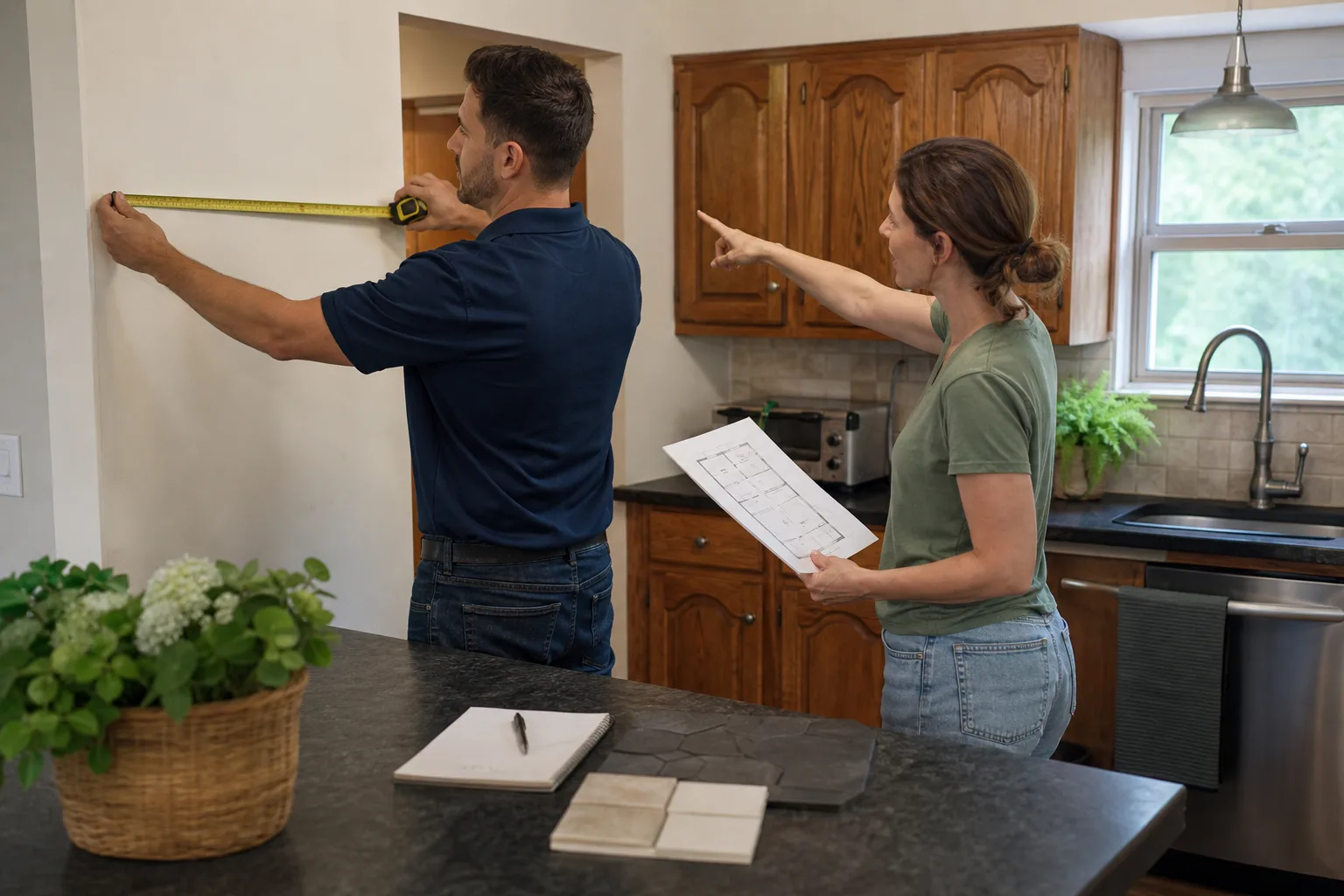
- Kitchen remodeling
- Bathroom remodeling
- Home additions & ADU
- Roofing
- Windows & doors
- Driveway & pavers
- Fence
Table of Contents
- Why Remodel Timelines Slip, and What On Time Actually Means
- LADBS Permit Timelines for East Los Angeles Projects
- Realistic Calendar Ranges by Project Type
- The Milestone Schedule Every Contract Should Include
- Legitimate Delays vs. Contractor-Side Delay
- Writing a Delay Clause and Liquidated Damages Into the Contract
- How to Track a Project Week to Week
Why Remodel Timelines Slip, and What On Time Actually Means
“On time” is not a feeling. It’s a date in a document. In our experience, most homeowner-contractor disputes over scheduling come down to a contract that lists a start date and a vague duration but never names the inspections, the order dates, or the finish milestones in between. Without those checkpoints, a job that is technically behind can look perfectly normal until the last week, when everything compresses at once.
A written project schedule fixes this by turning the calendar into a series of checkable dates. It also forces the contractor to think through sequencing before the contract is signed, which is where most crew-scheduling failures actually begin. East Los Angeles homes add a wrinkle here: a large share of the housing stock is older, and older homes hide surprises behind the drywall. Knob-and-tube wiring, undersized or cast-iron drains, non-permitted past additions. Reputable contractors budget a contingency window for discovery, and a good schedule names that window instead of pretending it won’t happen.
Here’s the practical translation. When you ask how long a general contractor takes, the honest answer is three clocks running at once: the permit clock, the procurement clock, and the construction clock. The next sections break each one down for East Los Angeles specifically.
LADBS Permit Timelines for East Los Angeles Projects
East Los Angeles parcels typically fall under Los Angeles Department of Building and Safety jurisdiction for permitting, and the path your project takes through LADBS determines whether you’re waiting days or months before a shovel hits the ground. The three routes behave very differently:
- Over-the-counter (OTC) permits. Simple, prescriptive work like a like-for-like water heater swap, a panel replacement of equal size, or a minor interior partition often qualifies for same-day or next-day over-the-counter issuance at an LADBS counter. A bathroom vanity relocation that adds a drain may not qualify once plumbing rough-in changes.
- Standard plan check. Structural work, additions, kitchen layouts that move walls, and anything touching the building’s structural or energy compliance goes through standard review. Historically this has run four to eight weeks and longer during LADBS intake surges, with resubmittals adding time for each round.
- LADBS Express / ePlan routes. L.A. has expanded electronic and express plan-check options for qualifying residential projects. These can compress review to a couple of weeks when plans are complete and clean on the first pass. A single incomplete structural calc can bump an Express submittal back to standard review.
The common thread in East Los Angeles: permit time is set largely before construction starts, and it rewards complete submittals. A contractor who submits incomplete drawings and treats resubmittals as routine is quietly adding weeks to your calendar. Ask, in writing, which permitting route your project is expected to take and who is responsible for resubmittals.
The General Contractor in East Los Angeles page covers the full permitting and inspection workflow for local projects.
Realistic Calendar Ranges by Project Type
Construction-days-only estimates mislead because they leave out permitting and lead times. Here are full calendar ranges from permit application to final inspection for common East Los Angeles projects. Treat them as honest working ranges, not promises, since every older home reveals its own surprises.
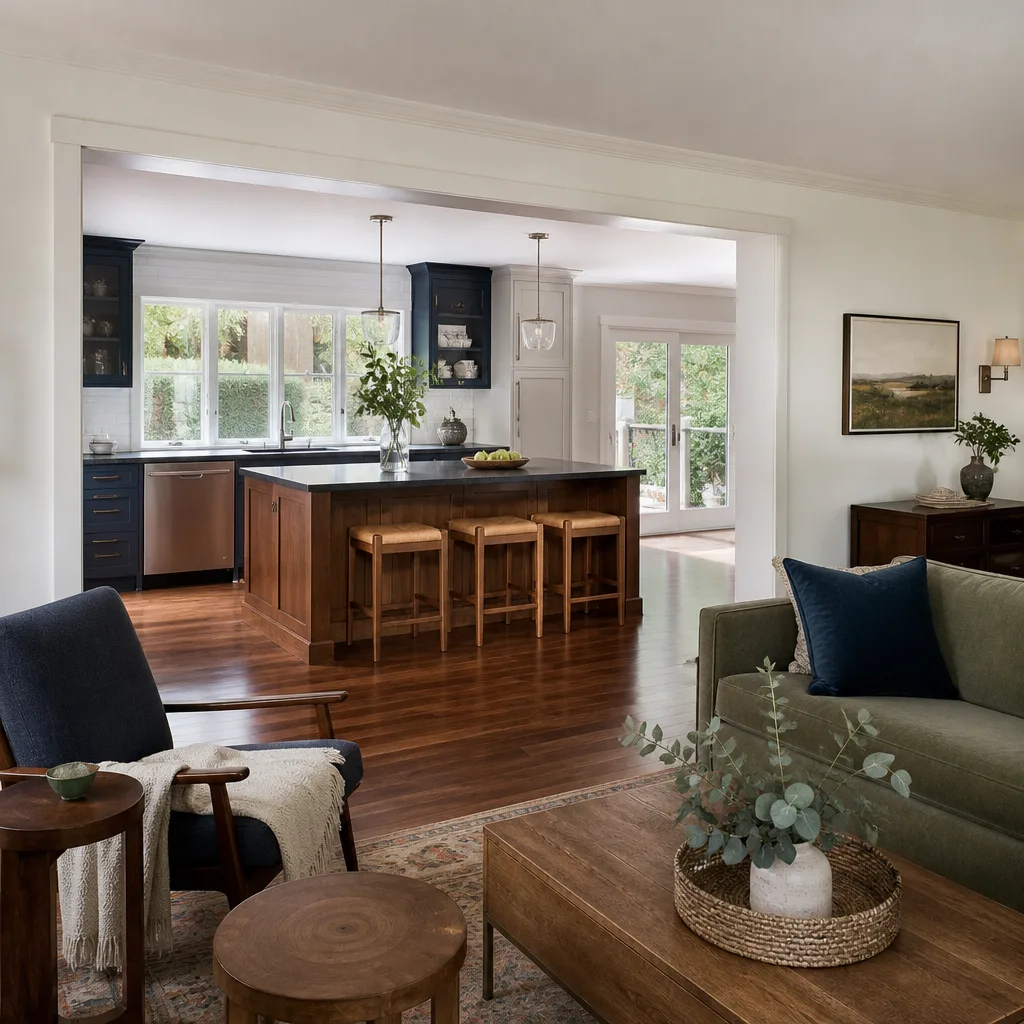
- Kitchen gut-remodel: 8 to 14 weeks. Includes 2 to 6 weeks of permitting (depending on route), 1 to 2 weeks of demo and rough-in, and 4 to 6 weeks of finishes. Cabinetry lead times from KraftMaid or Wellborn typically run 4 to 8 weeks, so cabinet order timing can set the whole clock.
- Bathroom addition: 12 to 20 weeks. Structural framing, plumbing rough-in, and waterproofing inspections add checkpoints. Tile and fixture lead times matter less than framing and rough-in sequencing.
- Full interior remodel: 16 to 30 weeks. Multiple trades sequencing across rooms, multiple rough-in inspections, and finish work across a larger footprint. East Los Angeles homes with original 1920s-era systems often add 2 to 4 weeks of discovery and rework.
- ADU (accessory dwelling unit): 6 to 12 months. Plan check itself can run 3 to 5 months depending on review load and design complexity, and construction runs 4 to 7 months. Utilities, driveway, and separate-meter coordination add weeks at close.
Two things that push a range to the longer end in East Los Angeles: older housing stock (pre-1950 construction is common) and properties with past unpermitted work that has to be brought into compliance. If you’re weighing a kitchen against a bathroom project, the Kitchen Remodeling in East Los Angeles guide walks through local cabinet, surface, and layout decisions that affect scheduling.
The Milestone Schedule Every Contract Should Include
A written project schedule is not a Gantt chart taped to the fridge. It’s a set of dated checkpoints with a signature next to each one. If your contract has a total duration but no milestones, you have no way to catch a slipping job before it’s too late. Here’s what a real schedule should look like:
- Permit issuance date. The date LADBS issues the permit, not the date plans were submitted.
- Demo start date. When demolition begins after permit is in hand.
- Rough-in inspection dates. Plumbing, electrical, and mechanical rough-in each get their own inspection and their own scheduled date.
- Insulation and drywall dates. Framing inspection must clear, then drywall goes up on a scheduled day.
- Finish milestones by trade. Cabinet install, countertop install, tile, fixtures, paint, flooring – each with a start and finish date.
- Punch list and final inspection. The date you walk through the finished job, sign the punch list, and the final inspection clears.
Three more things belong in writing: who owns the schedule, how changes get logged, and what happens to the calendar when a change is approved. A documented roster of named materials helps here too. When your contract specifies KraftMaid cabinetry and Caesarstone surfaces, the order dates are knowable and the schedule can be built around them. If the contract names nothing, the schedule is guessing.
The Bathroom Remodeling in East Los Angeles guide shows how fixture and tile selections feed directly into that finish window.
Legitimate Delays vs. Contractor-Side Delay
Not all delay is the contractor’s fault, and not all contractor delay is disguised as something else. Knowing the difference is how you have a fair conversation when the calendar moves.
Legitimate, owner-shared delays:
- Material lead times on named products (a KraftMaid order running 8 weeks instead of 6, or a Cambria slab backordered).
- LADBS inspection queue length, especially during high-permit-volume months.
- Weather windows – East Los Angeles rarely sees hard freezes, but exterior work like stucco and paint wraps around rain days and can extend a schedule in wet winters.
- Change orders the homeowner approves mid-job, which shift every downstream milestone.
- Concealed conditions discovered after demo (out-of-code wiring, hidden water damage) requiring added scope and re-inspection.
Contractor-side delay – not a legitimate excuse:
- Crew no-shows or a foreman double-booking two jobs.
- Poor sequencing, like ordering cabinets after demo instead of months earlier.
- Incomplete submittals triggering resubmittals at LADBS.
- Not scheduling an inspection on time and holding up the next trade.
The schedule should record which category a delay falls into. A contractor who marks every delay as “material” without documentation is worth a hard conversation. At job close, a squared-away project means a clean site, a documented scope, and a signed guarantee in the homeowner’s hand.
Writing a Delay Clause and Liquidated Damages Into the Contract
This is where most homeowners drop the ball, and where a disciplined contract earns its keep. A delay clause and a liquidated damages provision, properly written, give you an actual remedy. Here’s how they work, and what’s enforceable in California.
What a delay clause should say: define what counts as an excusable delay (owner-caused change orders, documented material lead times, inspection backlogs, weather), define what does not, state the contractor’s obligation to document delays in writing within a set window (a week is reasonable), and specify how the schedule is adjusted once a delay is logged.
What liquidated damages are: a pre-agreed per-day amount paid by the contractor if the job runs past the scheduled finish date without an excused delay. The figure is set at contract signing, so both sides know the cost of lateness before it happens.
What is enforceable in California: liquidated damages are enforceable if they’re a genuine, reasonable estimate of the loss the delay causes – not a penalty. Courts in California will strike a provision that acts as a punitive fine. A realistic per-day figure tied to real costs (rental housing during the delay, storage, utilities) is more defensible than an aggressive one. Get the language reviewed by a California attorney if the project is large. A contractor who runs by The Garrison Standard will put every price, every milestone, and every guarantee in writing before a single tool comes out – a delay clause belongs in that same document.
Your Bradford Remodeling Co East Los Angeles home page lays out the full set of written commitments we bring to an East Los Angeles project.
How to Track a Project Week to Week
A schedule is only as useful as the check-ins that follow it. A disciplined rhythm keeps a slipping job from hiding until the final week:
- Weekly written update. One email or message per week recording what got done, what’s next, and whether the project is on, ahead of, or behind the milestone calendar.
- Inspection checkpoints. Confirm each rough-in and framing inspection date and result in writing, so there’s no ambiguity about who’s holding up the next trade.
- Material order confirmations. Get the order confirmation and expected delivery date for cabinets, surfaces, windows, and fixtures. PGT and CGI windows, for example, carry real lead times you want documented rather than assumed.
- Punch list walk-through. Before final inspection, walk the job with the contractor, agree the punch items, and sign the list.
- Close-out file. Final inspection card, signed written guarantee, and material warranty documentation in one place.
Under The Garrison Standard, every completed project carries a full-year written 365-Day Done Right Promise. If the work fails inside that window, we return and correct it at no charge. That’s the guarantee period; it starts when the job closes, which is why a clean close-out file matters.
Common Mistakes to Avoid
- Accepting a duration without milestones. “Six to eight weeks” means nothing without dated checkpoints. Insist on permit date, rough-in dates, finish dates, and final inspection date.
- Assuming permit time is included in construction days. LADBS plan check can add weeks or months. Ask which permitting route (OTC, standard, Express) your project will take and who owns resubmittals.
- Not getting material lead times in writing. A cabinet order from KraftMaid or Wellborn running longer than planned can push the whole finish window. Confirm the delivery date before demo starts.
- Ignoring the older-home factor in East Los Angeles. Pre-1950 housing stock commonly reveals wiring, plumbing, and non-permitted past work behind the walls. Budget a contingency window instead of discovering it mid-schedule.
- Skipping the delay clause. Without a delay clause and a liquidated damages provision set at signing, you have no remedy when a job drifts past its finish date.
- Not specifying materials in the contract. When the contract names Therma-Tru doors and GAF roofing, lead times are knowable and the schedule is buildable. Unnamed materials leave the calendar to guesswork.
- Letting mid-job changes slip through verbally. Every change order shifts the schedule. Get it in writing with a revised finish date attached.
See the difference
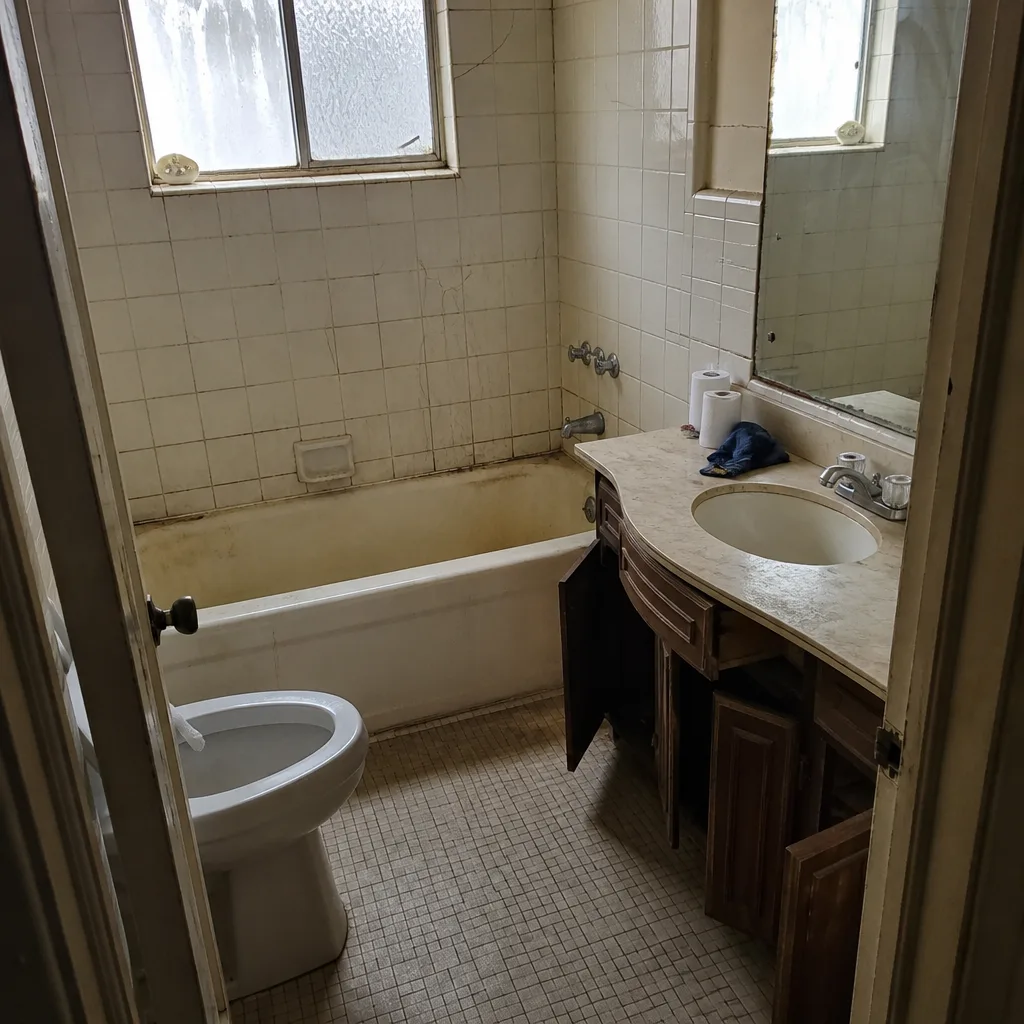 Before
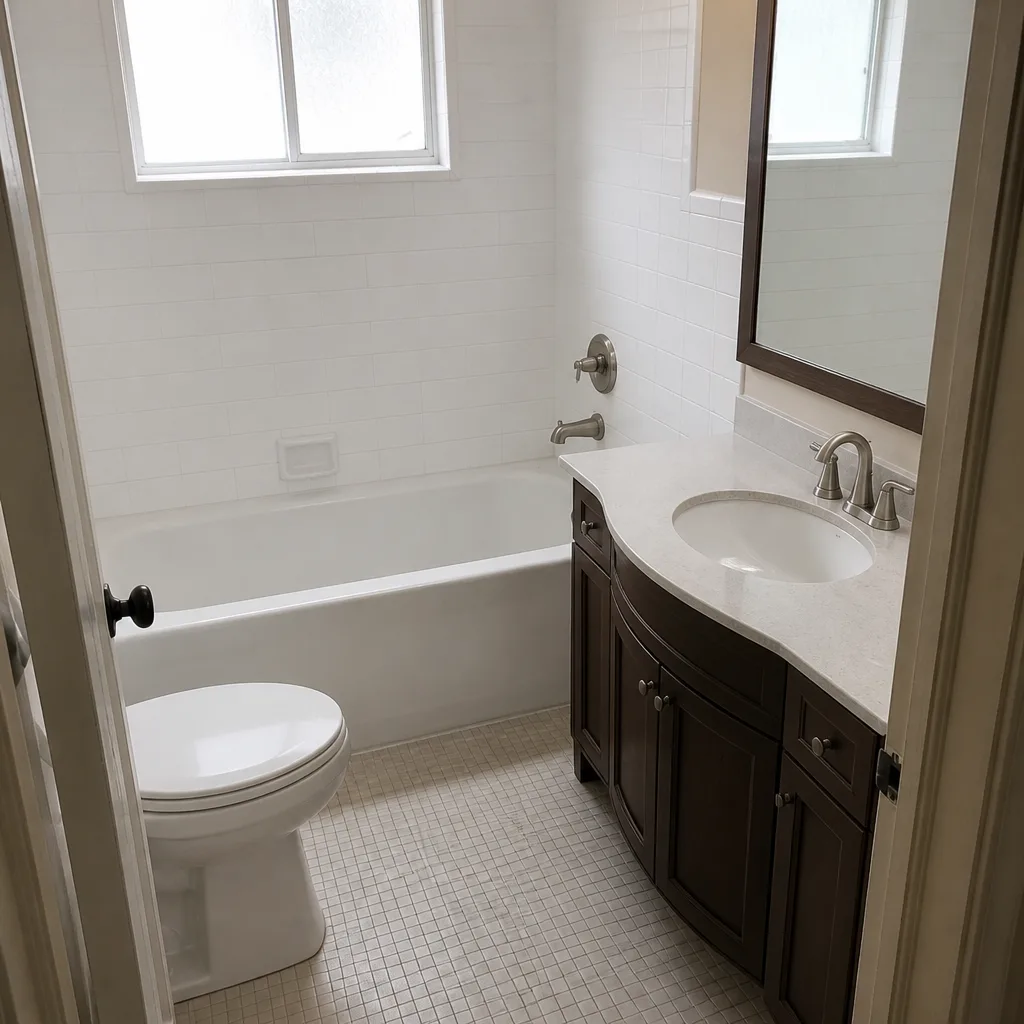 After
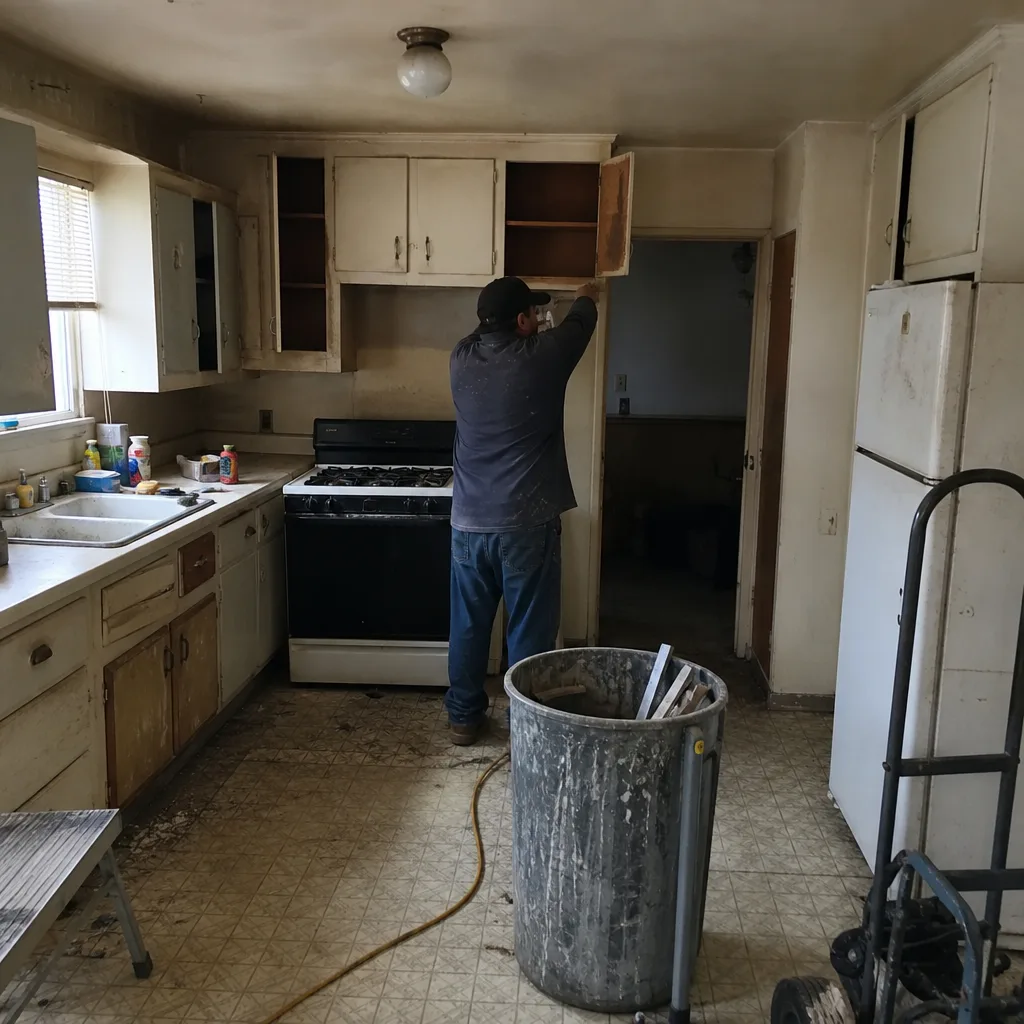 Before
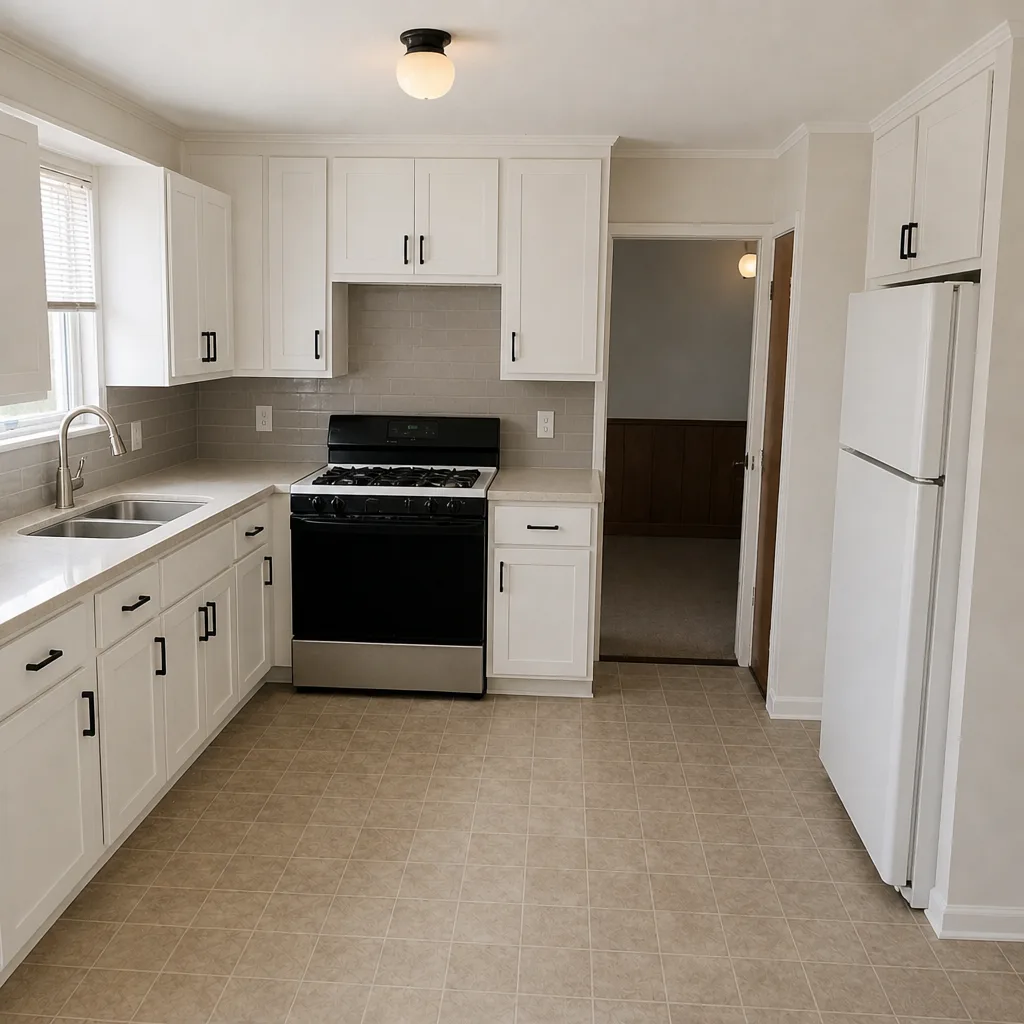 After
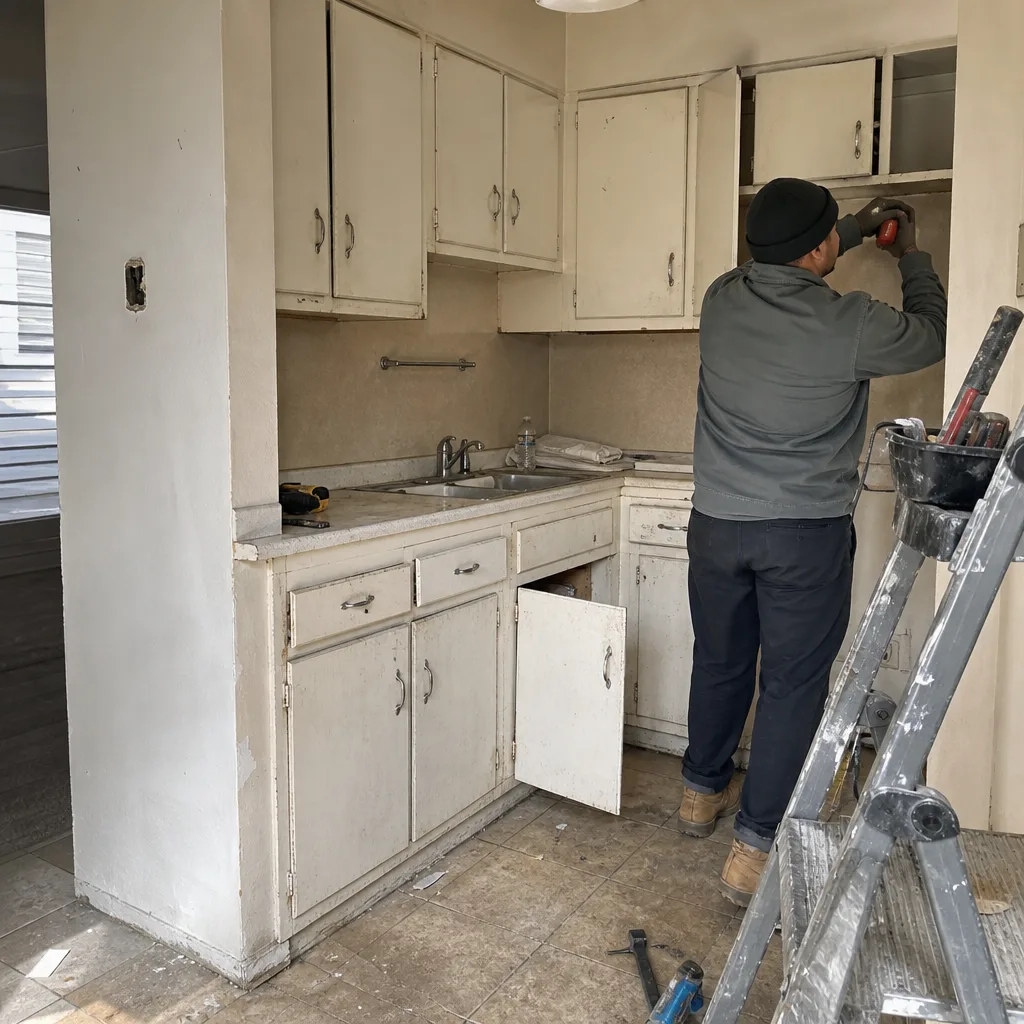 Before
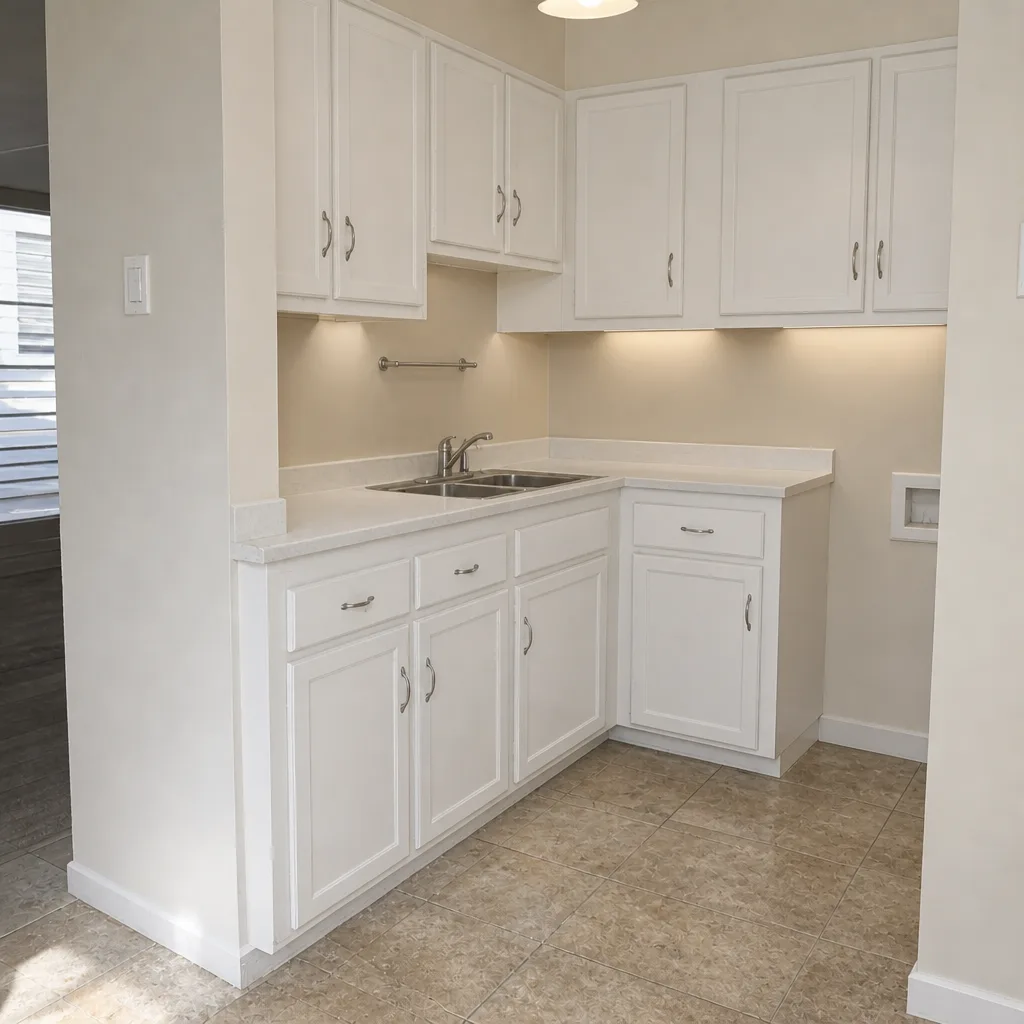 After
When to Call a Professional
You need a general contractor the moment a project involves structural changes, multiple trades, or a permit. A kitchen gut that relocates a drain, a bathroom addition, a full interior remodel, or an ADU all require licensed sequencing and LADBS inspection sign-offs that a handyman cannot legally deliver in East Los Angeles. You also need one the moment your current job stalls without a written reason. If your existing contractor can’t produce a milestone schedule, a written price, or a documented delay explanation, that’s the signal. Bradford Remodeling Co East Los Angeles offers free estimates in East Los Angeles – call (833) 520-6636 to schedule yours, and we’ll put the price and the schedule in writing before any work begins.
Frequently Asked Questions
8 to 14 weeks from permit application to final inspection, counting permitting. Construction itself is usually 5 to 8 weeks. Cabinet lead times from KraftMaid or Wellborn and LADBS plan-check timing are the two biggest variables. Call (833) 520-6636 for an exact schedule on your kitchen.
It should, and in a disciplined contract it does. The honest range counts permit issuance, rough-in inspections, and final inspection, not just construction days. If your contractor quotes construction days only, ask for the full calendar. Call (833) 520-6636 for a written schedule that includes permitting.
6 to 12 months end to end. Plan check alone can run 3 to 5 months, and construction is 4 to 7 months once permits issue. Utility connections and separate-meter coordination add time at close. Call (833) 520-6636 for a milestone schedule built around your parcel.
A reasonable delay clause names excusable delays (documented materials, inspections, weather, owner change orders) and requires written notice. Liquidated damages are enforceable in California if the per-day figure is a genuine estimate of loss and not a penalty. Have an attorney review the language on larger projects. Call (833) 520-6636 to discuss how we document schedules and delays.
If the delay is a crew no-show, poor sequencing, a late inspection booking, or an incomplete LADBS resubmittal, it’s contractor-side. If it’s a documented material lead time, inspection backlog, or an approved change order, it’s excusable. The schedule in your contract should record which. Call (833) 520-6636 if your current job has stalled without a written explanation.
Not unless you approve a written change order. Bradford puts a written price in front of you before any work starts, with no numbers that move at the door. If a concealed condition is discovered after demo, we document it, quote it in writing, and update the schedule. Call (833) 520-6636 to schedule a free estimate.
The Bottom Line
Remodels run long because the schedule was never written down, not because construction is unpredictable. Get the milestone schedule into the contract, name the permitting route through LADBS, put material lead times in writing, and define delay versus contractor-side delay before signing. If you want a real calendar for a project in East Los Angeles, ask for the permit date, the rough-in inspection dates, the finish milestones, and the final inspection date side by side with the price. That’s a squared-away starting point. Then call (833) 520-6636 for a free estimate – we answer the phone live, 24/7, and we put every price and every guarantee in writing before any work begins.
Written by the team at Bradford Remodeling Co East Los Angeles.