Last updated November 17, 2026




Free written scope consultation - allowances, timeline, and change-order rules on paper before a single trade is scheduled
DIY vs Professional Construction: The East Los Angeles Homeowner’s Decision Guide
In California, you can legally pull your own permit and perform your own work on the home you live in. That part surprises people. What surprises them more is what happens at resale: a buyer’s lender can require licensed re-inspection before funding, and the disclosure paperwork asks whether the work was owner-performed. In East Los Angeles, where a large share of the housing stock went up before 1970, that question lands on homes with asbestos-era tile, aluminum branch wiring, and walls nobody has opened in decades. This guide draws the DIY-versus-hire line using legal and financial criteria, not a difficulty chart. You’ll get the rules, the real cost math, and the hybrid approach that lets you keep the sweat equity you can safely own.
Quick Answer
Hire a licensed professional for anything that touches structure, electrical, gas, plumbing rough-in, or requires a permit – and self-perform only cosmetic, non-permitted work like demo of non-hazardous materials, painting, and finish hardware. In East Los Angeles, the deciding factors are permit exposure at resale, insurance gaps when unpermitted work causes a loss, and materials embedded in pre-1970 homes that make DIY demolition cost more than a licensed bid.
Styles & brands we work with
- Kitchen remodeling
- Bathroom remodeling
- Home additions & ADU
- Roofing
- Windows & doors
- Driveway & pavers
- Fence
Table of Contents
- What California’s Owner-Builder Rule Actually Allows
- The Three Criteria That Decide DIY vs Hire
- How to Calculate True DIY Cost Against a Licensed Bid
- Projects Where DIY Costs More in East Los Angeles
- Insurance Gaps Unpermitted Work Creates
- What Unpermitted Work Does to Resale
- The Hybrid Model: What You Can Own Safely
- Permits and the By-the-Book Workflow
What California’s Owner-Builder Rule Actually Allows
California lets a homeowner act as their own contractor on a property they occupy. That means you can pull the permit in your name and hire or self-perform the trades. What it does not do is remove the liability. When you sign as owner-builder, you take on the role of the general contractor: scheduling inspections, coordinating subs, and carrying the responsibility for code compliance.
The resale piece is where East Los Angeles homeowners get caught. California’s transfer disclosure statement asks sellers to identify work done without permits or by an unlicensed party. If you sell and the buyer’s appraiser or inspector flags a converted garage, a redone bathroom, or a new subpanel, the lender can hold funding until a licensed contractor inspects and the work passes. That’s not a scare tactic; it’s a routine funding condition.
A few things the owner-builder route does not shield you from:
- Worker injury liability. If you hire a helper or an unlicensed sub and they’re hurt on your property, your homeowner’s policy may deny the claim and you may be personally exposed.
- Code corrections. If an inspection fails, you pay to open walls and redo work – the same fix a contractor would have absorbed before handing over the keys.
- The disclosure trap. Work performed under an owner-builder permit stays attached to the property’s history. Buyers and their agents read that paperwork.
The owner-builder route is legal and sometimes sensible. It is not free of consequence. Our team weighs that trade-off with homeowners every week, and the honest answer depends on what category of work is on the table – which is the next section.
The Three Criteria That Decide DIY vs Hire
Most DIY-versus-hire advice grades projects from easy to hard. That’s the wrong axis. Skill is the thing you can usually acquire. The three criteria that actually decide the question are legal exposure, insurance liability, and resale consequence.
- Legal exposure. Does the scope require a permit? Load-bearing changes, electrical circuits, gas lines, plumbing rough-in, and structural repairs do. If yes, a licensed professional carries the inspection risk. If you carry it yourself, you own every correction pass.
- Insurance liability. Would a loss caused by this work be covered? Standard homeowner’s policies commonly exclude damage from faulty workmanship and from unlicensed labor. If water damage from a DIY shower pan ruins a ceiling downstairs, you may be paying out of pocket.
- Resale consequence. Will this appear on a future inspection or disclosure? A fresh coat of paint doesn’t show up. A new load-bearing beam that isn’t permitted does, and it can stall a sale.
Run any project through those three gates before you touch it. A tile backsplash clears all three easily. A bathroom remodel with a relocated drain crosses all three. When two or more gates trip, the licensed bid is the cheaper decision even if the invoice is larger – because the DIY alternative hides costs in liability and resale drag you’ll pay later.
In our experience working throughout East Los Angeles, the projects that trip all three gates cluster around older construction – and there are specific reasons for that, covered next. If you want a straight read on where your project lands, our General Contractor in East Los Angeles page walks through how we scope a job before any price is quoted.
How to Calculate True DIY Cost Against a Licensed Bid
The DIY cost comparison most homeowners run is materials against a contractor’s quote. That math undersells the DIY total by 20 to 40 percent on most real projects. Here’s how to build the honest number.
Step 1 – Add tool rental. A tile saw, a jackhammer for demo, a wet vac, and a rented dumpster run real money. Price them by the day for the days you’ll actually need them, and add one extra day, because it always takes longer.
Step 2 – Apply a waste factor. Plan 10 percent for tile and 15 percent for lumber and drywall. Off-cuts and measurement errors are not optional; they’re part of the material bill.
Step 3 – Add permit fees you’ll pay either way. Whether you pull the permit or the contractor does, the fee is a pass-through. Don’t count it as a DIY savings.
Step 4 – Price your own time honestly. Count the hours you’d spend, multiply by what a weekend of your time is worth, and add the fix-it pass for the first attempt at anything you’ve never done.
Step 5 – Add the correction line. On permitted work, assume one inspection-driven redo. That’s the base rate for a first-time owner-builder.
Compare that pile of numbers against a written bid, which includes a fixed price, a warranty, and labor performed by people who’ve done the job before. In East Los Angeles, the licensed kitchen and bathroom work we quote routinely beats the DIY total once tool rental, waste, permits, time, and correction are honestly added – because the DIY total was never really the lower number. Our Kitchen Remodeling in East Los Angeles page shows what a scoped line-item bid looks like, so you have a real number to compare against.
Projects Where DIY Costs More in East Los Angeles
Some projects carry hidden material risk in this part of the city. East Los Angeles has a large share of pre-1970 homes, and the materials inside them were installed to a standard that no longer applies. Three categories consistently cost DIY more than a licensed bid.
Tile Removal in Asbestos-Era Homes
Floor tile, mastic, and linoleum installed before 1980 can contain asbestos. A homeowner demo that disturbs the material is a real hazard, and disposal has rules. A licensed crew tests first and handles removal to the standard the regulator requires. The DIY version often ends in an abatement bill after a buyer’s inspector finds a disturbed layer, which is a cost the homeowner never budgeted for.
Electrical Work in Aluminum-Wired Houses
Homes wired in the 1960s and 1970s were often run in aluminum branch wiring. Aluminum connection points loosen over time and are a documented fire risk when handled by someone who doesn’t know the specific torque and connector requirements. This is one category where a licensed electrician isn’t a nicety; it’s a safety floor. If your panel is older than the 1980s, have it evaluated before you add a single circuit.
Anything Touching a Load-Bearing Wall
Opening a wall for a kitchen pass-through looks simple until you meet a header you didn’t expect. In East Los Angeles homes built in the 1940s and 1950s, the framing inside a wall is rarely what a buyer assumed. Taking a wall down without engineering is how an open-plan remodel becomes a structural repair. A licensed contractor does the checking before a hammer swings. If you’re considering an open-concept change, our Bathroom Remodeling in East Los Angeles page shows how we handle adjacent structural and plumbing work in the same scope.
In all three categories, the DIY path saves on labor and loses on material handling, code compliance, or safety. The math inverts.
Insurance Gaps Unpermitted Work Creates
Standard homeowner’s policies cover a lot, but they routinely exclude damage caused by faulty workmanship and by unlicensed labor. That exclusion is the quiet reason DIY is riskier than it looks. When water damage from a self-installed shower pan finds its way into the framing below, the policy may deny the claim because the work that caused it wasn’t performed by a licensed professional. The same applies to a fire that starts at a DIY electrical connection.
The gap gets worse when you hire unlicensed help. If a handyman with no policy is injured on your property, your liability isn’t covered by a contractor’s insurance because there isn’t any. Naming an insured, bonded contractor in writing is the way a homeowner closes that hole. When we quote a job in East Los Angeles, we sign the scope and the price before work starts so the homeowner knows exactly what’s covered and by whom. If your policy language concerns you, ask your insurer directly whether unpermitted or owner-performed work is excluded from coverage – they’ll tell you, and that answer should shape your decision.
What Unpermitted Work Does to Resale
Unpermitted work is a resale problem in three measurable ways. First, it appears on the seller’s transfer disclosure. Second, a buyer’s inspector will flag it, and the buyer’s lender may require licensed re-inspection and code compliance before funding. Third, buyers discount. A buyer facing an unpermitted conversion will typically reduce the offer by the cost of correcting it plus a risk premium, which is more than the permit would have cost in the first place.
East Los Angeles homes often change hands between families who’ve owned them for decades, and a garage conversion or a redone bathroom done 20 years ago under an owner-builder permit is common. That history follows the property. The way to close the gap is to pull the correct permits, pass inspection, and keep the paperwork together. A licensed, by-the-book contractor does that as a matter of course. It’s not extra; it’s the job. When the work is done and inspected, the homeowner gets a signed written guarantee and the documentation in hand – that’s the close the homeowner wants on a job like this.
The Hybrid Model: What You Can Own Safely
Not every task belongs to the contractor. A hybrid model lets you keep the sweat equity you can safely self-perform while leaving licensed work to the licensed crew. Here’s the split that holds up on the jobs we run in East Los Angeles.
Self-perform, generally safe:
- Demo of non-hazardous materials. Removing old drywall, cabinets, and fixtures – after testing is done if the material predates 1980.
- Painting. Walls, trim, and interior touch-ups with no code implication.
- Finish hardware. Cabinet pulls, door hinges, light fixture swap-ins on existing circuits, and fixture installs.
- Site prep and clean-out. Clearing a room, hauling old material to the dumpster, and keeping the site squared away.
Leave to the licensed crew:
- Anything structural. Load-bearing walls, beams, headers, and framing corrections.
- Electrical circuits and panels. Adding a circuit, replacing a panel, or touching aluminum wiring.
- Gas lines and plumbing rough-in. Anything that gets inspected and pressurized.
- Roofing and exterior envelopes. These are heights-and-water work; a leak inside the wall is a costly fix.
The hybrid model works because you use your time where it truly saves money and you leave the inspection-risk work to people who know how the inspection goes. If you’re planning a full-house scope, the Bradford Remodeling Co East Los Angeles home page explains how a whole-home job runs from first walkthrough to handover.
Permits and the By-the-Book Workflow
A permit is not red tape to skip. It’s the paper trail that makes a resale smooth, keeps insurance coverage intact, and gives you a record of inspected work. The by-the-book workflow looks the same whether you run it yourself or hire us:
- Scope. Define what’s changing in writing – rooms, structure, materials, and who supplies what.
- Permit pull. Files the application, plans, and fees at the correct jurisdiction for the property.
- Walkthrough and written price. A line-item price before any work starts, with the guarantee terms stated.
- Rough-in and inspection. Framing, electrical, and plumbing get inspected before walls close.
- Finish and final inspection. The finished work passes the final inspection.
- Handover. Clean site, documented scope, signed written guarantee in the homeowner’s hand.
We run every East Los Angeles job through that sequence. The written price is non-negotiable; a number that moves at the door is the opposite of how we operate. And when the work fails to hold inside the guarantee period, we come back and correct it at no charge.
Common Mistakes to Avoid
- Comparing DIY materials to a contractor’s full quote. The honest comparison adds tool rental, waste, permits, your time, and one correction pass. Without those lines, the DIY number isn’t real.
- Demolishing tile in a pre-1980 East Los Angeles home without testing. Disturbing asbestos-containing material is a hazard and a disposal problem. Test first, then decide.
- Touching aluminum branch wiring as a first wiring job. The connection and torque requirements are specific. This is a licensed-electrician category every time.
- Opening a load-bearing wall to check what’s inside. In 1940s-1950s construction, the framing is rarely what you expected. Have the structural question answered before the wall comes down.
- Hiring an unlicensed helper to save on labor. Their injury isn’t covered, and the work isn’t insurable. It’s a hole in both your policy and your resale paperwork.
- Skipping the transfer disclosure at resale. Lenders can and do require licensed re-inspection and code compliance before funding. Disclose, and keep the paperwork together.
- Accepting a verbal price and no written guarantee. The price that isn’t written isn’t fixed. The guarantee that isn’t signed doesn’t come back to fix the work.
When to Call a Professional
Call a licensed professional when your project touches structure, electrical, gas, plumbing rough-in, or anything that requires an inspection. In East Los Angeles, specifically, call when you’re demolishing pre-1980 materials, when the panel predates the 1980s, when a wall’s framing is uncertain, or when the work will need to be documented at resale. The tell is simple: if a buyer’s inspector or lender is going to ask a question about it later, the licensed path pays for itself now. Bradford Remodeling Co East Los Angeles offers free estimates in East Los Angeles – call (833) 520-6636 to walk through your project before you commit to a DIY plan. You’ll get a written price, the guarantee terms in hand, and a straight read on where the legal exposure actually sits.
Frequently Asked Questions
Yes. California lets a homeowner who occupies the property act as their own contractor, pull the permit in their own name, and self-perform the work. What that doesn’t do is remove the liability – you carry the inspection risk and must disclose owner-performed work at resale. For a free read on whether your specific scope belongs on the DIY side, call (833) 520-6636.
Usually yes, if the work moves plumbing, adds or relocates an electrical circuit, changes a load-bearing wall, or replaces gas fixtures. A cosmetic refresh – paint, cabinet hardware, countertop swap-in over existing cabinets – can often go unpermitted. When in doubt, a permit pulled and passed is the safer call. Our estimate walkthrough covers exactly which lines in your scope need one.
You’re required to disclose owner-performed or unpermitted work on the transfer disclosure statement, and a buyer’s lender may require licensed re-inspection and code compliance before funding. That can delay or reduce the sale. Buyers typically discount by the cost to correct plus a risk premium – usually more than the permit would have cost. Call (833) 520-6636 for a written price on bringing the work into compliance.
The DIY total usually runs 20 to 40 percent higher than the material cost once you add tool rental, a waste factor, permit fees, your time, and one correction pass on the inspection. In East Los Angeles homes from before 1970, add the cost of testing and handling older materials on top. A written bid includes all of that in one number and carries a warranty. Call (833) 520-6636 for a free estimate.
Often not. Standard policies commonly exclude loss caused by faulty workmanship and by unlicensed labor, which means a shower-pan leak or a fire from a DIY electrical connection may be denied. Naming an insured, bonded contractor in writing closes that gap. Call (833) 520-6636 to confirm who’s on the job before work starts.
Demo of non-hazardous materials, painting, finish hardware, and site cleanup are the safe DIY categories. Leave structure, electrical circuits, gas, plumbing rough-in, and anything requiring an inspection to the licensed crew. If your scope crosses both, a written hybrid plan splits it cleanly. Call (833) 520-6636 to build one.
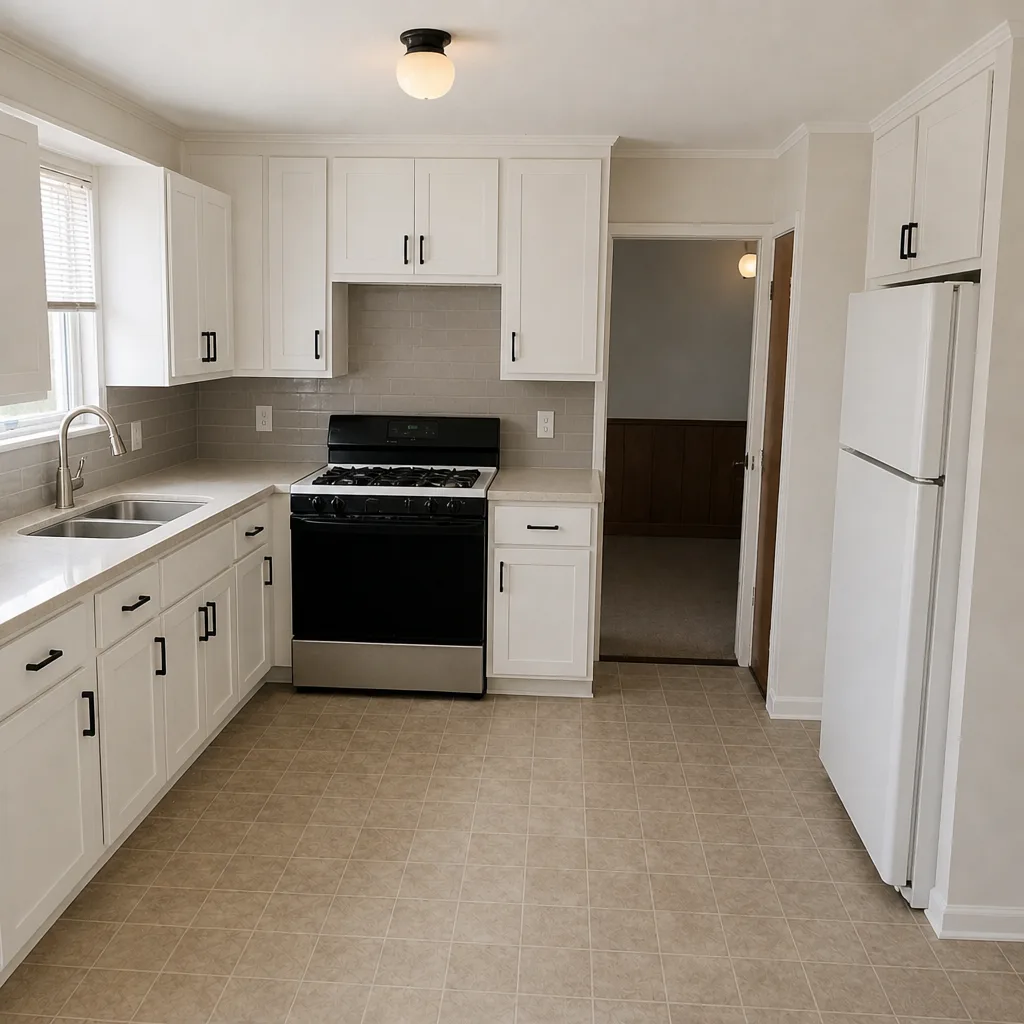
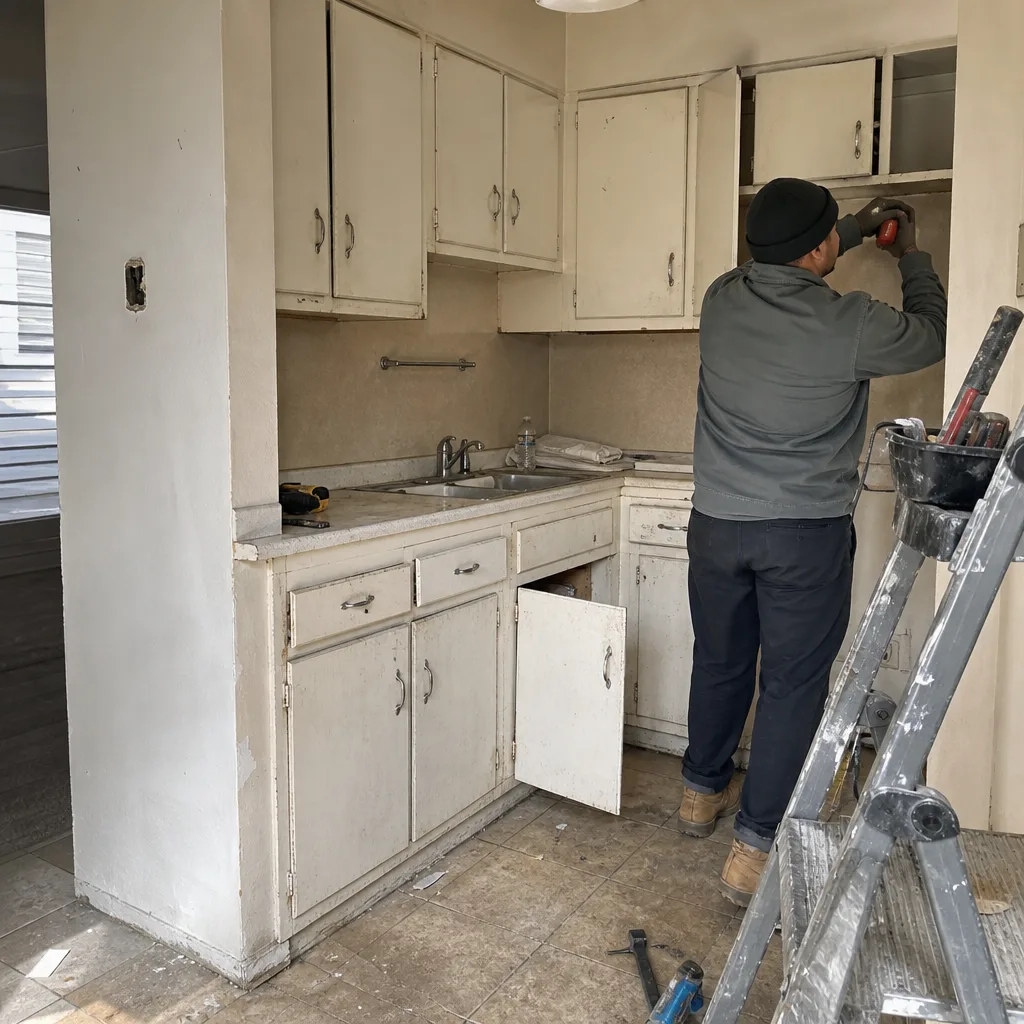
See the difference
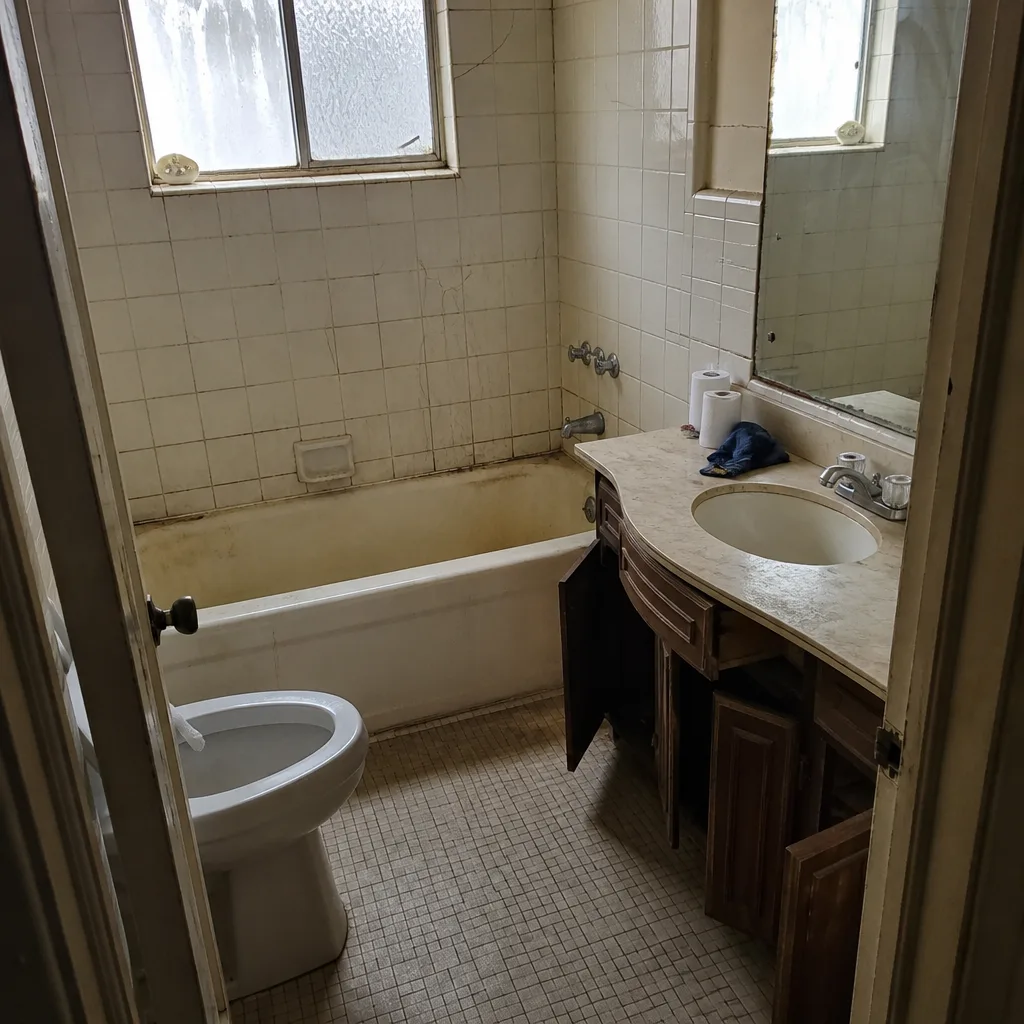 Before
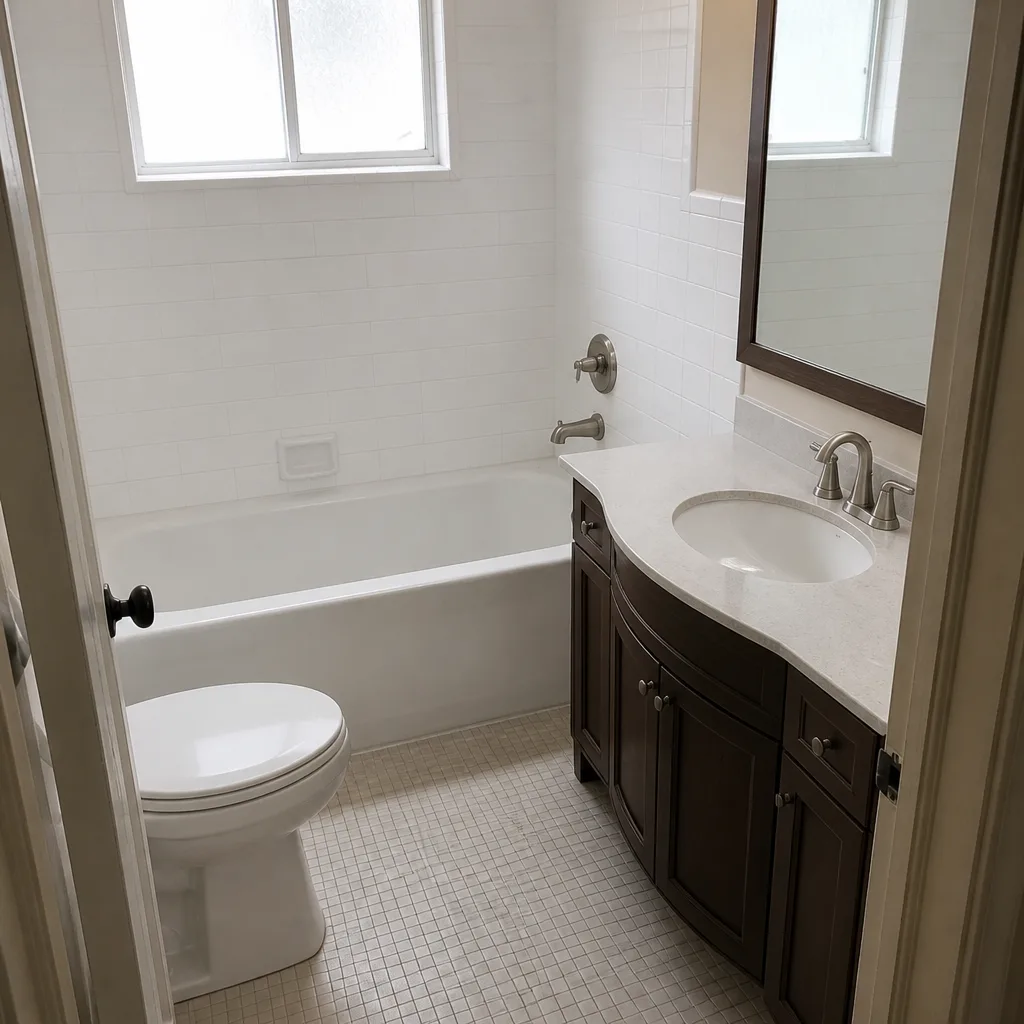 After
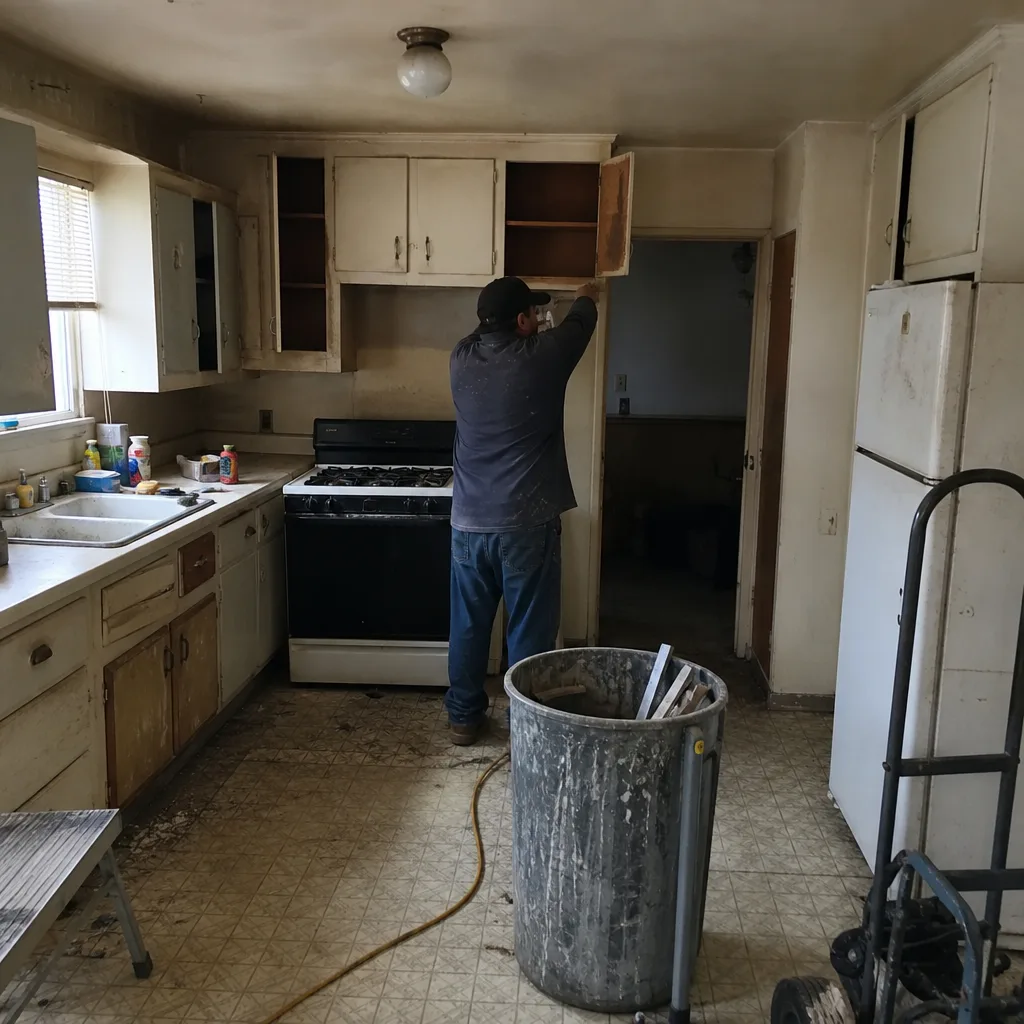 Before
 After
 Before
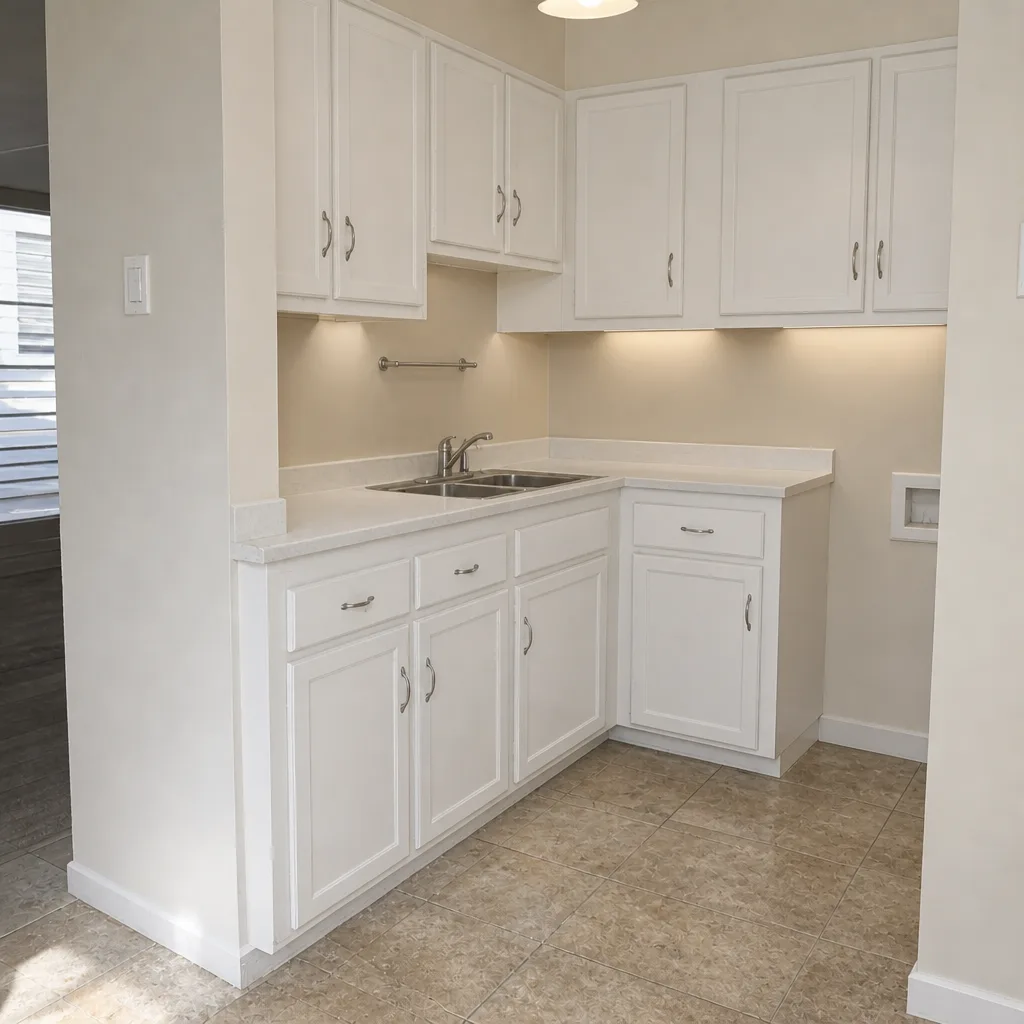 After
The Bottom Line
The DIY-versus-hire question in East Los Angeles isn’t about how handy you are. It’s about permit exposure at resale, insurance gaps when unpermitted work causes a loss, and the documents a buyer’s lender will ask for. Self-perform the demo, the paint, the finish hardware, and the cleanup. Leave structure, electrical, gas, plumbing, and inspection-driven work to a licensed contractor who signs the price and the guarantee before a tool comes out. When you want the phone answered by a real person and the warranty in writing, that’s how we work: a clean site, a documented scope, and a signed written guarantee in your hand.
Written by the team at Bradford Remodeling Co East Los Angeles.
DIY vs Professional Construction: The East Los Angeles Homeowner’s Decision Guide
In California, a homeowner can legally pull their own permits and perform their own work. That single fact drives more bad decisions in East Los Angeles than any other. What the rule doesn’t tell you is what happens at resale: the disclosure paperwork asks whether the work was owner-performed, and a buyer’s lender can require licensed re-inspection before funding the loan. This guide draws the DIY-versus-hire line using legal and financial criteria – permit exposure, insurance liability, and resale consequence – not a difficulty chart.
Quick Answer
Hire a licensed professional for anything structural, electrical, gas, plumbing rough-in, or permit-required; self-perform only cosmetic, non-permitted work like non-hazardous demo, painting, and finish hardware. In East Los Angeles, the deciding factor isn’t skill – it’s permit exposure, insurance gaps, and what unpermitted work does to your resale paperwork.
Table of Contents

- What California’s Owner-Builder Rule Actually Allows
- The Three Criteria That Decide DIY vs Hire
- How to Calculate True DIY Cost Against a Licensed Bid
- Projects Where DIY Costs More in East Los Angeles
- Insurance Gaps Unpermitted Work Creates
- What Unpermitted Work Does to Resale Value
- The Hybrid Model: What You Can Own Safely
- Permits and the By-the-Book Workflow
What California’s Owner-Builder Rule Actually Allows
California lets an owner who occupies the property act as their own contractor. That means you can file the permit in your own name and self-perform the work. What it doesn’t do is remove liability. When you sign as owner-builder, you take on the general contractor’s role: scheduling trades, meeting inspections, and guaranteeing code compliance.
The resale piece is where East Los Angeles homeowners get caught. California’s transfer disclosure statement asks sellers to identify work done without permits or by an unlicensed party. If you sell and an inspector flags a converted garage, a redone bathroom, or a new subpanel, the lender can hold funding until licensed re-inspection and code compliance are complete. That’s a routine funding condition, not a scare tactic.
Three things the owner-builder route does not shield you from:
- Worker injury liability. If you hire a helper or unlicensed sub and someone is hurt on the property, your homeowner’s policy may deny the claim and you may be personally exposed.
- Code corrections. If an inspection fails, you pay to open walls and redo work – the same fix a contractor would have corrected before handover.
- The disclosure trap. Owner-builder permits stay attached to the property’s history. Buyers and their agents read that paperwork.
The owner-builder rule is legal and sometimes sensible. It is not free of consequence. That trade-off is what decides most projects, and it comes down to three gates.
The Three Criteria That Decide DIY vs Hire
Most DIY advice grades projects from easy to hard. That’s the wrong axis. Skill is the part you can usually acquire. Legal exposure, insurance liability, and resale consequence are the parts you can’t. Run any project through these three gates.
- Legal exposure. Does the scope require a permit? Load-bearing changes, new electrical circuits, gas lines, plumbing rough-in, and structural repairs do. If yes, a licensed contractor carries the inspection risk. If you carry it, you own every correction pass.
- Insurance liability. Would a loss caused by this work be covered? Standard homeowner’s policies commonly exclude damage from faulty workmanship and unlicensed labor. A DIY shower-pan leak into the ceiling below may be denied.
- Resale consequence. Will this appear on a future inspection or disclosure? A fresh coat of paint doesn’t show. An unpermitted beam does, and it can stall a sale.
A tile backsplash clears all three easily. A full bathroom remodel with a relocated drain crosses all three. When two or more gates trip, the licensed bid is the cheaper decision even if the invoice is larger, because the DIY alternative hides costs in liability and resale drag you pay later.
If you want a straight read on where your project lands, our General Contractor in East Los Angeles page explains how we scope a job before any price is quoted.
How to Calculate True DIY Cost Against a Licensed Bid
Most homeowners compare material cost against a contractor’s quote. That math undersells the DIY total by 20 to 40 percent on a real project. Build the honest number in five steps.
- Add tool rental. A tile saw, jackhammer for demo, wet vac, and dumpster run real money. Price by the day, then add one extra day, because it always takes longer.
- Apply a waste factor. Plan 10 percent for tile, 15 percent for lumber and drywall. Off-cuts and measurement errors are part of the material bill.
- Add permit fees you’ll pay either way. Whether you pull or the contractor does, the fee is a pass-through. Don’t count it as DIY savings.
- Price your own time honestly. Count the hours you’ll spend, value a weekend of your time, and add the fix-it pass on anything you’ve never done.
- Add the correction line. Assume one inspection-driven redo on permitted work. That’s the base rate for a first-time owner-builder.
Compare that total against a written bid with a fixed price and a warranty, performed by people who’ve done the job before. In East Los Angeles, the licensed kitchen and bathroom work we quote routinely beats the DIY total once those lines are honestly added – because the DIY total was never the lower number. Our Kitchen Remodeling in East Los Angeles page shows what a scoped line-item bid looks like.
Projects Where DIY Costs More in East Los Angeles
East Los Angeles has a large share of pre-1970 homes, and the materials inside them were installed to a standard that no longer applies. Three categories consistently cost DIY more than a licensed bid.
Tile Removal in Asbestos-Era Homes
Floor tile, mastic, and linoleum laid before 1980 can contain asbestos. A demo that disturbs the material is a hazard, and disposal has rules. A licensed crew tests first and handles removal to the regulator’s standard. The DIY version often ends in an abatement bill after a buyer’s inspector finds a disturbed layer – a cost the homeowner never budgeted for.
Electrical Work in Aluminum-Wired Houses
Homes wired in the 1960s and 1970s often ran aluminum branch wiring. Aluminum connection points loosen over time and are a documented fire risk when handled by someone who doesn’t know the specific torque and connector requirements. This is a licensed-electrician category, not a first wiring job. Have the panel evaluated before adding a circuit. When the work runs through that inspection, we handle it as part of a Bathroom Remodeling in East Los Angeles scope as well, since bathrooms are where the wiring and plumbing usually run together.
Anything Touching a Load-Bearing Wall
Opening a wall for a pass-through looks simple until you meet a header you didn’t expect. In East Los Angeles homes built in the 1940s and 1950s, the framing rarely matches the plan. Taking a wall down without engineering is how an open-plan remodel becomes a structural repair. A licensed contractor checks before the hammer swings.
In all three categories, the DIY path saves on labor and loses on material handling, code compliance, or safety. The math inverts.