Last updated November 17, 2026
Free written scope consultation - allowances, timeline, and change-order rules on paper before a single trade is scheduled
How Long Does Kitchen Remodeling Take? Timelines and What to Expect
The average kitchen remodel takes 6 to 12 weeks, but most of that window is padding contractors build in to cover their own scheduling failures, not actual work time. We’ve walked into enough half-finished East Los Angeles kitchens to know the difference between a job that ran long because the work was hard and a job that ran long because nobody wrote the schedule down. This guide breaks a standard remodel into permit-bound phases, marks the days a crew should be on-site versus the days a code-mandated hold stops everything, and gives you a day-by-day skeleton you can hold any contractor to. What you’ll learn: where the real time goes, what an inspection hold actually is, and the three schedule killers that hit East Los Angeles kitchens hardest.
Quick Answer
A standard kitchen remodel takes 6 to 12 weeks of working time, and roughly 2 to 3 of those weeks are statutory holds you can’t speed up: permit review before demo and inspection holds during rough-in. A 10×12 kitchen with no structural changes usually lands at 8 to 10 weeks. Anything involving layout changes, new plumbing runs, or a wall coming down pushes you toward the 12-week mark or past it.
Styles & brands we work with
- Kitchen remodeling
- Bathroom remodeling
- Home additions & ADU
- Roofing
- Windows & doors
- Driveway & pavers
- Fence
Table of Contents
- The Five Phases of a Kitchen Remodel, in Order
- What an Inspection Hold Is and Why It Stops the Job
- The Three Schedule Killers That Hit East Los Angeles Kitchens
- How a Written Scope of Work Kills “Discovery” Delays
- A Realistic Day-by-Day Skeleton for a 10×12 Kitchen
- What Kitchen Remodeling Costs in East Los Angeles
- Common Mistakes to Avoid
- Frequently Asked Questions
The Five Phases of a Kitchen Remodel, in Order
Every kitchen remodel, regardless of size or budget, moves through five phases in a fixed sequence. You can compress the time inside each phase. You cannot legally reorder them. Here’s the breakdown, with the working days each phase typically eats.
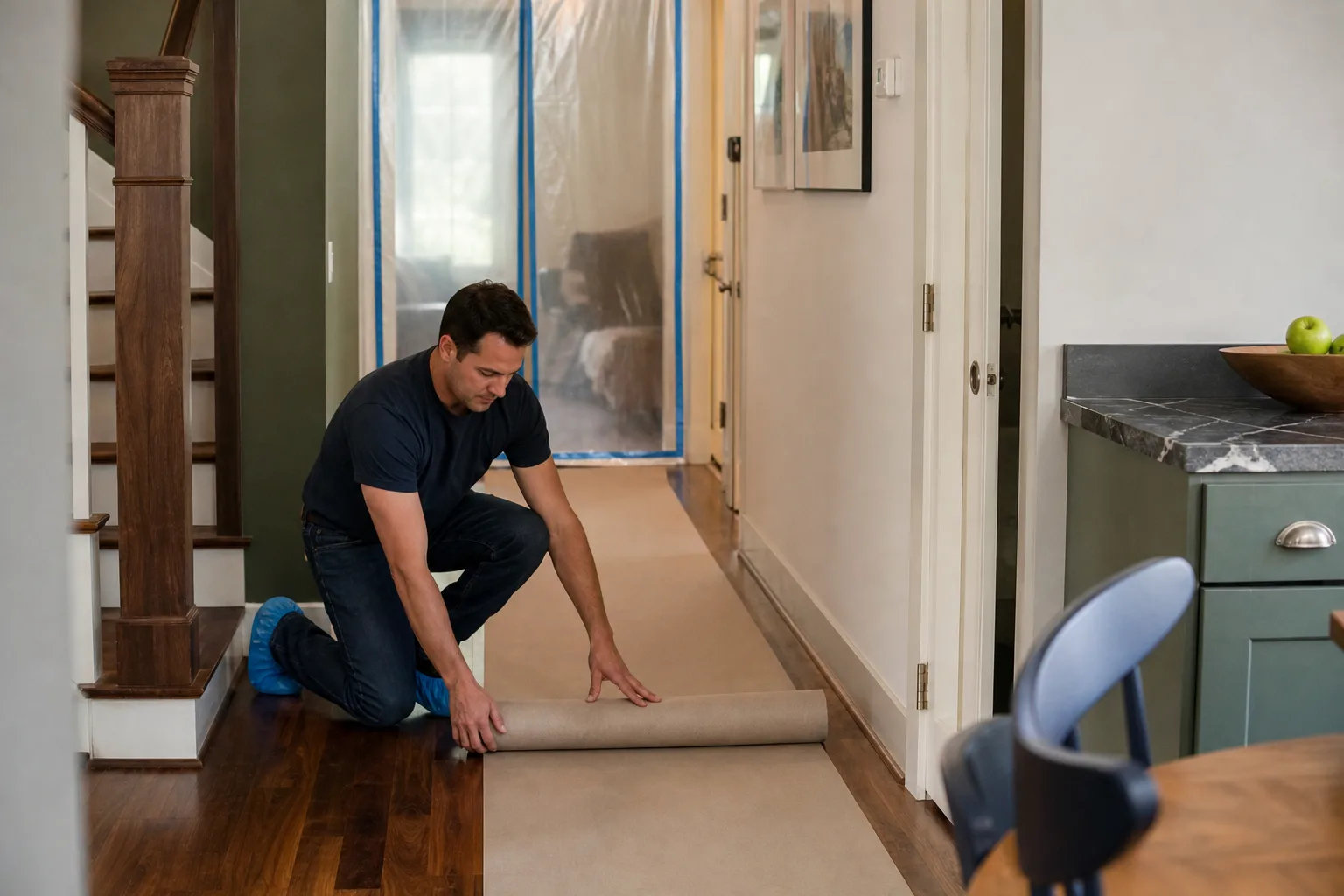
- Demolition (1 to 3 days). Cabinets, counters, and old flooring come out. If there’s tile or a second layer of flooring underneath, add a day. Demo is when surprises surface: dated wiring, water damage behind the counter, a drain that’s not where the drawing said.
- Rough-in (5 to 10 working days). This is where plumbing and electrical move inside the walls before anything gets closed up. New drain lines, supply lines, dedicated circuits for the range and dishwasher, venting for the hood. This is the phase most homeowners underestimate, and it’s the phase that determines whether your inspection passes the first time.
- Inspection hold (2 to 5 business days, sometimes longer). A county or city inspector must sign off on rough-in before the walls close. The job physically cannot progress during this window. There is no crew activity to watch, and that’s normal.
- Drywall and cabinet install (4 to 8 working days). Walls go back up, the substrate gets prepped, cabinets hang. With KraftMaid or Wellborn boxes, this phase is predictable because the dimensions are consistent and the hardware is documented. This is also where a lead-time problem shows up if the cabinets didn’t arrive when the schedule said they would.
- Finish work (10 to 15 working days). Countertop template and install, backsplash, electrical trim-out, plumbing trim-out, flooring, paint, punch list. The most visible phase and the one with the most small tasks that each need their own slot.
Add those together and you get 22 to 41 working days, which is roughly 5 to 9 calendar weeks of actual work. The gap between that number and the 6-to-12-week figure you hear everywhere is where scheduling discipline lives.
What an Inspection Hold Is and Why It Stops the Job
An inspection hold is a legal stop. After rough-in, the work inside the walls must be inspected and signed off before it can be covered with drywall. The inspector is confirming that the plumbing and electrical meet code: proper pipe sizing, correct drain slope, grounded circuits, GFCI protection where the code requires it near water. Until that signature goes on the permit card, no responsible contractor closes the wall.
This is the single biggest source of homeowner anxiety during a remodel. You come home, the kitchen is a hole in the wall, and nothing has moved in three days. It looks like the crew walked off. They didn’t. The job is in a code-mandated hold, and it will move the moment the inspector clears it. In East Los Angeles, where much of the housing stock was built between the 1920s and the 1960s and has been reworked piecemeal over the decades, inspectors tend to look closely at how new work ties into old. A kitchen with original galvanized supply lines and a 1950s panel will get more attention than a tract home that’s already been brought up to current code.
What to ask your contractor about this phase:
- When is the rough-in inspection scheduled, and who calls it in?
- What’s the current turnaround at the LADBS office for a kitchen rough-in?
- If the inspector flags something, is the correction included in the written price or does it become a change order?
The inspection itself is not a delay. An inspection that gets rescheduled three times because nobody called it in on time is a delay. That’s a scheduling failure, and it’s exactly the kind of thing The Garrison Standard is built to prevent: every step on the schedule, in writing, before tools come out. If you’re comparing contractors, see how our kitchen remodeling in East Los Angeles process handles inspection holds versus the vague week counts you’ll get from most bids.
The Three Schedule Killers That Hit East Los Angeles Kitchens
Across East Los Angeles, three specific problems account for the bulk of timeline overruns. They’re not random. They’re predictable, which means they can be planned around.
1. Cabinet lead times from local suppliers
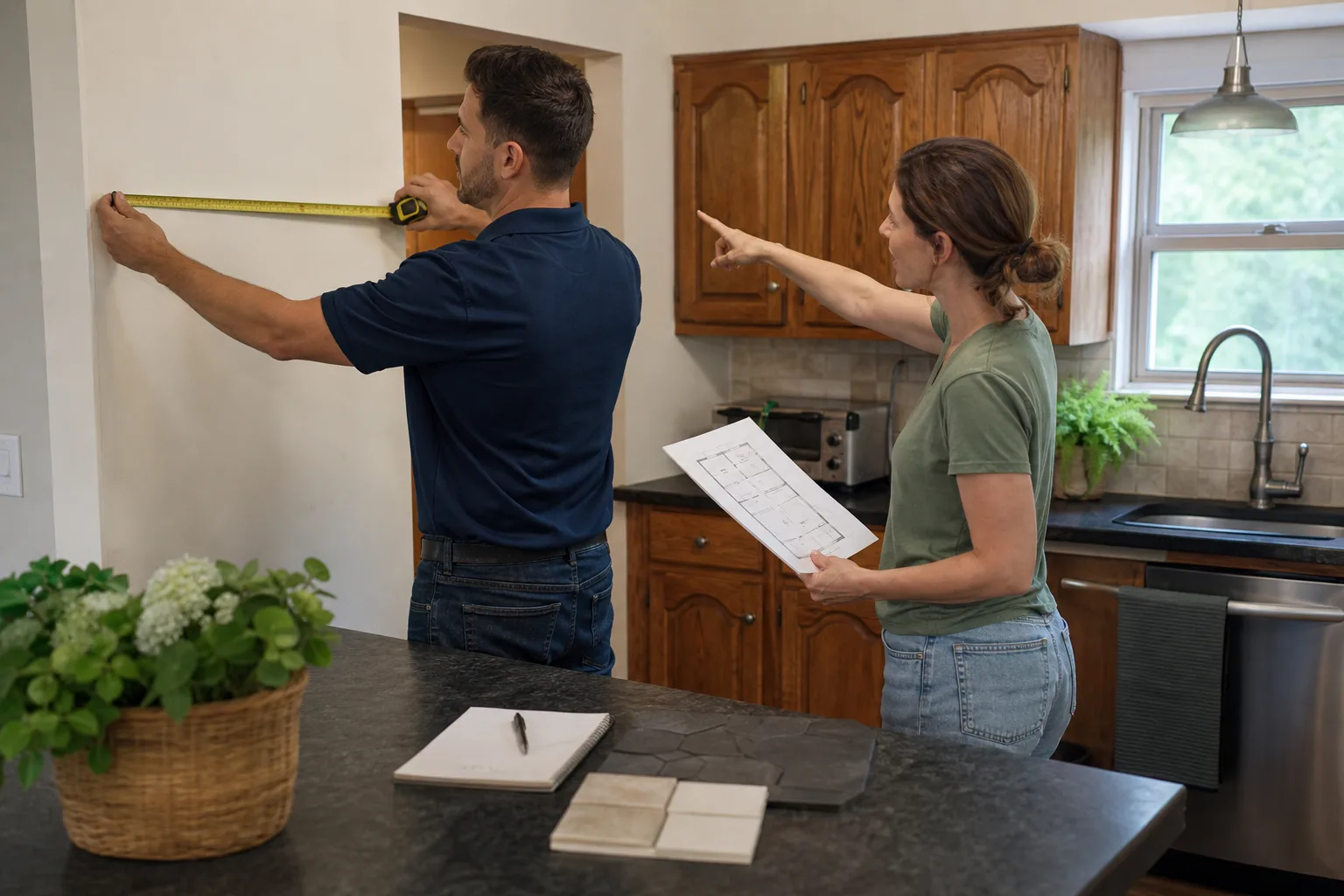
Cabinet delivery runs 4 to 8 weeks for semi-custom and longer for full custom, and the clock doesn’t start until the order is placed with exact dimensions. A contractor who orders cabinets after demo, instead of before demo, has just added a month of dead time to your kitchen. The sequence should be: measure, order, then demo. The kitchen sits empty for a week or two longer at the start, but the cabinets arrive when the walls are ready instead of the other way around.
2. Permit backlog at the LADBS office
Plan review for a kitchen remodel that touches plumbing, electrical, or a wall runs weeks at the Los Angeles Department of Building and Safety, and the queue stretches when the office is busy. This is not negotiable and it is not the contractor’s fault, but a contractor who files the permit the day before demo is planning to fail. Filing early, with a complete set of drawings, is the only reliable move.
3. Change orders after demo reveals old galvanized pipe
This is the big one in East Los Angeles. A kitchen from 1948 with galvanized supply lines that have narrowed to a pencil’s worth of flow will not stay where the drawing says. Demo opens the wall, the pipe is visible, and the scope changes. A contractor who priced only for “replace what’s there” now has to add a change order. A contractor who priced for the probable condition has already covered it. We’ve seen this exact scenario play out in kitchen after kitchen along the blocks near Whittier Boulevard and Atlantic Avenue. Older homes near the bathroom remodeling in East Los Angeles projects we run frequently have the same galvanized problem, which tells you it’s a neighborhood-wide housing-stock issue, not bad luck.
How a Written Scope of Work Kills “Discovery” Delays
A written scope of work forces the contractor to price for probable conditions before demo begins, not after. That’s the difference between a schedule that holds and a schedule that gets rewritten in the middle of the job.
Here’s what a disciplined scope includes that a stripped-down bid does not:
- Contingency line items for known conditions. “Repair or replace up to X feet of galvanized supply line discovered during rough-in” is priced and in writing. If it’s found, it’s already covered. If it isn’t, you’re not paying for it.
- An inspection-hold allowance with a date range. Not “allow two weeks,” but “rough-in inspection scheduled for day 12, hold through day 17.”
- Cabinet order date and expected delivery window, written on the schedule.
- Named materials with manufacturer specs. When the cabinets are KraftMaid or Wellborn and the fixtures are Kohler or Moen, dimensions and lead times are documented, not guessed.
- A fixed price with a stated change-order process. Any change order gets priced and signed before the work happens.
We put a written price in front of every homeowner before a single tool comes out. That’s not a selling point, it’s the baseline. A scope you can read before demo is the only thing standing between you and a “discovery” that appears on day four with a number attached. For more on how we apply this to whole-house work, see our general contractor in East Los Angeles page.
A Realistic Day-by-Day Skeleton for a 10×12 Kitchen
Here’s a skeleton for a standard 10×12 kitchen with no structural changes, no wall removal, and a fairly standard layout. Use it as your comparison baseline when you’re evaluating any contractor’s proposed timeline. If a bid promises substantially less, ask which phase got compressed and how the inspection hold got removed.
- Days 1 – 2: Demolition. Cabinets, counters, flooring out. Old pipe and wiring inspected.
- Days 3 – 4: Framing and substrate prep. Any wall repairs, subfloor patching.
- Days 5 – 12: Rough-in. Plumbing supply and drain, electrical circuits, hood venting. This is the longest working phase.
- Days 13 – 17: Inspection hold. No crew on-site. Inspection called, held, signed off.
- Days 18 – 21: Insulation and drywall. Hanging, taping, mudding, sanding.
- Days 22 – 25: Cabinet installation. Boxes, leveling, doors, hardware.
- Days 26 – 27: Countertop template. Template measured and sent to fabrication.
- Days 28 – 35: Countertop fabrication and install. Cambria or Caesarstone surfaces run 1 to 2 weeks from template to install.
- Days 36 – 40: Backsplash and flooring.
- Days 41 – 44: Electrical trim-out and plumbing trim-out. Outlets, switches, faucets, disposal, dishwasher hookup.
- Days 45 – 47: Punch list and final inspection.
That’s about 47 working days, or roughly 9 to 10 calendar weeks with weekends and the inspection hold included. That’s a realistic number, not a padded one. Anything quoted under 6 weeks for this scope is either skipping inspections or pricing in a way that will change once work starts. These are the kinds of numbers we walk through with every homeowner from the Eastmont neighborhood to the blocks off Cesar Chavez. For a broader view of how a kitchen fits into a whole-home project, start at the Bradford Remodeling Co East Los Angeles home page.
What Kitchen Remodeling Costs in East Los Angeles
Pricing in East Los Angeles runs a little different from the Westside because the housing stock is older and more of the budget goes to bringing systems up to current code. Here are real ranges for common line items. These are what we put in writing before work starts, not estimates that move at the door.
| Line item | Typical range in East Los Angeles |
|---|---|
| Cosmetic refresh (paint, hardware, backsplash only) | $8,000 – $18,000 |
| Mid-range full remodel, 10×12, no layout change | $38,000 – $62,000 |
| Full remodel with layout change and plumbing relocation | $60,000 – $95,000 |
| Galvanized supply line replacement (likely condition) | $3,500 – $8,000 |
| Electrical panel upgrade if the kitchen can’t carry new circuits | $3,000 – $7,500 |
| Cabinet package (semi-custom) | $12,000 – $28,000 |
| Countertop (fabricated stone) | $4,000 – $9,000 |
The one number that most often blows the budget in East Los Angeles is the galvanized line replacement, because you don’t know about it until demo. A written scope that anticipates it keeps the price steady. If you’re also planning a bathroom at the same time, the ranges there follow a similar logic and we cover them on our bathroom remodeling in East Los Angeles page. Either way, every project we run carries our 365-Day Done Right Promise: if any part of the work doesn’t hold up within a full year, we come back and fix it at no charge.
Common Mistakes to Avoid
- Approving a bid with no written schedule. A price without a phase-by-phase timeline is half a bid. The schedule is what tells you whether the price is realistic.
- Letting demos run before cabinets are ordered. In East Los Angeles kitchens, cabinet lead times of 4 to 8 weeks turn an empty room into a stalled project. Order first, demo second.
- Underestimating the inspection hold. If a contractor says the inspection will take “a few hours” and the crew will be back the same day, they’re either telling you what you want to hear or they don’t know the LADBS process.
- Not budgeting for probable conditions in older homes. The plumbing and wiring in a 1950s East Los Angeles kitchen is not the plumbing and wiring in a newer build. A bid with no contingency line is a bid that will change.
- Choosing the lowest number over the most written scope. The two are not the same and the gap between them usually shows up as a change order after demo.
- Hiring a contractor with no written guarantee at job close. At the end of a remodel you should have a signed scope, a clean site, and a warranty in hand. Any crew that closes out without that is leaving you with nothing to hold them to.
See the difference
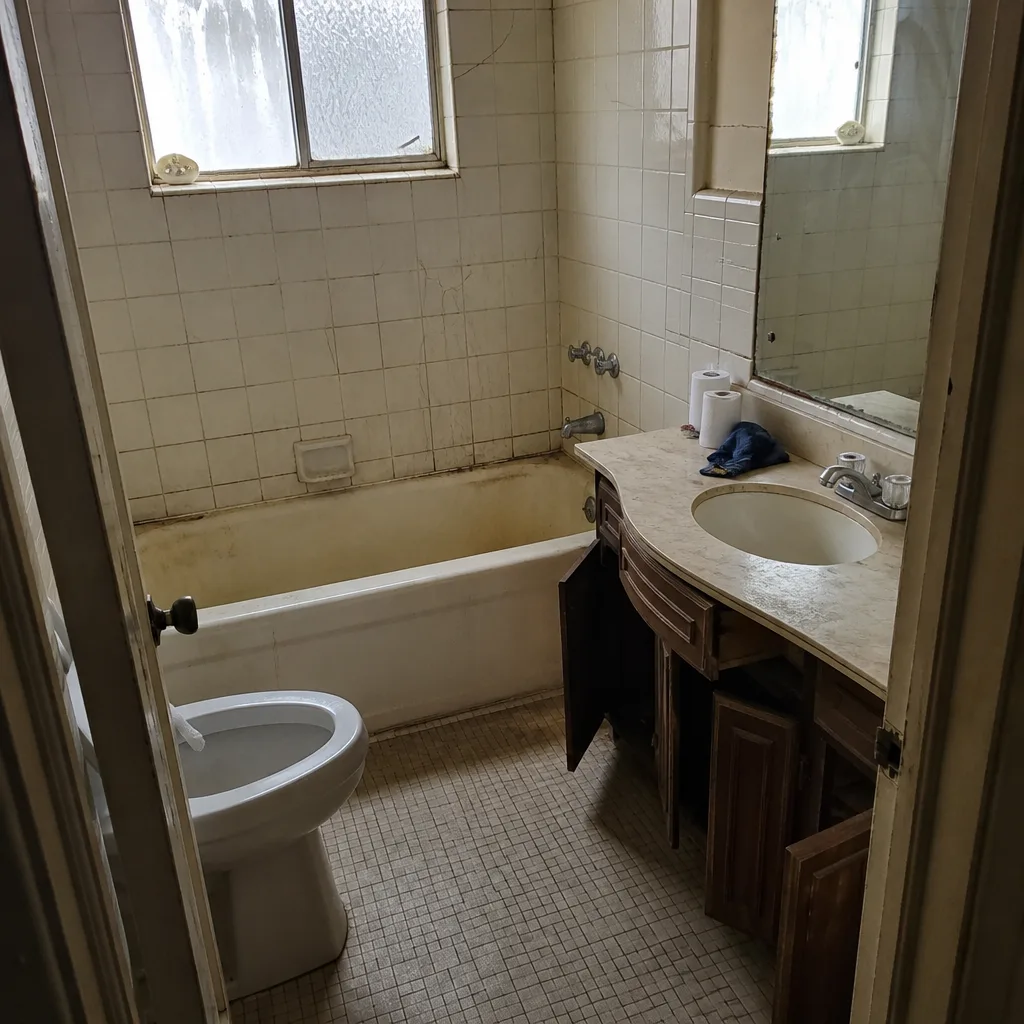 Before
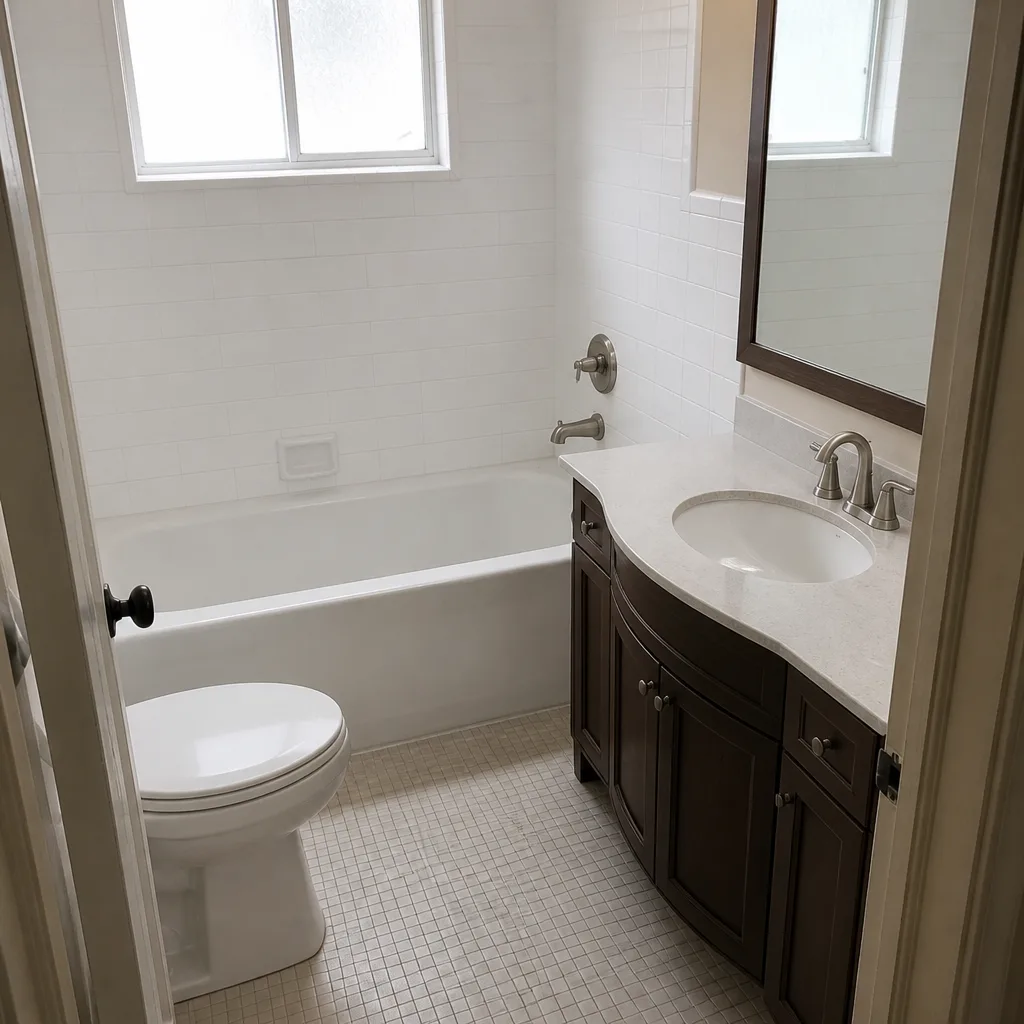 After
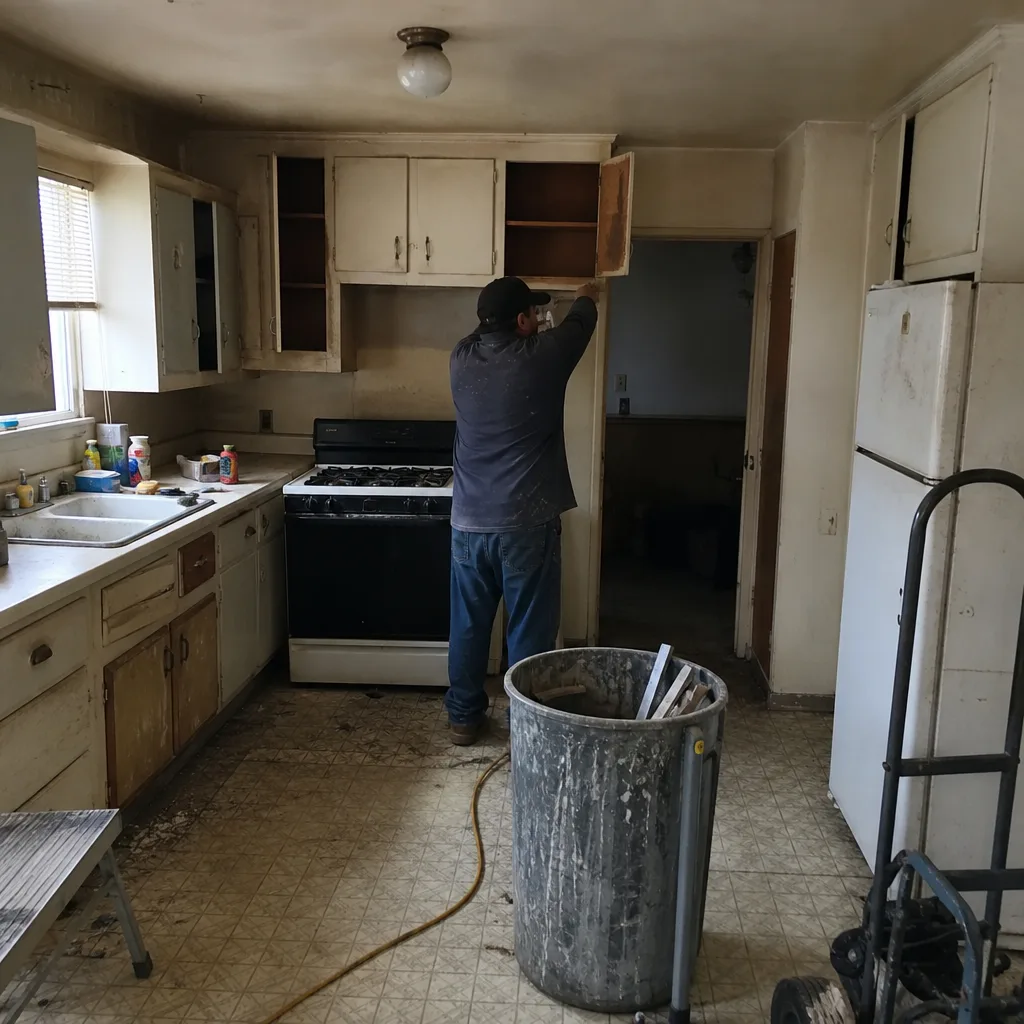 Before
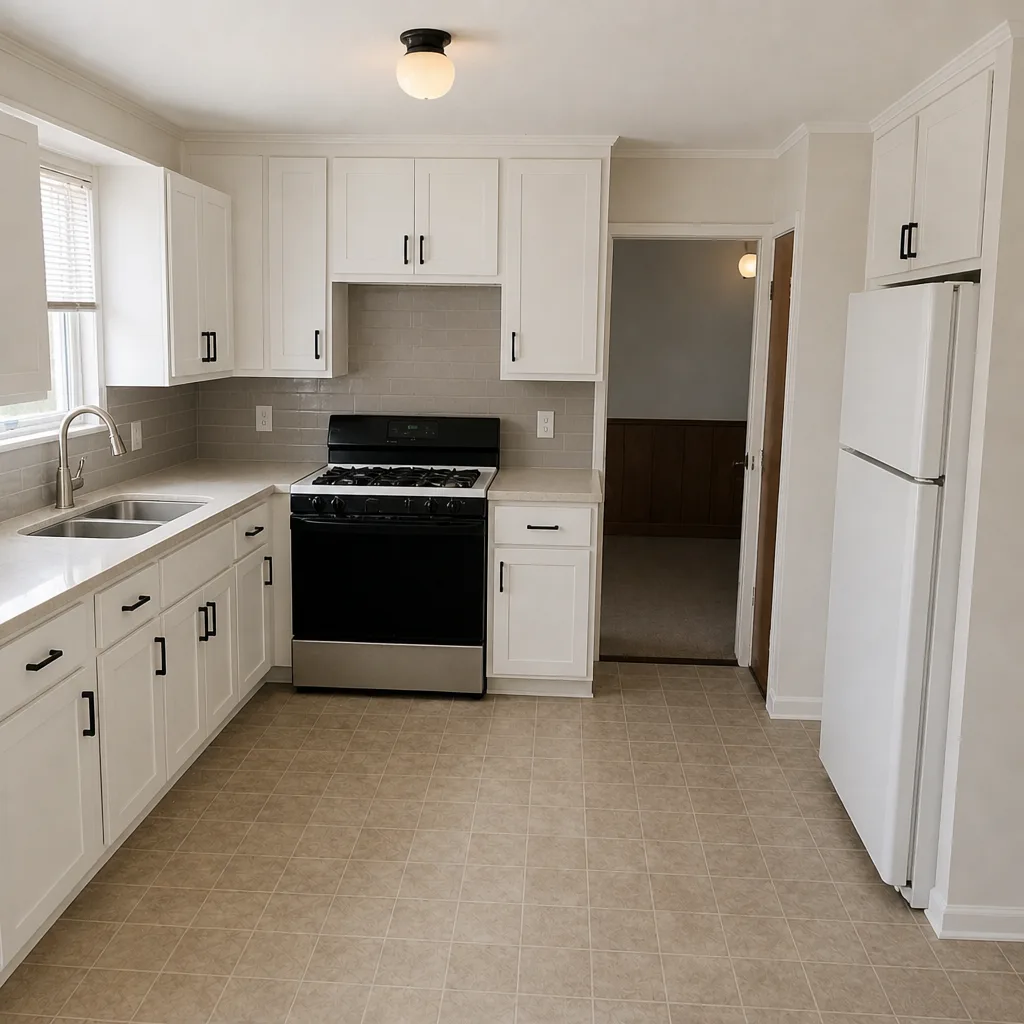 After
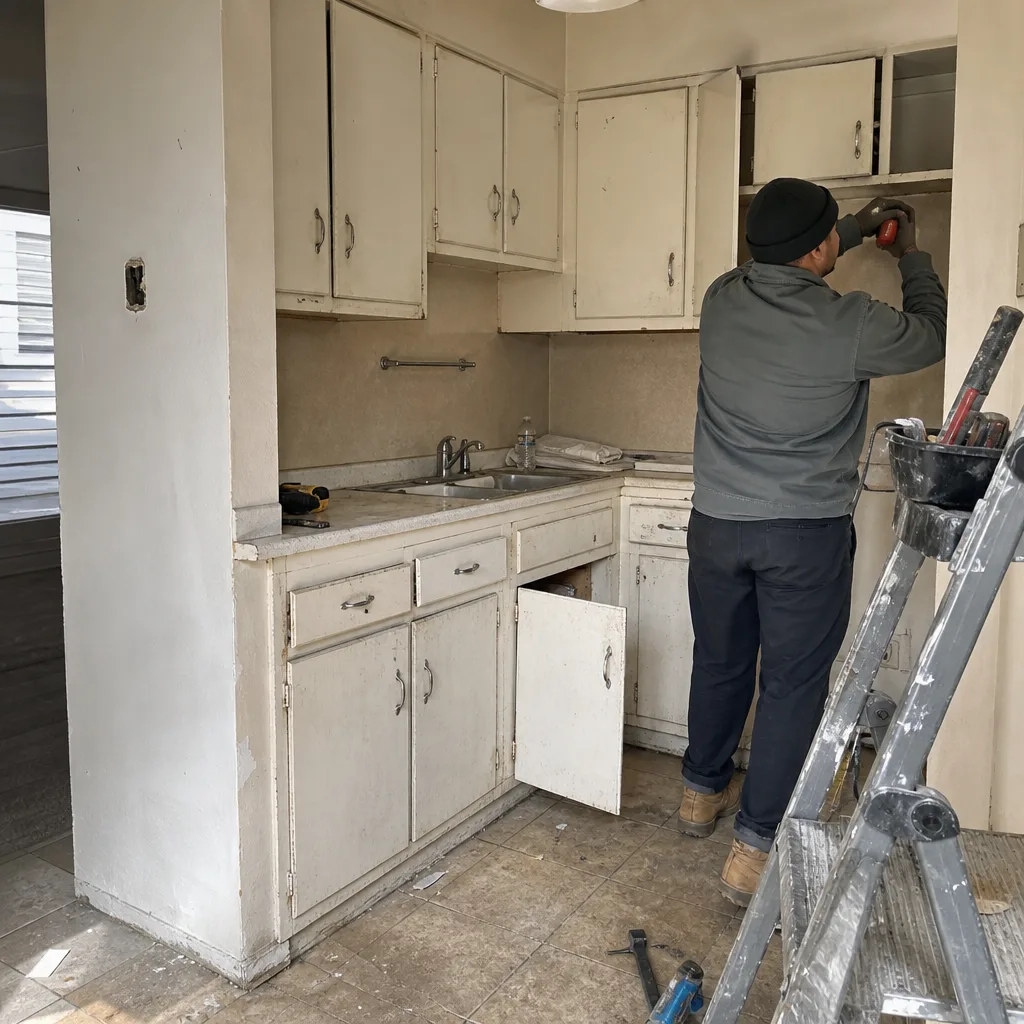 Before
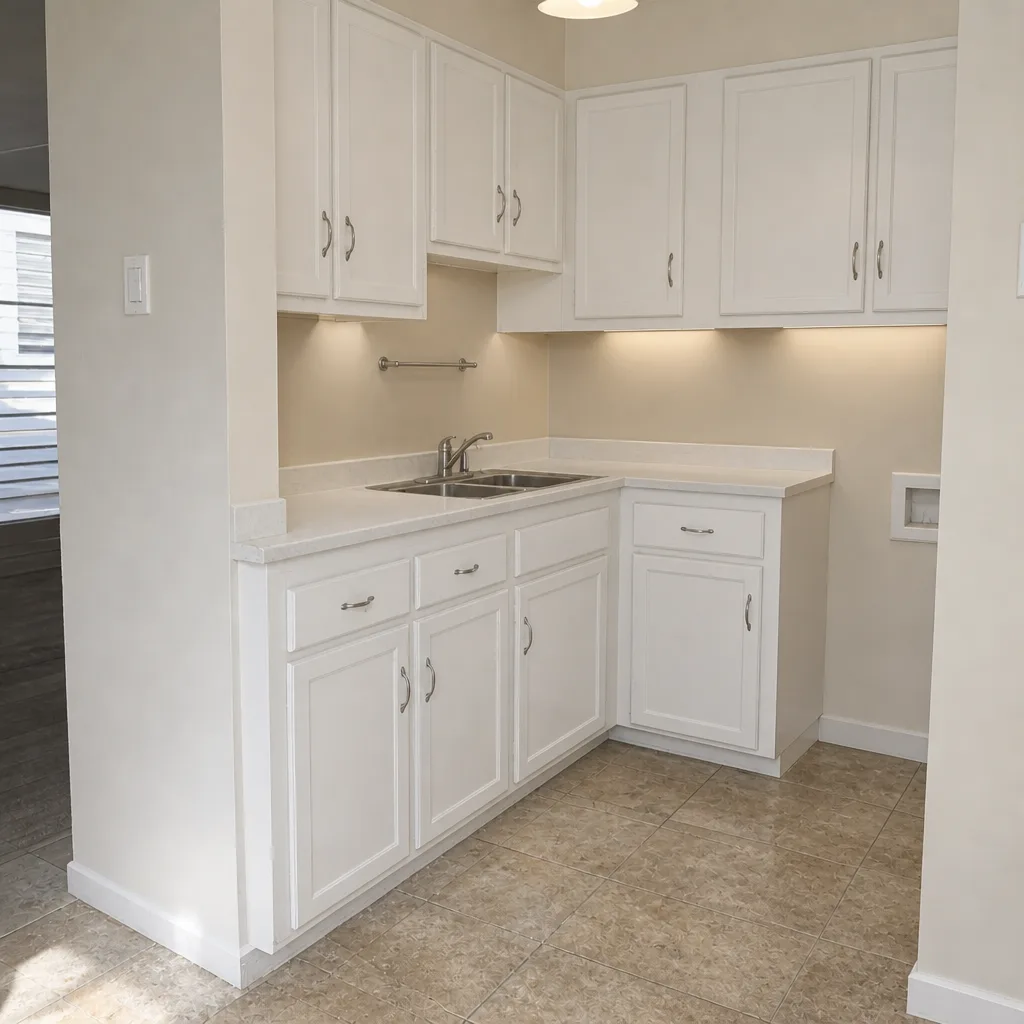 After
When to Call a Professional
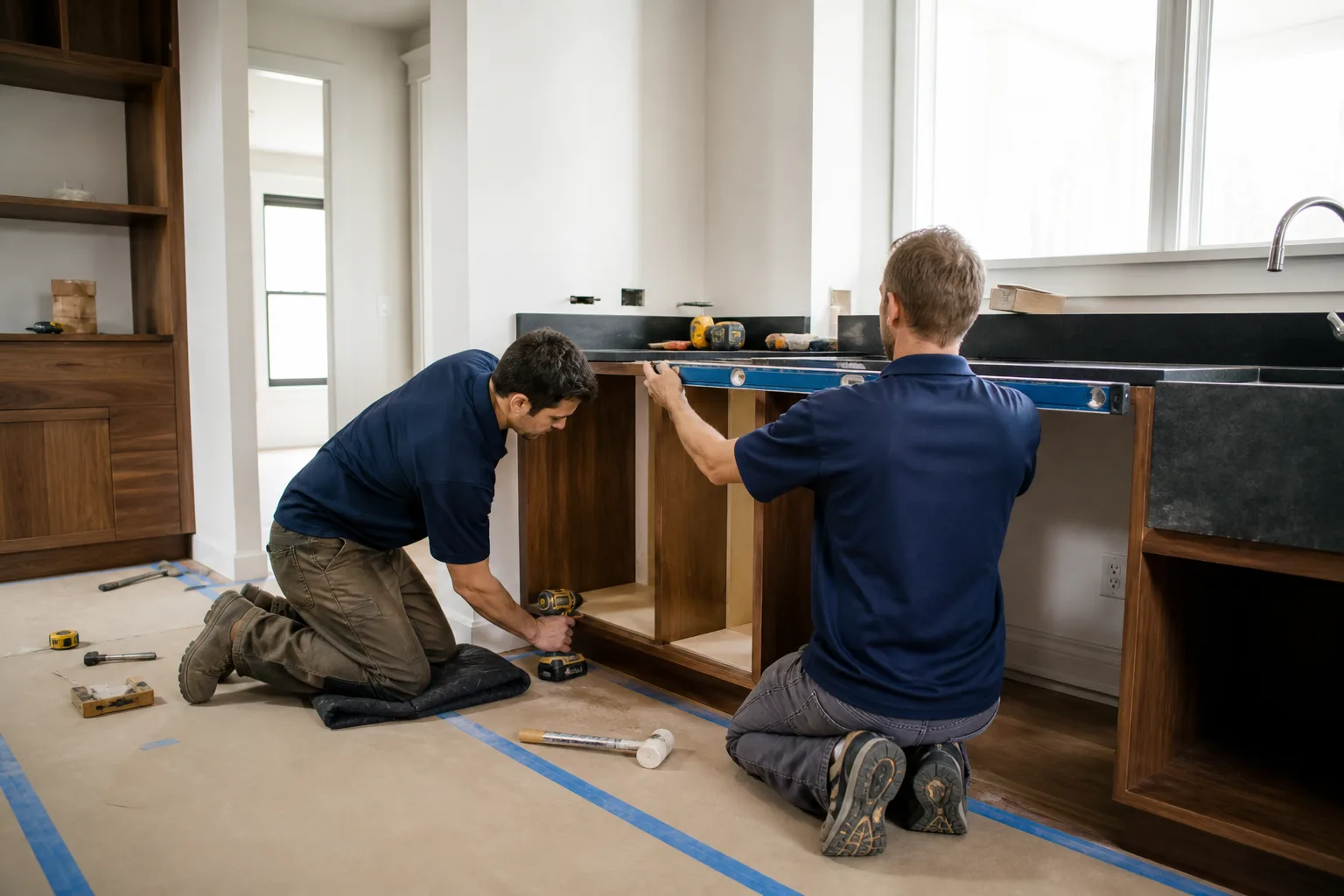
Call a licensed contractor before you take a wall down, before you relocate plumbing, and before you change any electrical beyond swapping a fixture. In East Los Angeles specifically, anything that touches the plumbing and electrical systems in an older home is going to need a permit and an inspection, and a kitchen remodel that skips permits creates a problem at resale that will cost more than the remodel saved. If a demo has already surfaced galvanized pipe or dated wiring, stop and get the scope updated before work continues. Bradford Remodeling Co East Los Angeles offers free estimates in East Los Angeles. Call (833) 520-6636 and we’ll walk you through the phases, put a written price together, and give you a schedule you can hold us to. We work with a documented roster of brands – KraftMaid and Wellborn for cabinetry, Cambria and Caesarstone for surfaces, Kohler and Moen for fixtures, GAF and James Hardie for exterior work, Therma-Tru for doors, and Belgard and Master Halco for hardscaping – so specifications are traceable and there’s no guesswork about what’s actually going in your kitchen. Our technicians have up to 22 years of experience, and every completed project carries the 365-Day Done Right Promise.
Frequently Asked Questions
A standard kitchen remodel in East Los Angeles takes 8 to 12 weeks, with roughly 2 to 3 of those weeks being permit and inspection holds you can’t compress. A 10×12 kitchen with no layout changes usually lands at 8 to 10 weeks. Call (833) 520-6636 for a written schedule – estimates are free.
The stall is almost always an inspection hold. After rough-in, the plumbing and electrical inside the walls must be inspected and signed off before drywall goes up, and that hold is a legal stop, not a contractor delay. If your contractor can’t point to the scheduled inspection date on the written timeline, that’s the problem. Call (833) 520-6636 and we’ll explain how our schedule handles it.
A mid-range full remodel of a 10×12 kitchen in East Los Angeles runs $38,000 to $62,000. Layout changes and plumbing relocation push it into the $60,000 to $95,000 range, and older homes often need $3,500 to $8,000 of galvanized line replacement added. Call (833) 520-6636 for an exact number – estimates are free and the price is written before work starts.
Not on a well-written scope. Any change in price gets priced and signed as a change order before the work happens, and probable conditions like galvanized pipe are priced in from the start. If a contractor won’t put the change-order process in writing, that’s a warning sign. Call (833) 520-6636 and we’ll show you what a written fixed price looks like.
Yes. Every kitchen remodel we run pulls the required permits, and the inspections are scheduled on the written timeline so you know exactly which days the job is in a hold. Skipping permits in East Los Angeles creates a resale problem that costs more than the permit. Call (833) 520-6636 to schedule your free estimate.
Every completed kitchen we build carries the 365-Day Done Right Promise. If any part of the work fails to hold within a full year, we return and correct it at no charge. The guarantee is in writing, in your hand, at job close. Call (833) 520-6636 to talk through the details.
The Bottom Line
A kitchen remodel doesn’t run long because the labor is slow. It runs long because nobody wrote the schedule down, nobody ordered the cabinets before demo, and nobody priced the galvanized pipe that was always going to be behind that wall. A standard 10×12 kitchen in East Los Angeles takes 8 to 10 weeks when the phases are laid out in writing, the inspection holds are scheduled instead of discovered, and the scope of work names the probable conditions from day one. The contractors worth hiring will hand you that document before they hand you a number.
Call Bradford Remodeling Co East Los Angeles at (833) 520-6636 to schedule your free estimate. You’ll get a written price, a phase-by-phase schedule, and a 365-Day Done Right Promise at close. A live person answers the phone, day or night. All completed work is backed by our full-year written guarantee, and every technician on the job is background-checked and uniformed.
Written by the team at Bradford Remodeling Co East Los Angeles.