Last updated November 17, 2026





Free written scope consultation - allowances, timeline, and change-order rules on paper before a single trade is scheduled
Kitchen Remodeling Maintenance Schedule: What to Do and When
Quartz countertop makers void warranties for heat damage from a hot pan, but that’s not the claim that gets denied most often. The quieter failure is an undermount sink joint that wasn’t sealed properly, wicking water into the substrate for a year and a half before the countertop edge lifts. By then, the workmanship warranty window has closed and the manufacturer points at installation. A remodeled kitchen is a system with a maintenance calendar, and most homeowners never get one. This guide gives you the actual schedule by component, tuned for East Los Angeles homes, hard water, and the warranties that depend on you doing your part.
Quick Answer
After a kitchen remodel, run a 30-day, 90-day, and 1-year self-inspection to catch early failures while they’re still covered. Between those checkpoints: tighten cabinet hardware and hinges every 6 months, inspect and reseal the sink caulk annually (or the moment it cracks), seal natural stone counters yearly and grout every 12 – 24 months, clean the exhaust fan every 3 – 6 months, and descale faucet aerators and the dishwasher every 2 – 4 months in East Los Angeles’s hard water. Log every action. Your workmanship warranty and your appliance warranties both depend on documented care.
Styles & brands we work with
- Kitchen remodeling
- Bathroom remodeling
- Home additions & ADU
- Roofing
- Windows & doors
- Driveway & pavers
- Fence
Table of Contents
- The Component-by-Component Maintenance Schedule
- How East Los Angeles Hard Water Changes the Calendar
- The 30-Day, 90-Day, and 1-Year Inspection Checklists
- Appliance Warranties vs. Workmanship Warranty: Closing the Gap
- Keeping a Maintenance Log That Supports Resale
- Exhaust Fan and Ventilation: The Overlooked Service Item
- Garbage Disposal and Faucet Servicing
- Common Mistakes to Avoid
- When to Call a Professional
The Component-by-Component Maintenance Schedule
Every material in your kitchen has a manufacturer spec for care, and most of those specs include a maintenance condition that, if ignored, voids coverage. Here’s the schedule we hand homeowners at close, organized by how often each task comes due.
Every 3 months
- Tighten cabinet door hinges and drawer slides. Wood moves with seasonal humidity; screws back out. A quarter turn on a Phillips head is enough. Skip it and doors sag, rubbing the face frame.
- Clean the exhaust fan filter or grease screen. In a kitchen that cooks daily, grease builds faster than you’d think.
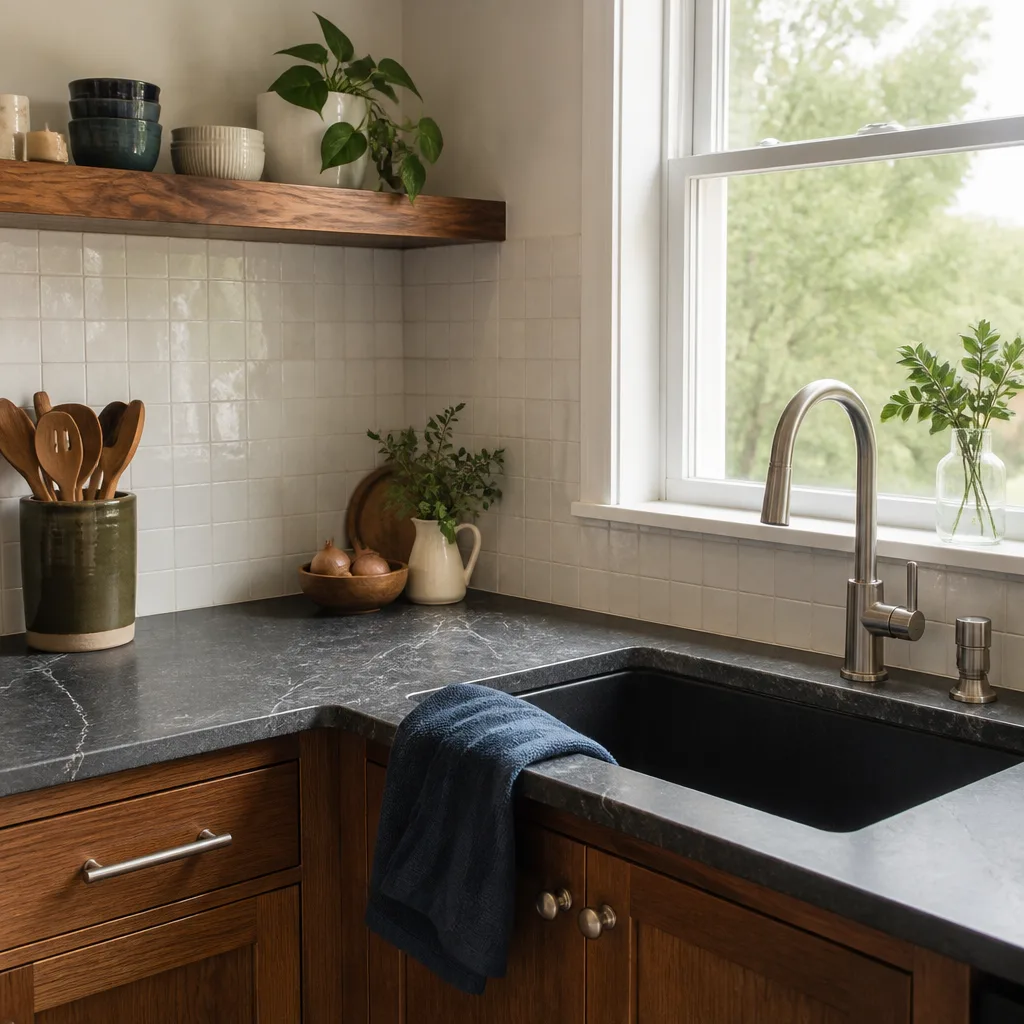
- Wipe down and inspect the sink caulk line where the counter meets the sink rim. Look for darkening, peeling, or a gap.
- Flush the garbage disposal with ice and cold water to clear buildup.
Every 6 months
- Go over every cabinet pull and knob. Hardware loosens; a loose pull eventually strips the screw hole in the door.
- Check under-sink shutoff valves and the supply lines to the faucet for weeping. A slow drip behind a cabinet base is a mold problem in the making.
- Clean behind and under the refrigerator and range if they’re slide-in units.
Annually
- Reseal natural stone counters. Quartz and quartz-composite surfaces don’t need sealing, but natural stone does, and the manufacturer’s care sheet will tell you so.
- Inspect and refresh the sink caulk joint. This is the one task most often skipped and the one that costs the most when it fails.
- Descale faucet aerators and shower-style sprayers.
Every 12 – 24 months
- Re-seal grout on a tiled backsplash or floor. Sealer degrades; unsealed grout stains and cracks.
- Have the range hood ductwork checked for grease accumulation if you cook with oil regularly.
If your kitchen was finished by our kitchen remodeling team in East Los Angeles, we walk you through this list at close and hand you the written schedule. That handoff is part of The Garrison Standard: nothing about the job is finished until you know how to keep it finished.
How East Los Angeles Hard Water Changes the Calendar
East Los Angeles water runs hard, and if you’ve lived here any length of time you know it. The mineral load leaves scale on faucet aerators, in the dishwasher, and inside the supply lines faster than in most of the country. That shortens every descaling interval on the schedule above.
What that means in practice:
- Faucet aerators: pull and soak in white vinegar every 2 – 3 months, not every 6. A scaled aerator drops flow and makes a Moen or Delta fixture feel broken when it isn’t. A 20-minute vinegar soak restores it.
- Dishwasher: run a descaling cycle every 4 – 6 weeks with a citric-acid cleaner. Most dishwasher warranties exclude mineral damage, so the manufacturer will point to your water and decline the claim if scale is the cause.
- Kohler and Moen fixtures: both publish descaling instructions for their finishes. Follow the finish-specific method; abrasive cleaners pit the finish and void the finish warranty even when the valve body is fine.
- Instant-hot dispensers and coffee systems: descale every 2 – 3 months. Scale kills the heating element, and the element is usually not a covered part.
If you’re on a private well or a building with older galvanized lines, test the water once. It tells you whether you’re on the aggressive descaling schedule or the standard one, and it’s the single cheapest piece of information you can gather about your kitchen’s longevity.
The 30-Day, 90-Day, and 1-Year Inspection Checklists
These three checkpoints catch the failures that are most likely to still be under warranty. The point is to find them early, while the fix is free.
30-Day Inspection
- Open and close every cabinet door and drawer slowly. Listen for rubbing, look for gaps in the reveal. Doors that rubbed from day one are an install issue, not a wear issue.
- Check the sink from underneath. Run the faucet for two minutes, then look at the cabinet floor for any moisture. Any water at all is a reseal, not a wait-and-see.
- Run the dishwasher a full cycle and check for leaks at the supply and drain connections.
- Test the disposal with a full sink of water. It should drain without gurgling or backing up.
- Look at the caulk line at the counter-to-backsplash joint. Any gap is a call-back, and it’s free at this stage.
90-Day Inspection
- Re-check every cabinet hinge and slide. Wood has settled and moved through one season; anything loose gets tightened now.
- Look for hairline cracks in grout at the backsplash. Cracks mean movement, and movement means the substrate or the setting bed needs a look.
- Check the exhaust fan for increased noise or vibration. A fan that got louder in 90 days has a loose blade or a mounting issue.
- Re-inspect the sink joint and the countertop edge for any lift.
1-Year Inspection
- Repeat the full 30-day checklist.
- Reseal any natural stone and grout that’s due.
- Look at the inside of the dishwasher and the inside of the disposal flange for scale and buildup.
- Photograph everything. A photo log taken at the 1-year mark documents the condition of the work before your workmanship warranty period closes.
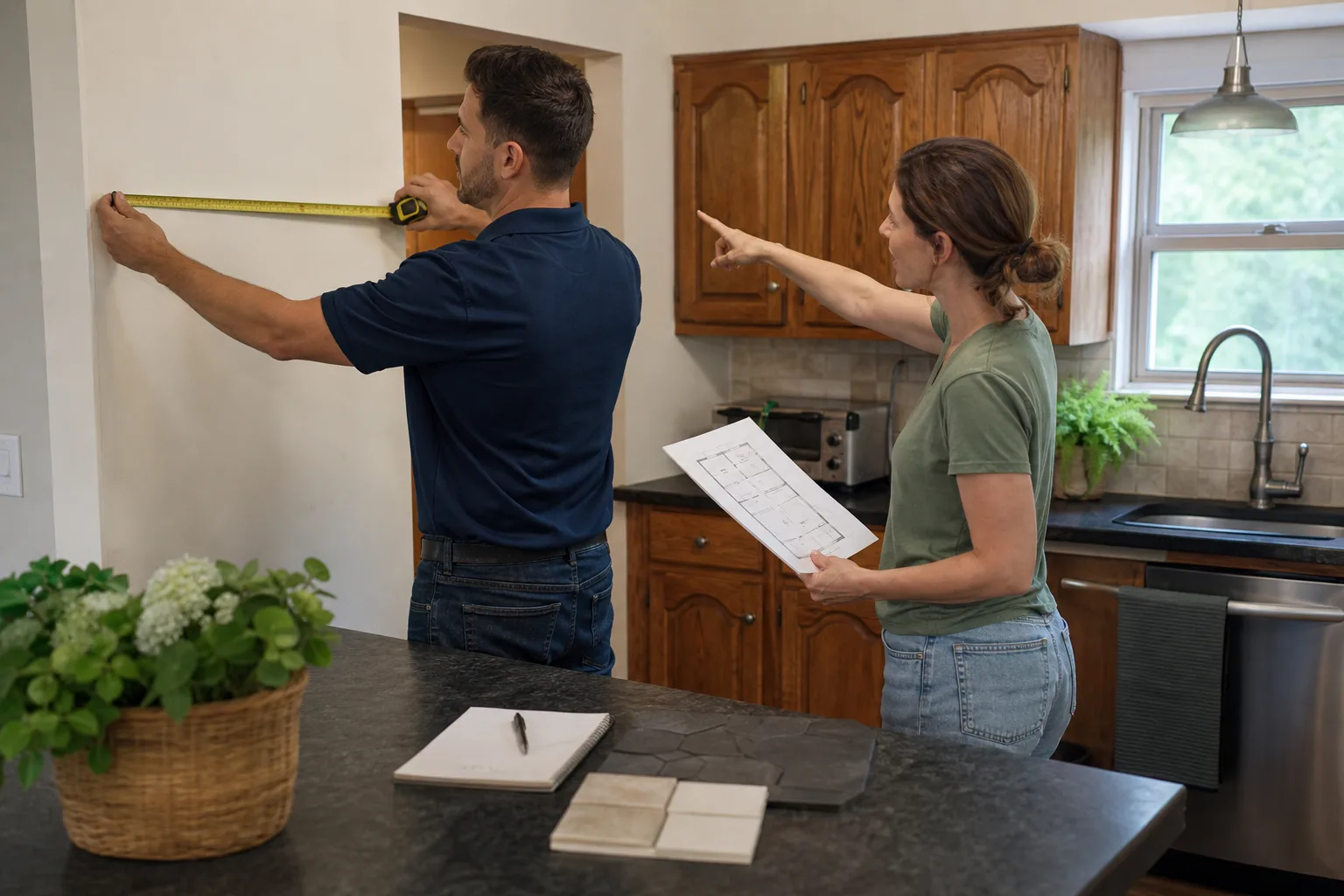
This is also the right moment to have a professional do a walk-through if your project included structural or plumbing changes. See our general contractor services in East Los Angeles for the scope of a proper post-project review.
Appliance Warranties vs. Workmanship Warranty: Closing the Gap
There’s a gap most homeowners discover the hard way. The appliance maker covers the appliance. The contractor covers the work. Neither one covers a failure caused by the other, and a slow leak at the sink joint sits squarely in the middle: the appliance brand says it’s an installation issue, and the installation warranty has expired or was never triggered because the damage wasn’t reported in time.
These two warranties carry different requirements:
- Appliance warranties require you to follow the care instructions in the owner’s manual: descaling, cleaning filters, using recommended cleaners, not modifying the appliance. Miss one and the claim gets denied.
- Workmanship warranties require you to report failures promptly and to not let a known problem run. Ignoring a leak for 18 months lets a contractor reasonably argue the damage was caused by neglect.
The fix is simple: keep the schedule above, keep the log, and report a failure the first day you notice it. Bradford’s 365-Day Done Right Promise covers every completed project for a full year. If the work fails inside that window, we come back and correct it at no charge. That’s a written commitment, and it has a term: twelve months. When a failure is reported inside that window, it’s covered. Documented maintenance is what keeps the claim live. For a related walk-through of warranty terms on a different room, see our bathroom remodeling team in East Los Angeles.
Keeping a Maintenance Log That Supports Resale
A maintenance log is a small thing that pays dividends: it demonstrates the kitchen was cared for, it supports a resale disclosure, and it’s the receipt you need if a warranty claim gets contested.
What to log:
- Date and task for every item on the schedule above: hardware tightening, caulk inspection, grout sealing, descaling, exhaust cleaning, disposal flushing.
- Who did the work: yourself, or a service technician, with the company name.
- Parts and materials used, with the brand and model if you replaced anything.
- Photos at each checkpoint (30-day, 90-day, 1-year). Photos are worth more than a written line in a contested claim.
- Warranty documents, filed together: the workmanship guarantee, every appliance manual, and every material spec sheet.
When a buyer’s inspector sees a log, the kitchen reads as maintained. When there’s no log, the inspector has to assume the worst and flag it. Either way, keep it in the cloud or a folder in the kitchen, not in your head. For more on how a well-maintained kitchen fits into the overall home, see the Bradford Remodeling Co East Los Angeles home page.
Exhaust Fan and Ventilation: The Overlooked Service Item
The exhaust fan is the most-abused appliance in a remodeled kitchen, because it does the dirtiest job and nobody services it. It pulls grease, moisture, and cooking smoke out of the room all day. Over a year, that grease accumulates on the blades, the housing, and the filter.
Here’s the schedule:
- Monthly: wipe the exterior housing and the grease filter with a degreaser. If your hood uses disposable filters, replace them as often as the manufacturer specifies.
- Every 3 – 6 months: remove and clean the baffle filters. Soak in hot water and degreaser, then scrub.
- Annually: check the duct run for accumulation if you cook with oil heavily. Grease in a duct is a fire risk, not just a performance issue.
- Every 2 years: have a contractor inspect the roof or wall vent cap and the duct joints. A detached duct leaks moisture into the attic or wall cavity and makes the fan sound like it’s working when it isn’t.
In East Los Angeles, where kitchens often run hot and the venting is routed through older wall assemblies, duct inspection matters. A fan that’s louder than it used to be, or that doesn’t seem to pull air, is a signal. Look at it before it becomes a fire or moisture issue.
Garbage Disposal and Faucet Servicing
The disposal and the faucet get more wear than any other plumbing fixture in the kitchen, and both have a simple service routine that keeps them at spec.
Garbage disposal, every month:
- Run cold water and feed ice cubes through the disposal for 30 seconds. The ice scours the grinding chamber and sharpens the impellers.
- Flush with cold water and a small amount of dish soap to clear grease film.
- Once a month, grind a citrus peel to freshen the chamber and clear odor.
- Never put grease, coffee grounds, or fibrous vegetable waste down the disposal. Those are the top three causes of disposal failure, and they’re all user errors, not defects.
Faucet, every 2 – 4 months:
- Unscrew the aerator and soak in white vinegar for 20 minutes to remove scale.
- Check the supply lines and shutoff valves under the sink for weeping or corrosion. Replace supply lines every 5 – 7 years; they’re cheap and a burst line is not.
- Wipe the finish with a soft cloth and a manufacturer-approved cleaner. Abrasives void finish warranties on Kohler and Moen fixtures.
If you’re replacing a fixture during maintenance, a Blanco sink paired with a Moen or Delta faucet is a spec we install regularly and can source from a documented brand roster. That traceability matters when a warranty claim comes up later.
Common Mistakes to Avoid
- Waiting for a leak to “get worse.” By the time you see water in the cabinet, the substrate is already wet. Report the first sign, not the symptom.
- Using abrasive cleaners on quartz or natural stone. They scratch the surface and void the finish warranty. Use the cleaner the manufacturer names.
- Skipping the sink caulk joint. It’s the single most common cause of countertop failure. Reseal it annually, no exceptions.
- Ignoring hard-water descaling in East Los Angeles. Mineral scale kills faucets, dishwashers, and instant-hot dispensers, and no warranty covers mineral damage.
- Never tightening cabinet hardware. A loose pull strips its screw hole and turns a five-minute task into a door replacement.
- Not keeping a maintenance log. Without one, a warranty claim becomes your word against the record.
- Letting the exhaust fan run dirty. Grease accumulation in the duct is a fire risk and shortens the fan’s life.
When to Call a Professional
Call us for the tasks that touch structure, plumbing, or electrical: a sink joint that’s already leaking into the cabinet, a countertop edge that’s lifted, grout cracks that suggest movement, a faucet supply line you can’t shut off, or an exhaust duct that’s detached or grease-loaded. Those aren’t maintenance tasks; they’re diagnostic work, and a wrong fix makes them worse. Bradford Remodeling Co East Los Angeles offers free estimates in East Los Angeles. Call (833) 520-6636, and a live person will pick up, day or night. Every project gets a written price before work starts and the 365-Day Done Right Promise at close.
See the difference
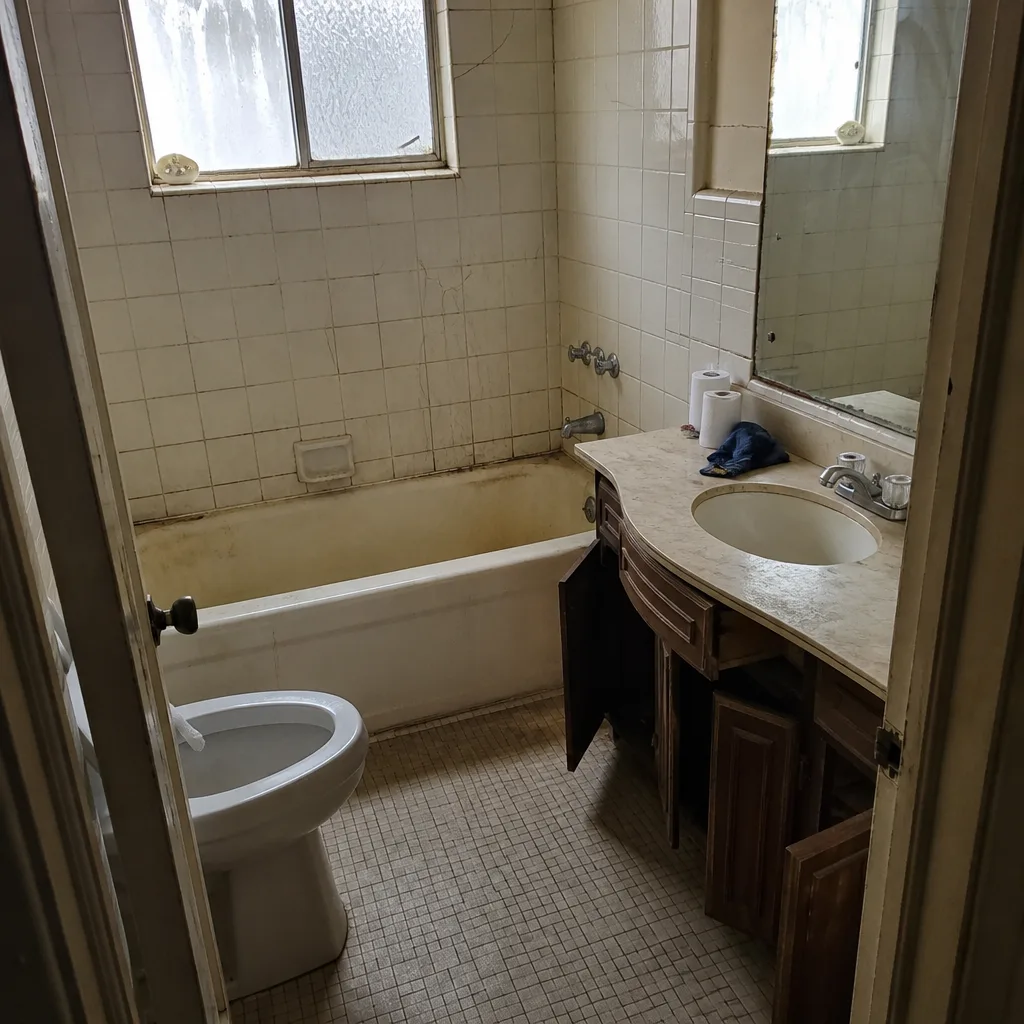 Before
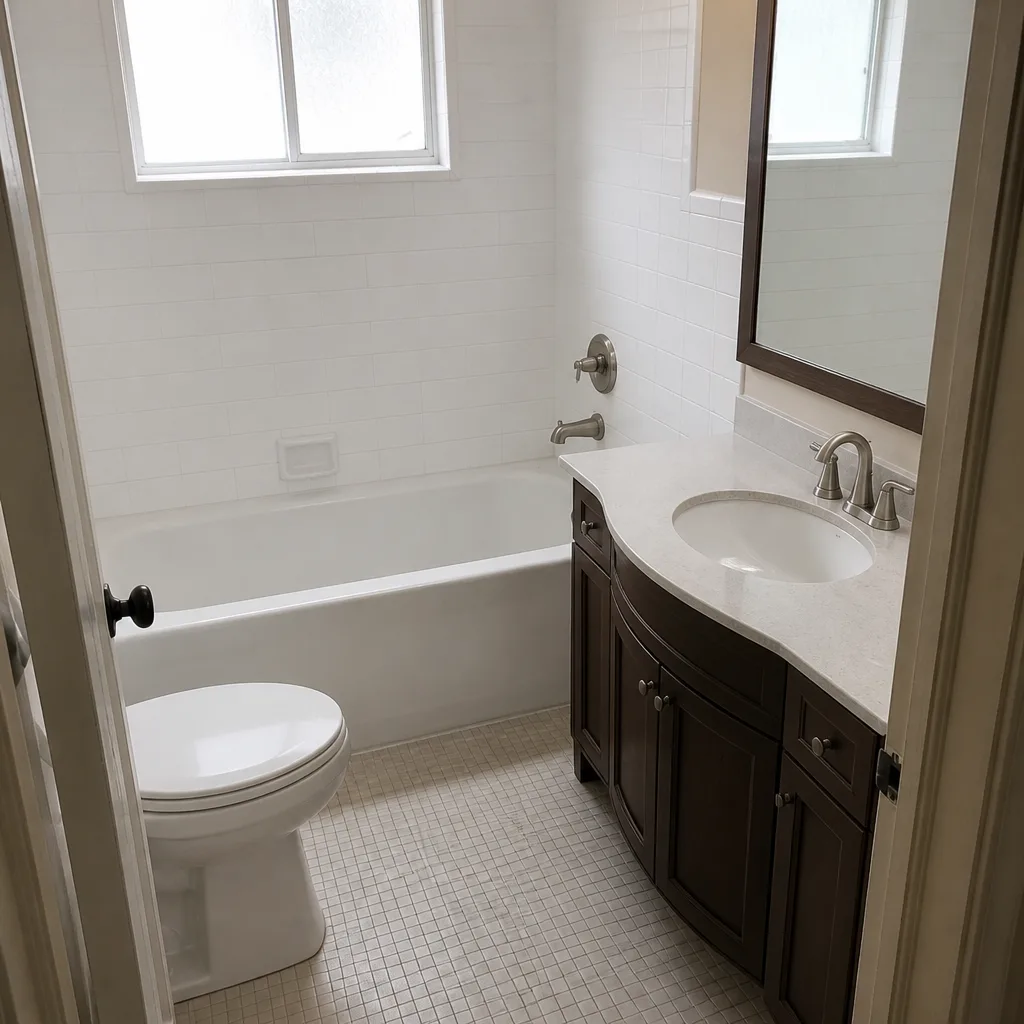 After
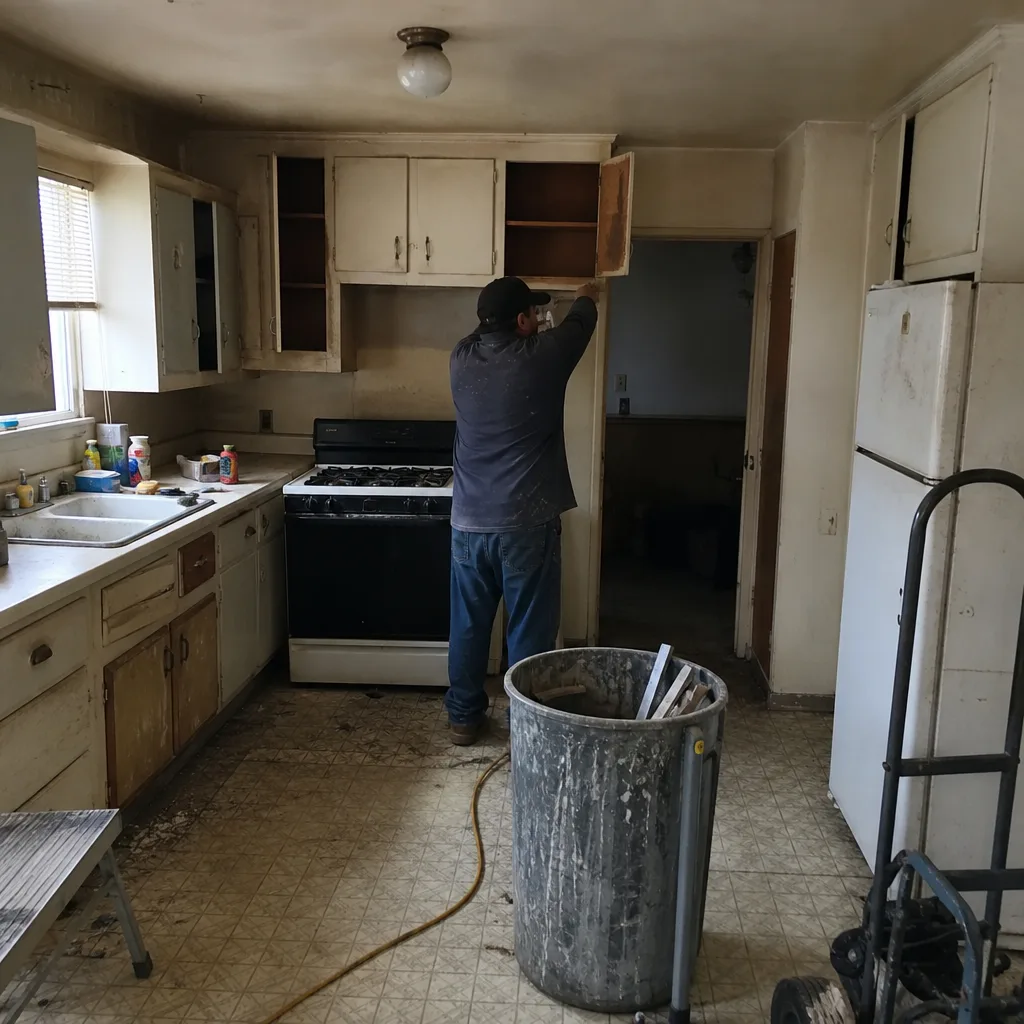 Before
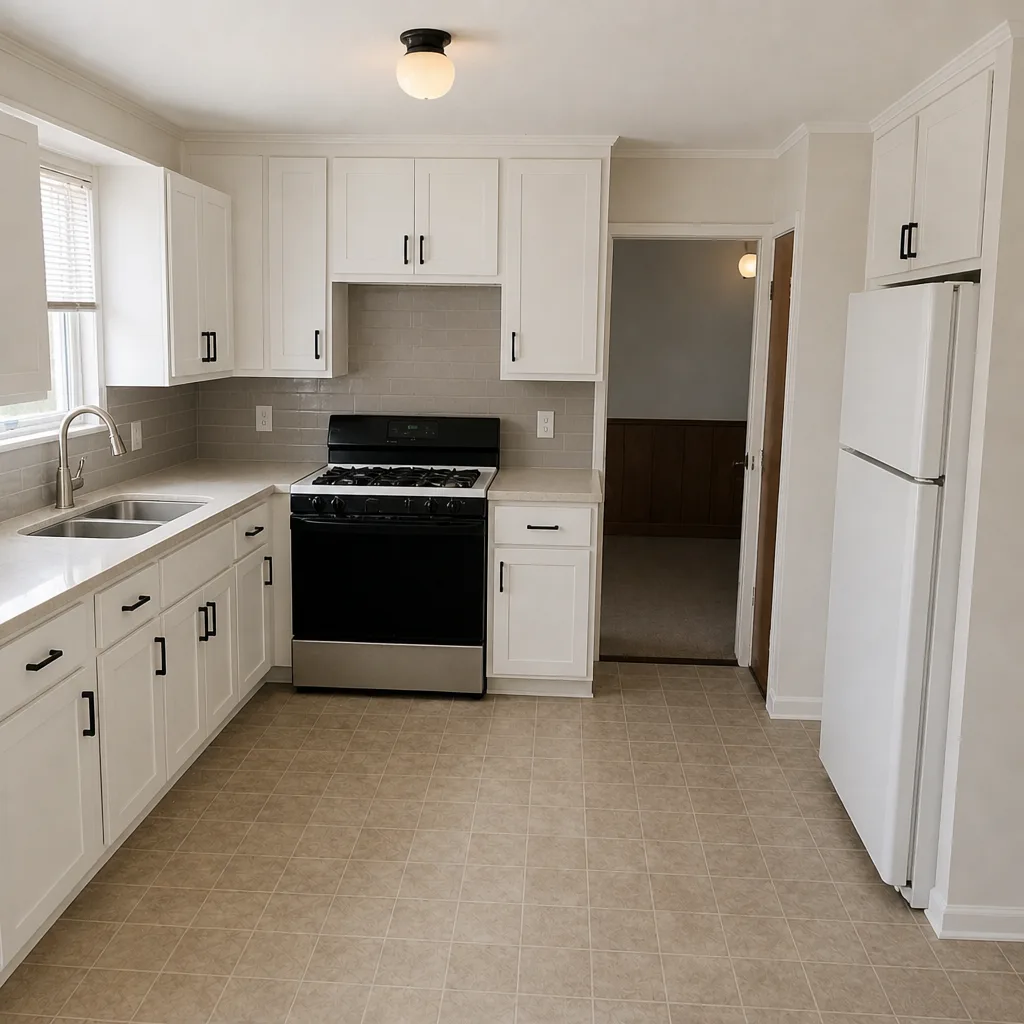 After
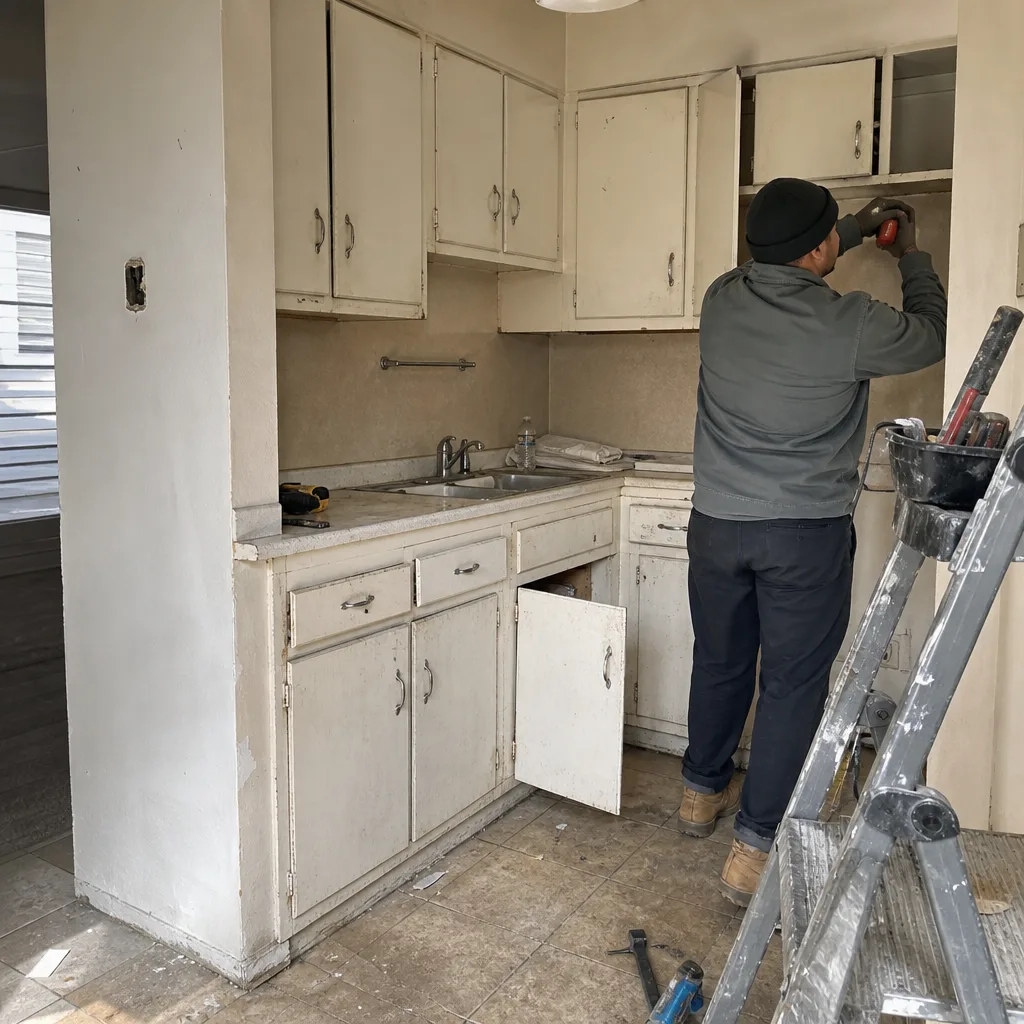 Before
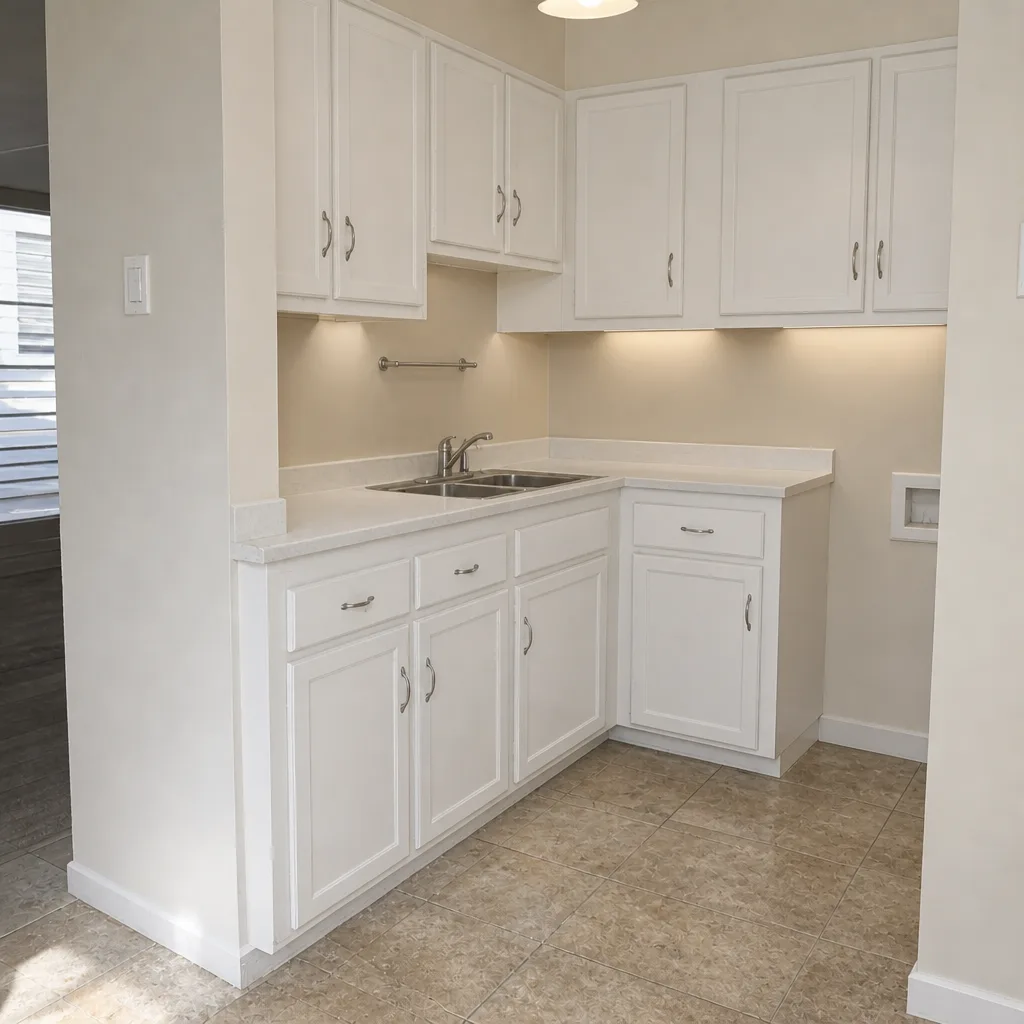 After
Frequently Asked Questions

Quartz and quartz-composite counters don’t need sealing. Natural stone counters do, and the schedule is roughly annually. Always use the sealer the manufacturer names; a wrong sealer voids the surface warranty.
Inspect it every 3 months and reseal it at least annually. East Los Angeles water is hard and the undermount joint is the most common failure point in a remodeled kitchen, so check it more often than the manufacturer’s minimum and reseal at the first sign of cracking.
Hard water doesn’t void a warranty by itself, but mineral damage is excluded from most dishwasher and instant-hot warranties. If scale is the cause, the claim gets denied. Descale every 4 – 6 weeks in East Los Angeles and keep the record.
It covers the completed workmanship for a full year. If the work fails inside that window, Bradford comes back and corrects it at no charge. It doesn’t cover damage caused by skipped maintenance, so keep the log.
No. Bradford gives you a written price before any work begins, and the number doesn’t move at the door. If the scope changes, you get a new written number before the change happens.
Most of it, yes: caulk inspection, hardware tightening, descaling, and disposal flushing are all homeowner tasks. The diagnostic work (leak tracing, duct inspection, structural grout cracks) should go to a professional. If you’re unsure which category a task falls into, call (833) 520-6636 and we’ll tell you.
The Bottom Line
A remodeled kitchen has a maintenance calendar, and keeping it protects both the finishes and the warranties that cover them. Tighten hardware every 6 months, inspect and reseal the sink joint annually, seal stone and grout on schedule, descale everything every 2 – 4 months in East Los Angeles’s hard water, clean the exhaust fan, and log every action. Run the 30-day, 90-day, and 1-year inspections to catch failures while they’re still covered. Report any problem the day you notice it, and keep your log where a buyer’s inspector can find it. That’s how a kitchen stays squared away for the long haul.
When a task moves past routine maintenance, call Bradford Remodeling Co East Los Angeles at (833) 520-6636 for a free estimate. A live person answers 24/7, you get a written price before work starts, and the 365-Day Done Right Promise covers the work for a full year.
Written by the team at Bradford Remodeling Co East Los Angeles.