Last updated November 17, 2026







Free written scope consultation - allowances, timeline, and change-order rules on paper before a single trade is scheduled
Kitchen Remodeling Warning Signs Every Homeowner Should Know
A contractor who can’t show you their CSLB license number before the first meeting has already told you everything you need to know. Most homeowners just don’t hear it. They’re focused on the design, the finishes, the cabinet color, and the part of the job that actually protects them gets brushed past in a five-minute handshake. We’ve watched this play out across East Los Angeles for years, especially in the older housing stock around Boyle Heights and El Sereno, where a kitchen remodel often means opening walls that haven’t been touched since the 1950s. What follows is a guide to the document and the paperwork, not the personality. You’ll learn the exact red flags to check before you sign, and how a licensed, written-price operation handles each one.
Quick Answer
The biggest kitchen remodeling warning signs are a missing CSLB license number, a contract with no written change-order clause, vague “allowance” line items that balloon at the showroom, cash-only or Zelle-only payment requests, and a deposit far above California’s legal cap. A legitimate contractor gives you a written price before work starts, a lien waiver schedule, a defined punch-list standard, and a mobilization deposit that follows state law.
Styles & brands we work with
- Kitchen remodeling
- Bathroom remodeling
- Home additions & ADU
- Roofing
- Windows & doors
- Driveway & pavers
- Fence
Table of Contents
- The missing CSLB license number
- What a B-license actually covers
- The three contract clauses that protect you
- Why the “allowance” line is the most abused tool
- Cash-only and Zelle-only payment requests
- What a legitimate deposit looks like
- Undefined “done” and the punch list
- East Los Angeles-specific red flags
- Common mistakes to avoid
- When to call a professional
The Missing CSLB License Number
In California, any contractor performing work valued at $500 or more in combined labor and materials must hold a license from the Contractors State License Board (CSLB). That number is public, it can be looked up in under a minute, and a real contractor will hand it to you without being asked twice. When a contractor deflects, says the license is “in the truck,” or asks you to skip the lookup, that’s your answer.
We tell East Los Angeles homeowners to do the lookup before the first estimate appointment, not after. Ask for the number over the phone. Verify it on the CSLB website. Check that the classification matches the work, that the license is active, and that it isn’t suspended. A license that was valid three years ago means nothing if it lapsed.
Why does this matter so much in a kitchen? Because a kitchen remodel touches framing, plumbing, electrical, and gas – four categories where unlicensed work becomes a safety issue and a resale issue. Unpermitted electrical work is a fire risk. Unpermitted gas work is worse. And when you sell, a buyer’s inspector will find it. We’ve seen East Los Angeles sellers lose negotiating leverage because a prior kitchen addition was done on a handshake.
Look up the license, confirm the classification, and keep the printout. If you’re starting that process today and want a straight answer on scope, our team at Bradford Remodeling Co East Los Angeles home will walk you through what’s covered under a general contractor’s license before we ever quote a number.
What a B-License Actually Authorizes
A CSLB Class B license is a general building contractor’s license. It authorizes a contractor to build, remodel, or repair structures that require more than two unrelated trades – framing plus electrical plus plumbing, for example. That’s a kitchen. A handyman with a Class C license, or no license at all, can legally touch tile, painting, and small surface repairs under that $500 threshold. They cannot legally move a load-bearing wall, run new electrical circuits, relocate a gas line, or pull permits for a structural change.
Here’s the distinction that catches homeowners: tile is not the same classification as a load-bearing wall removal. One is a finish. The other is structural engineering, an engineered plan, a permit, and a licensed contractor who signs off on the framing. If a contractor quotes you a gut renovation and frames it as “just a kitchen,” ask what license they hold and who is pulling the structural permit.
- Tile and finish work: a handyman can legally do this under the $500 threshold.
- Cabinet installation, countertop fabrication: often a licensed specialty contractor, sometimes the general contractor’s crew.
- New electrical circuits, panel upgrades: licensed electrician, permit required.
- Gas line relocation: licensed plumber or gas contractor, permit required.
- Load-bearing wall removal: Class B general contractor, engineered plan, structural permit.
Our technicians have up to 22 years of experience, and the first question we ask on a kitchen walk-through is whether walls are moving. That answer changes the entire scope, the permit set, and the price. A contractor who doesn’t ask that question before quoting isn’t a contractor you want holding the permit. You can see the full scope of what a licensed General Contractor in East Los Angeles handles, including permits and inspections, on our service page.
The Three Contract Clauses That Protect You
Every kitchen contract should include three clauses, and if any are missing, don’t sign. These are the protections that turn a handshake into an enforceable agreement. We write all three into every quote before work starts.
1. The written change-order requirement
A change order is a written amendment to the original scope that documents added work, the cost, and the new timeline. The clause should say: no work proceeds outside the signed scope without a signed change order. No exceptions, no verbal approvals, no “we’ll sort it at the end.” If a contractor tells you the change order is optional, they’ve told you the price is optional too.
2. The lien waiver schedule tied to draw payments
In California, a subcontractor or material supplier who isn’t paid can place a mechanic’s lien on your property, even if you already paid the general contractor in full. The contract should tie each draw payment to a conditional lien waiver from every subcontractor and supplier on the job. When you pay the cabinet installer’s draw, you should receive a signed waiver from the cabinet installer. Without that schedule, you can pay twice.
3. A defined punch-list completion standard
The contract needs to define “substantial completion” and “final completion” in specific terms. Substantial means the kitchen is usable. Final means the punch list is closed and the final payment is released. The clause should state how long the contractor has to close the punch list and what counts as closed. “We’ll finish it up” is not a standard.
Our by-the-book kitchen process puts all three in writing alongside the price, so nothing is open to interpretation at close. See how that looks in practice on our Kitchen Remodeling in East Los Angeles page, where the written-price and written-guarantee commitments are spelled out line by line.
The “Allowance” Line Is the Most Abused Budget Tool
When a bid says “$2,000 cabinet allowance,” that number almost never survives contact with the showroom. An allowance is a placeholder estimate for a finish or fixture the homeowner hasn’t selected yet. On paper it makes the total bid look competitive. In practice it’s where the budget slides.
A real $2,000 cabinet allowance buys entry-level stock boxes in a small footprint – not KraftMaid or Wellborn cabinetry, not the configuration you’ll want in an East Los Angeles kitchen with a 1950s footprint where every inch counts. When you walk into the showroom and see what $2,000 actually gets you, the allowance becomes $6,000, and the bid “grew” without anyone misquoting a line item. It didn’t grow. It was understated to begin with.
Allowances aren’t inherently wrong. They’re wrong when the contractor won’t explain how they work. Ask three questions on every allowance:
- What product at what tier does this allowance buy? Get a brand name and a model line.
- What happens to overages? Every dollar over the allowance should require a written change order.
- What happens to underages? If the allowance was overstated, you should be credited the difference, not the contractor.
The cleanest path is to skip allowances entirely on cabinetry, surfaces, and fixtures. Pick the product tier before the price is written. That’s why we work with a documented roster of name-brand materials – KraftMaid and Wellborn cabinetry, Cambria and Caesarstone surfaces, Kohler and Moen fixtures – so specifications are traceable and quality isn’t left to guesswork. When we write a price, the product is already specified in it.
Cash-Only and Zelle-Only Payments
A contractor who asks for cash only, Zelle only, or a personal check to a name that isn’t the business isn’t expressing a preference. They’re removing your paper trail, and that changes what you can do if the work fails. No paper trail means no lien waiver you can verify. No records means a weak dispute file if you end up at the CSLB. No agreement with a signature means a weak court case if it comes to that.
What does a clean payment process look like? It has these characteristics:
- Payment is made to the business name, not a person.
- Each draw is tied to a documented milestone and a lien waiver.
- You receive a written receipt for every payment, including the deposit.
- There’s a written record of every change order and the amount attached.
The same logic applies to licensed and insured status. You need your contractor to be insured, and you want to see the certificate of insurance before the crew starts – general liability at minimum, and workers’ comp if they have employees. A contractor who won’t produce a certificate is asking you to carry their exposure. Insist on the paperwork. Our team works with a documented, background-checked crew and produces that paperwork before mobilization, not after.
What a Legitimate Mobilization Deposit Looks Like
California law sets a cap on the upfront deposit for a home improvement contract at 10% of the contract price or $1,000, whichever is less. That’s the number. A contractor asking for 50% upfront “to order materials” is asking for more than the law allows, and that request is a red flag on its own, no matter how reasonable their explanation sounds.
The 10%/$1,000 rule reflects how a real kitchen project cash-flows. The contractor’s actual outlay for material orders is small at the start – a deposit on cabinetry, a deposit on surfaces. The bulk of the money is spent progressively, and the payment schedule should mirror that. A typical schedule runs something like: deposit, rough-in draw after inspection, cabinet set draw, finish draw, final draw after punch list. Each draw is tied to work performed and a lien waiver.
If a contractor can’t fund $5,000 of material ordering without your 50% deposit, the more important question is whether they can fund the job at all. Underfunded contractors are the ones who disappear with your deposit mid-project. That risk is real in every market, including East Los Angeles. The written draw schedule and deposit cap protect you against it before you write a single check.
Undefined “Done” and the Punch List
Most kitchen disputes don’t happen over the big items. They happen over “done.” The cabinet installer thinks the job is done. The homeowner sees four misaligned doors, two unsealed grout lines, a baseboard that doesn’t reach the wall, and one ceiling outlet that’s still not working. That’s the punch list, and the contract has to define what closes it.
A defined punch-list completion standard has these moving parts:
- The punch list is created on a written walk-through within a set number of days of substantial completion.
- The contractor has a defined window to close items on the list – typically five to ten business days for non-specialty items.
- Final payment is not released until the punch list is signed off in writing.
- A written guarantee period begins at final sign-off, not on the first day of demolition.
Those last two are the ones homeowners miss. A guarantee that starts at demolition has burned most of its clock before the job is even finished. A guarantee that starts at final sign-off actually protects you. Our work is covered by the 365-Day Done Right Promise – a full-year written guarantee on every completed project. If the work fails inside that window, we come back and correct it at no charge. That’s the whole term. In writing.
East Los Angeles-Specific Red Flags
Some warning signs are universal. Others show up specifically in East Los Angeles kitchens, and they’re the ones out-of-area contractors don’t see. Three that come up repeatedly:
- No mention of permit pulls for structural changes. A lot of East Los Angeles housing stock predates modern seismic and electrical code. Opening a kitchen wall in a pre-1960 house frequently reveals amperage or framing that has to be upgraded for permit sign-off. A contractor who quotes the wall removal without a permit-and-inspection line is quoting a job they can’t legally close.
- No kitchen ventilation plan. A range hood that vents into the attic or recirculates back into the room is common in older renovations. In an East Los Angeles kitchen with a gas range, that’s a code issue and a household air quality issue. A complete bid specifies the vent route to the exterior.
- No description of the mobilization and site protection. East Los Angeles kitchens typically sit in tighter footprints than suburban builds, with narrower driveways and shared property lines. The bid should say how materials will be staged, how dust will be controlled, and how flooring will be protected during the job. “We’ll figure it out” is how complaints start.
These red flags aren’t about quality taste. They’re about whether the contractor actually knows East Los Angeles housing stock well enough to quote it accurately. A bid that ignores them is a bid that reprices at the door.
Common Mistakes to Avoid
- Skipping the license lookup because the contractor is a referral. A neighbor’s referral is not a license number. Verify it on the CSLB site anyway; the lookup takes a minute.
- Accepting a verbal change order. Once the crew is in the kitchen and a wall cavity is open, a verbal “we’ll add it” is nearly impossible to unwind. Every change gets a signed document, even a two-line one.
- Signing off on an allowance bid without product specs. The $2,000 cabinet allowance is designed to make the bid look lower. Pick the product tier before you sign.
- Paying more than 10% or $1,000 up front. The cap is a legal floor. Contractors who “need more to order” are telling you something about how they’re funded.
- Paying cash and skipping receipts for “speed.” It’s the fastest way to lose every remedy you have if the work fails.
- Assuming the guarantee starts at demolition. Read the guarantee clause. It should start at final sign-off, not day one.
- Not asking how many East Los Angeles kitchens in your housing era this contractor has finished. The pre-1960 vs. post-1990 electrical differences are real. A contractor who has never opened a kitchen wall in Boyle Heights is learning on yours.
When to Call a Professional
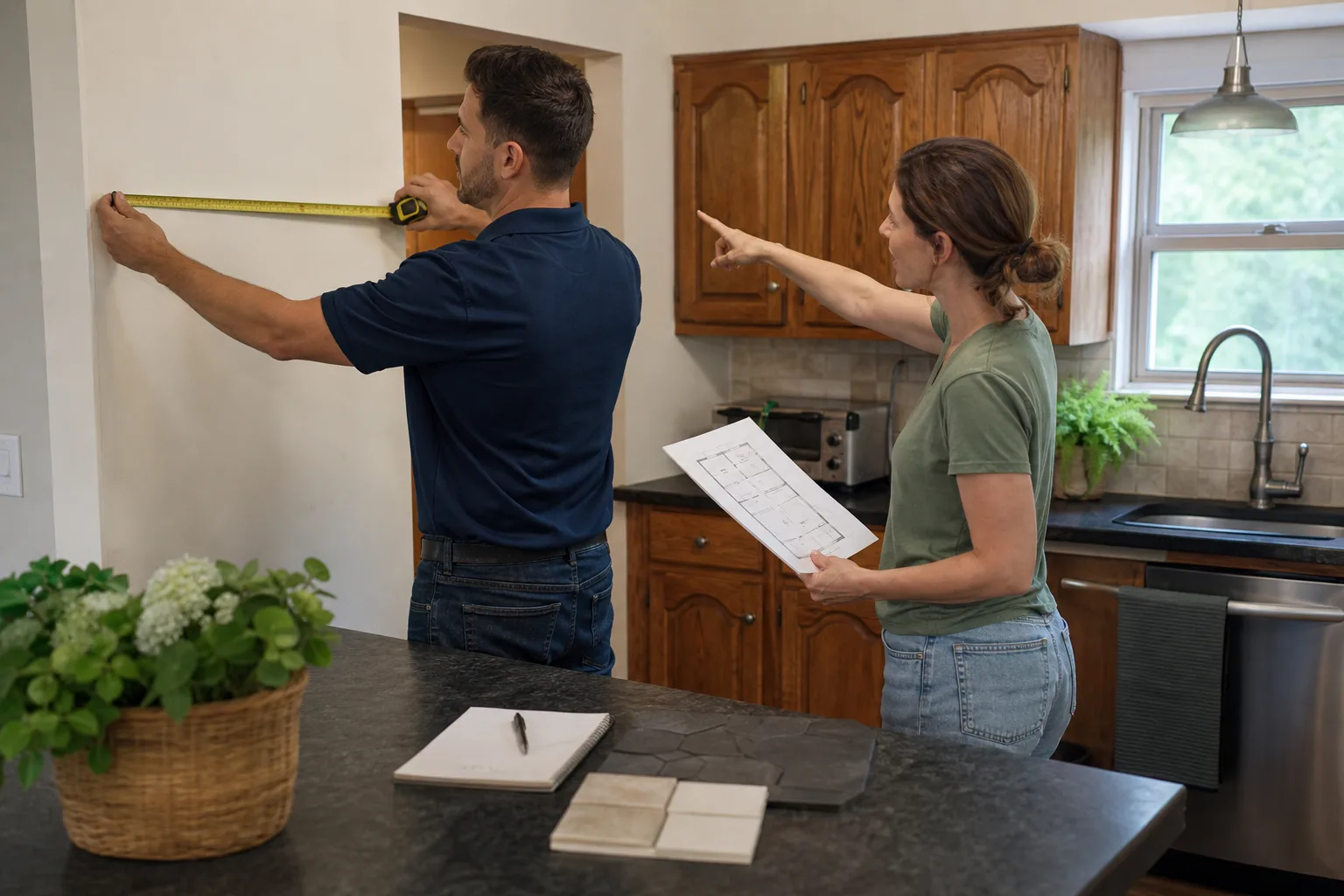
Some of these questions can be answered before any contractor knocks on the door. Others require eyes on the wall. If you’re early in the planning phase for a kitchen in East Los Angeles and want a written read on scope, ask for the site visit. If you’re further along and want a second opinion on a contract you’re about to sign, ask for a review of the three clauses above – change orders, lien waivers, punch-list standard. If walls are moving and you don’t yet have a permit plan, that’s the moment to call. Bradford Remodeling Co East Los Angeles offers free estimates in East Los Angeles – call (833) 520-6636. The site visit and the written price come before any commitment, and the call is answered by a live person, not a queue. For a whole-house scope that starts in the kitchen and extends through the rest of the home, our Bathroom Remodeling in East Los Angeles page shows how we sequence adjacent work so the kitchen isn’t the only room that gets written down.
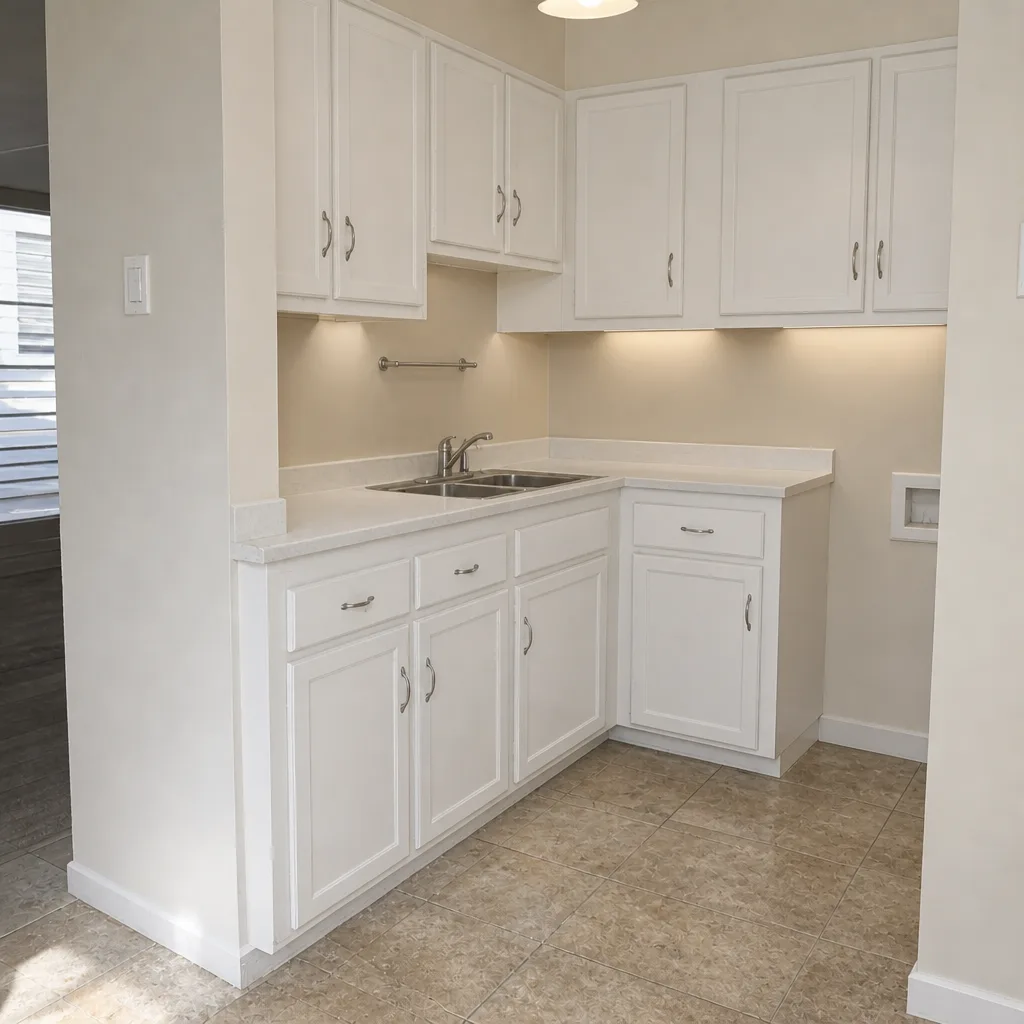
See the difference
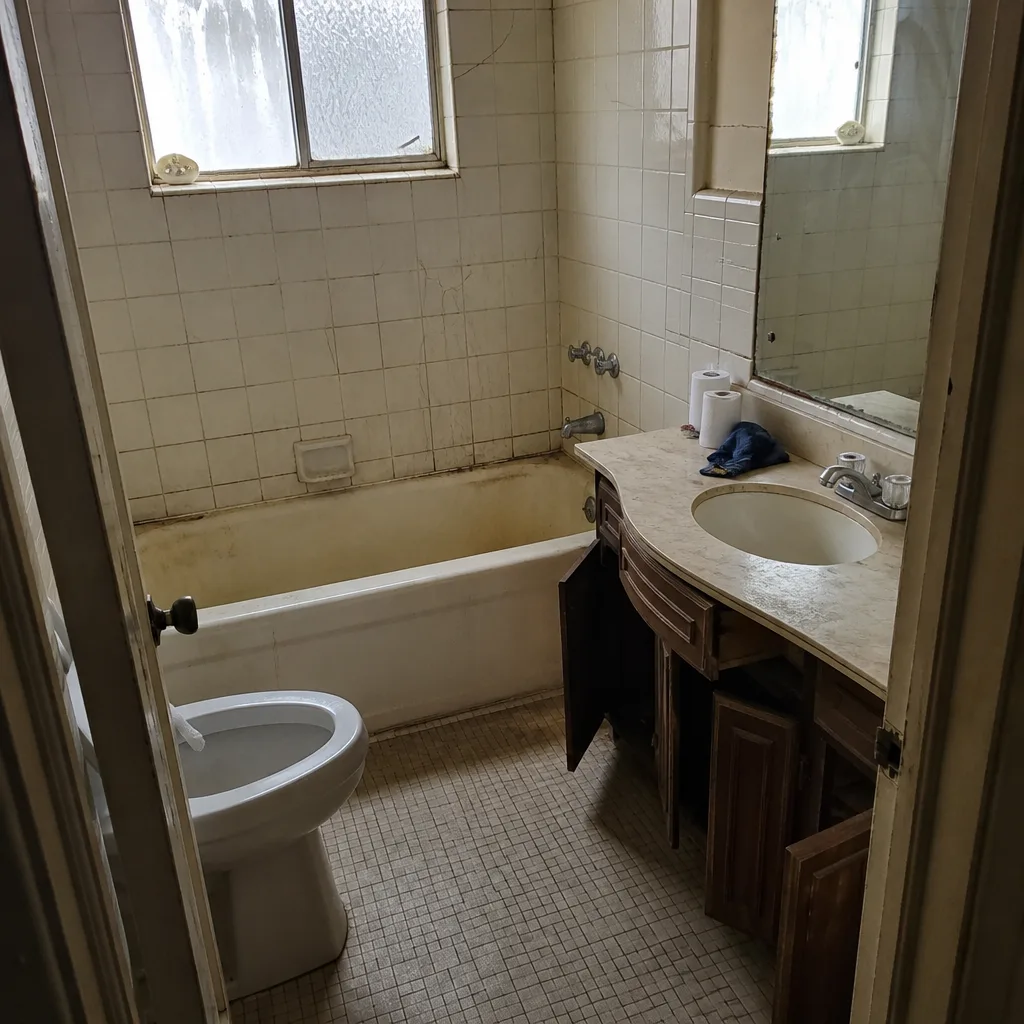 Before
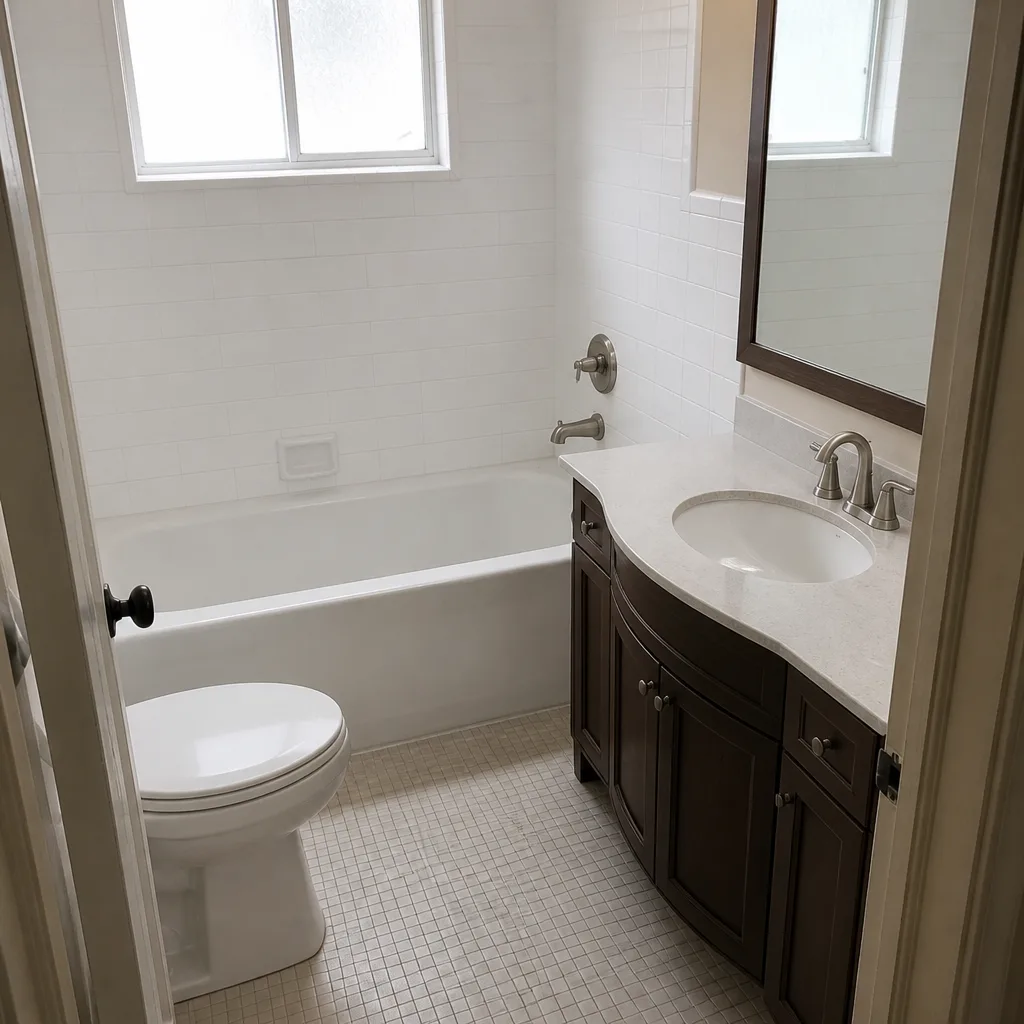 After
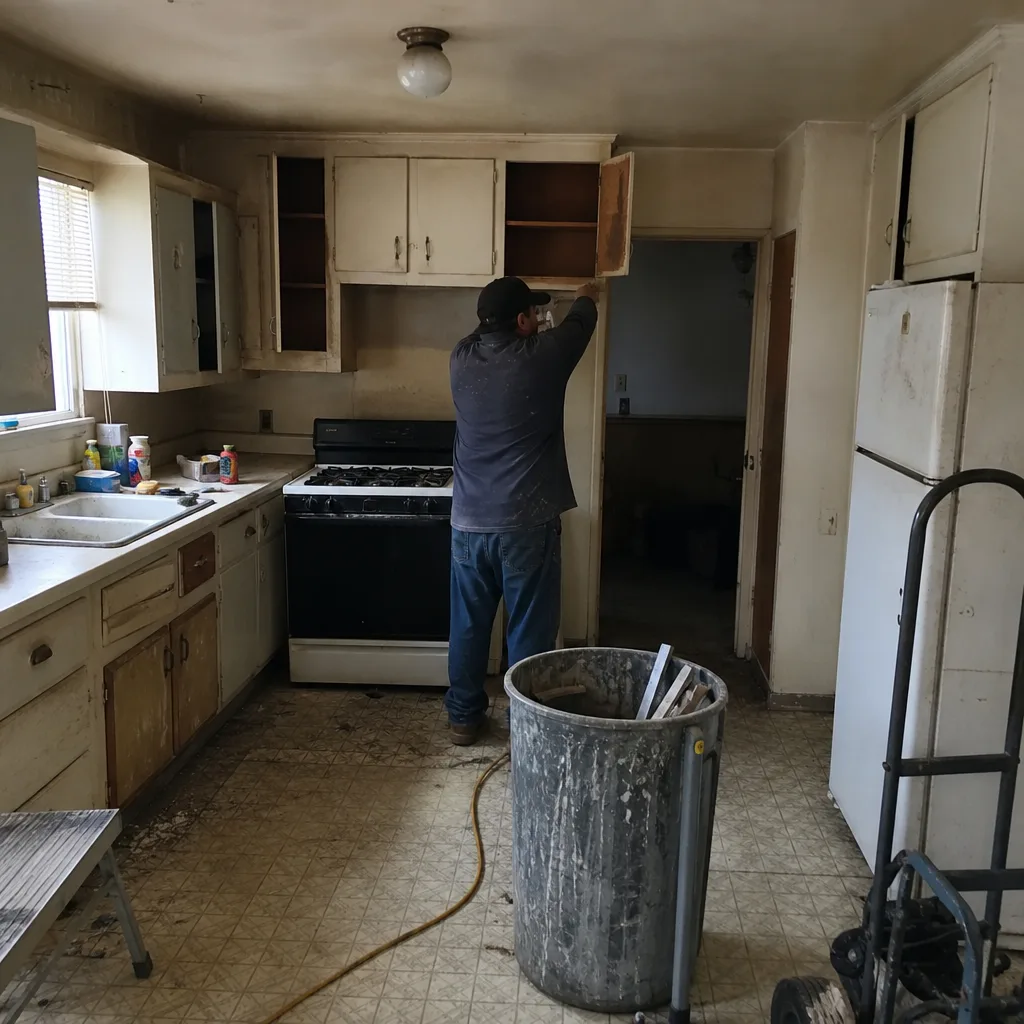 Before
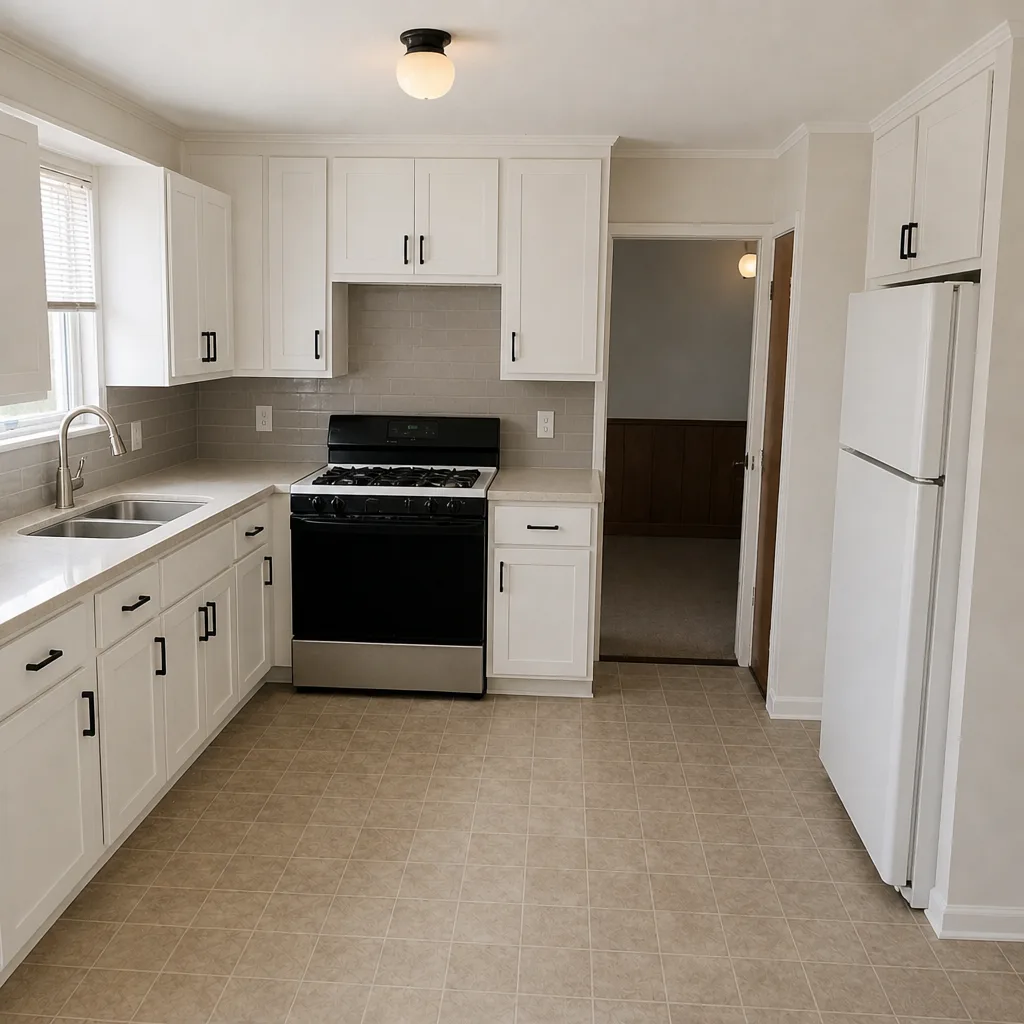 After
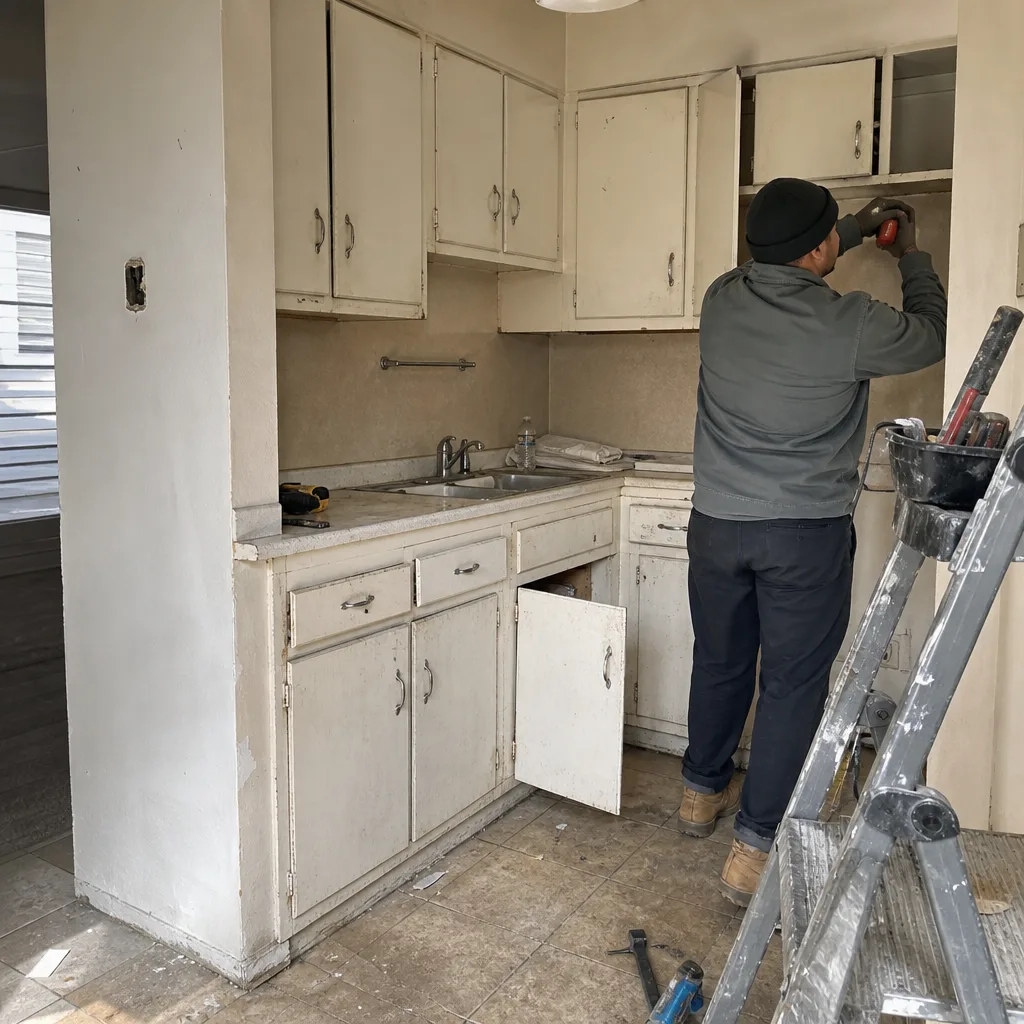 Before
 After
Frequently Asked Questions

The single biggest red flag is a missing CSLB license number or a refusal to let you verify it. A contractor who can’t produce an active license and a matching classification in under a minute has already told you they aren’t running a compliant operation. Verify the license, the classification, and the insurance certificate before the first estimate appointment. Call (833) 520-6636 for a free estimate – we hand you those documents before we quote a number.
California law caps the upfront deposit at 10% of the contract price or $1,000, whichever is less. A contractor asking for 50% upfront to order materials is asking for more than the law allows, and that request is a warning sign about how the job is funded. Our written-price commitment builds that cap into the schedule before anyone signs. Call (833) 520-6636 for the exact draw schedule on your job – estimates are free.
A Class B (general building contractor) license allows a contractor to build, remodel, or repair structures requiring more than two unrelated trades – framing, electrical, plumbing, and so on. That’s what a full kitchen gut qualifies as. A handyman without that license can legally do finish work under $500 only; moving a load-bearing wall or running new circuits requires a licensed Class B or a licensed electrician/plumber with the appropriate permit. Call (833) 520-6636 if you’re unsure which classification your scope requires.
Sign it only if the allowance comes with a product specification and a written overage clause. An allowance without a spec is a placeholder designed to keep the bid total low; in most East Los Angeles kitchens with tight footprints, that $2,000 cabinet allowance doesn’t survive the showroom visit. We specify the product before the price is written. Call (833) 520-6636 to see what a written spec-bid looks like for your East Los Angeles kitchen.
They can ask; you should decline. Cash-only and Zelle-to-a-person requests remove your ability to verify lien waivers, dispute charges, and document payment for the CSLB complaint process. Pay the business name, get a receipt for every draw, and tie each draw to a lien waiver. Call (833) 520-6636 if you want to talk through a written payment schedule before signing anything.
A full year from final sign-off is the standard we hold ourselves to. A guarantee that starts at demolition burns most of its clock before the job is even finished; a guarantee that begins at final sign-off actually protects the finish work and the punch-list close-out. Our 365-Day Done Right Promise covers a full year on every completed kitchen project, with a return visit at no charge if the work fails inside the window. Call (833) 520-6636 for a free estimate and the written guarantee terms before you sign.
The Bottom Line
Most kitchen remodel scams don’t start with a bad contractor. They start with a contract that never defined “done.” Read the document, not the personality. Verify the CSLB license. Insist on written change orders, lien waivers tied to draws, and a defined punch-list standard. Skip unspecified allowances. Pay the business name, keep the paper trail, and cap the deposit at the legal limit. In East Los Angeles, where pre-1960 housing stock makes every kitchen gut a code-and-permit job, that paperwork matters even more. Bradford Remodeling Co East Los Angeles puts the written price, the scope, and the 365-Day Done Right Promise in front of you before the first tool comes out. Call (833) 520-6636 for your free estimate, and we’ll walk through the contract line by line together.
Written by the team at Bradford Remodeling Co East Los Angeles.