Last updated November 17, 2026





Free written scope consultation - allowances, timeline, and change-order rules on paper before a single trade is scheduled
How to Hire a Construction Contractor in East Los Angeles: A Step-by-Step Guide
In California, a handyman working without a contractor’s license can legally take on jobs under $500 in combined labor and materials. The moment a job crosses that threshold without a C or B license, every payment you made to that person becomes potentially unrecoverable if the work fails, the permit gets red-tagged, or the crew disappears mid-project. That single fact explains most of the horror stories in East Los Angeles. The standard advice to “get three bids and check Yelp” doesn’t protect you from it. This guide gives you a written vetting sequence, in order, before you sign anything or hand over a deposit.
Quick Answer
To hire a construction contractor in East Los Angeles, verify the contractor’s CSLB license and classification in real time on the state board’s website, request certificates of general liability and workers’ compensation insurance and confirm them directly with the insurer, insist on a line-item written scope of work before any deposit, and tie payments to inspected milestones instead of calendar dates. Do those four things and you eliminate nearly every failure mode we’ve seen in this market.
Styles & brands we work with
- Kitchen remodeling
- Bathroom remodeling
- Home additions & ADU
- Roofing
- Windows & doors
- Driveway & pavers
- Fence
Table of Contents
- Step 1: Verify the License and the Classification
- Step 2: Confirm Insurance Directly With the Insurer
- Step 3: Get a Real Scope of Work in Writing
- Step 4: Settle Who Pulls the Permits
- Step 5: Structure Payments Around Inspected Milestones
- Six Red Flags Specific to East Los Angeles
- What to Ask Before You Sign
- Common Mistakes to Avoid
Step 1: Verify the License and the Classification
A California contractor’s license number is only useful if you check it yourself. Not on the contractor’s letterhead, not on a photo of a card, and not by calling a number the contractor gave you. The Contractors State License Board runs a free lookup at cslb.ca.gov, and it updates continuously. Pull the record, screenshot it, and read the classification line.
That classification matters more than most homeowners realize. A license is not a blanket permission to do everything.
- Class B (General Building) covers construction that involves two or more unrelated trades, which is what most whole-home remodels and room additions require.
- Class C-10 (Electrical) is required for the electrical scope on its own, and it’s a separate license from the building one.
- Class C-36 (Plumbing) covers the rough-in and finish plumbing, again as its own license.
- Class A (General Engineering) is for roads, grading, and large civil work, not for a kitchen remodel in East Los Angeles.
Here’s the practical version: a contractor licensed only as a C-33 (painting) or a C-15 (flooring) cannot legally take on a full kitchen remodel, even if the crew is excellent. In our experience, a good contractor will volunteer the license number before you ask and will tell you which classification covers the scope. If they’re vague about it, that’s the answer you need. Our Bradford Remodeling Co East Los Angeles home page spells out how our own projects are scoped, and it’s a useful comparison point.
One more check on the same record: look for any “bad faith” flag, a disciplinary action, or a license that’s “inactive.” An inactive license can’t legally contract for work. This takes four minutes and settles more questions than any review site.
Step 2: Confirm Insurance Directly With the Insurer
A certificate of insurance is a single page and it can be altered in a photo editor. The policy behind it can also be real but expired, or cancelled two weeks ago for nonpayment. The only way to know is to call the insurer’s number on the certificate, not the number the contractor texted you, and ask if the policy is active on today’s date.
You want two separate documents.
- General liability insurance. This covers damage to your property or injury to someone outside the crew, like a neighbor’s fence or a delivery driver on your walkway. Ask the insurer to confirm the policy is active, the coverage limits, and whether your address can be added as an additional insured for the duration of the job.
- Workers’ compensation insurance. This covers the crew if someone is injured on your property. Without it, an injured worker can come after you as the property owner. If the company is a sole proprietor with no employees, workers’ comp may not apply, but they should be able to tell you that plainly and put it in writing.
Ask for the certificates before a deposit, and ask for the insurer’s phone number on the same document. A contractor who resists this, or who says “I’ll send it after the deposit,” is telling you something. In East Los Angeles, where a lot of residential work runs on small crews that subcontract out portions of the job, the workers’ comp question is the one most homeowners skip and shouldn’t. If the general contractor subs out your roof and the roofer isn’t covered, the exposure lands on you. A contractor working from GAF or CertainTeed manufacturer specifications will already have documentation habits in place.
Step 3: Get a Real Scope of Work in Writing
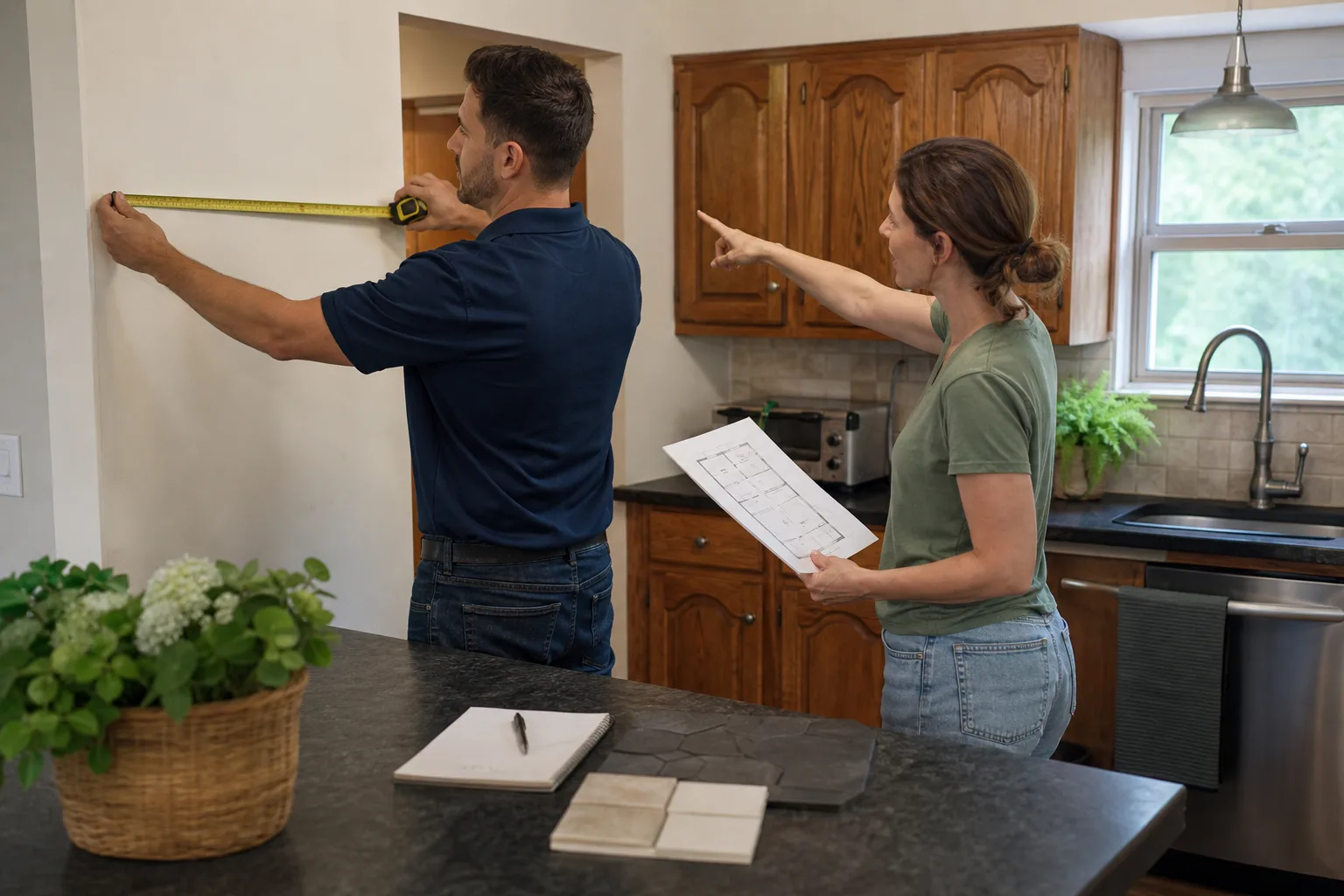
A one-line estimate that says “kitchen remodel, $34,000” is not a scope of work. It’s a number that will move. The document you want has line items, material specifications, exclusions, and change order language, all before anyone swings a hammer. Our General Contractor in East Los Angeles page shows how a scoped project is laid out, and it’s a fair standard to hold any bid against.
A legitimate scope document includes:
- Line-item breakdown by task. Demolition, rough framing, electrical rough-in, plumbing rough-in, drywall, finish, cabinetry install, countertop template and install, painting. Each with its own price.
- Material specifications by brand and model. Not “premium cabinet” but KraftMaid or Wellborn with a door style and finish. Not “quartz” but Cambria or Caesarstone with a color name. Fixtures down to the Kohler or Moen model number. This is how a price becomes traceable.
- Explicit exclusions. What the contractor is not doing and is not responsible for. Asbestos or lead abatement, structural repairs found after opening a wall, appliance purchase and delivery, landscaping restoration.
- Change order language. How a change gets priced, who approves it, and that no change is billed without your written signature first.
- The written price itself. Fixed, stated before work starts, with what would cause it to change and what would not.
Substrate is the trade word for the surface under your finished material, like the plywood under tile or the framing under drywall. It’s the reason a bid that’s $6,000 lower than the others is usually not a better deal; it’s a bid that left the substrate repair out. Ask directly: what happens to the price if we open this wall and find rot or old knob-and-tube wiring? A disciplined contractor answers that before you ask twice.
Step 4: Settle Who Pulls the Permits
In East Los Angeles, most work on the older housing stock, especially the 1920s and 1930s bungalows and the post-war inventory around City Terrace and El Sereno, triggers a permit. Kitchen and bathroom remodels that move plumbing or electrical do. Structural changes do. Window replacements that change size do. This gets asked about in every project, so decide it out loud before signing: the contractor pulls the permit, or nobody does.
“Permits handled after the fact” means the contractor intends to start work without one and apply later, or never. That creates two problems. The first is that unpermitted work has to be disclosed when you sell, and a buyer’s inspector will find it. The second is that the work wasn’t inspected at the stages that matter, like rough framing and rough electrical, which is when problems are visible and fixable.
The right sequence is: permit pulled and posted before demolition, inspections scheduled at each required stage, and a signed-off final inspection at close. Ask to see the permit number in writing and ask who pays for re-inspection fees if the first inspection fails. Include it in the contract. A contractor who pulls permits and passes inspections as a matter of course won’t hesitate on that question.
Step 5: Structure Payments Around Inspected Milestones
Payment schedules are where East Los Angeles homeowners get hurt most often, because a calendar-based schedule (a third up front, a third in 30 days, a third at completion) rewards the wrong thing. Time passes whether or not work gets done. Milestone-based payments reward progress, and a passed inspection is a milestone with a government stamp on it.
A workable schedule looks like this:
- Deposit. Typically 10% of the contract or $1,000, whichever is less, per California’s rules, and it should be secured by the contract, not by a verbal promise.
- Rough-in milestone. Paid when rough framing, electrical, and plumbing are complete and inspected.
- Drywall and finishes milestone. Paid when drywall, taping, and texture are done and approved by you.
- Cabinet and countertop milestone. Paid on installation and template, with a materials order confirmation in hand.
- Final walkthrough and close. The remainder released only after a punch list is signed and the final inspection passes.
Cash-only deposit demands are a red flag on their own. Not because checks are magic, but because a cash deposit with no receipt, no contract, and no paper trail removes your leverage if the work goes wrong. Our Bathroom Remodeling in East Los Angeles page explains how the milestone structure applies to a smaller project, since a bathroom is usually the smallest job where the discipline still matters. Bradford puts the full price in writing before any work begins, and the schedule ties to milestones rather than dates. That’s the standard to ask for wherever you hire.
Six Red Flags Specific to East Los Angeles
These show up repeatedly on this side of the city, and they show up in patterns.
- Door-to-door solicitation after a storm. After winter storms or a Santa Ana wind event, crews will knock on doors offering same-day roof repair or fascia work with materials “left over from another job.” Legitimate roofing contractors don’t knock on doors with leftover materials. If a roof is genuinely damaged, that’s a job worth documenting with photos and a written scope before anyone gets on the roof.
- Cash-only deposit with no receipt. A deposit is a contract term, not a favor. If the payment method is cash with no paper trail, you’ve given away your ability to recover anything.
- Permits “handled after the fact.” Covered above, and it usually comes wrapped in reassuring language about how the city “moves slowly.” The city moves slowly for everyone, which is why the permit goes in first.
- The license number that doesn’t match the business name or the classification. Pull the CSLB record and check the business name against the contract. Mismatches are a warning sign.
- A scope that’s one line long and a price that seems too good. A low bid is usually a scope with something missing, and the change order comes later.
- No written guarantee anywhere in the paperwork. Ask what happens if the work fails after close, and get the answer in writing.
What to Ask Before You Sign
These six questions, asked in this order, will separate a contractor you can work with from one you can’t.
- “Can you text me your CSLB license number right now?” If it doesn’t arrive, that’s the end of the conversation.
- “Who is your general liability carrier, and what’s the policy number?” Follow up with the insurer’s number and call it.
- “What’s your workers’ comp carrier?” If they’re exempt as a sole proprietor, they should say so and put it in writing.
- “Who pulls the permit, and what’s your plan for each inspection stage?” You want a specific answer, not a nod.
- “Walk me through the scope line by line. What’s excluded?” Listen for what they leave out, then ask about it.
- “What does your written guarantee cover, and for how long?” Get the answer in the contract, not in the conversation.
On that last point, be precise. Bradford’s 365-Day Done Right Promise is a written guarantee on every completed project: if the work fails inside that first year, we come back and correct it at no charge. That’s a specific commitment with a specific term, which is what you should ask for from anyone. “We stand behind our work” is not a guarantee, it’s a sentence.
Common Mistakes to Avoid
- Choosing the lowest bid. The lowest bid is usually the lowest scope, and the gap gets closed with change orders once the walls are open. Compare line items, not totals.
- Trusting a review count over a CSLB record. Reviews can be bought, licenses can’t be faked on the state board. Check the record first, read reviews second.
- Skipping the insurance call. A certificate is a photo. The insurer is a fact. Call them.
- Paying a deposit before a written scope exists. The scope and the schedule come first. Money moves after.
- Letting the contractor “handle” the permit later. Unpermitted work surfaces at resale, and it’s the homeowner who pays to fix it.
- Accepting a verbal guarantee. If it isn’t in the contract with a term and a remedy, it doesn’t exist.
- Assuming a handyman can handle a mid-size job. Under $500 combined labor and materials, a handyman can legally work in California. Above that, you need a licensed contractor, and the $500 line is not a guideline.
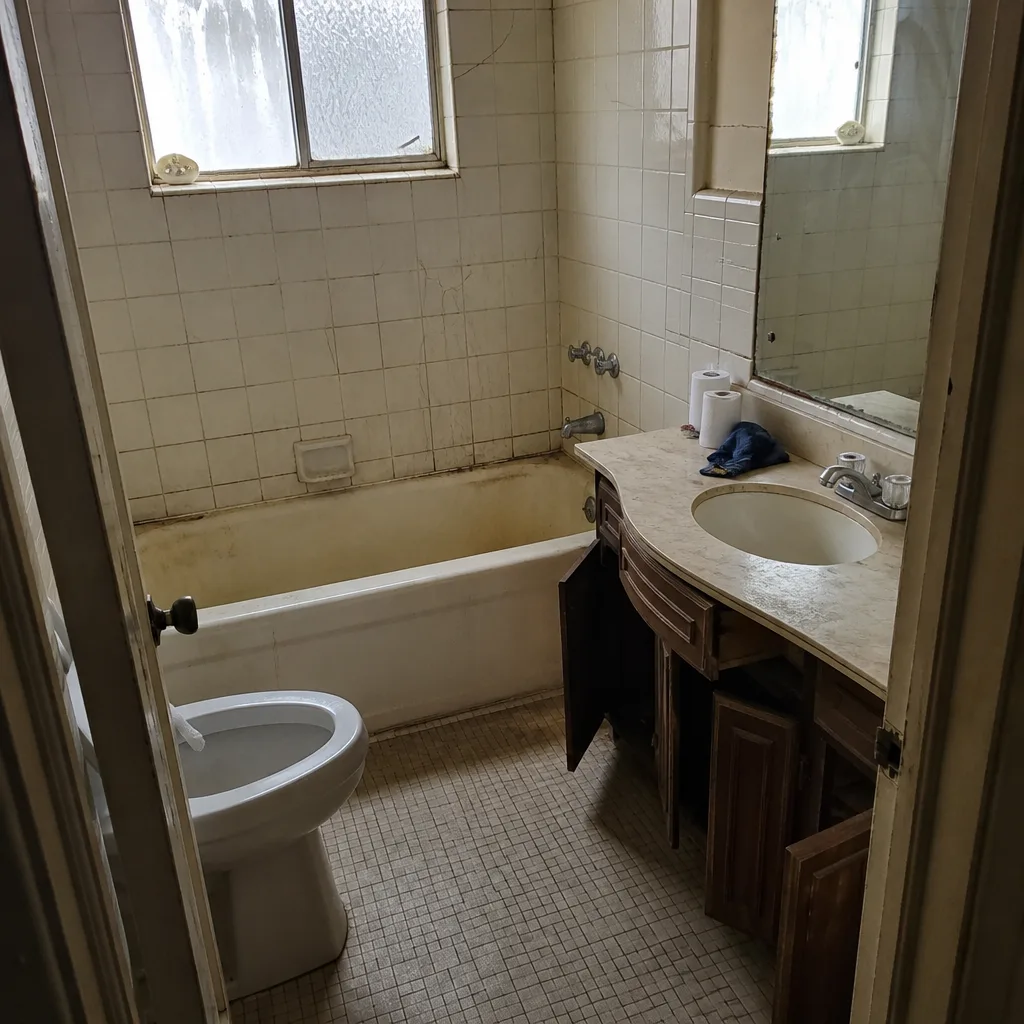
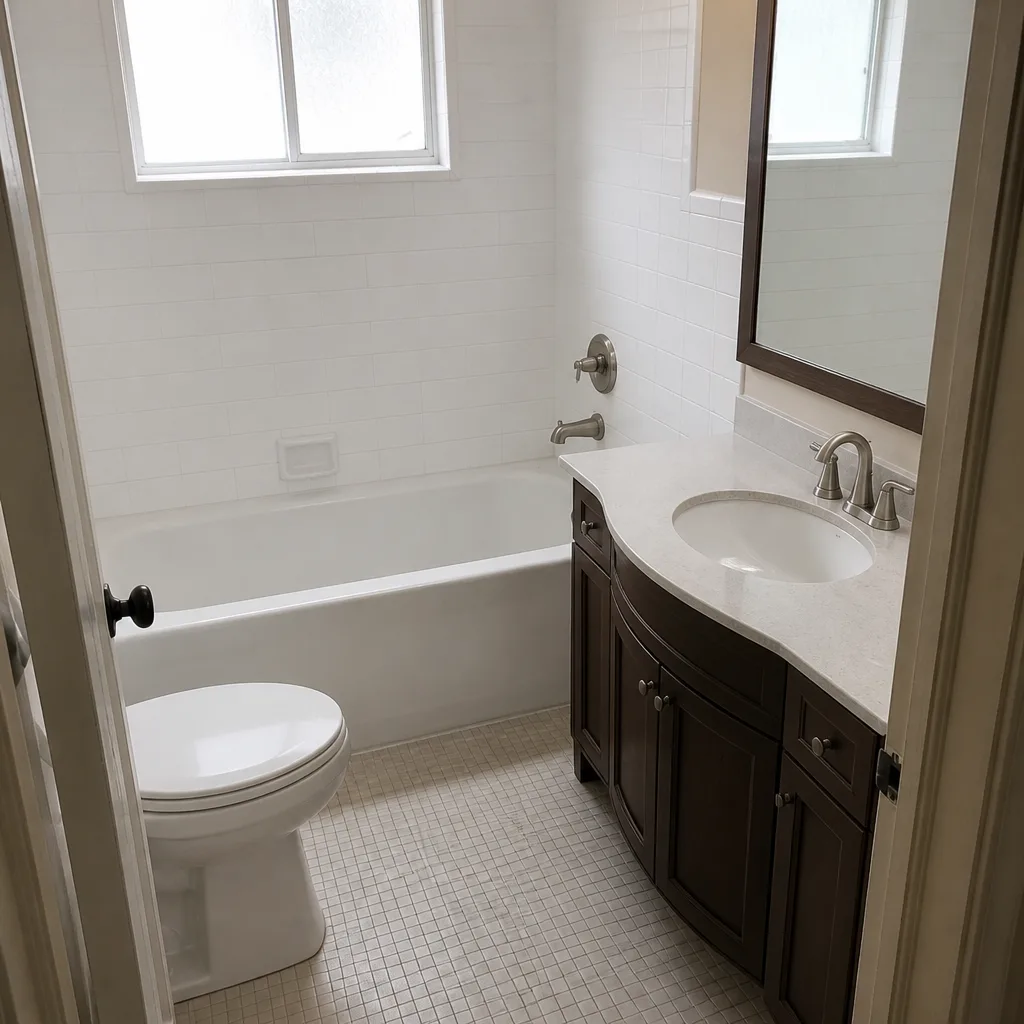
See the difference
 Before
 After
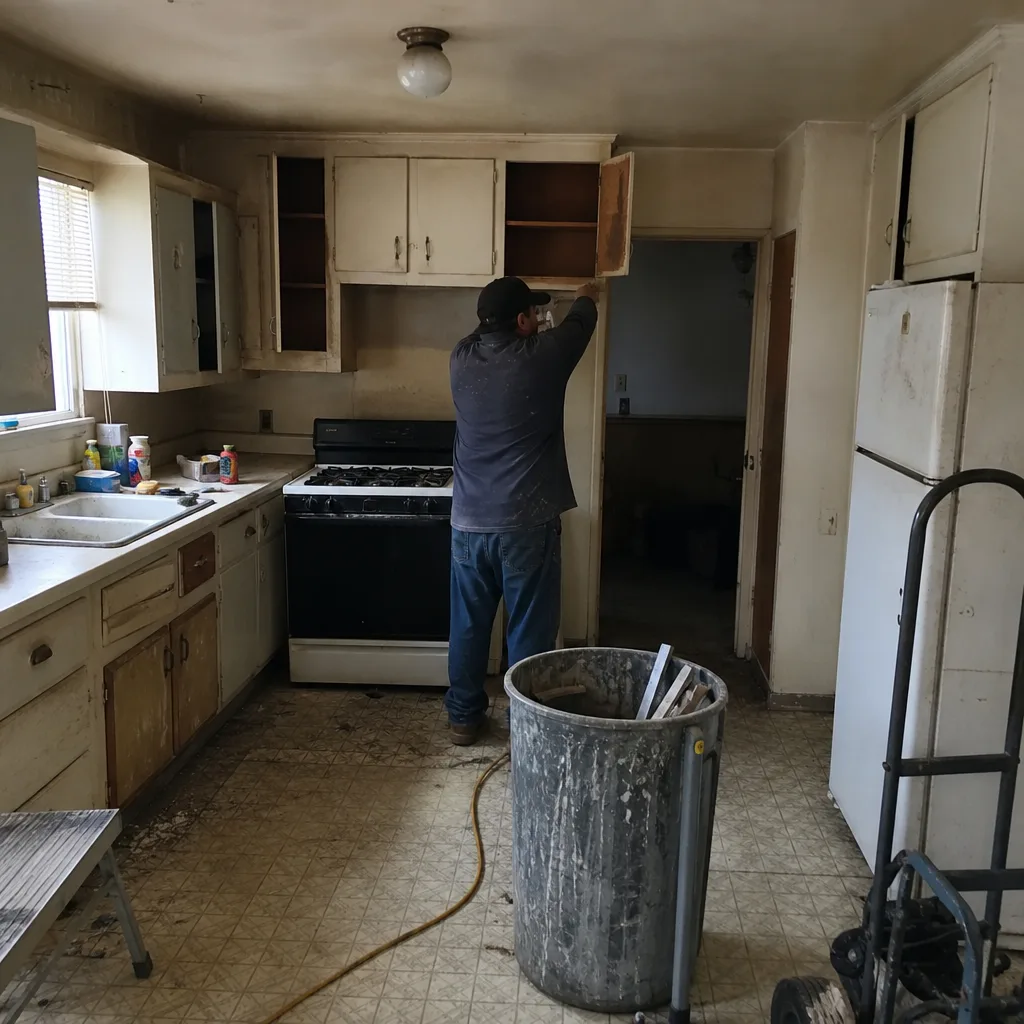 Before
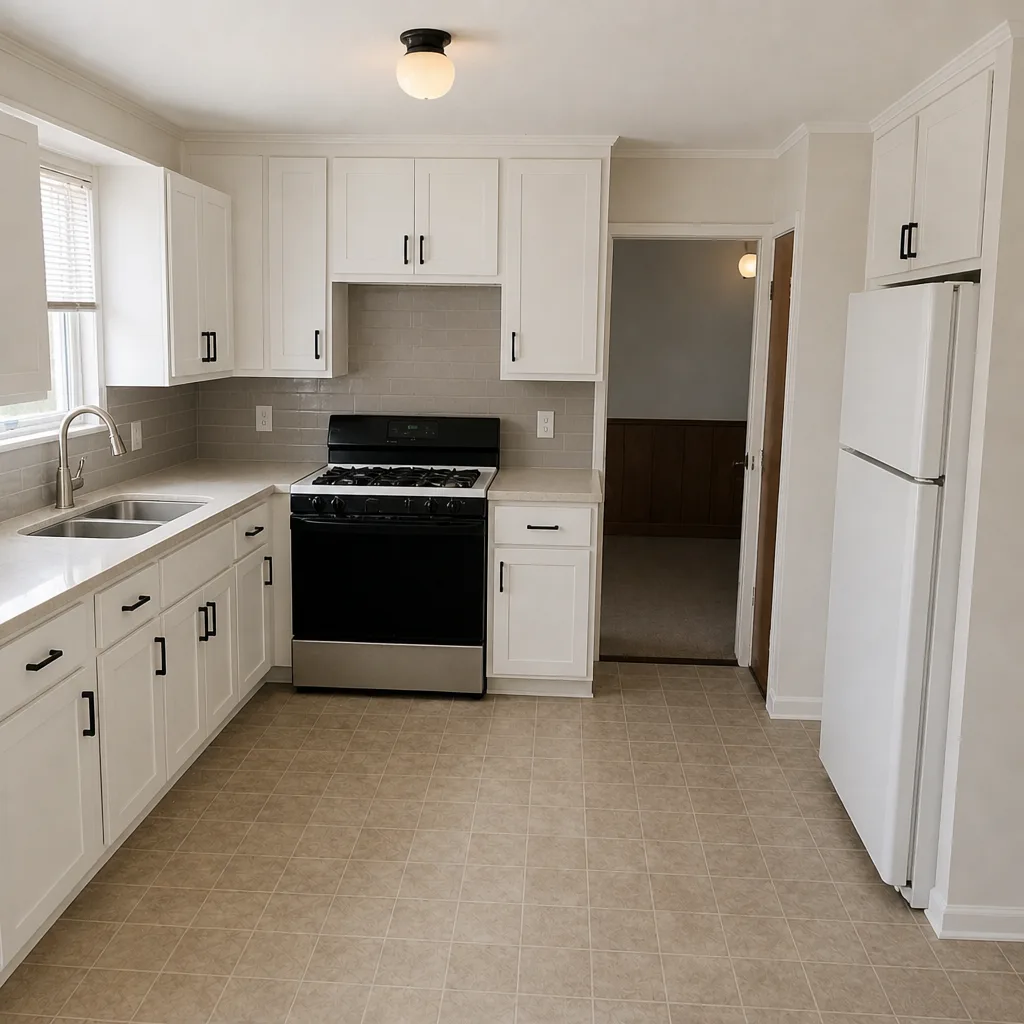 After
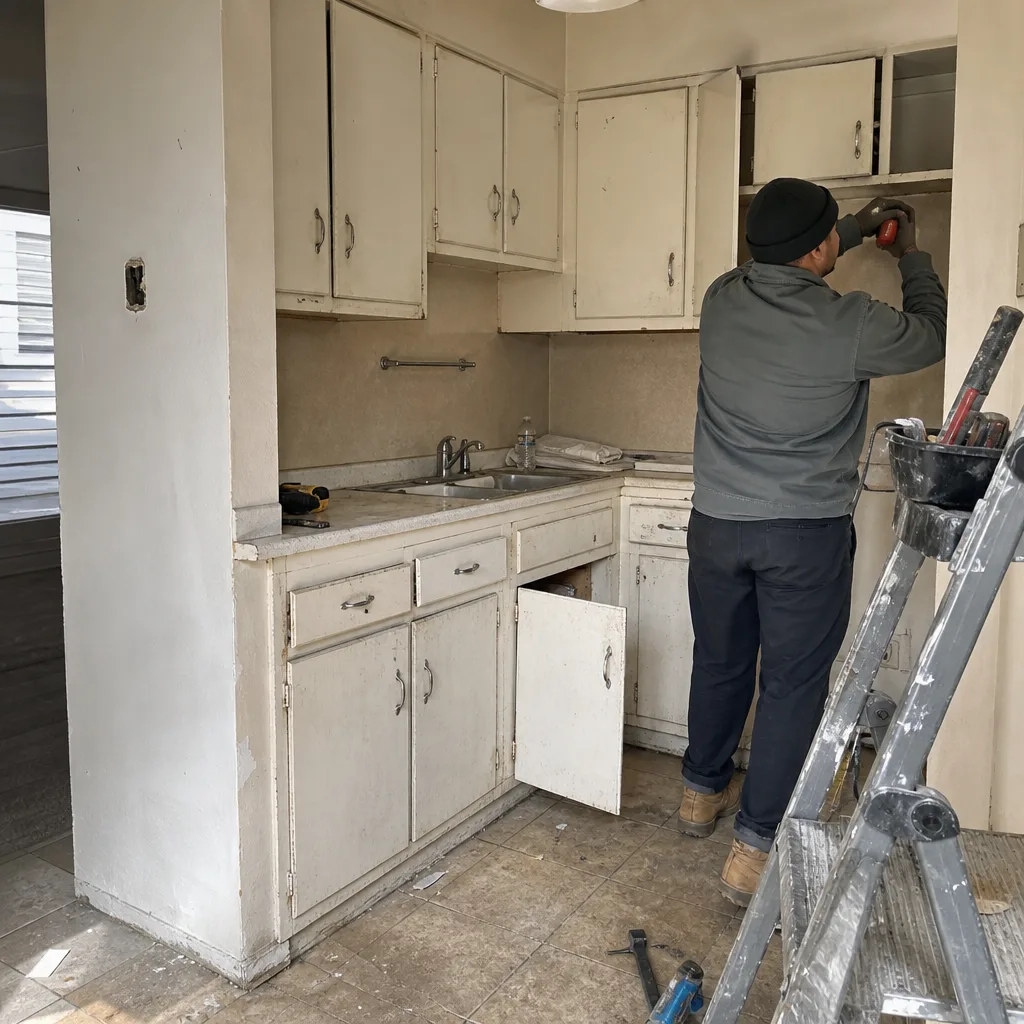 Before
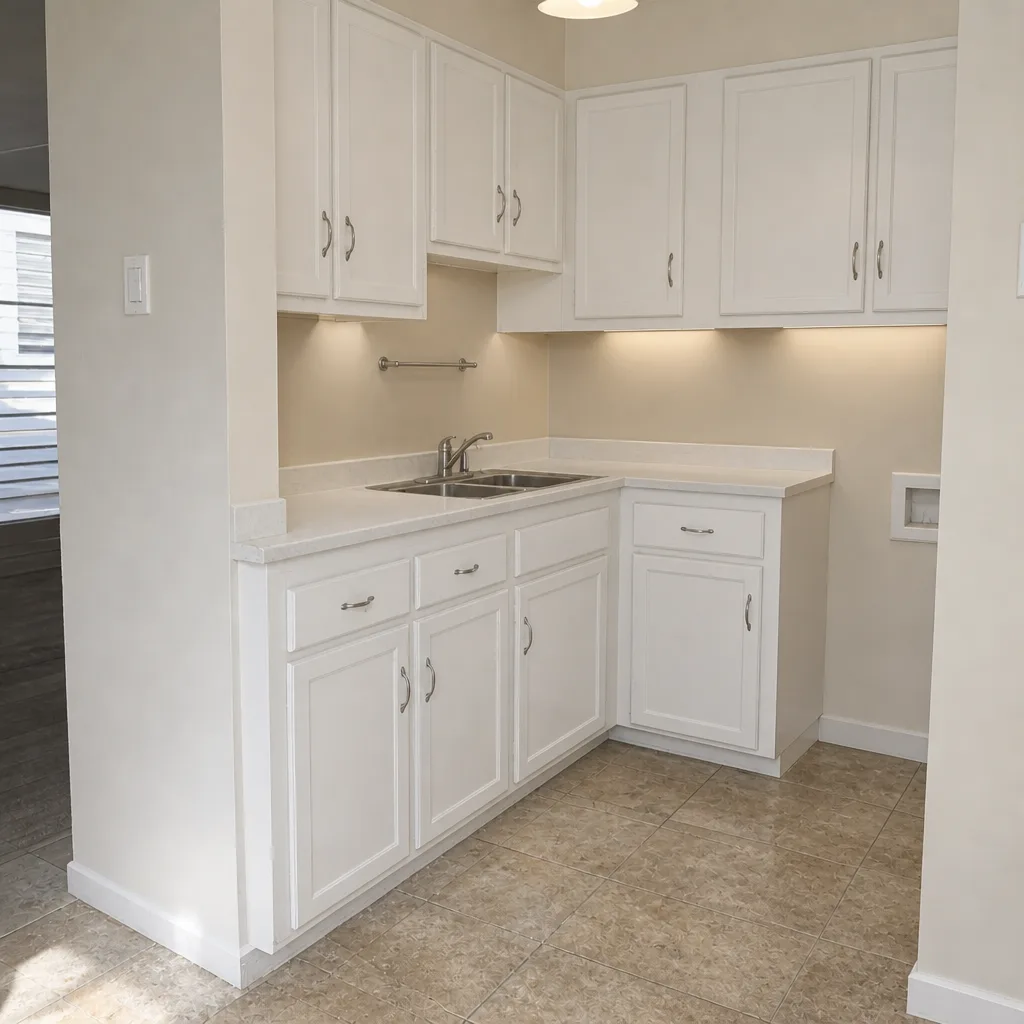 After
When to Call a Professional
Some jobs are weekend projects. Others carry real risk. Call a licensed professional when the work involves structural changes, moving or adding electrical circuits or plumbing lines, anything that requires a permit, roof work at height, or gas lines and gas appliances. Gas work in particular is not a project to learn on, and neither is anything that involves cutting into a load-bearing wall. Those are the jobs where a mistake isn’t just expensive, it’s dangerous. If you’re unsure whether your job crosses that line, ask. Bradford Remodeling Co East Los Angeles offers free estimates in East Los Angeles – call (833) 520-6636 and we’ll tell you honestly whether your project needs a licensed contractor or a handyman.
Frequently Asked Questions
Go to the CSLB website at cslb.ca.gov and search the license number directly, then confirm the business name, the license status, and the classification. The record shows whether the license is active, what class it covers, and whether there are any disciplinary actions. Do this yourself rather than relying on a photo of a license card. Call (833) 520-6636 for help understanding what a given classification authorizes.
A Class B (General Building) license covers the overall project, because a kitchen remodel involves multiple trades. Electrical work requires a C-10 and plumbing requires a C-36, either held by the general contractor or by licensed subcontractors on the job. Ask to see the licenses for the trades doing the rough-in work, not just the general contractor’s. Estimate requests are free at (833) 520-6636.
California limits the deposit to 10% of the contract price or $1,000, whichever is less, and that deposit should be tied to a signed written scope of work. Never pay a deposit in cash without a receipt and a contract. The remaining payments should follow inspected milestones, not dates on a calendar. Call (833) 520-6636 to review a payment schedule before you sign one.
Request a certificate of general liability insurance and a certificate of workers’ compensation insurance, and then call the insurer’s phone number listed on each certificate to confirm the policy is active on today’s date and the coverage limits. Do this before any deposit. If the contractor is a sole proprietor with no employees, ask them to state in writing how workers’ comp applies. Estimates are free – call (833) 520-6636.
Yes, and it’s a problem that follows the house. Unpermitted work has to be disclosed at resale, and buyers’ inspectors routinely catch finished basements, converted garages, and added bathrooms that were never permitted. It also means the rough framing and rough electrical were never inspected at the stage when problems are visible. Permits should be pulled before demolition, not after. Call (833) 520-6636 with questions about your project’s permit requirements.
You don’t, which is why the payment schedule matters more than the promise. Tie payments to inspected milestones, keep the final payment until a punch list is signed and the final inspection passes, and get the guarantee in writing with a term and a remedy. Bradford’s 365-Day Done Right Promise covers every completed project for a full year, at no charge if the work fails. Call (833) 520-6636 for a written estimate before you commit.
The Bottom Line
Hiring a contractor in East Los Angeles comes down to four checks, done in order: verify the CSLB license and classification yourself, call the insurer to confirm the policies are active, demand a line-item written scope with material specifications and exclusions, and tie payments to inspected milestones. Everything else, including reviews and referrals, comes after those four. Ask every contractor for the written price before work starts and the written guarantee term at close. If they can’t produce both, keep shopping. When you want to see what a squared-away bid looks like, our Kitchen Remodeling in East Los Angeles page has the structure to compare against.
Bradford Remodeling Co East Los Angeles works from The Garrison Standard, which puts every price and every guarantee in writing before a single tool comes out. You get a written price before any work begins, a written 365-Day Done Right Promise on every completed project, background-checked technicians on every job, and a live person answering the phone around the clock. When you’re ready to price your project, call (833) 520-6636 to schedule a free estimate. No pressure, no countdowns, just a number in writing.
Written by the team at Bradford Remodeling Co East Los Angeles.