Last updated November 17, 2026



Free written scope consultation - allowances, timeline, and change-order rules on paper before a single trade is scheduled
Construction Emergency Preparedness Guide for East Los Angeles Homes
The most expensive mistake East Los Angeles homeowners make after a plumbing emergency is starting demo before an adjuster photographs the damage. We’ve watched it happen: a burst supply line soaks a kitchen floor, the homeowner tears out the cabinet run that same afternoon to “save the house,” and the claim gets reduced or denied because no one can document what was actually damaged. Insurance pays to restore what the evidence shows. Remove the evidence and you’re negotiating against your own file. This guide is about the first 24 hours after an earthquake, a fire, or a major water failure in East Los Angeles – what to check, what to leave alone, and what sequence of actions protects both your structure and your claim.
Quick Answer
After a construction emergency in East Los Angeles, do three things in this order: make the home safe (gas, power, water), document everything with dated photos and video before touching anything, then call your insurer and start emergency mitigation only – not demolition. Structural triage comes before cleanup. Temporary repairs that protect the home from weather are almost always reimbursable; permanent repairs begun before the adjuster sees the loss are where claims go sideways.
Styles & brands we work with
- Kitchen remodeling
- Bathroom remodeling
- Home additions & ADU
- Roofing
- Windows & doors
- Driveway & pavers
- Fence
Table of Contents
- Post-Earthquake Structural Triage for ELA’s Wood-Frame and Stucco Homes
- The Correct Insurance Claim Sequence After Water or Fire Damage
- Gas Shut-Off in East Los Angeles: Locations and What You Can Legally Do
- Vetting an Emergency Contractor Under Pressure
- Which Temporary Repairs Protect Your Claim – and Which Hurt It
- Major Plumbing Failures: What to Shut Off First
- From Emergency to Rebuild: Keeping the Project Squared Away
Post-Earthquake Structural Triage for ELA’s Wood-Frame and Stucco Homes
Most of East Los Angeles’s housing stock is wood-frame construction finished in stucco, much of it built between the 1920s and the 1960s. That combination behaves in a specific way during a shakedown: the wood frame flexes, the stucco – being rigid – cracks, and the seams between additions, porches, and the original structure are where movement concentrates. After a significant quake, run this check before you re-enter and move through the house:
- Cracks wider than a credit card (about 1/16 inch) running diagonally from a corner of a door or window. Hairline cracks in stucco are cosmetic. Wide diagonal cracks at openings indicate the frame has shifted. That calls for an engineer, not a patch.
- Doors and windows that suddenly stick or won’t latch. If a door that closed smoothly last week now binds, the wall it sits in has moved. This is one of the most reliable early signs of frame distortion in stucco homes.
- Separation where a porch, garage, or addition meets the main house. ELA has a lot of older owner-built additions. The joint between old and newer framing is where differential movement shows up first.
- Chimneys – especially masonry ones on pre-1960 homes. Check from the ground for visible lean, cracked mortar joints, or bricks out of line. A damaged chimney is the most common quake-related life-safety hazard in these homes.
- Gas and water. Smell gas, hear running water, or see water pooling where no pipe should be? Stop and handle that before any structural inspection.
Keep a log with dates and times. Photos with timestamps and a written note of what you saw on which day carry real weight with an adjuster, and they cost nothing to make.
The Correct Insurance Claim Sequence After Water or Fire Damage
California is a “prompt and thorough investigation” state; insurers are required to investigate and evaluate each claim thoroughly and in good faith. That protection runs both ways. Your job is to keep the record intact so the adjustment process has something to work with.
Follow this order:
- Document. Photograph and video every affected area before you move a single item. Wide shots for context, close-ups for detail, and one shot of each affected room’s door frame so the adjuster can orient. Include water lines on drywall, char patterns, and standing water depth (measure it with a ruler).
- Mitigate. In California insurance practice, “mitigation” means steps a reasonable homeowner takes to prevent further damage after a covered loss – shutting off the water, tarping a roof, extracting standing water, running drying equipment. These costs are typically recoverable under the policy’s “reasonable repairs” provision. This is the phase you’re allowed to spend money in.
- Notify. File the claim with your insurer and request the adjuster’s visit in writing. Save every receipt and keep a running list of expenses.
- Demo – only after the adjuster has photographed the loss or given written direction. Not one day before.
The distinction between “mitigate” and “demo” is the whole ballgame in East Los Angeles water losses. Pulling soaked carpet and running a dehumidifier is mitigation. Pulling cabinets, cutting drywall, and tearing out flooring is demolition, and once it’s done the adjuster cannot see what was there. Water damage investigations in East LA homes are especially sensitive to this because so many properties have original flooring and cabinetry that are costly to replace and hard to document after the fact.
Gas Shut-Off in East Los Angeles: Locations and What You Can Legally Do
East Los Angeles has a mix of older meter configurations. Most properties have a gas meter at the side or rear of the house, with a quarter-turn valve on the supply side. If the meter has an automatic seismic shut-off valve, it may have already closed after a quake – you’ll see the lever in the off position, perpendicular to the pipe. You can legally close a residential gas meter valve yourself. Use a wrench and turn it a quarter turn until it’s perpendicular to the pipe. Once closed, only the gas utility should turn it back on. Never reopen a closed meter yourself, and never touch a valve that requires force or a special tool.
What requires the utility, not you: any meter or valve that won’t move, any smell of gas after your valve is closed, damaged piping between the meter and the house, and service restoration after any shutdown. Leave the house, call the gas utility from outside, and don’t operate light switches or appliances on your way out.
Two practical notes from East LA work: older homes sometimes have a shut-off inside a locked exterior cabinet, so know where your key is before you need it. And if you’re planning any general contractor work in East Los Angeles, gas line modifications are a permitted, licensed activity – not a homeowner project.
Vetting an Emergency Contractor Under Pressure
After a disaster, people knock on doors. Some are legitimate local trades. Some are not. You can verify a contractor’s license in under five minutes at any hour, and it’s worth doing before anyone steps past your threshold:
- Get the license number, the business name, and the legal name of the license holder. A license is issued to a person, and a real contractor will have that information ready.
- Check the number against the California State License Board’s online lookup. Confirm the license is active, the classification (B for general building) matches the work, and the name matches the person in front of you.
- Ask for a certificate of insurance showing general liability and workers’ compensation, and call the number on the certificate – not the number on the business card – to confirm it’s current.
- Refuse any request for a large cash deposit up front or payment before materials arrive. A written price for the work, delivered before work starts, is the baseline expectation.
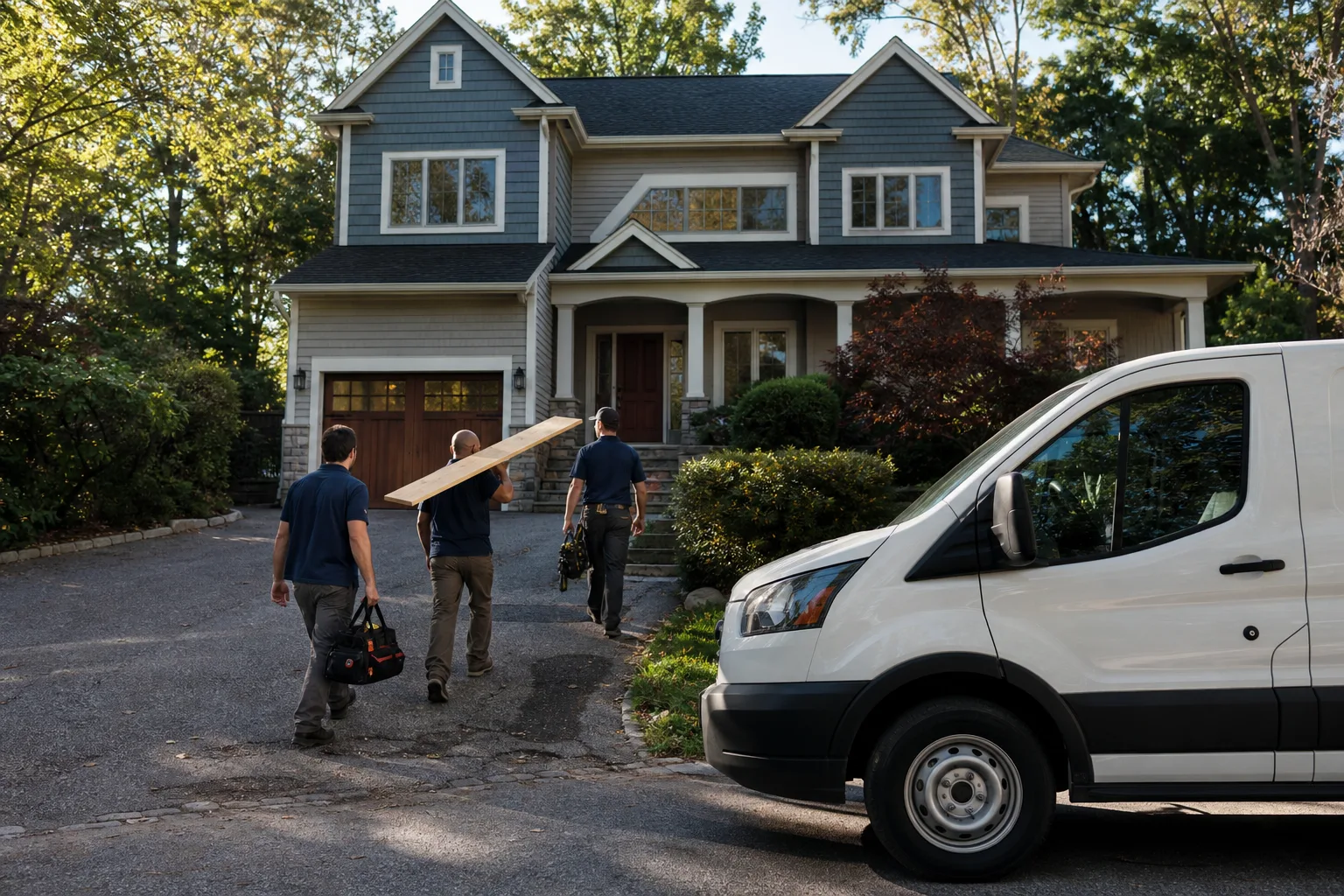
In East Los Angeles post-emergency, our experience is that door-knockers tend to push for same-day signed contracts and a big deposit. Neither is necessary. At Bradford Remodeling Co East Los Angeles we put a written price in front of you before any work starts, always, and all our technicians are background-checked and uniformed, so you know exactly who’s coming through the door. If a crew can’t produce a license number and a written scope, move on.
Which Temporary Repairs Protect Your Claim – and Which Hurt It
The right temporary repair stops water from getting in and lets air dry the structure. The wrong one can be used later to argue you caused secondary damage. The difference is usually whether the repair gets documented before and after.
Protects the claim:
- Weighted tarps over a damaged roof, secured at the eaves. Properly tensioned, vents left breathing, edges weighed rather than nailed into the deck. This is a protect-the-structure measure and usually reimbursable.
- Extraction, dehumidifiers, and box fans in a water loss. Run them, photograph the reading on a moisture meter if you have one, and keep the rental receipts.
- Plywood over broken windows, fastened so the opening is watertight. Photograph the opening before boarding and after.
- Shut-off and drain of the failed supply line, with the valve position photographed.
Hurts the claim:
- Tacking a tarp down so it ponds water, which turns a roof leak into a ceiling collapse the insurer may argue was your doing.
- Painting over a water stain before it’s documented. That’s evidence erased.
- Running a shop vac on a wet wall cavity and cutting the drywall open “to let it breathe” before the adjuster has been. That’s demolition.
- Discarding damaged materials rather than stacking them in the yard for the adjuster to see.
The rule of thumb: temporary repairs protect the structure. They don’t investigate it. Anything that cuts, opens, or removes is a permanent repair or demo, and it waits for the adjuster.
Major Plumbing Failures: What to Shut Off First
A burst supply line or a failed water heater in an East Los Angeles home can push tens of gallons a minute into the structure. The order matters:
- Shut off the main supply valve, usually at the front of the house or at the meter box. Turn it clockwise until it stops. If you don’t know where it is, this guide is your reminder to find it tonight.
- Kill the power to any room where water is pooling around outlets, at the breaker panel. Don’t wade into standing water to unplug anything.
- Open the lowest faucet in the house to drain the line.
- Protect the structure: move debris and furniture out of the wet zone so air and drying equipment can reach the floor, and lift belongings onto blocks or a dry surface.
- Document, then call – adjuster first, drying crew second, demo never on day one.
Older plumbing in this part of East Los Angeles includes a lot of galvanized steel, plus copper and polybutylene that’s been patched over the years. When a line fails, repair decisions are worth making carefully – a proper repair often calls for opening the wall and replacing a section, which is permitted work. Our team can help you sort out what’s covered by insurance and what a durable repair actually needs; we offer free estimates and would rather you have the right number before work starts. If a bathroom is part of the rebuild that follows, plan it properly with our bathroom remodeling service for East Los Angeles homes so the repair becomes a fixed, documented improvement.
From Emergency to Rebuild: Keeping the Project Squared Away
Once the emergency phase is behind you, the rebuild is a different animal. Emergency mitigation is fast and reactive; a rebuild is planned, permitted, and priced in writing. That distinction matters when you’re choosing who to do it.
What a well-run rebuild looks like in East Los Angeles: a written scope and price before any tool comes out, permit applications pulled in the correct classification for the work, a background-checked crew on the site every day, and a written guarantee on the finished work. Every completed project we do carries the 365-Day Done Right Promise – a full-year written guarantee; if the work fails within that window, we come back and correct it at no charge. That’s the difference between a disaster response and a rebuild you can bank on.
For the rebuild itself, some projects will touch the kitchen, which is why we plan ahead with our kitchen remodeling team in East Los Angeles when water damage reaches the cabinet run or flooring. We work with documented materials: KraftMaid and Wellborn cabinetry, Cambria and Caesarstone surfaces, Kohler and Moen fixtures, Delta and American Standard plumbing, GAF and James Hardie exterior products, Therma-Tru doors, Schluter tile systems, and Belgard hardscaping. Every one of those comes with manufacturer specifications and warranties that back our own. No guessing on what’s behind the wall or under the tile.
We also set expectations honestly on timing: a rebuild is a planned project, not a same-day job. What we can promise is a written price before work starts, a clean site at close, and a signed guarantee in your hand when we’re done. That’s what “squared away” means to us, and it’s the standard our parent family, Garrison Partners, has held since 2004. Learn more about how Bradford Remodeling Co works in East Los Angeles.
Common Mistakes to Avoid
- Starting demo before the adjuster arrives. Once cabinets and drywall are gone, the adjuster has nothing to photograph, and a valid claim can be reduced. Wait for the visit or written direction.
- Signing a same-day contract at the door. After a big quake or fire, door-to-door crews work East Los Angeles hard. No license number and no written scope means no signed contract.
- Reopening a gas meter you closed yourself. Closing the residential valve is fine; reopening it is the utility’s call, not yours. Forcing it is a fire hazard.
- Painting over water stains before documentation. A stain is evidence. Photograph it, log the date, and leave it until the adjuster has seen it.
- Tarping a roof so badly it ponds. A sagging tarp that holds water turns a covered loss into a secondary damage argument the insurer can use against you.
- Skipping a moisture check behind stucco. Stucco over wood frame traps water. After a plumbing leak or roof damage, moisture can sit in the wall cavity for weeks before it shows inside.
- Assuming the first contractor called is the right one. Under pressure, verify the license, confirm insurance, and get the price in writing. Five minutes of checking saves a year of regret.
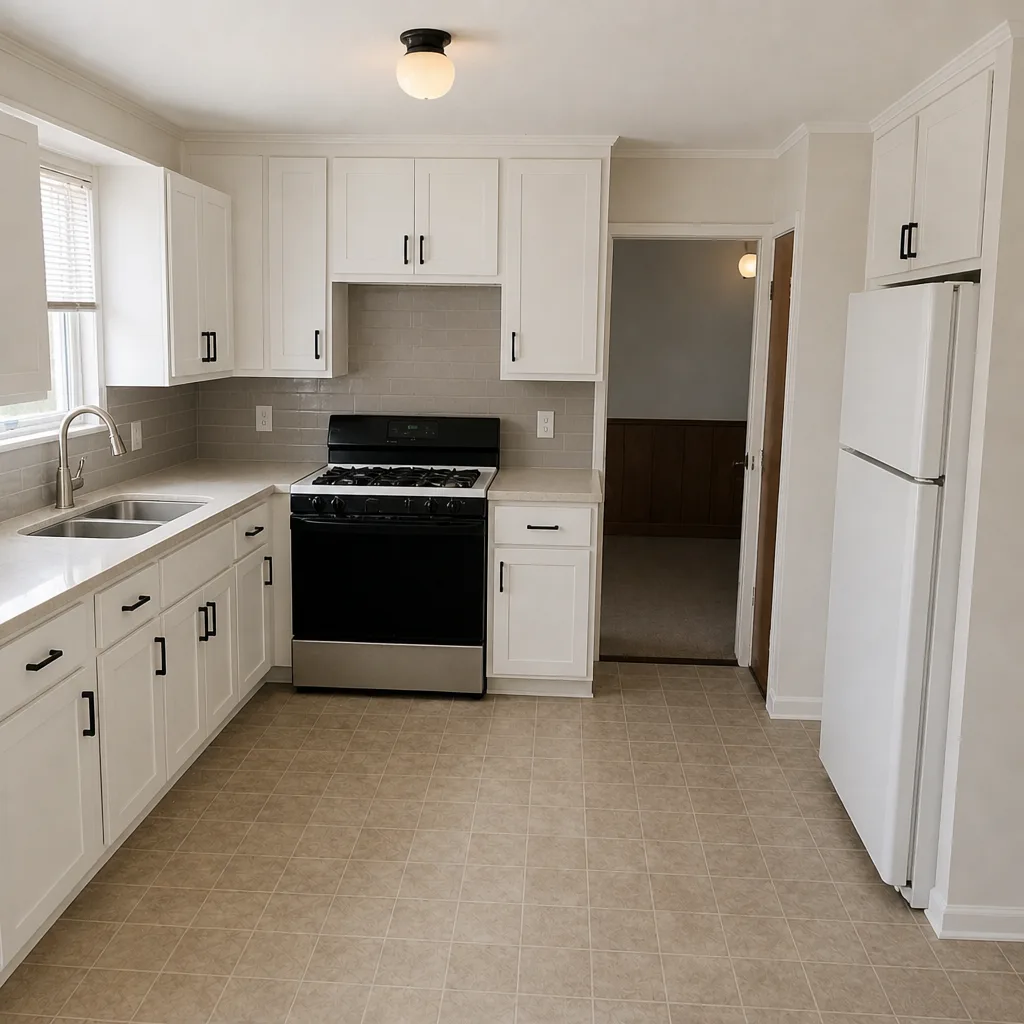
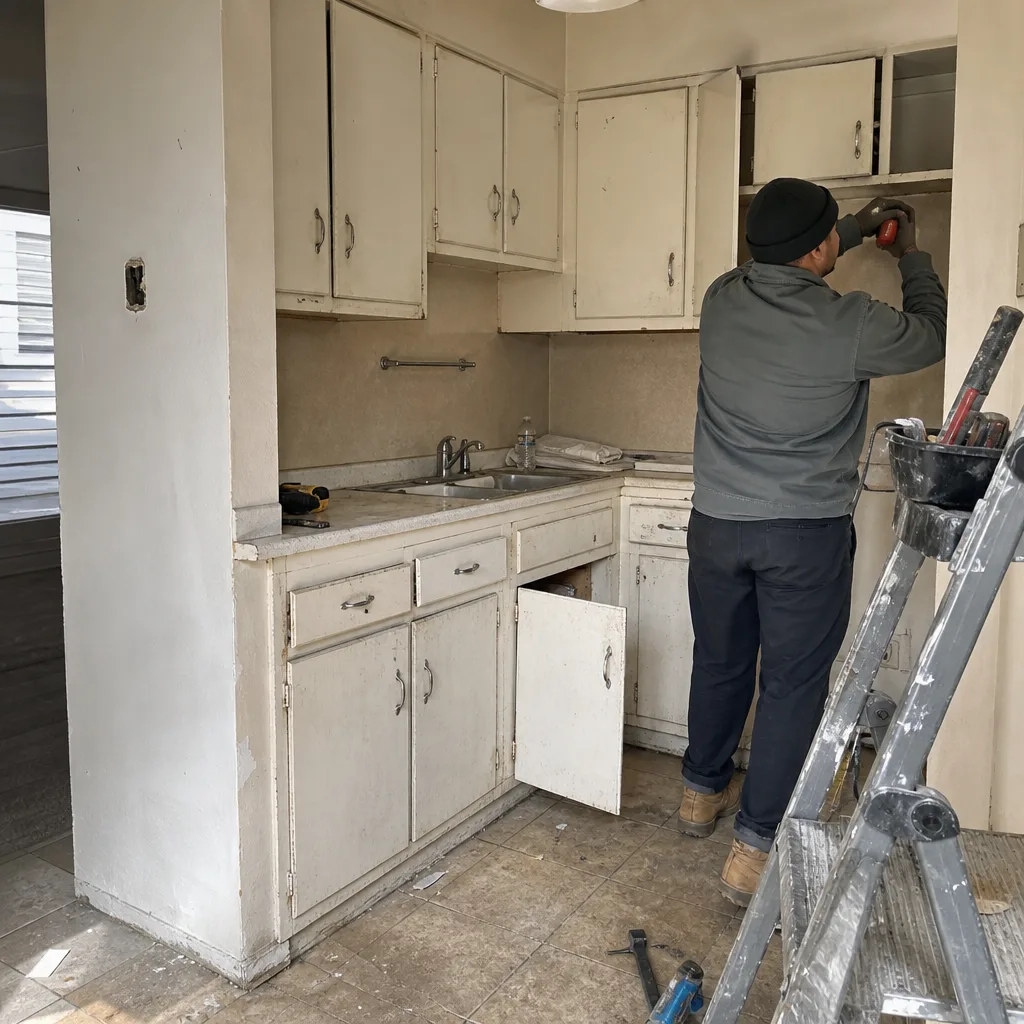
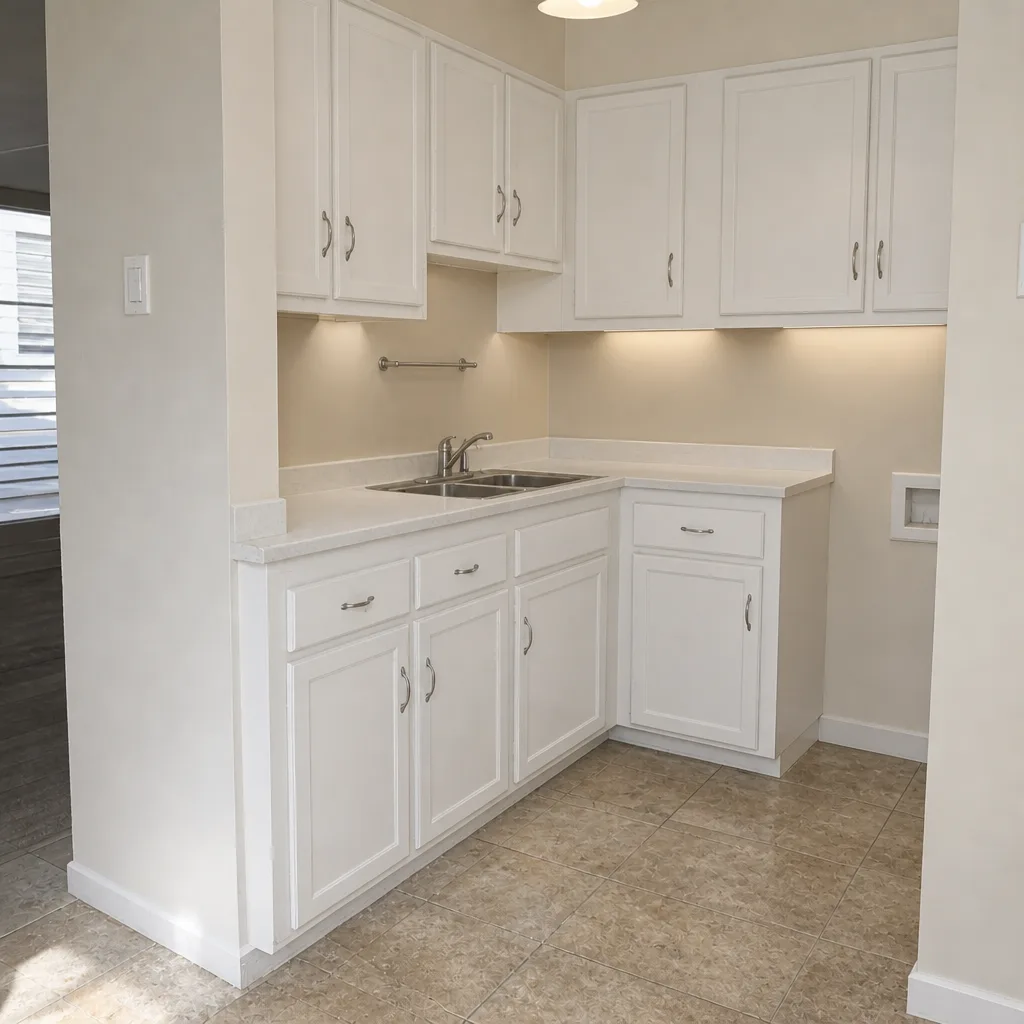
See the difference
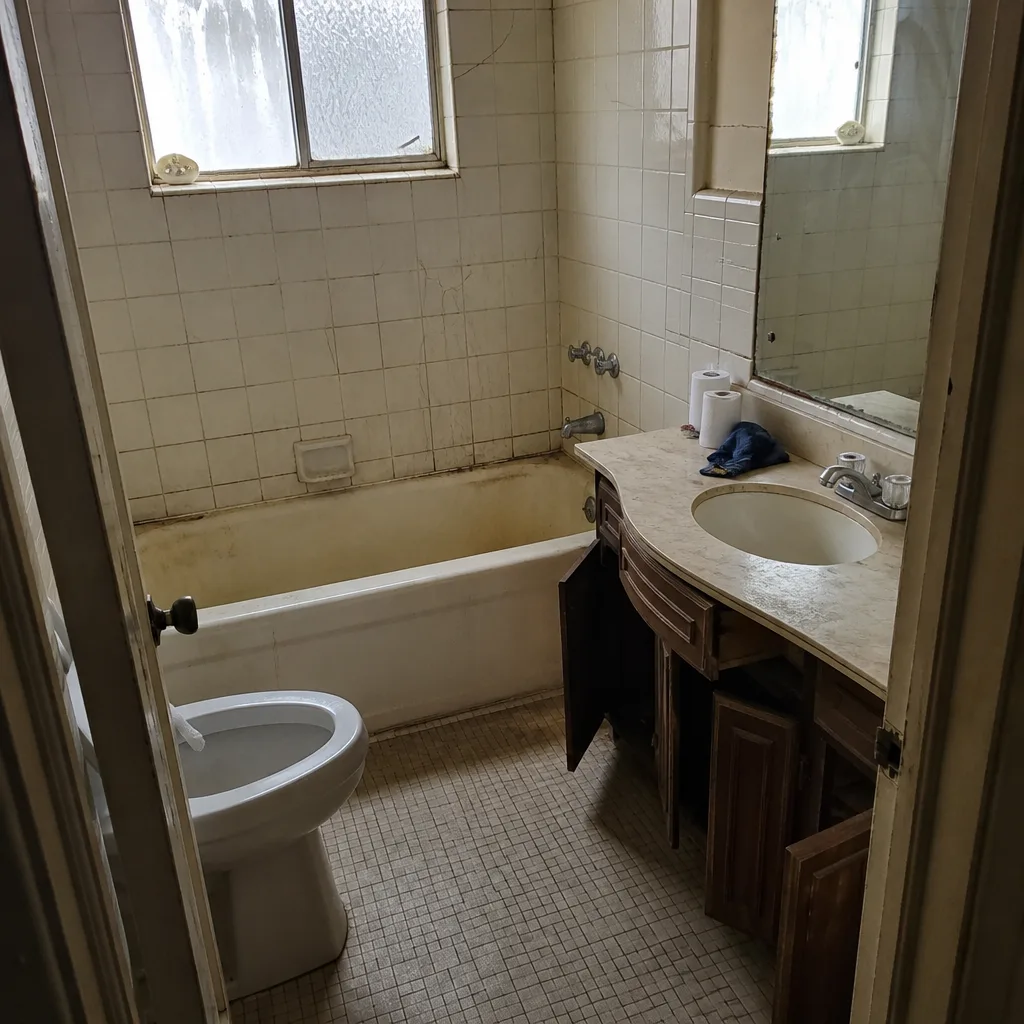 Before
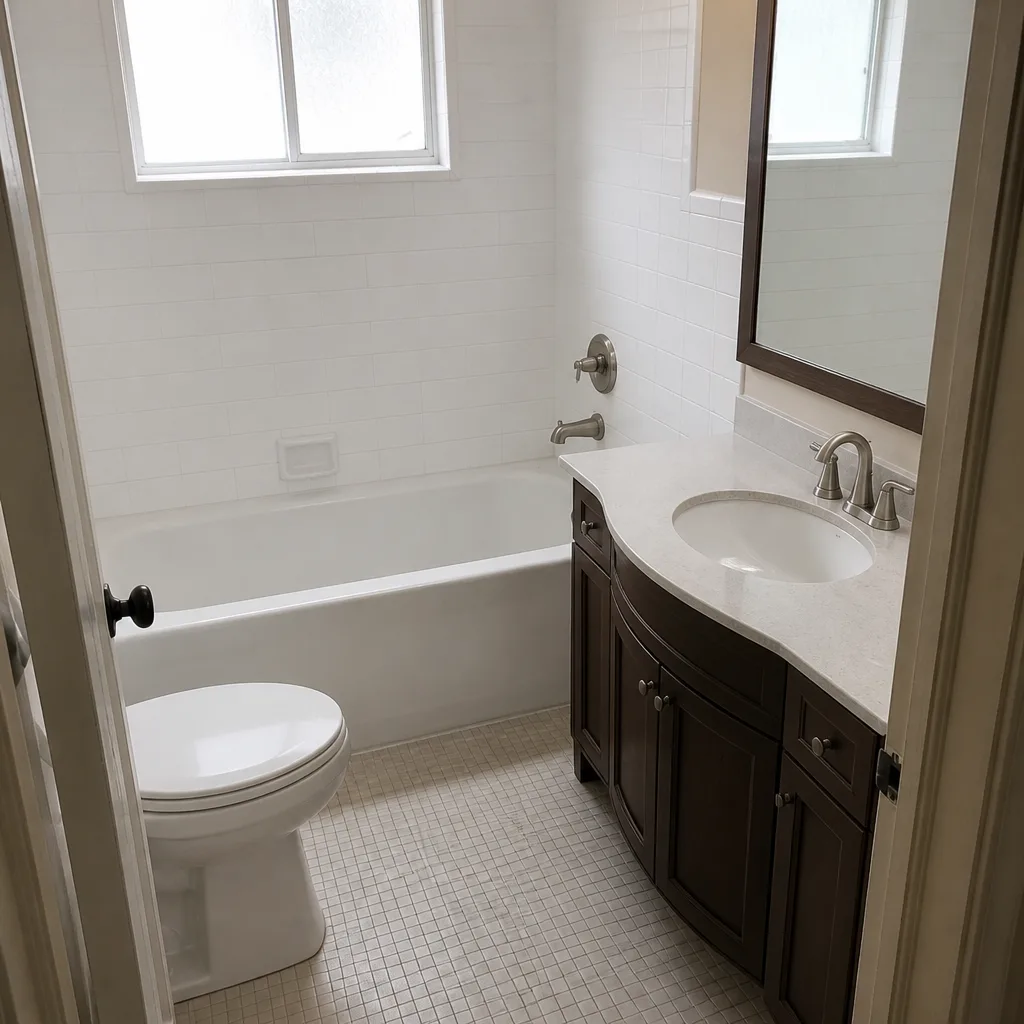 After
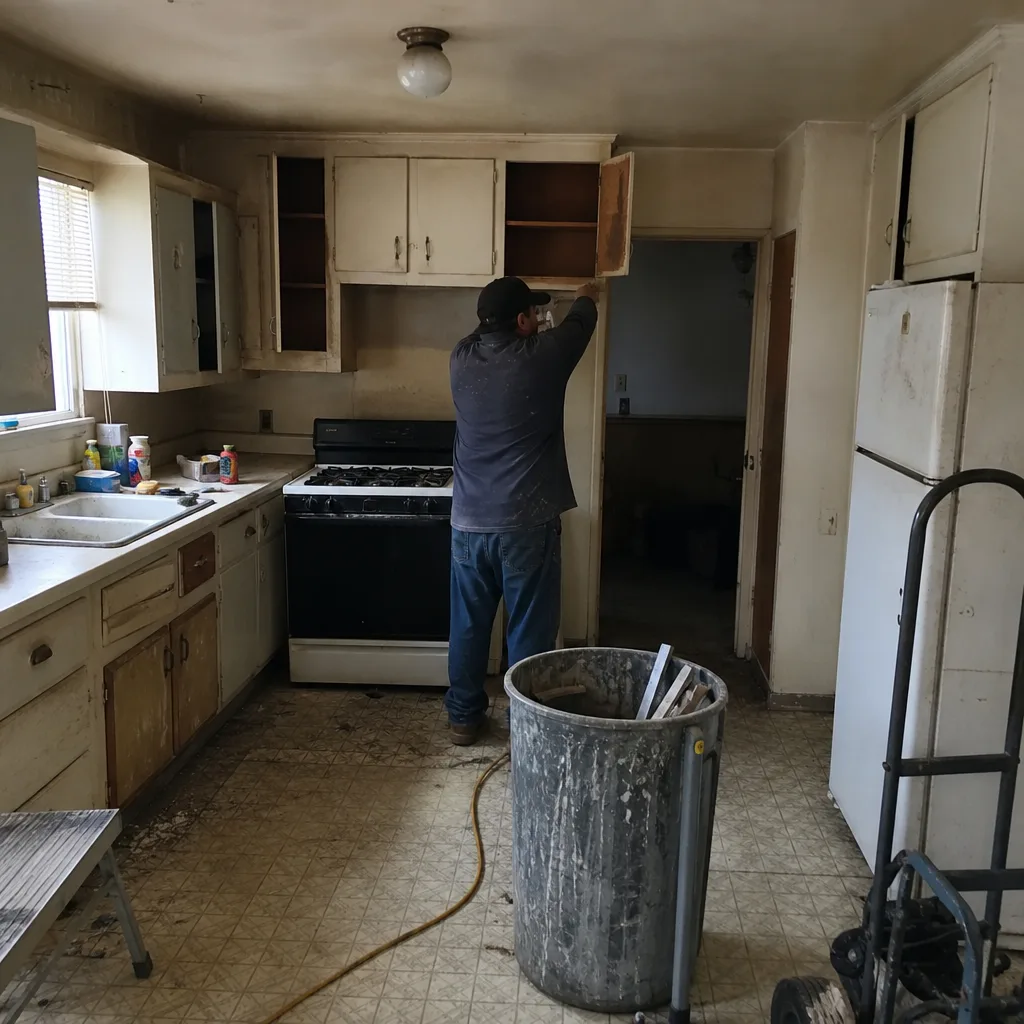 Before
 After
 Before
 After
When to Call a Professional
Call a professional when the damage reaches the structure – not the surface. Wide diagonal stucco cracks, a door that suddenly sticks, a chimney that’s moved, water that has soaked into the wall cavity or under the slab, fire damage to framing, or any gas line work. These are licensed, permitted jobs, and the fix has to hold. Before you hire, ask for the license number, the written price, and the guarantee terms. A professional crew will have all three ready. Bradford Remodeling Co East Los Angeles offers free estimates in East Los Angeles – call (833) 520-6636. We answer with a live person 24/7, and we’ll put the price in writing before any work starts. No exceptions.
Frequently Asked Questions
Most East Los Angeles emergency mitigation jobs – extraction, drying equipment, and a moisture check – run into the low four figures, and much of that is typically recoverable under your homeowner policy’s reasonable-repair provision; demolition and rebuild are separate and priced after the adjuster’s visit. Call (833) 520-6636 for a free estimate and a written scope – estimates are free.
Yes, you can close the residential meter valve yourself with a wrench, turning it a quarter turn until it’s perpendicular to the pipe. Reopening it, repairing pipe, and restoring service are the utility’s job. If you smell gas after the valve is closed, leave the house and call the utility from outside.
No. Our written price is fixed before work begins, and it doesn’t move at the door or mid-project. If the scope changes because we find something behind the wall, we price the change in writing before doing it – never after.
Yes. We pull the permits and handle the inspections for the work we do. Permitted work protects you on resale and gives the insurer an independent inspection record. It’s part of the same discipline as the written price.
A repair rebuild – flooring, drywall, cabinets, fixtures in one or two rooms – typically takes a few weeks; a full kitchen or whole-home rebuild runs longer, and we give you a realistic timeline in writing before work starts. We don’t promise same-day anything on planned rebuilds, because those promises walk out the door when the first surprise shows up. Call for a free estimate.
Every completed project carries a full-year written guarantee: if the work fails within that window, we come back and correct it at no charge. The guarantee terms are in writing and in your hand at job close, along with the documented scope and a clean site.
The Bottom Line
The first 24 hours after a construction emergency in East Los Angeles decide most of the outcome – not the size of the loss. Make it safe, document everything, mitigate, and wait for the adjuster before demo. Verify any contractor’s license before signing anything, and get the price in writing. Then, when the rebuild comes, treat it as a planned, permitted project with a written scope and a real guarantee, not an emergency you’re forced through. That sequence is how a homeowner protects both the house and the claim. If you’re past the emergency and ready for a written price on the rebuild, call us at (833) 520-6636 for a free estimate – a live person answers 24/7.
Written by the team at Bradford Remodeling Co East Los Angeles.