Last updated November 17, 2026
Free written scope consultation - allowances, timeline, and change-order rules on paper before a single trade is scheduled
DIY vs Professional Bathroom Remodeling: What’s Safe to Do Yourself
Installing a vanity yourself is legal and smart. Moving the drain 18 inches to center it under that vanity without a permit is a code violation that follows the property deed, not you personally. That’s the line most DIY guides never draw, and it’s the one that matters in California. In East Los Angeles, we’ve watched homeowners save $400 on a weekend project and then eat a five-figure hit at resale because an unpermitted drain relocation surfaced during the title search. This guide separates the work you can legally and safely do yourself from the work that needs a licensed trade and a signed-off inspection. You’ll get the exact permit line, the insurance exposure nobody explains, and the cost math on pulling your own homeowner permit versus hiring a sub.
Quick Answer
Safe DIY bathroom work in California means anything that doesn’t touch the plumbing rough-in, electrical panel, ventilation path, or structure: painting, hardware swaps, mirror hanging, toilet seat replacement, and accessory installation. Any drain relocation, supply line extension, ventilation fan added, or wall moved requires a permit and a licensed trade. Cosmetic work you keep; plumbing and electrical work you permit and inspect, or the liability follows the property.
Styles & brands we work with
- Kitchen remodeling
- Bathroom remodeling
- Home additions & ADU
- Roofing
- Windows & doors
- Driveway & pavers
- Fence
Table of Contents
- Where California Draws the Legal Line
- The Insurance Exposure You Haven’t Been Told About
- Five DIY Tasks That Genuinely Save Money
- Five Tasks Homeowners Attempt and Shouldn’t
- Homeowner Permit vs Licensed Sub: The Cost Math
- What a Failed Inspection Actually Costs
- East Los Angeles Specifics: Climate, Code, and Resale
- How to Vet a Bathroom Contractor Before You Sign
Where California Draws the Legal Line
California’s permitting rules for residential bathrooms break cleanly into two columns. On one side sits work the state considers cosmetic or like-for-like replacement. On the other sits anything that touches the systems buried in the walls. Knowing which column your project falls into is the whole game, and it’s the first thing we walk through on any bathroom remodeling in East Los Angeles estimate before we quote a single number.
Permit-exempt work (generally safe to do yourself):
- Replacing a toilet, sink faucet, or showerhead with the same type in the same location
- Painting, caulking, and re-grouting
- Swapping cabinet hardware, towel bars, and toilet paper holders
- Hanging a mirror or medicine cabinet on an existing wall
- Replacing a toilet seat, shower curtain rod, or bath mat hardware
- Installing a freestanding shelf or accessory on finished wall
Permit-required work (needs a licensed trade and inspection):
- Any drain relocation, including moving a toilet flange or centering a sink drain
- Extending or rerouting a supply line
- Adding or relocating a ventilation fan, or cutting a new attic penetration
- Adding a GFCI receptacle or any new electrical circuit
- Moving or removing a wall, even a “half wall”
- Replacing a shower valve body or relocating a tub
The test is simple: if you’re turning a wrench on a fixture that sits exactly where it sat before, you’re fine. If you’re cutting into the wall, moving pipe, or running new wire, you’re in permit territory. The California Building Code and the California Plumbing Code both treat drain and supply modifications as regulated work regardless of who swings the hammer. That includes homeowners.
The Insurance Exposure You Haven’t Been Told About
Here’s the part that gets skipped in most DIY articles. Suppose you move a supply line 14 inches to fit a new vanity, the compression fitting weeps a slow drip behind the wall for eight months, and the subfloor and drywall in the room below are destroyed. You file a claim. The adjuster traces the leak to plumbing work that never had a permit or inspection. In many homeowner policies, that’s grounds to deny the claim under a “known code violation” or “faulty workmanship” exclusion.
We’ve seen this play out in East Los Angeles more than once. The dollar figures depend on the policy, but the pattern is consistent: an insurer that can tie a loss to unpermitted work has a documented reason to push back, and you’re the one arguing with the carrier while the water damage spreads. The permit is not paperwork for its own sake. It’s the receipt that proves the work was done to code and inspected by the jurisdiction. Without it, you’re asking your insurer to trust you. With it, you’re asking them to read a document.
The second layer is title. Unpermitted bathroom work creates an encumbrance on the property, because the county record doesn’t match what’s built. That shows up during a title search at resale. Depending on the buyer’s lender and the scope, a title company may flag it, an appraiser may note it, and a buyer’s inspector almost certainly will. Buyers negotiating in East Los Angeles know the difference between a permitted remodel and a roll of the dice, and they price accordingly.
Five DIY Tasks That Genuinely Save Money
These five projects return real dollars on a bathroom refresh without touching a permit, a torch, or a panel. We recommend them to homeowners on the fence about going full remodel because they buy you time and don’t create a paper trail problem.
- Painting. Bathroom paint runs $40 to $90 a gallon for a quality moisture-rated formula. A single weekend transforms a dated room. Prep matters more than the coating: sand, degloss, and prime over any glossy surface, or the paint peels at the first steam bath.
- Hardware replacement. Cabinet pulls, towel bars, and a new showerhead can be swapped with a screwdriver and $60 to $150 in materials. Buy matching finishes so the room reads as intentional.
- Mirror installation. A framed mirror is the highest-impact change per dollar in a small bath. Use two heavy-duty mirror clips or a French cleat rated for the weight, and anchor into studs or use rated drywall anchors. A 30-pound mirror needs the right anchor, not the plastic ones from the drawer.
- Toilet seat replacement. Ten minutes, $30 to $60, and the room instantly feels newer. Confirm the seat shape and bolt spacing before you buy. No tools beyond a screwdriver required.
- Shower accessory installation. Grab bars, corner caddies, and shower curtains are all reasonable DIY. The one caveat: a grab bar is only as strong as its anchor. If you’re drilling into tile or a fiberglass surround, use anchors rated for the load and hit a stud where you can. A grab bar that fails when someone actually grabs it is worse than no bar.
Five Tasks Homeowners Attempt and Shouldn’t
We pull apart failed DIY work in East Los Angeles regularly. These five are the repeat offenders. Each one looks simple on a video and goes wrong in a way that costs more than hiring a licensed trade would have in the first place.
- Tiling over existing tile without checking deflection. A tile floor is only as good as the substrate underneath – the structural layer the tile bonds to. Tile laid over a floor that flexes more than L/360 (the standard deflection limit for ceramic) will crack within a year, sometimes within a season. You need to calculate joist deflection and confirm the existing tile is sound before you bond anything. Skip that step and your $600 tile job is a $3,000 repair.
- Installing a shower valve without soldering certification. A shower valve body is the cartridge housing buried behind the tile. Getting it wrong means water inside the wall. Soldering copper requires a torch, flux, and the practice to know a joint is sealed before you close it up. A failed joint leaks for months before you notice the mold.
- Adding a GFCI without panel knowledge. A GFCI (ground fault circuit interrupter) is the outlet with the test/reset buttons that protects you from shock near water. Installing one might look like a swap, but adding a new receptacle means understanding your panel’s capacity and the circuit you’re tapping. Wrong breaker, wrong amperage, or a shared neutral and you’ve created a fire risk or a nuisance trip you can’t diagnose.
- Relocating a toilet flange. The flange is the metal or plastic ring the toilet bolts to – the joint that connects the toilet to the drain. Moving it means cutting the drain line and re-solvent-welding in the floor. A misaligned flange leaks under the floor, and you won’t know until the ceiling below shows a stain. This is a permit job, full stop.
- Installing a ventilation fan without an attic penetration plan. Bath fans need to exhaust outside, not into the attic. Routing ductwork through a ceiling you can’t see into, sealing the penetration, and connecting to a properly located roof or wall cap is a permit job. A fan that dumps moist air into the attic grows mold in the sheathing. It’s slow and invisible, which is what makes it expensive.
Homeowner Permit vs Licensed Sub: The Cost Math
Here’s where the numbers matter. California allows a homeowner to pull what’s called an owner-builder permit for work on their primary residence. The homeowner signs an affidavit that they’ll do the work themselves, and they’re the one who has to pass inspection. That’s the legal opening. It’s also where homeowners underestimate the true cost.
Typical East Los Angeles figures look like this. An owner-builder plumbing permit for a bathroom fixture relocation runs roughly $150 to $350 in permit fees, depending on the jurisdiction. A licensed plumber for a drain relocation and shower valve installation typically quotes $650 to $1,400 for the work, permit included. On paper, pulling your own permit saves the labor line. In practice, if your first inspection fails, you’re paying a re-inspection fee (often $75 to $200 per visit) and burning days or weeks waiting for a new appointment. Two failed inspections and the re-inspection fees alone can exceed what the plumber’s permit effort cost.
Here’s the sharper math. A licensed plumber who has passed the same inspection a hundred times in this jurisdiction tends to pass it. You, on the first attempt, with a YouTube tutorial, tend not to. The gap between “permit fee saved” and “re-inspection fees plus wasted weekends plus a failed inspection on record” is usually a net loss. And that’s before the possibility of the failed inspection flagging a bigger problem the inspector wants corrected before he’ll sign off.
Our honest recommendation: pull an owner-builder permit only for work you’ve actually done before and know will pass. For plumbing, electrical, or ventilation work you haven’t done a dozen times, hire the licensed sub and let them carry the permit.
What a Failed Inspection Actually Costs
A failed inspection isn’t just the fee. An inspector who finds a shower valve installed without proper slope or a fan ducted into the attic will flag the issue and require a correction. That means opening the wall you just closed, redoing the work, and scheduling a second inspection. On a small bathroom, that’s a day of demolition and a week of waiting.
We’ve watched East Los Angeles homeowners close up a wall to “save time,” only to have the inspector request a rough-in review they can no longer perform. Now you’re opening drywall you just finished. The rough-in is the stage where the pipes and wires are in place but the wall isn’t closed yet. If you’ve closed it before inspection, you’ve made the job harder and more expensive than doing it right the first time.
Plan inspections in the right order: rough-in first, then close the wall, then final. If you can’t state that order without looking it up, that’s your answer on whether to hire out.
East Los Angeles Specifics: Climate, Code, and Resale
East Los Angeles has a specific set of conditions that make DIY bathroom work trickier than the national guides suggest. The dry, warm climate means water damage from a slow leak can hide longer before you see a stain, but the drywall and wood rot underneath doesn’t wait for you to notice. We see this more in bathrooms with poor ventilation, which is common in older housing stock.
Hard water in the region also does a number on shower valves, faucets, and supply lines. A DIY valve installed without proper flushing of the lines can clog a new cartridge within months. We’ve replaced more prematurely failed DIY shower valves in East Los Angeles than we can count, and the culprit was mineral scale in a supply line the installer never flushed.
Older East Los Angeles homes often have galvanized steel supply lines (a rust-prone plumbing material common to mid-century builds) or cast iron drain lines. If your house is that age, even “safe” DIY fixture swaps can reveal a surprise: the valve you’re swapping is soldered to a pipe that’s about to fail. That’s not a reason to avoid DIY. It’s a reason to know what you’re working with before you turn a wrench. A quick look at the exposed pipes under the sink will tell you.
Resale is the other East Los Angeles factor. Buyers in a market this competitive have inspectors who know what they’re doing. Unpermitted plumbing work in a bathroom is one of the most common findings, and it changes the negotiation. A permitted job is a selling point. An unpermitted one is a repair credit request waiting to happen.
How to Vet a Bathroom Contractor Before You Sign
Whether you’re hiring out the plumbing or the whole job, the vetting process is the same. A general contractor in East Los Angeles who runs a disciplined shop will answer every one of these without hesitation. One who hedges is telling you something.
- Ask for the written price before any work starts. A written line-item price, not a verbal range. A contractor who can’t put the number on paper before the first tool is out is a contractor who will find reasons to move that number later.
- Ask who’s pulling the permit. The answer should be the contractor, not you, for any permitted scope. If they ask you to pull the owner-builder permit for their work, that’s a red flag. It shifts the liability to you.
- Ask for the guarantee in writing. Not “we stand behind our work.” A specific, written guarantee with a named window and a defined remedy if the work fails inside it. Ours is the 365-Day Done Right Promise: if it’s not done right, we make it right, and if the work fails within a year, we come back and correct it at no charge.
- Ask about the crew. Who’s actually walking into your home? Background-checked, uniformed technicians with identity and conduct standards set at the company level, not left to individual job sites, is the standard to hold out for.
- Ask about materials. A documented roster of name-brand materials (Kohler and Moen fixtures, KraftMaid and Wellborn cabinetry, Cambria and Caesarstone surfaces, Atlas and Tamko roofing products) means the specifications are traceable and the manufacturer warranties actually back the install.
- Call after hours. A live person answering at 8 p.m. on a Saturday tells you more about the shop than a brochure will. Voicemail is an answer, and not a good one.
We answer the phone 24 hours a day, 7 days a week, because the questions that matter most tend to surface when you’re standing in a torn-apart bathroom at night, not during business hours. If you’re comparing bids for a kitchen remodeling in East Los Angeles alongside your bath, the same vetting applies.
Common Mistakes to Avoid
- Assuming “I own the house” means “I can do whatever I want.” You can legally do far more than you should safely do. Owning the property doesn’t change the permit requirement or the insurance exclusion, and the failed inspection still goes on the record.
- Trusting a YouTube video as a code manual. Videos show general technique, not your jurisdiction’s inspection standards or your house’s specific plumbing. East Los Angeles housing stock is old enough that generic advice often misses.
- Closing the wall before the rough-in inspection. This is the single most expensive shortcut we see. The inspector needs to see the pipes and wires before drywall. Close it early and you’re re-opening the wall you just paid to finish.
- Buying the vanity before centering the drain. A vanity that needs a drain relocation is a permit job, not a furniture delivery. Measure the rough-in location against the vanity first, or you’re buying a project you didn’t plan for.
- Using plastic drywall anchors for a mirror or grab bar. Rated anchors and studs exist for a reason. A mirror or bar that pulls out of the wall mid-use is a safety problem, not just a cosmetic one.
- Assuming the homeowner’s policy will cover the leak. The carrier’s adjuster will trace the leak to its source. If the source is unpermitted work you did, you’re likely the one absorbing the loss, and the “known code violation” exclusion is the tool they’ll use.
- Skipping the supply line flush on new fixtures. Hard water means mineral scale in the lines. A new cartridge clogged by a flush you skipped fails in months, not years.
See the difference
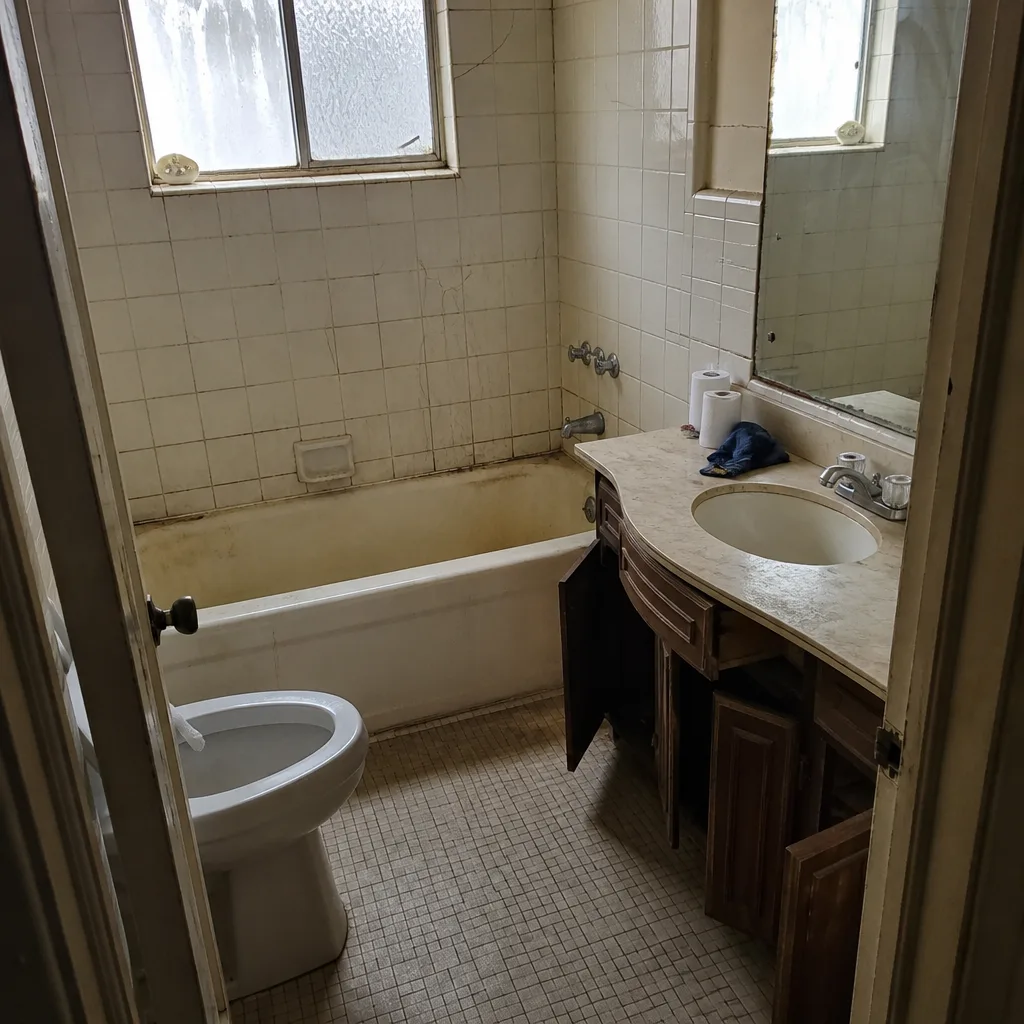 Before
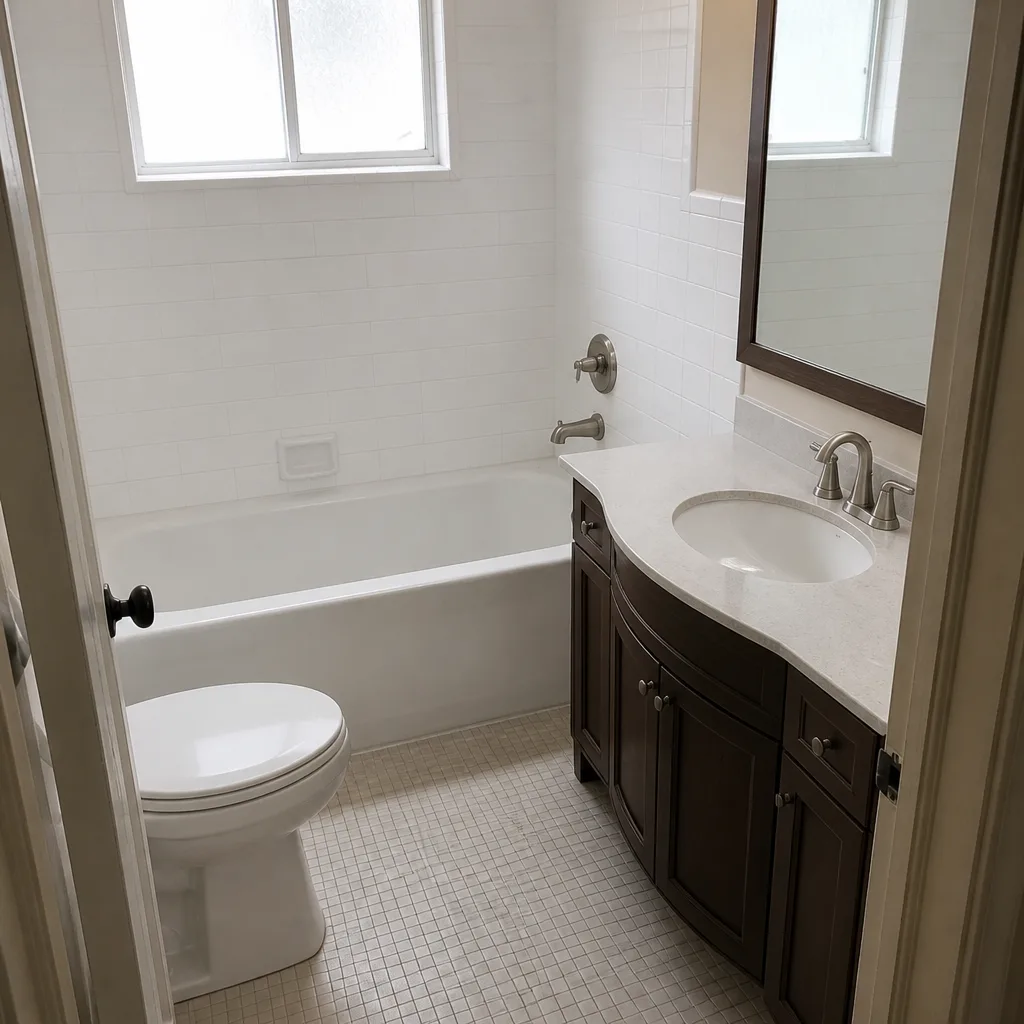 After
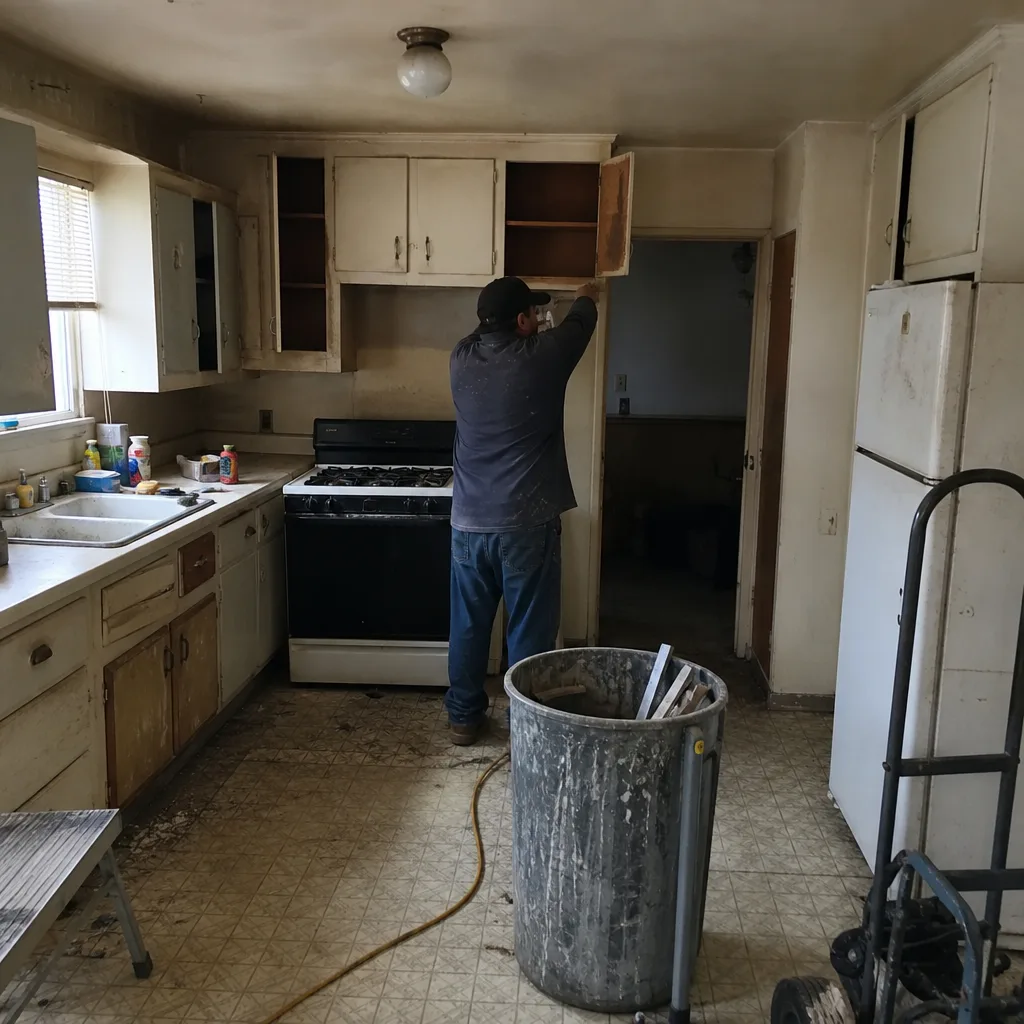 Before
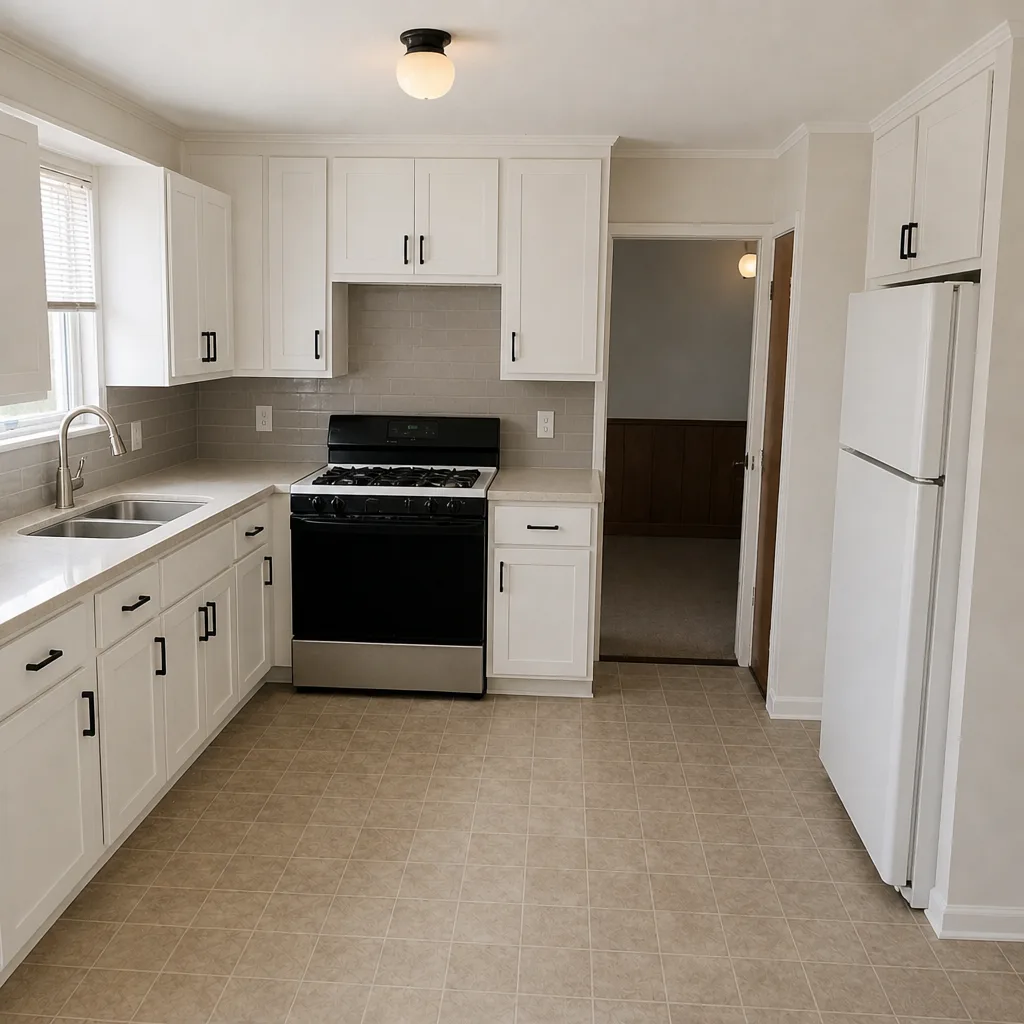 After
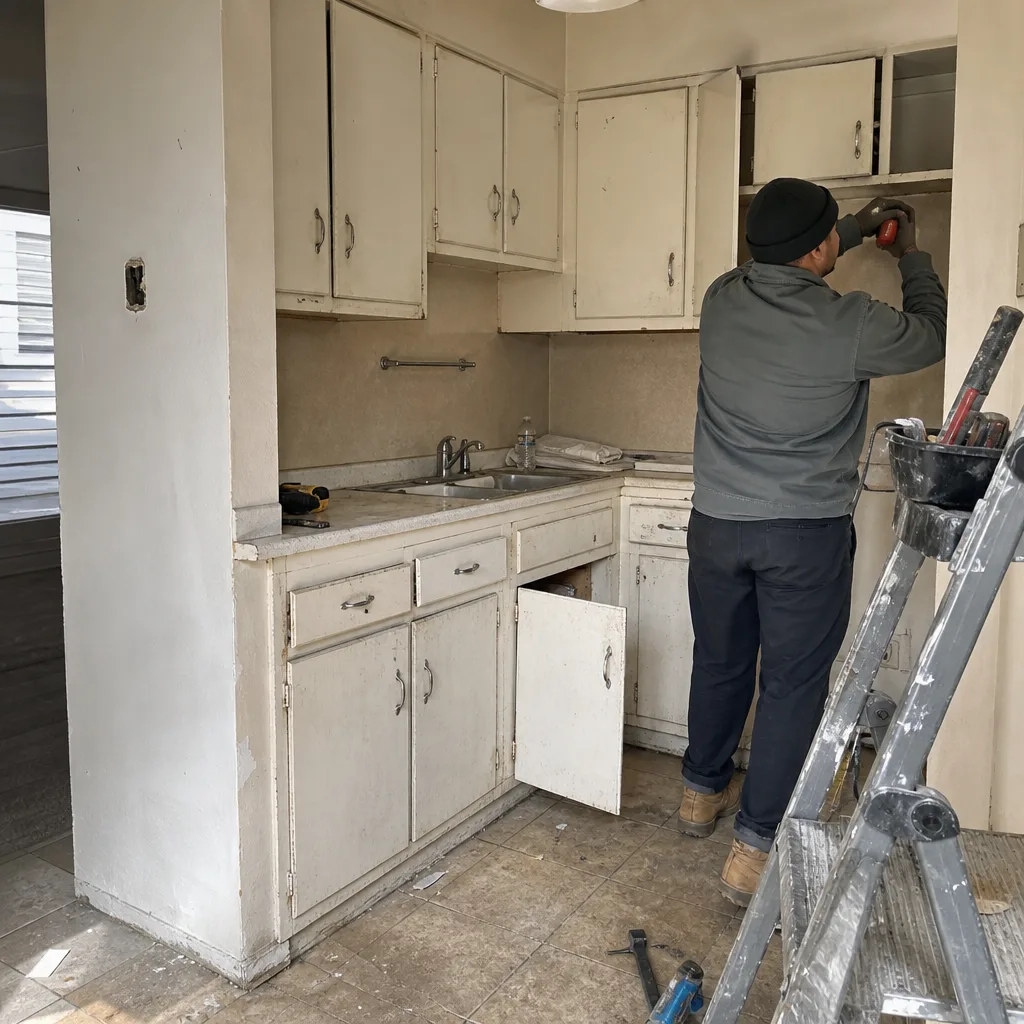 Before
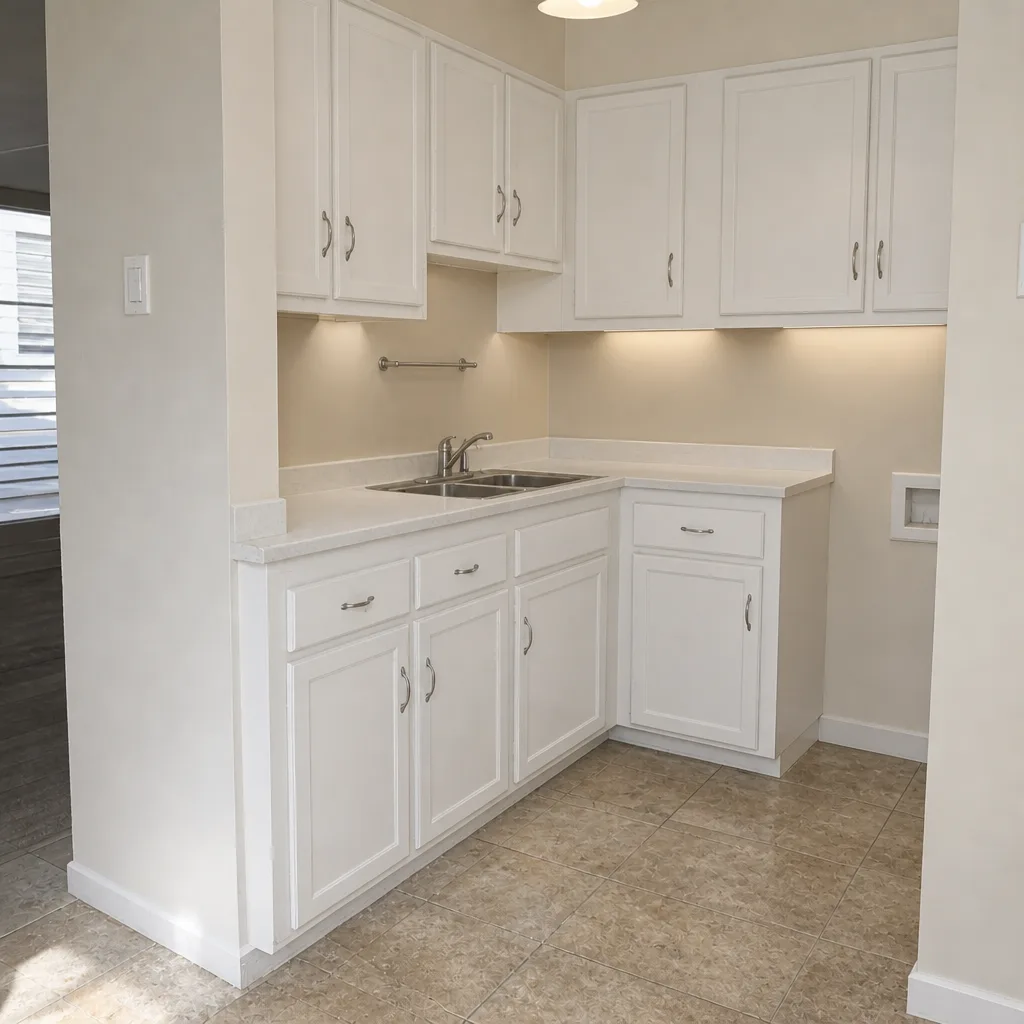 After
When to Call a Professional
Call a licensed contractor the moment your project crosses the permit line: a drain moved, a supply line extended, a fan added, a wall touched, or a GFCI added. Call when your house has galvanized supply lines or cast iron drains and you don’t know their condition, because opening a wall to swap a valve can reveal a pipe that’s ready to fail. Call when you’re planning a full remodel rather than a cosmetic refresh. And call when the cost math on pulling your own homeowner permit doesn’t survive a truthful estimate of your inspection record.
Bradford Remodeling Co East Los Angeles offers free estimates in East Los Angeles. Call (833) 520-6636 and you’ll get a written price before any work starts, a background-checked crew on the day of the job, and the 365-Day Done Right Promise in writing. No numbers that move at the door.
Frequently Asked Questions
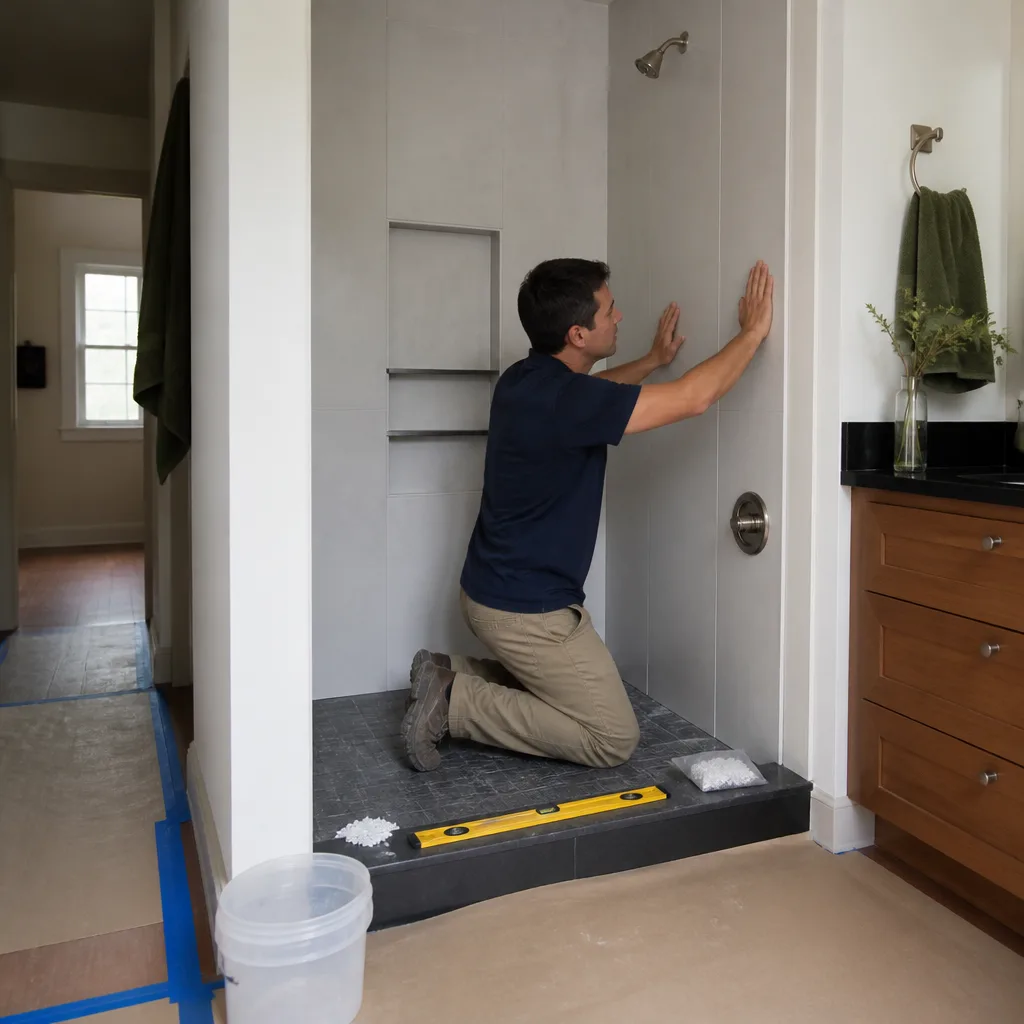
You can do cosmetic and like-for-like work without a permit: painting, hardware swaps, toilet seats, mirrors, and accessory installation. Any drain relocation, supply line extension, ventilation change, electrical work, or structural change requires a permit pulled through your local building department, and the work typically needs to be inspected.
Yes. Unpermitted work creates a title encumbrance because the county record doesn’t match what’s built, and it usually surfaces during the buyer’s inspection and title search. Buyers in East Los Angeles often request repair credits or walk, and the negotiation changes once the discrepancy is visible.
It may not. If the adjuster traces the loss to unpermitted plumbing work, the carrier has grounds to deny the claim under a known code violation or faulty workmanship exclusion. The permit and inspection are your documentation that the work met code, which is why we recommend them even for small plumbing changes.
It depends on whether you pass inspection on the first try. Owner-builder permit fees in East Los Angeles typically run $150 to $350, but a failed inspection adds re-inspection fees of roughly $75 to $200 per visit plus days of waiting. Two failed inspections often cost more than the licensed plumber’s labor would have. Call (833) 520-6636 for a written quote, free of charge, before you decide.
Painting plus hardware replacement. A quality moisture-rated paint job runs $40 to $90 per gallon, and $60 to $150 in cabinet pulls and towel bars transforms a room. Both stay on the legal side and both move buyer perception, which is a lot of return for a weekend’s work.
Only if you’re certified in soldering copper or experienced with the specific valve type. A shower valve body sits inside the wall, and a failed joint leaks for months before you notice mold. We don’t recommend this as a DIY project, and it’s a permit job regardless. Call us for a quote on a licensed install.
The Bottom Line
The right question isn’t whether you’re capable of doing the work. It’s whether the work crosses a line that follows the property. In East Los Angeles, cosmetic work and like-for-like fixture swaps are yours to do, and they save real money. Anything that moves a drain, extends a supply line, adds ventilation, or touches the panel is a permit project, and the insurance exposure on unpermitted work is bigger than the permit fee by orders of magnitude. The five safe projects pay off in a weekend. The five dangerous ones pay off in a claim denial or a renegotiated sale. When in doubt, get the written number before you decide.
We’re Bradford Remodeling Co East Los Angeles, part of the Garrison Partners family and held to The Garrison Standard. We give you the written price before any work starts, a documented brand roster behind every install, and the 365-Day Done Right Promise on every project we complete. For more on how we run a job, see our Bradford Remodeling Co East Los Angeles home page. When you’re ready to price the work, call (833) 520-6636 for your free estimate. A live person picks up, 24/7.
Written by the team at Bradford Remodeling Co East Los Angeles.