Last updated November 17, 2026




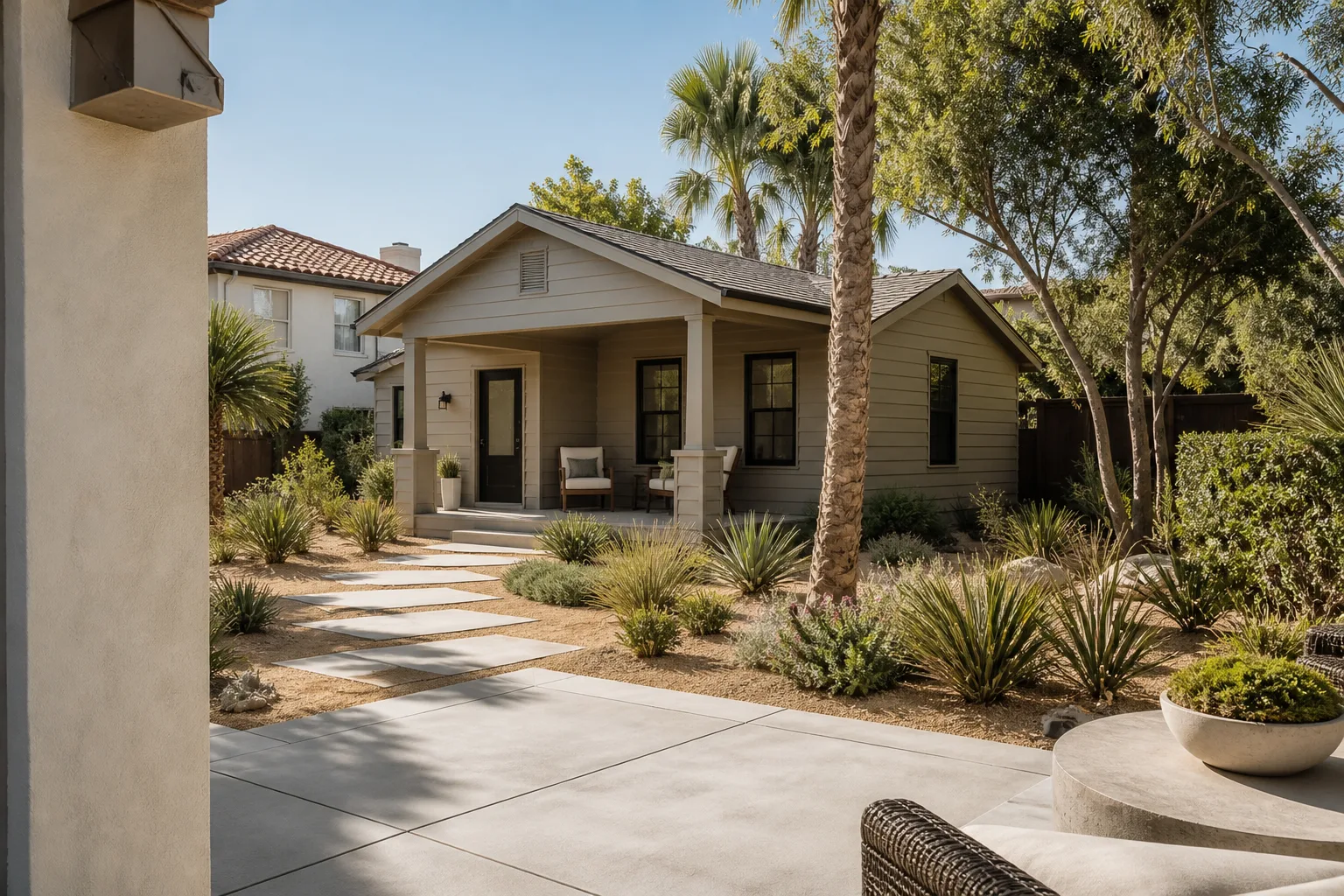

Free written scope consultation - allowances, timeline, and change-order rules on paper before a single trade is scheduled
Choosing the Right Construction Brand: A Buyer’s Guide for East Los Angeles
California’s Contractors State License Board logs tens of thousands of consumer complaints against contractors every year, and the majority of those disputes don’t start with bad craftsmanship. They start with a conversation. Scope that was “understood,” a price that “didn’t include” the rough-in, a guarantee that “covered” less than the homeowner was told. By the time a homeowner in East Los Angeles realizes the deal was never written down, the leverage is gone and the money is spent. This guide is about the one skill that actually protects you: reading a contractor’s documentation before you sign anything. You’ll learn the five documents every legitimate contractor produces, how to score a bid on paper quality rather than price alone, and the fifteen-minute background check that separates professionals from pretenders.
Quick Answer
Choosing a remodeling contractor in East Los Angeles comes down to documentation, not branding. The right contractor hands you a written contract, a line-item scope of work, a payment schedule tied to milestones, a documented lien waiver process, and written warranty terms before collecting a single dollar. Compare bids on what’s written versus what’s verbal, verify the license and complaint history with the CSLB, and treat any handshake agreement as a deal-breaker.
Styles & brands we work with
- Kitchen remodeling
- Bathroom remodeling
- Home additions & ADU
- Roofing
- Windows & doors
- Driveway & pavers
- Fence
Table of Contents
- Why Documentation Beats Branding
- The Five Documents a Legitimate Contractor Produces
- How to Score Bids on Paper, Not Price
- What a Written Guarantee Must Contain to Be Enforceable
- The 15-Minute Background Check
- Marketing Red Flags That Signal Documentation Risk
- Brands, Materials, and Traceable Specifications
- Common Mistakes to Avoid
Why Documentation Beats Branding
A logo tells you nothing about whether a contractor will show up on Tuesday. A five-star rating on a lead-generation site tells you even less. In East Los Angeles, where a huge share of remodeling work runs through word-of-mouth referrals and driveway handshakes, the buyer who gets burned is rarely the one who chose the “wrong brand.” The buyer who gets burned is the one who never asked for paper.
Here’s the pattern we’ve watched play out more times than we’d like. A homeowner gets three bids. Two are verbal and one is a single paragraph on an invoice pad. The verbal bids look lower because nothing in a verbal bid has to be true. The contractor who actually writes a scope, prices it line by line, and attaches warranty terms looks expensive by comparison, because the price includes the cost of doing the work properly. That gap is where the trouble lives.
Documentation is the only part of a remodeling deal that survives a bad week. Materials get delayed. A wall turns out to be plaster over lath instead of drywall. A sub trades a crew. What protects the homeowner in every one of those scenarios is a written scope that says who pays for surprises and who doesn’t. That’s the whole reason Bradford Remodeling operates on The Garrison Standard, which requires every price and every guarantee term in writing before a tool comes out. It’s not a marketing flourish. It’s the only way a homeowner can compare anything.
So the question you should ask isn’t “which brand is best?” It’s “which contractor hands me the most complete set of documents?” This guide teaches you to read that set.
The Five Documents a Legitimate Contractor Produces
Before any contractor starts work in East Los Angeles, you should hold five distinct documents. Some companies staple them together; others keep them separate. Either way, all five should exist and all five should be in your hands, not just in the contractor’s truck.
- The written contract. A signed agreement that names both parties, the project address, the total contract price, and the payment terms. In California, a home improvement contract over $500 must be in writing, and it must include the salesperson’s information, a description of work, the payment schedule, the start and completion dates, and a notice of the buyer’s right to cancel. If what you’re handed doesn’t check those boxes, it isn’t a contract. It’s a letter of intent with a price on it.
- The line-item scope of work. This is where most bids fall apart. A real scope lists what’s being torn out, what’s being installed, what brand and model, and what’s excluded. “Install new flooring” is not a scope. “Remove existing ceramic tile in the kitchen, install substrate, install 240 square feet of specified tile, reuse base where intact” is a scope. Ask for the exclusions in writing too. Every fair contractor has an exclusion list, and the ones who hide theirs are the ones who spring it on you later.
- The payment schedule. A schedule that front-loads a large deposit before any work happens is the single most common reason homeowners in East Los Angeles lose money. A written schedule should tie payments to completed milestones: demolition done, rough-in inspected, cabinets delivered, final walkthrough signed. California caps home improvement deposits at $1,000 or 10% of the contract price, whichever is less, unless the contractor can demonstrate higher material costs. If the schedule doesn’t match that rule, stop.
- The lien waiver process. This is the document almost no homeowner asks about and almost no bad contractor volunteers. A preliminary notice and conditional waivers on payments protect you from a subcontractor or material supplier placing a mechanics lien on your house because the general contractor didn’t pay them. Ask how the contractor handles progress payments to subs and suppliers. If the answer is “that’s our problem,” get it in writing anyway.
- The warranty terms. A written warranty that spells out duration, what’s covered, what isn’t, and how a claim is filed. This is separate from any manufacturer warranty on materials. The labor warranty and the material warranty are two different promises from two different parties, and a good contractor explains both. Bradford Remodeling Co East Los Angeles home carries a written 365-Day Done Right Promise on completed work: if the work fails inside that year, we return and correct it at no charge. That’s the labor side. The manufacturer handles the product side, which is why documented brands matter, and we’ll get to that.
Hold all five documents, read them all, and compare them between bids. The contractor whose paperwork is thinner isn’t saving you money. They’re saving you risk and taking it onto their own books, and if they can’t afford the paperwork, they can’t afford the return visit.
How to Score Bids on Paper, Not Price
You can rank three East Los Angeles bids in about ten minutes once you stop staring at the totals and start scoring the documents. The scoring framework below is the one we’d use if we were remodeling our own homes and had to choose between contractors.
Give each bid up to 20 points across five categories, 4 points each.
- Scope completeness (4 points). Brand names, model numbers, quantities, and an explicit exclusions list. Lose points for “miscellaneous” line items and for anything labeled “TBD.”
- Price structure (4 points). Everything is line-item priced with a total that matches. Lose points for lump-sum bids with no breakdown and for any language about price adjustments “as needed.”
- Payment security (4 points). Milestone-tied schedule, deposit that complies with California limits, and a clear process for what happens if a milestone isn’t met.
- Warranty clarity (4 points). Explicit duration, clear definition of what triggers a return visit, a response time commitment, and stated exclusions. Lose all four points for “we stand behind our work” with nothing attached.
- Verification (4 points). License number on the contract, proof of workers’ compensation, and a written confirmation you can look them up on the CSLB site before signing.
A bid that scores 18 to 20 is comparison-ready. A bid that scores under 12 is a quote, not a deal. When you put a low-scoring bid next to a high-scoring one, the price difference often shrinks to the size of the things the low bid left out, which is exactly the money you’d have paid for anyway, plus the stress of discovering it mid-project.
If you’d rather not run the framework alone, our team can walk you through how we price the specific project type, whether that’s a full general contractor in East Los Angeles scope or a single-room job. Bradford Remodeling gives every homeowner a written price before work begins, so you have a fair document to compare against.
What a Written Guarantee Must Contain to Be Enforceable
A guarantee is only as useful as its terms. “We stand behind our work” is a sentiment, not a warranty. To compare guarantees between East Los Angeles contractors and know what you own, look for four specified elements. If a guarantee is missing any of them, ask for the missing piece in writing before signing.
- Duration. A stated length of coverage, tied to a specific date (for example, one year from the date of substantial completion). Not “our lifetime warranty,” which usually means the company’s, not yours.
- What triggers a warranty call. The guarantee should define what constitutes a failure. A cabinet door that’s loose after 11 months is a failure. A dishwasher that stops working is a product failure covered by the manufacturer. A guarantee that lumps both together is either generous or vague, and you should know which one you’re getting.
- Response time commitment. A guarantee without a response window is a promise to get to it eventually. A real commitment states how quickly the contractor will come back, or at least acknowledge the call, after a warranty request.
- Exclusions. Every honest guarantee has exclusions. Normal wear, damage from a leak the homeowner ignored, alterations made by someone else after the project close. The exclusions shouldn’t be hidden in fine print, and they shouldn’t be so broad that nothing survives them.
The 365-Day Done Right Promise from Bradford Remodeling spells out all four. It’s a full-year written guarantee on every completed project, and if the work fails inside that window, we return and correct it free of charge. If you’re comparing written guarantees from three contractors on a project in Boyle Heights or El Sereno, this is the document to read closely. The strongest guarantee on the table usually belongs to the crew that’s least afraid of its own work.
The 15-Minute Background Check
You don’t need to be a contractor to check out a contractor. You need a browser and about fifteen minutes. Run these three steps before you sign anything, on every bidder, including the one you’re leaning toward.
- Look up the CSLB license. Go to the CSLB website and search the contractor’s license number. Confirm it’s active, in the correct classification for the work (B for general building, C-39 for roofing, and so on), and that the business name and address match what’s on your contract. A license that’s expired, suspended, or classified for a different trade is a hard stop.
- Check the complaint history. The same CSLB lookup shows whether complaints have been filed against the license and how they were resolved. One old complaint that was closed isn’t a deal-breaker. A pattern of unresolved complaints is. Read the detail, not just the count.
- Confirm workers’ compensation coverage. Ask the contractor for a certificate of workers’ compensation insurance and verify it’s current. A homeowner who hires a contractor with no workers’ comp coverage can, in some circumstances, be exposed to liability if a worker is injured on the property. This is one of the most commonly overlooked steps in East Los Angeles, where smaller operations frequently work hard and short-handed.
Fifteen minutes is all three steps take, and it’s the highest ratio of risk-reduction to effort in the entire remodeling process. Add a fourth check if the project is large: verify general liability insurance by asking for a certificate of insurance and a phone number for the agent, not a scan of a document photographed at an angle.
Marketing Red Flags That Signal Documentation Risk
There are phrases that a disciplined contractor never uses, because they’re incompatible with a written, fixed-price operation. When you hear them, they’re not just a style choice. They signal that the paperwork you’re about to get will be thin.
- “We’ll work it out as we go.” Translation: there is no scope. You’ll be negotiating price changes from a position of weakness while your kitchen is torn open.
- “We’ll handle the permits ourselves.” A contractor who doesn’t pull permits isn’t saving you paperwork, they’re shifting liability onto your house. Ask to see the permit before demolition starts.
- “That deposit just holds your spot.” Legitimate contractors don’t need a big deposit to reserve dates. They need a signed contract and a milestone schedule.
- “Change orders are no big deal.” A change order is a written amendment signed by both parties. A verbal change order is a bill you’ll get later with no agreed price. Insist on paper for every change, no matter how small.
- “We just text, we’re flexible.” Flexibility is fine for scheduling a callback. It’s not fine for the contract, the scope, the payment schedule, or the warranty. Every one of those needs a signature.
- “Our guys have been doing this for years.” Years of experience is a good thing, but “years of experience” isn’t a document. The phrase should be paired with a written scope and a licensed crew, not used as a substitute for one.
The pattern in every red flag is the same. The contractor is asking you to trust a person instead of a document. You might get lucky with that arrangement. You just won’t be able to enforce it.
Brands, Materials, and Traceable Specifications
One of the most useful sections of a written scope is the brand specification. When a contractor writes “cabinet: KraftMaid® mid-range shaker, model 4296, maple, fawn finish,” you can look up the product, compare pricing, and know what you’re paying for. When the scope says “cabinets, selected by owner,” you can’t do anything with it. Brand specification is what turns a bid into a comparable document, and it’s why the material roster matters more than the marketing around it.
Bradford Remodeling specs premium, documented products across the projects we build in East Los Angeles. That includes KraftMaid and Wellborn cabinetry, Cambria, Silestone, and Caesarstone surfaces, Kohler and Moen fixtures, GAF, CertainTeed, and Owens Corning roofing products, James Hardie siding, Therma-Tru doors, and Belgard and Unilock hardscaping, with Techo-Bloc and Cambridge Pavers in our paving options. Every one of those manufacturers publishes specifications and backs their products with a written warranty. When a product fails, you want a named manufacturer to call, not a contractor’s memory of which supplier they used four years ago.
Look for three things in any bid’s brand spec. First, brand name and model. Second, model-specific manufacturer warranty. Third, whether the spec matches what’s actually installed. A written scope with brands in it is a promise you can hold a contractor to. A verbal scope with vague brands is a guess.
How do you compare a bathroom or kitchen remodel bid in East Los Angeles?

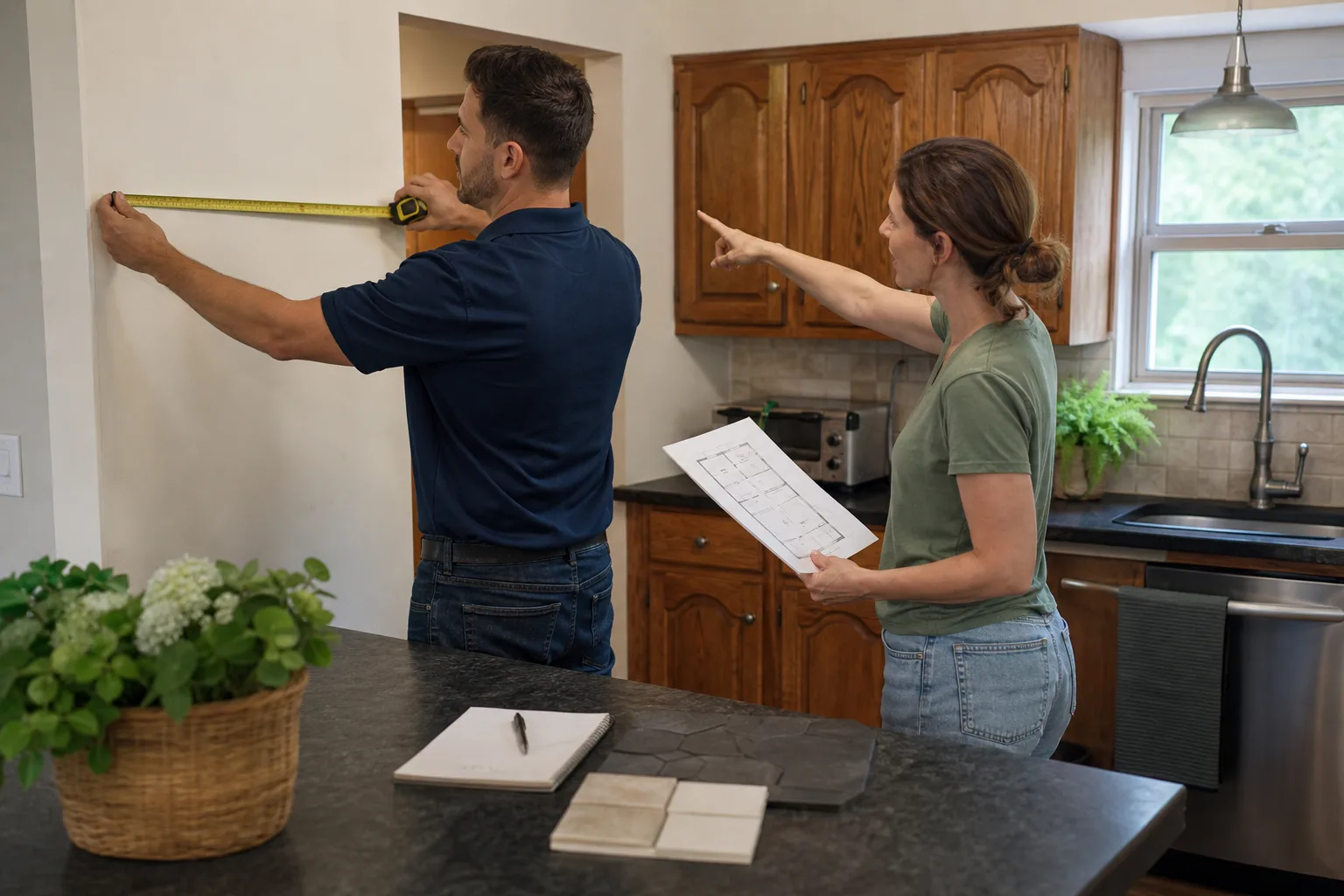
You compare room-remodeling bids the same way you compare any construction bid: by the documentation. But kitchens and baths have a few specific pressure points worth checking before signing. Ask for the rough-in scope in writing (electrical, plumbing, gas), the allowance lines and what happens if a selection comes in above the allowance, the cabinet and fixture brand specs by model, and the warranty terms covering installation labor versus product.
In East Los Angeles, older homes in Lincoln Heights and City Terrace frequently carry cast iron plumbing and cloth-wrapped wiring that won’t meet current code, so the rough-in line is usually where budget surprises live. If a bid doesn’t price the rough-in or show it as a clearly defined allowance, the surprise is on you. For kitchen specifics, see our kitchen remodeling in East Los Angeles page; for bath scope and waterproofing details, the bathroom side is covered on our bathroom remodeling in East Los Angeles page.
Common Mistakes to Avoid
- Choosing the lowest bid without scoring the documents. A verbal bid is not a price. It’s a number in a parking lot. Score all bids on the same framework and the true cheapest option often changes.
- Paying a large deposit before the contract is signed. California limits deposits to $1,000 or 10% of the contract price, whichever is less, unless higher material costs are demonstrated. A “reservation deposit” above that limit is a red flag, not a convenience.
- Accepting a handshake change order. Verbal changes happen mid-project, and the ones you agreed to verbally are the ones you’ll pay the most for. Insist on a signed amendment, even for a $200 adjustment.
- Skipping the permit because the contractor says it’ll “slow things down.” Unpermitted work in East Los Angeles can complicate a future sale, an insurance claim, and your own ability to correct the work later. The permit is your leverage, not your delay.
- Assuming a warranty is standard. A written 365-Day Done Right Promise with a clear response commitment is not something every bid will include. Compare guarantees on their terms, not on their existence.
- Not verifying workers’ compensation. A crew without coverage working on your property is a risk you didn’t’ agree to. Request the certificate and confirm it with the agent.
- Letting the brand list replace the scope. A beautiful brand shortlist in a marketing brochure means nothing if the contract that follows doesn’t name those brands by model. Push the brand spec into the signed document.
See the difference
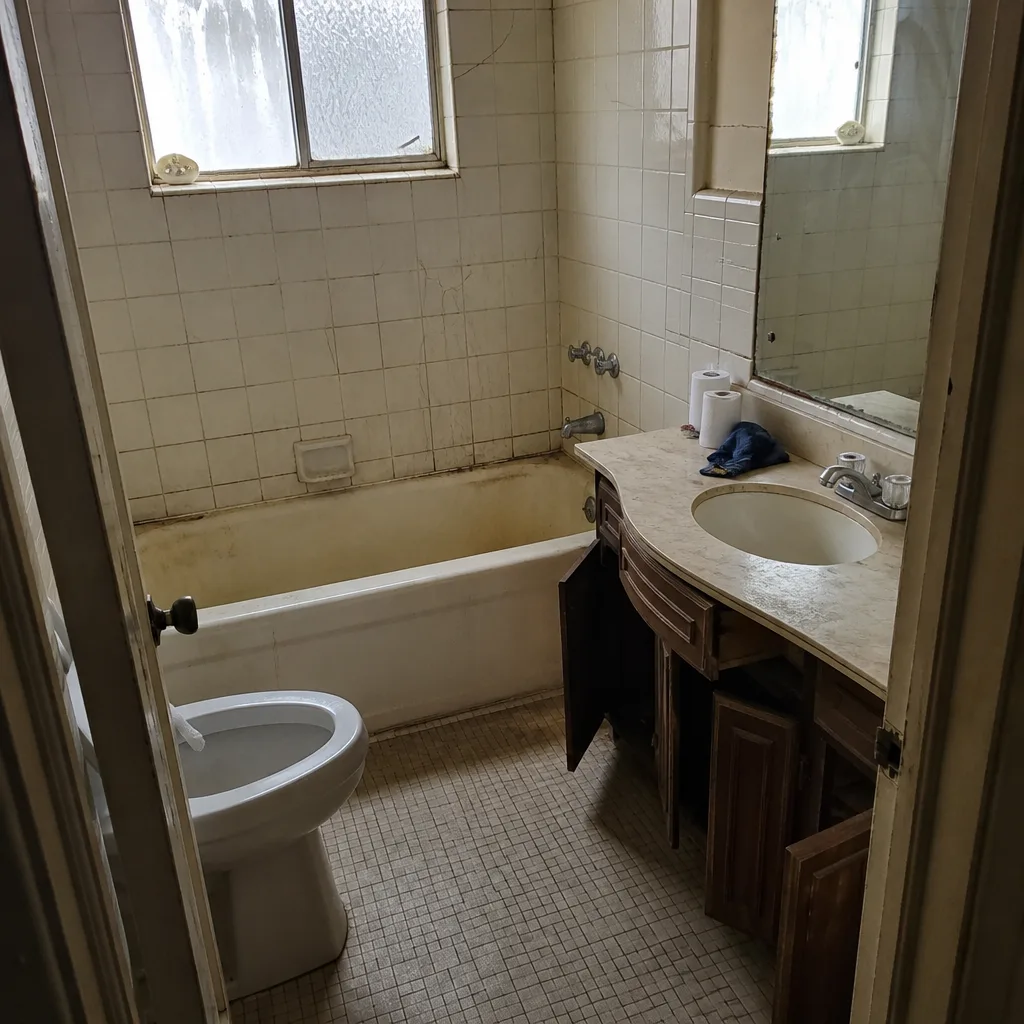 Before
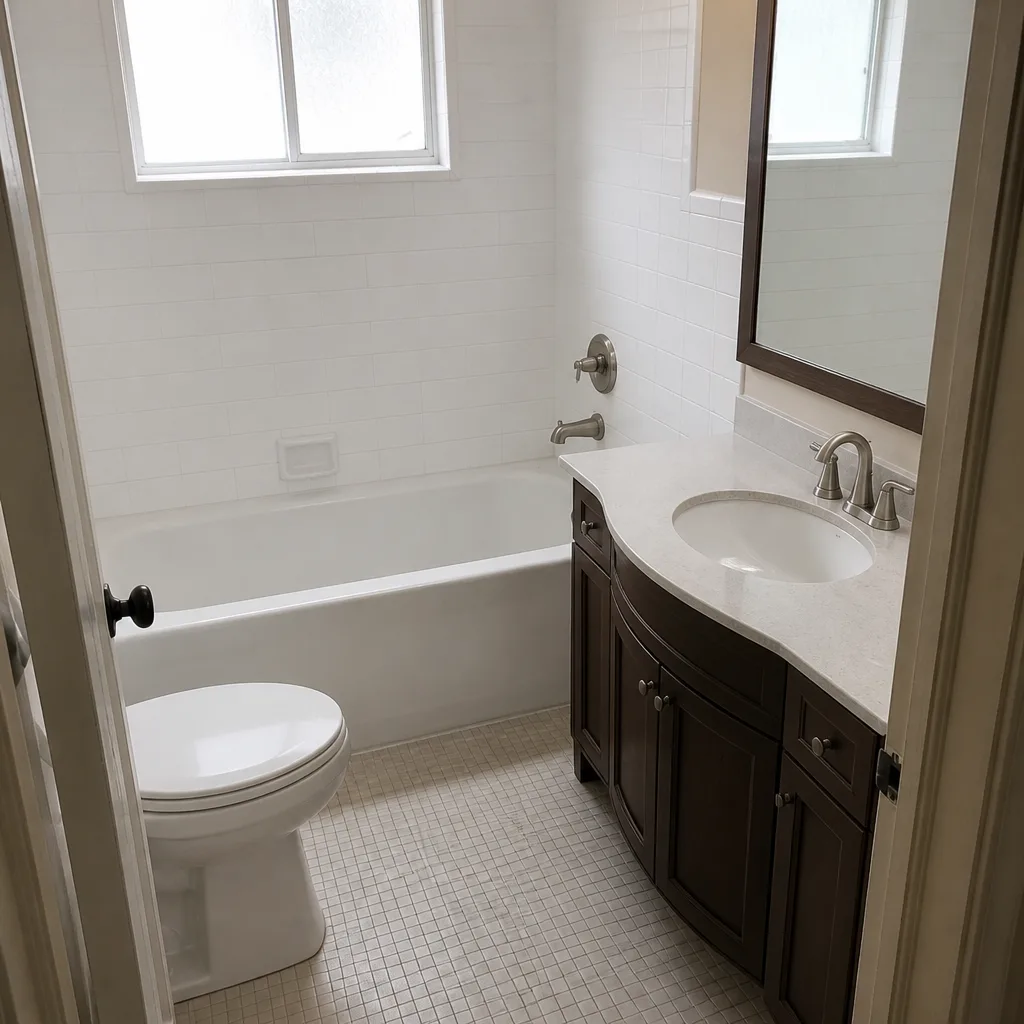 After
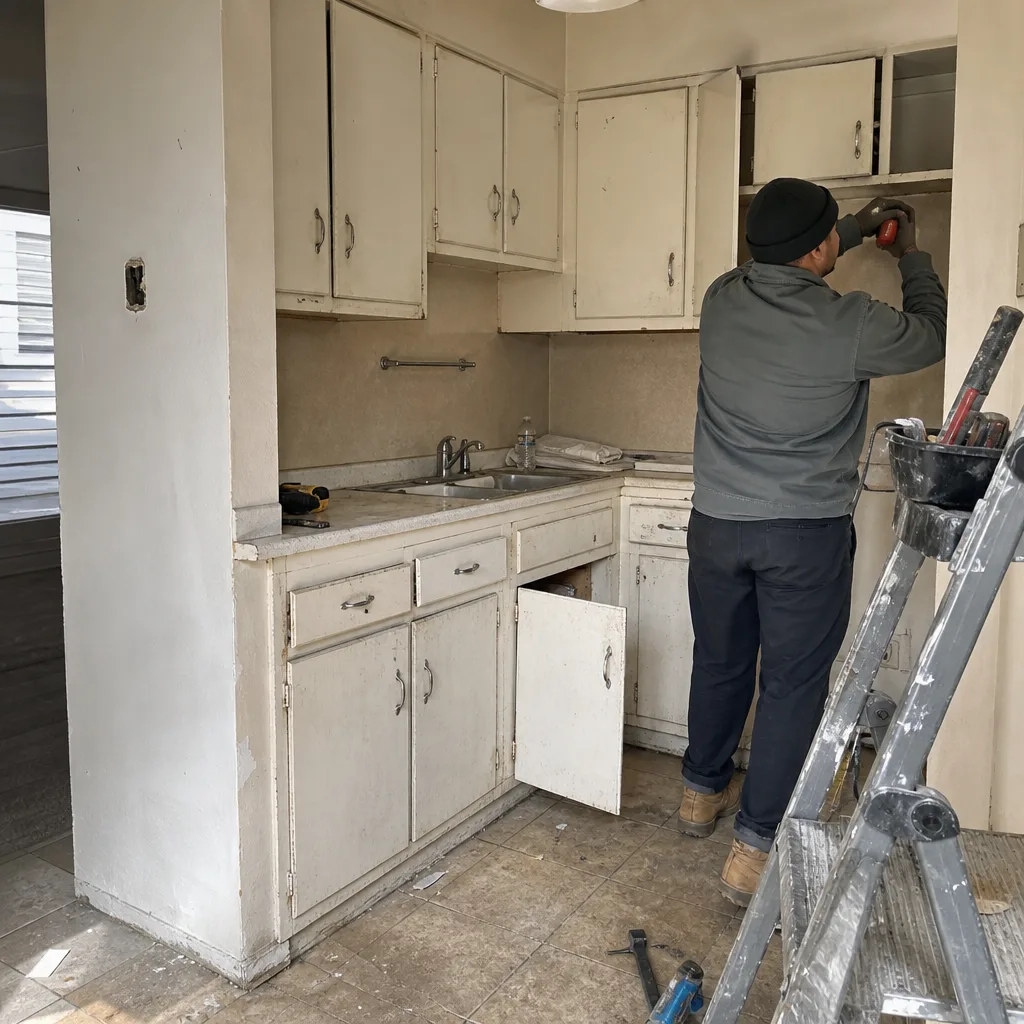
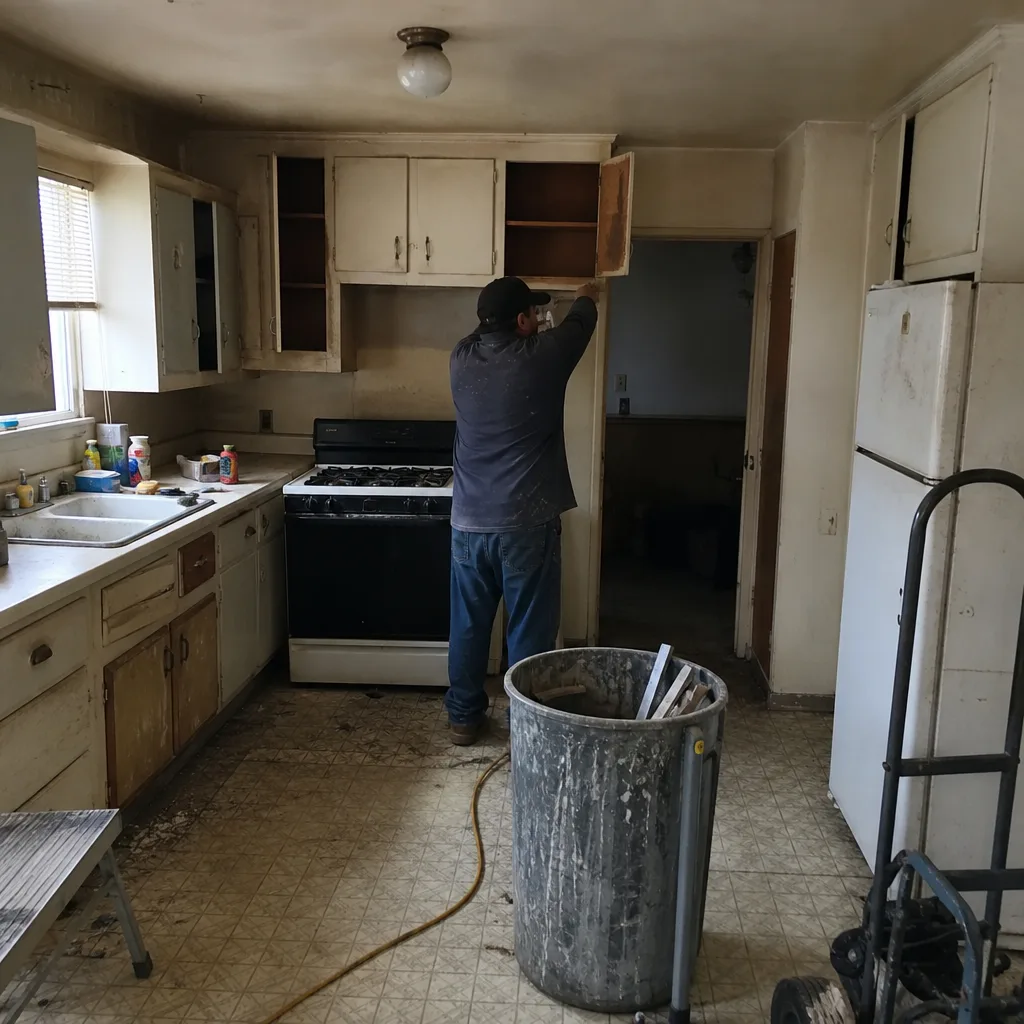 Before
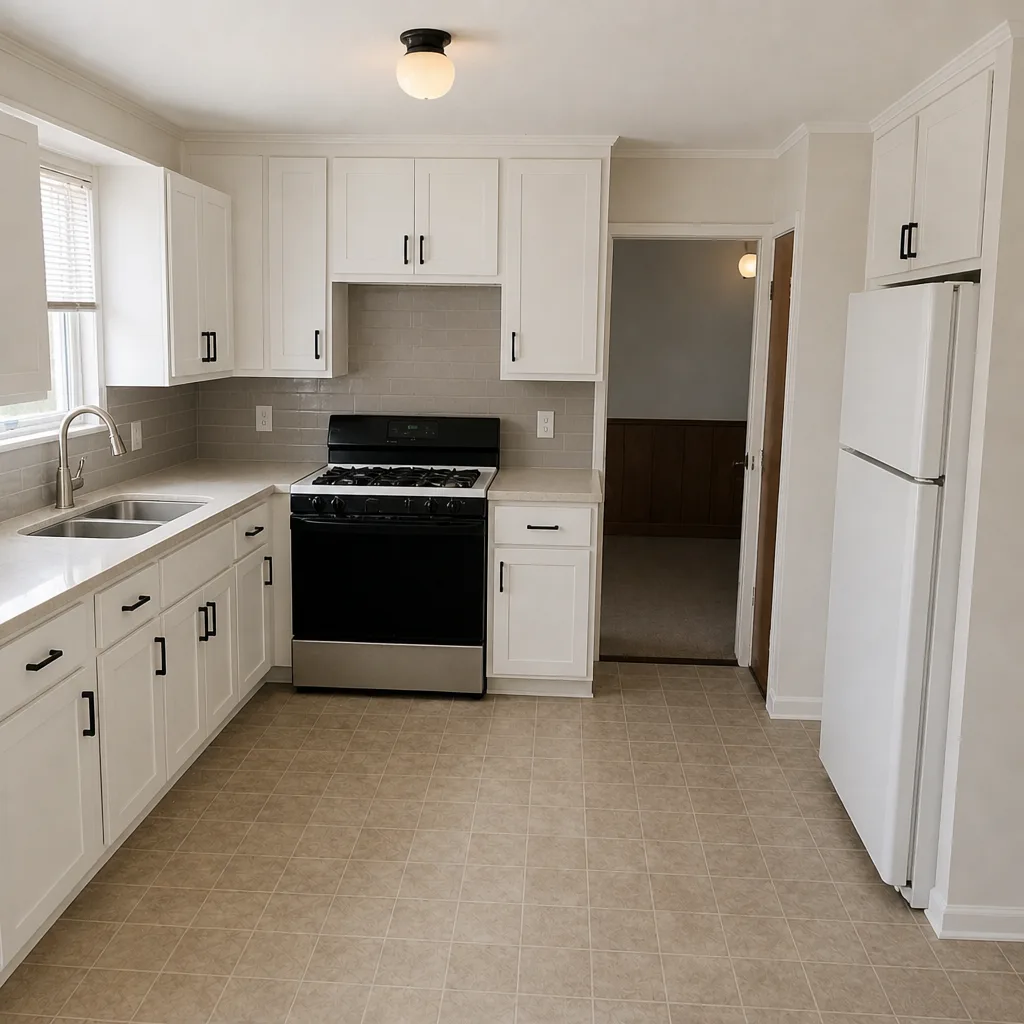 After
 Before
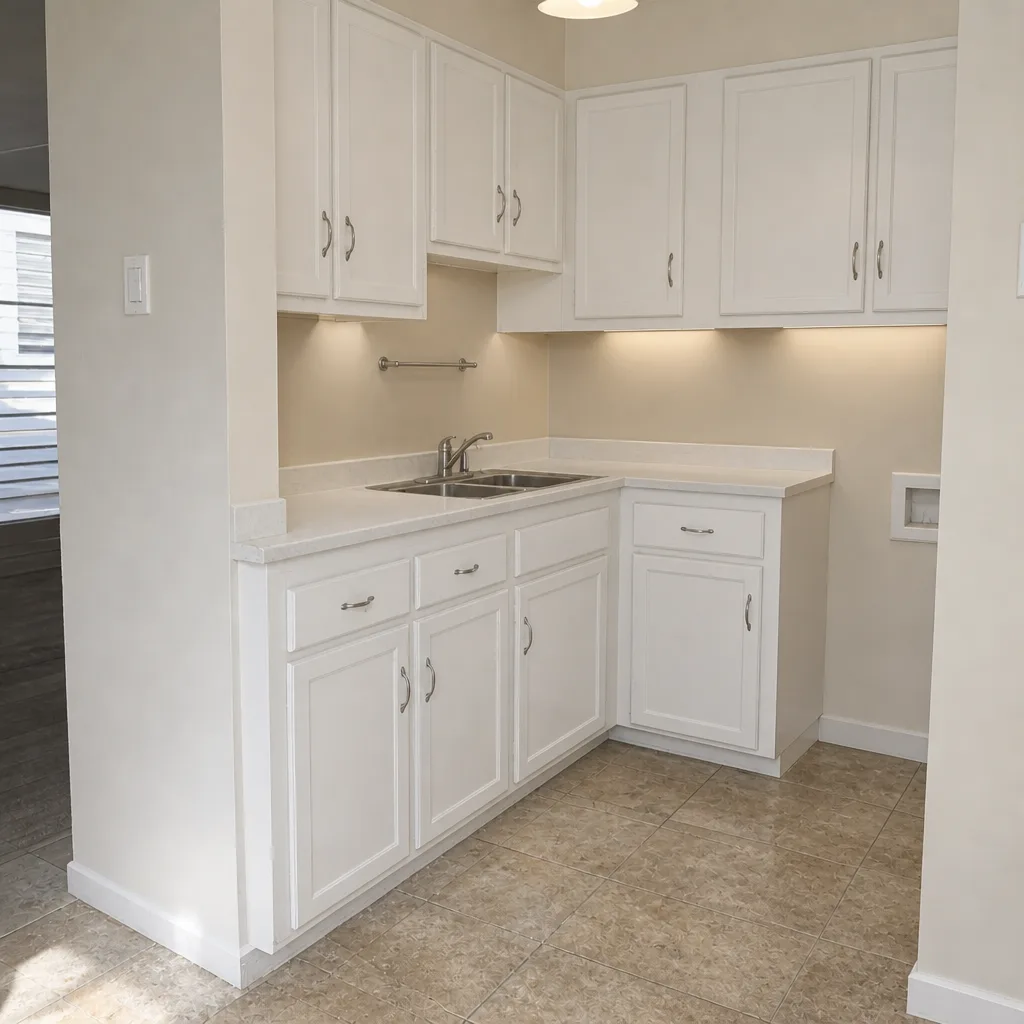 After
When to Call a Professional
Some jobs are within the reach of a disciplined homeowner with a good weekend and a low tolerance for risk. Painting a spare bedroom is one. Swapping a light fixture on a circuit you’ve verified is off is another. But a fair number of jobs in East Los Angeles should never be handled by anyone but a professional, and that list includes anything touching the electrical panel, gas lines, plumbing rough-in, walls you didn’t build, load-bearing changes, roof work, or a permit that needs pulling. If the work requires a permit, it requires a licensed contractor, full stop. If you’ve got a bid you can’t read, a scope you can’t interpret, or three quotes that don’t compare, that’s the moment to get a professional opinion, not later.
Bradford Remodeling Co East Los Angeles offers free estimates in East Los Angeles – call (833) 520-6636 to schedule one. You’ll get a written price before any work starts and a crew of background-checked, uniformed technicians on the job, with a live person answering the phone any hour of any day.
Frequently Asked Questions
Search the license number on the CSLB website and confirm the license is active, that the classification matches the work (B for general building), and that the business name and address match your contract. The same lookup shows complaint history. It takes a few minutes and it’s the single best check you can run before signing.
You should receive a written contract, a line-item scope of work, a payment schedule tied to milestones, proof of the lien waiver process, and written warranty terms. Ask for all five before you sign anything. If any of the five is missing, you don’t have a comparable bid, and it’s worth asking the contractor to produce the missing document.
No. A verbal estimate is a number without a scope, which means it isn’t enforceable and can’t be compared, which is exactly the scenario that produces most of California’s contractor complaints. Insist on a written, line-item price before any money changes hands. Call (833) 520-6636 for a free written estimate from our team.
A written warranty should state the duration, define what triggers a return visit, commit to a response time, and list exclusions. Anything short of those four elements is a sentiment, not a warranty. Bradford Remodeling’s 365-Day Done Right Promise is a full-year written guarantee on completed work; if it fails in that window, we return and correct it at no charge.
Score each bid on five categories with up to four points each: scope completeness, price structure, payment security, warranty clarity, and verification. A bid scoring under 12 out of 20 is a quote, not a contract-ready document. Compare the bids side by side with the scoring sheet in hand, not with a calculator.
There’s no honest single number, because cost depends on scope, materials, and the condition of the home. What you should insist on is a written, line-item price before work starts and a fixed total that doesn’t move at the door. Call (833) 520-6636 to schedule your free estimate and get a written price you can actually compare.
The Bottom Line
Choosing a remodeler in East Los Angeles isn’t a brand decision, it’s a documentation decision. The contractor who hands you a written contract, a line-item scope, a milestone-tied payment schedule, a documented lien waiver process, and a four-part written warranty is the one who protects you, every time. Compare bids on paper quality with a five-category scoring framework, run the fifteen-minute CSLB and workers’ comp check, insist on signed change orders, and treat handshake promises as a red flag. Do those things and the rest of the project tends to go right. Our team at Bradford Remodeling builds on The Garrison Standard: every price and every guarantee term in writing before a single tool comes out. Call (833) 520-6636 for a free estimate.
Written by the team at Bradford Remodeling Co East Los Angeles.