Last updated November 17, 2026



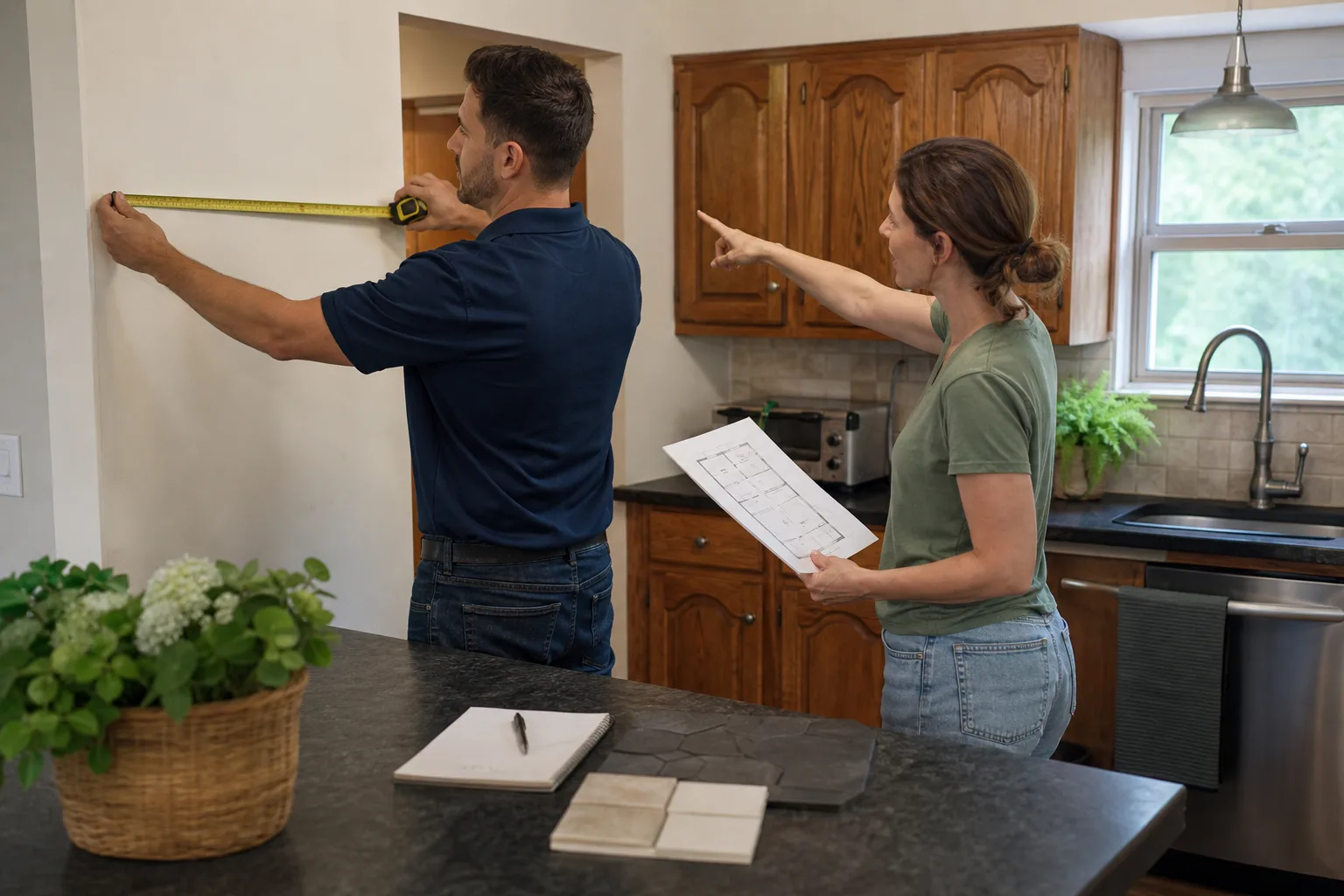
Free written scope consultation - allowances, timeline, and change-order rules on paper before a single trade is scheduled
Kitchen Remodeling Troubleshooting: Common Problems and How to Fix Them
An exhaust fan that vents into the attic instead of through the roof is not a small shortcut. It dumps warm, grease-laden, moisture-heavy air into a dark space where nobody looks, and in a climate like East Los Angeles – hot dry summers, cool damp winters – that trapped moisture condenses on roof sheathing and feeds mold for years before anyone smells it. It also fails inspection every time. Most kitchen problems we get called to diagnose fall into three buckets: design choices that looked fine on paper but don’t work in daily use, rough-in work that was signed off but installed wrong, and finish work that failed inside the first year. This guide walks through each, tells you how to tell a defect from wear, and explains what recourse you actually have.
Quick Answer
Most kitchen remodeling problems come from three sources: design decisions that ignore how the room is actually used, rough-in work (plumbing, electrical, and ventilation roughed into the walls before finishes go on) that was installed incorrectly but passed a visual check, and finish work that failed within twelve months. Fixes range from a service call for a loose cabinet hinge to opening a wall to correct an undersized vent or a missed GFCI circuit. The right first step is always documentation – photos, written notice, and a clear read on whether the failure is a defect or maintenance.
Styles & brands we work with
- Kitchen remodeling
- Bathroom remodeling
- Home additions & ADU
- Roofing
- Windows & doors
- Driveway & pavers
- Fence
Table of Contents
- Rough-In Failures That Pass a Visual Check
- Vent Hood and Exhaust Problems
- Electrical and GFCI Issues on Island Circuits
- Finish Failures vs. Maintenance Failures in Year One
- Appliance Installation Errors Contractors Cause
- How to Document a Defect for a Warranty Claim
- When a Fix Requires a Permit
- Common Mistakes to Avoid
Rough-In Failures That Pass a Visual Check
The rough-in phase is where a kitchen is won or lost. This is the plumbing, electrical, and ventilation work installed inside the walls before drywall and cabinets go up. A rough-in can look perfectly fine to a homeowner walking through and still fail under daily use in six months. In our experience across East Los Angeles remodels, four failures account for most of the trouble we’re asked to correct.
- Undersized vent hoods. A 30-inch range needs roughly 250 to 350 CFM of exhaust. Installers who size on cabinet width alone leave a hood that can’t clear smoke or grease. The first sign is a greasy film on the upper cabinets within a month.
- Island circuits without GFCI. Any kitchen counter receptacle, including an island, needs ground-fault circuit interrupter protection under the California Electrical Code. An island receptacle wired without it passes a plug-in test and fails a code inspection.
- Drain slope errors. A sink or dishwasher drain that runs slightly uphill, or with too steep a drop, traps water and clogs. Signs show up as slow drains and standing water in the base cabinet.
- Cabinet-line conflicts. Electrical boxes and plumbing stub-outs placed before cabinet layout was finalized end up buried behind a cabinet or a drawer that won’t close. Fixing this after finishes is a wall-opening job.
If you’re comparing bids and wondering how to tell a contractor who checks these details from one who doesn’t, see our General Contractor in East Los Angeles page for what a documented scope actually looks like. The short version: the rough-in should be drawn on the plan, not left to whoever shows up.
Vent Hood and Exhaust Problems
Vent hood problems are the most common rough-in failure we’re asked to correct, and the one with the worst downstream damage. The three versions we see:
- Venting into the attic or crawl space. This fails inspection in California and traps moisture and grease in the framing. Correction means running new duct through the roof or wall to exterior, patching the old opening, and inspecting for moisture damage.
- Venting through an undersized duct. A hood rated for 400 CFM on a 4-inch duct can’t move anywhere near that. The fan runs loud and does little. Correction usually means upsizing the duct or replacing the hood.
- A recirculating hood sold as ducted. Charcoal-filter hoods are meant for small kitchens or no-duct situations. If the spec called for ducted and you got recirculating, that’s a defect, not a preference.
Before you sign off on a hood install, ask for the CFM rating and the duct diameter in writing. If the number isn’t there, ask why. In East Los Angeles kitchens we remodel with KraftMaid or Wellborn cabinetry, we specify the hood first and build the cabinet run around it – not the other way around. The hood dictates the cabinet line and the duct path, and reversing that order is where these failures start.
Electrical and GFCI Issues on Island Circuits
An island receptacle that isn’t GFCI-protected is one of the most common code failures we see in East Los Angeles kitchens. It’s also one of the most expensive to correct after the fact, because the fix usually means opening the island cabinet or the floor above it. The tell is simple: plug in a small appliance and trip the test button on the receptacle. If it doesn’t trip, there’s no GFCI protection and it needs correcting.
Two other electrical problems show up often:
- Undersized island circuits. A single 15-amp circuit running the disposal, a microwave, and an under-counter appliance will trip under load. Kitchen small-appliance circuits need dedicated 20-amp protection.
- Missing dedicated circuits for a new appliance. A wall oven, induction range, or warming drawer added during the remodel needs its own circuit. Tapping into a general circuit is a slow path to nuisance trips.
Electrical work behind a finished kitchen is not a DIY correction. Panel work and new circuits carry real risk of shock and fire, and California code requires a licensed electrician and a permit. We coordinate that through our Bradford Remodeling Co East Los Angeles home service scope, and every correction comes with a written price before anyone touches a wire.
Finish Failures vs. Maintenance Failures in Year One
Not every problem in the first year is a warranty claim. Some failures are install defects. Some are normal maintenance. Getting the difference right saves you an argument and gets the real defects fixed. Here’s the split we use.
- Tile cracking at grout lines: usually a defect. Cracks that follow grout lines indicate missing substrate proper movement joints or a lack of uncoupling membrane over a wood subfloor. Those are installation failures.
- Cabinet door drift: usually maintenance. Hinges settle. A two-minute adjustment is owner responsibility. A door that won’t close at all after a month because the hinge screws pulled out of undersized cabinet material is a defect.
- Countertop seam separation: usually a defect if it appears in the first year. Cambria and Caesarstone surfaces are engineered for a stable seam when installed to spec. A seam that opens means it wasn’t set right.
- Grout haze or discoloration: usually maintenance. Grout needs sealing and resealing. A soft, crumbly grout joint that fails in weeks is an installation error.
The rule of thumb: if the failure changes the way the kitchen functions, it’s almost always a defect. If it changes the way the kitchen looks and the fix is a cleaning product or a screwdriver, it’s maintenance. For a broader look at what a properly finished kitchen includes, our Kitchen Remodeling in East Los Angeles page lays out the finish package.
Appliance Installation Errors Contractors Cause
When an appliance fails in the first year, the manufacturer usually gets the blame. Often the appliance was fine and the install was wrong. Three errors cover most of it.
- Improper gas line sizing. A range on an undersized gas line lights but underperforms, and a badly sized or improperly connected line is a genuine safety issue. Gas work belongs to a licensed professional with a permit, full stop. We won’t touch a gas line without that.
- Inadequate clearances. A refrigerator boxed in too tight, or a range set with no clearance to a combustible side panel, overheats and shortens the appliance’s life. Manufacturer specs list minimum clearances – ask to see them on the plan.
- Missing anti-tip brackets. Range and oven brackets are required by code and by the manufacturer. A range without one will tip if you lean on the open door, which is a real injury risk, especially in homes with kids.
When a new appliance misbehaves, get the installation checked before you file a warranty claim with the manufacturer. A documented install review with photos usually resolves it faster than a service ticket through the manufacturer’s warranty line.
How to Document a Defect for a Warranty Claim
A warranty claim fails most often because the homeowner didn’t document the problem properly, not because the warranty was weak. Here’s the protocol we recommend, and it’s the same one we follow when a Bradford Remodeling Co East Los Angeles project comes back for a warranty visit.
- Photo protocol. Take a wide shot showing the room, a mid shot showing the problem in context, and a close-up with a tape measure or coin for scale. Include the date stamp. Three angles per defect, no exceptions.
- Written notice. Send the defect notice in writing – email is fine – with photos attached and a clear description of what failed and when it started. Verbal notice, in most cases, is not enough to start the clock.
- Reasonable time to cure. Under California law, a contractor is generally entitled to a reasonable time to cure a defect after written notice. What counts as reasonable depends on the scope – a hinge adjustment is days, a failed countertop seam is longer. Documenting the notice date protects your position if the cure slips.
- Track the response. Keep a log of every call, email, and site visit with dates. If the contractor never responds, that log is your evidence.
The 365-Day Done Right Promise is written specifically to make this simple: every completed Bradford Remodeling Co East Los Angeles project carries a full-year written guarantee. If the work fails inside that window, we return and correct it at no charge. No fine print argument.
When a Fix Requires a Permit
Here’s a rule that trips up a lot of homeowners: opening a wall to correct a rough-in mistake without pulling a permit creates a second, unpermitted condition. Now you have the original error plus work done outside the permit record, and if you sell the house, both come up in the inspection. Corrections that require a permit in East Los Angeles generally include:
- New or moved electrical circuits, including adding a GFCI to an island
- Rerouting a drain or supply line inside a wall
- Running new vent duct through the roof or exterior wall
- Gas line changes, without exception
- Any structural change, including widening a doorway
Cosmetic corrections – adjusting a cabinet door, resealing a seam, resealing grout – don’t need a permit. When in doubt, ask. Pulled permits and passed inspections are part of the documented scope on every Bradford Remodeling Co East Los Angeles kitchen, and we’ll tell you up front which corrections need one.
Common Mistakes to Avoid
- Choosing the hood after the cabinet order. Cabinet lines dictate hood size, and hood size dictates duct path. Reverse that order and you’ll be opening the wall to correct it.
- Signing off on a rough-in walkthrough without a checklist. A five-minute walk looking at studs tells you nothing. Ask for the electrical plan and vent spec in writing before drywall goes up.
- Assuming a manufacturer is at fault for a new appliance failure. Half the time the install is the problem. Get the install checked first.
- Reporting a defect verbally only. Under California law, written notice usually starts the cure clock. A phone call does not.
- Opening a wall for a permit correction without pulling a permit. Fixing an unpermitted rough-in without a permit just creates a second unpermitted condition, and East Los Angeles inspectors will catch it at resale.
- Paying for a fix before confirming the warranty position. The 365-Day Done Right Promise exists for a reason – the first question is always “is this covered?”
- Ignoring moisture in the attic after a vent hood install. A vent that dumped moisture into the attic for a year has likely left condensation damage on the roof sheathing. Have it inspected, not just capped.
See the difference
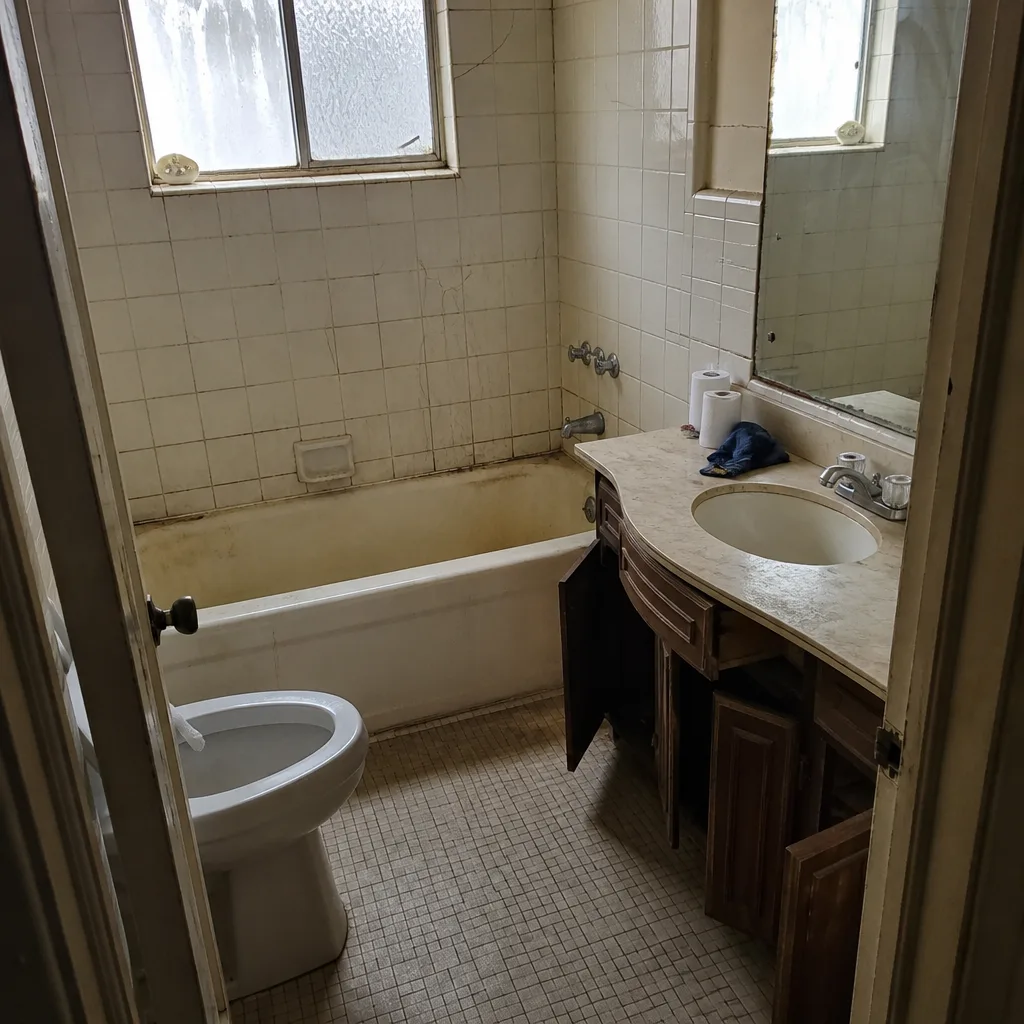 Before
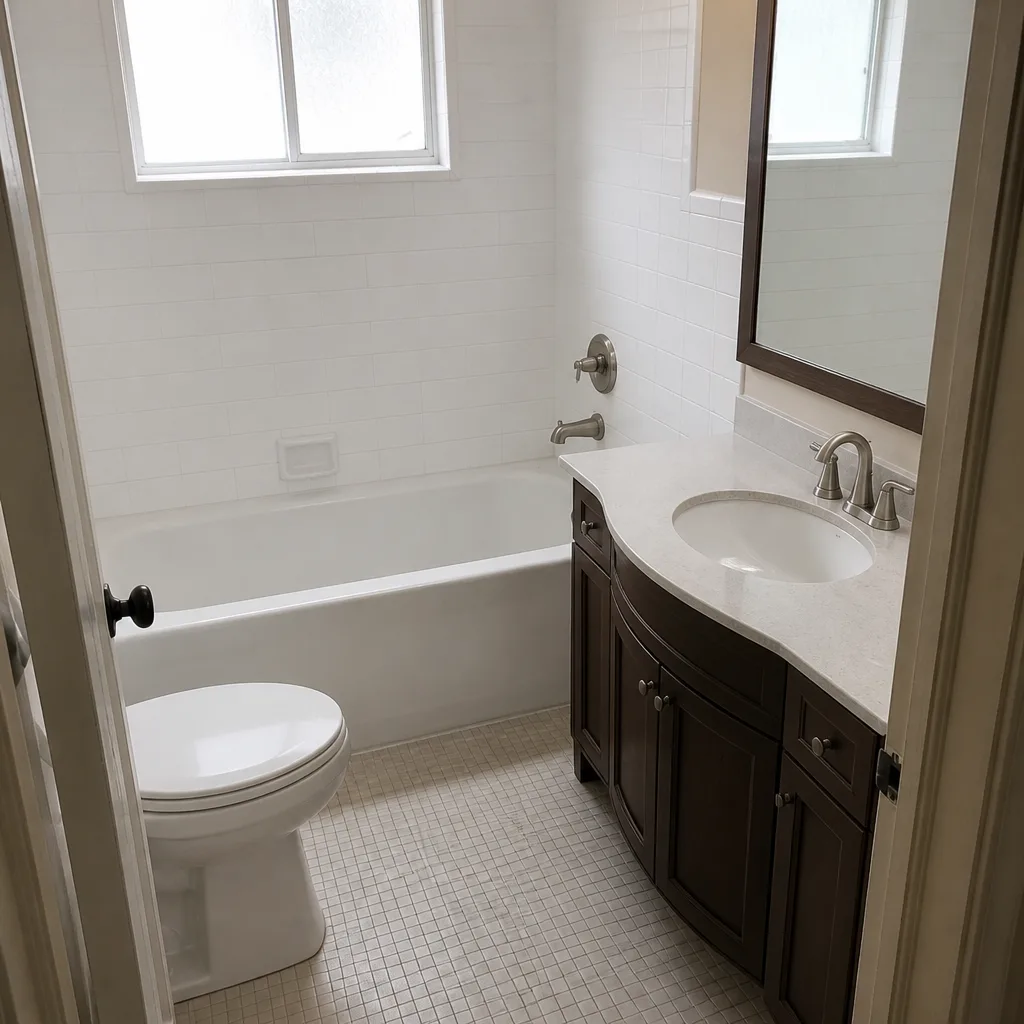 After
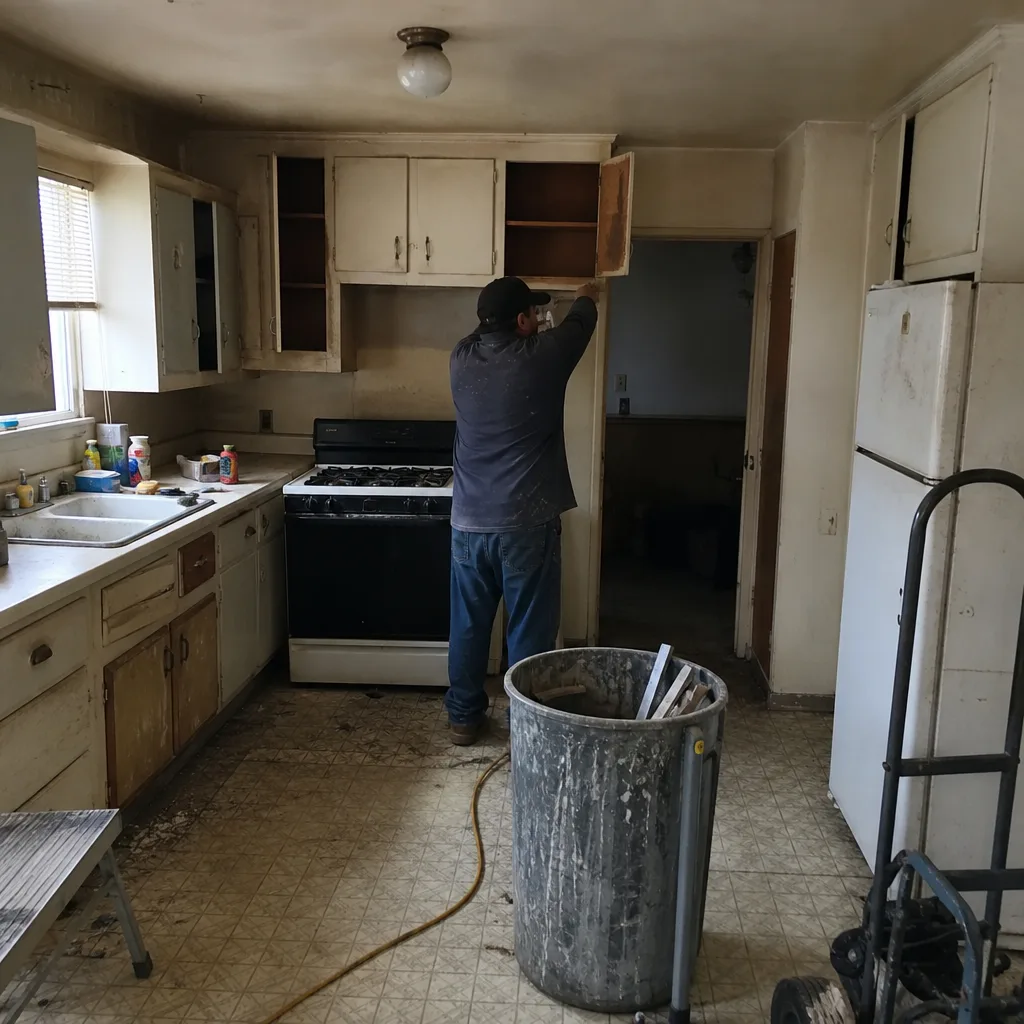 Before
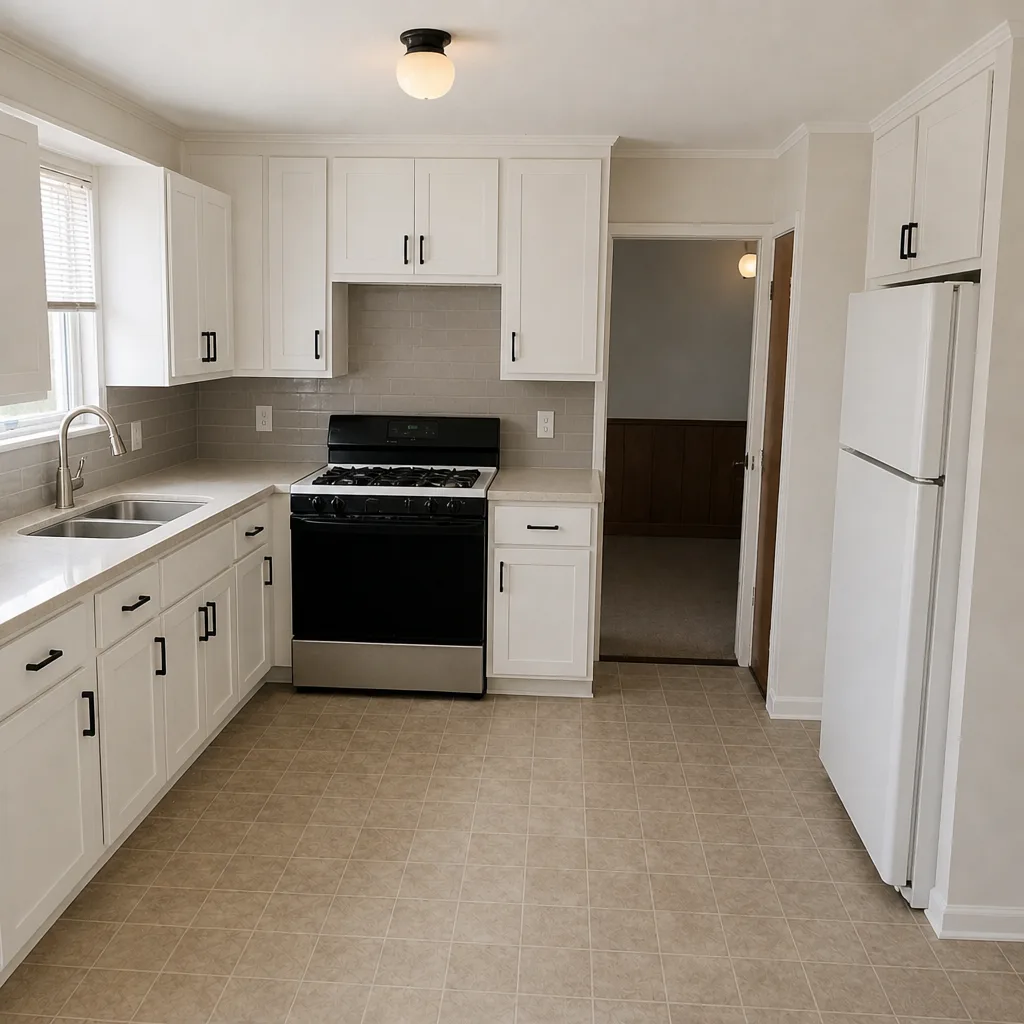 After
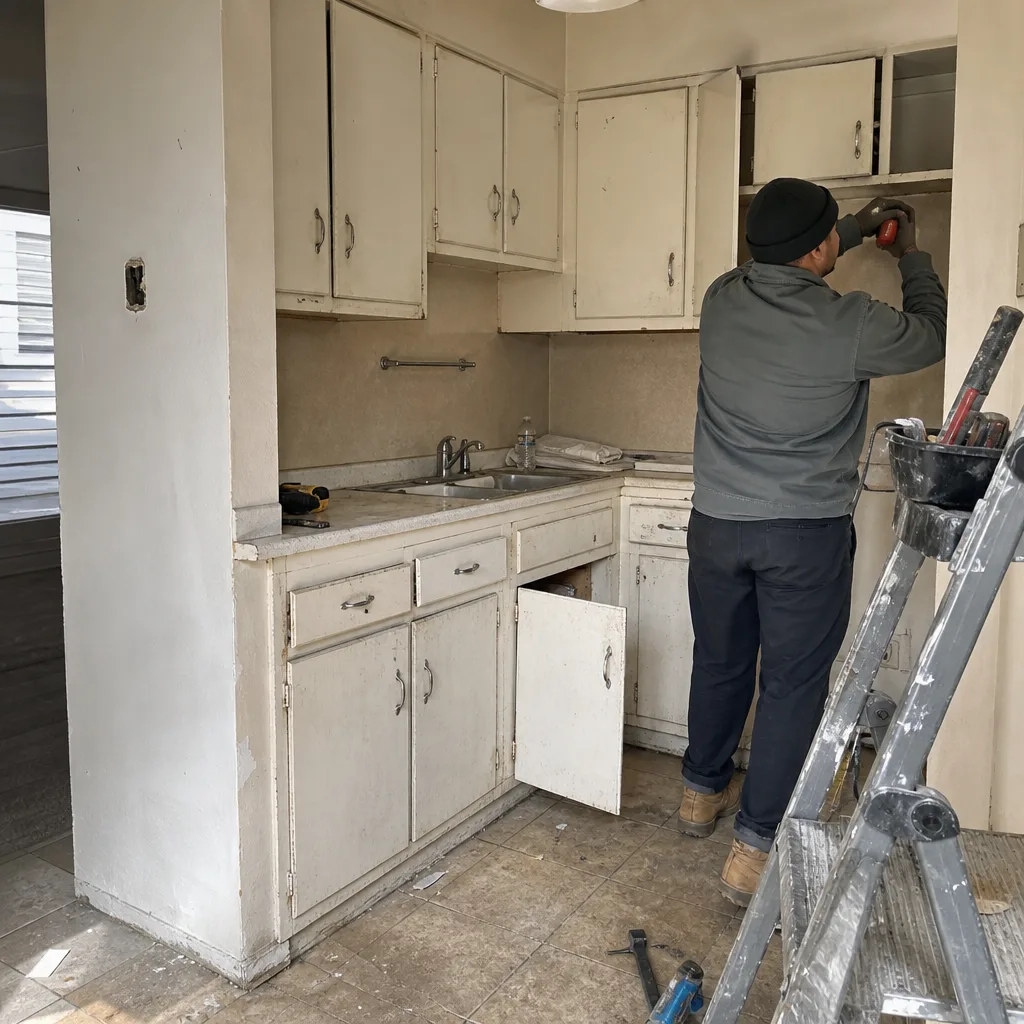 Before
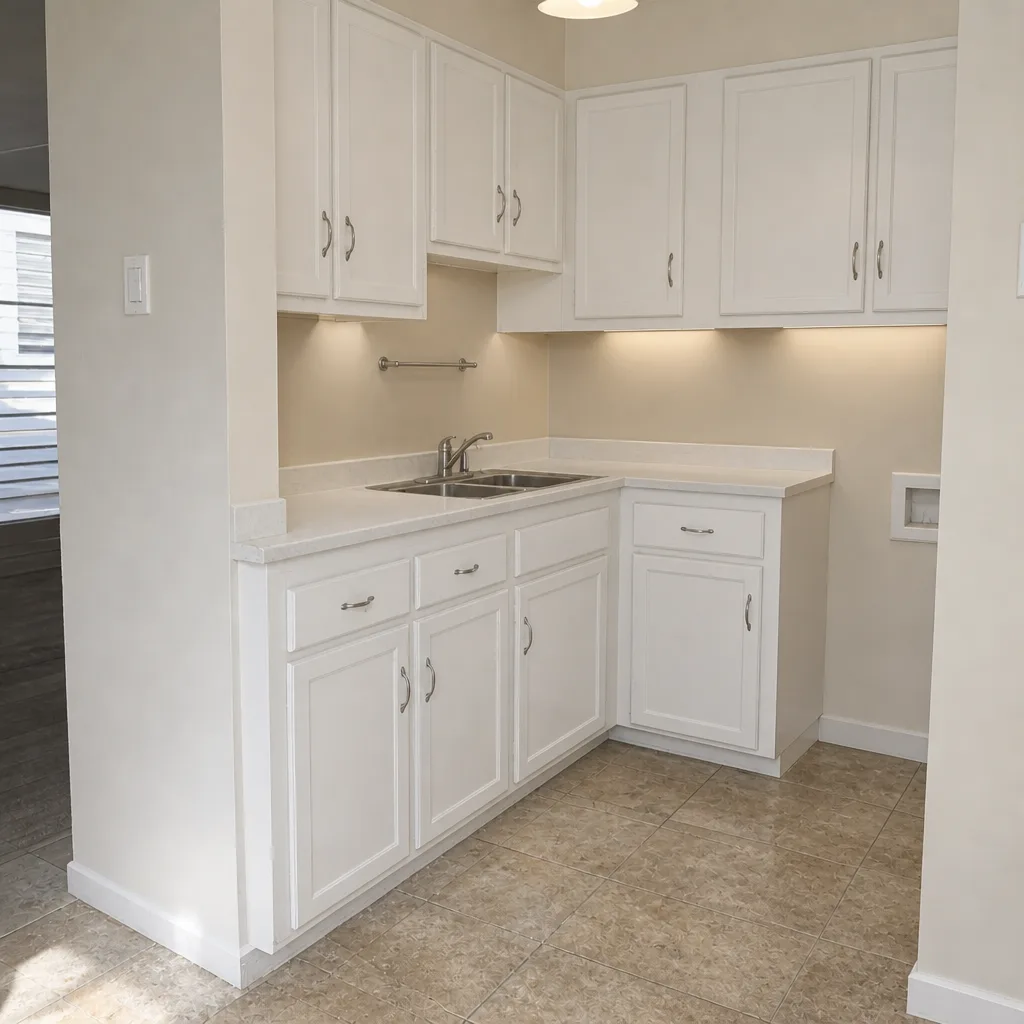 After
When to Call a Professional
Call a professional when a problem changes the way the kitchen functions: a hood that doesn’t clear smoke, an island receptacle without GFCI protection, a slow drain that came back after snaking, a gas range that lights but underperforms, or a countertop seam that’s opened inside the first year. These aren’t maintenance issues, they’re install failures, and the right fix is the correct one, not the cheapest patch. Electrical work behind a finished kitchen, gas lines, and any correction that opens a wall should be handled by a licensed professional with a permit – the risk and the codes make it non-negotiable. Bradford Remodeling Co East Los Angeles offers free estimates in East Los Angeles – call (833) 520-6636.
Frequently Asked Questions
A cosmetic fix like a hinge adjustment or a resealed grout line typically runs $75 to $250. Correcting a rough-in failure that opens a wall – rerouting a drain, upsizing a vent duct, adding GFCI to an island circuit – generally runs $400 to $1,800 depending on how much finish work has to come out. If the defect falls inside a written guarantee, the correction is no charge. Call (833) 520-6636 for an exact quote – estimates are free.
Yes. The correction means running new duct to exterior – through the roof or a sidewall – patching the old opening, and inspecting for moisture damage in the framing. It’s a permit job in California. Plan on a half-day to a full-day of work, plus whatever patching and painting is needed to close the ceiling.
Cracks that follow grout lines across a floor or backsplash usually are – they point to missing movement joints or a subfloor issue, not wear. A single tile with a chipped edge from impact is normal wear and owner responsibility. If the crack appeared in the first year and the grout was spec’d properly, the correction is on the installer.
Not on a Bradford Remodeling Co East Los Angeles job. Every price is written before any work starts, and the written price doesn’t move at the door. If a defect is more extensive than the initial scope, that gets a separate written price and your approval – never a surprise invoice at the end.
Yes. Any correction that involves new electrical, plumbing, gas, or vent work gets a permit pulled and an inspection passed. Cosmetic corrections that don’t touch those systems don’t need one. We tell you up front which category your fix is in, on paper.
A cosmetic correction is usually a single visit. A rough-in correction that opens a wall, corrects the install, and closes it back up typically runs two to five working days to allow for inspection. Gas, electrical, and vent corrections are scheduled around the inspection timing. Call (833) 520-6636 for a real timeline for your kitchen – the estimate is free.
The Bottom Line
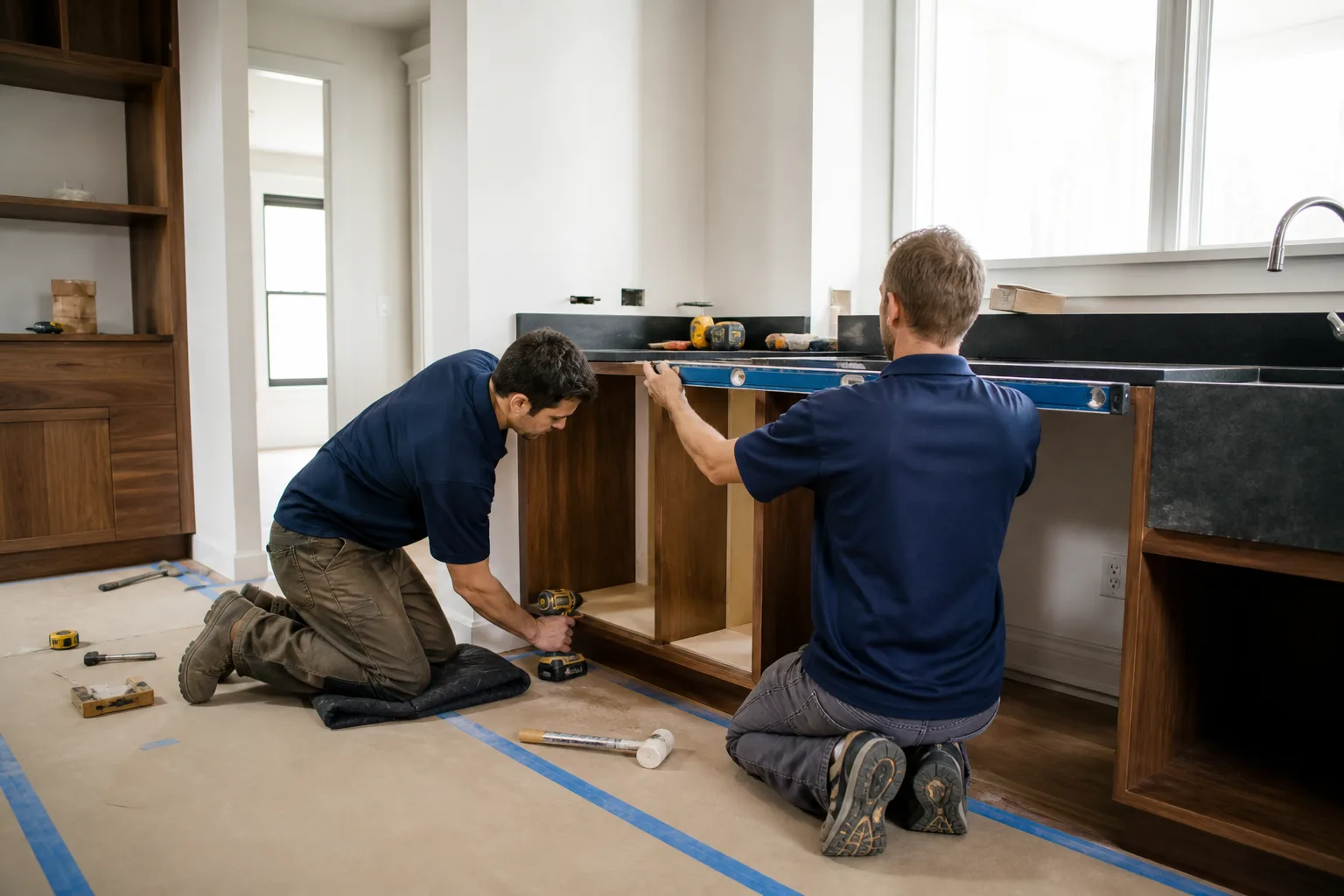
Most kitchen remodeling problems trace back to three failure points: design that ignored how the kitchen is actually used, rough-in work that passed a visual check but failed under daily use, and finish work that failed inside the first year. The fix is usually simpler than the worry – what makes it expensive is skipping the documentation and the permit. Photograph the defect, send a written notice, and check whether it’s a warranty claim before you pay for a correction. Whether it’s a vent hood correction in East Los Angeles or a countertop seam that failed on a Bathroom Remodeling in East Los Angeles job in the same home, the protocol is the same: documented scope, written price, and a firm warranty behind it.
If you’re dealing with a kitchen problem and don’t know which category it’s in, a free estimate from Bradford Remodeling Co East Los Angeles is the fastest way to find out. Our technicians have up to 22 years of experience diagnosing exactly this kind of failure. Every Bradford project comes with a written price before any work starts, background-checked, uniformed technicians on the job, and the 365-Day Done Right Promise covering the work for a full year. A live person answers the phone 24/7. Call (833) 520-6636 to schedule your free estimate.
Written by the team at Bradford Remodeling Co East Los Angeles.