Last updated November 17, 2026
Free written scope consultation - allowances, timeline, and change-order rules on paper before a single trade is scheduled
How Long Does Home Remodeling Take? Timelines and What to Expect
If a contractor gives you a 6-week kitchen remodel timeline and hasn’t mentioned permit approval wait time, you’re already looking at 10 weeks minimum in Los Angeles County. The work itself rarely causes the delay. What causes it is everything that happens before demolition: plan review, material lead times, and subcontractor sequencing that was never counted in the first place. Most homeowners only learn this after they’ve signed. This guide hands you the tools to audit a contractor’s schedule before you commit a dollar, with East Los Angeles permitting realities and 2025-2026 material windows built in.
Quick Answer
A bathroom remodel typically takes 4 to 8 weeks of construction, a kitchen 6 to 12 weeks, and a whole-home remodel 4 to 9 months. But those numbers describe only the build phase. Add 4 to 16 weeks of pre-construction for permits and material ordering, and the honest answer for most East Los Angeles projects is that the calendar runs longer than the quote suggests. The contractor’s timeline is only trustworthy if it names every phase, including the waiting periods most quotes quietly leave out.
Styles & brands we work with
- Kitchen remodeling
- Bathroom remodeling
- Home additions & ADU
- Roofing
- Windows & doors
- Driveway & pavers
- Fence
Table of Contents
- The Five Pre-Construction Phases Most Contractors Leave Out
- Los Angeles County Permit Review Windows by Project Type
- Material Lead Times in 2025-2026 That Are Still Running Long
- How to Read a Schedule of Values
- What a Written Milestone Schedule Should Contain
- Realistic Timelines by Project Type
- Site Conditions and Surprises in Older East Los Angeles Homes
- Common Mistakes to Avoid
The Five Pre-Construction Phases Most Contractors Leave Out
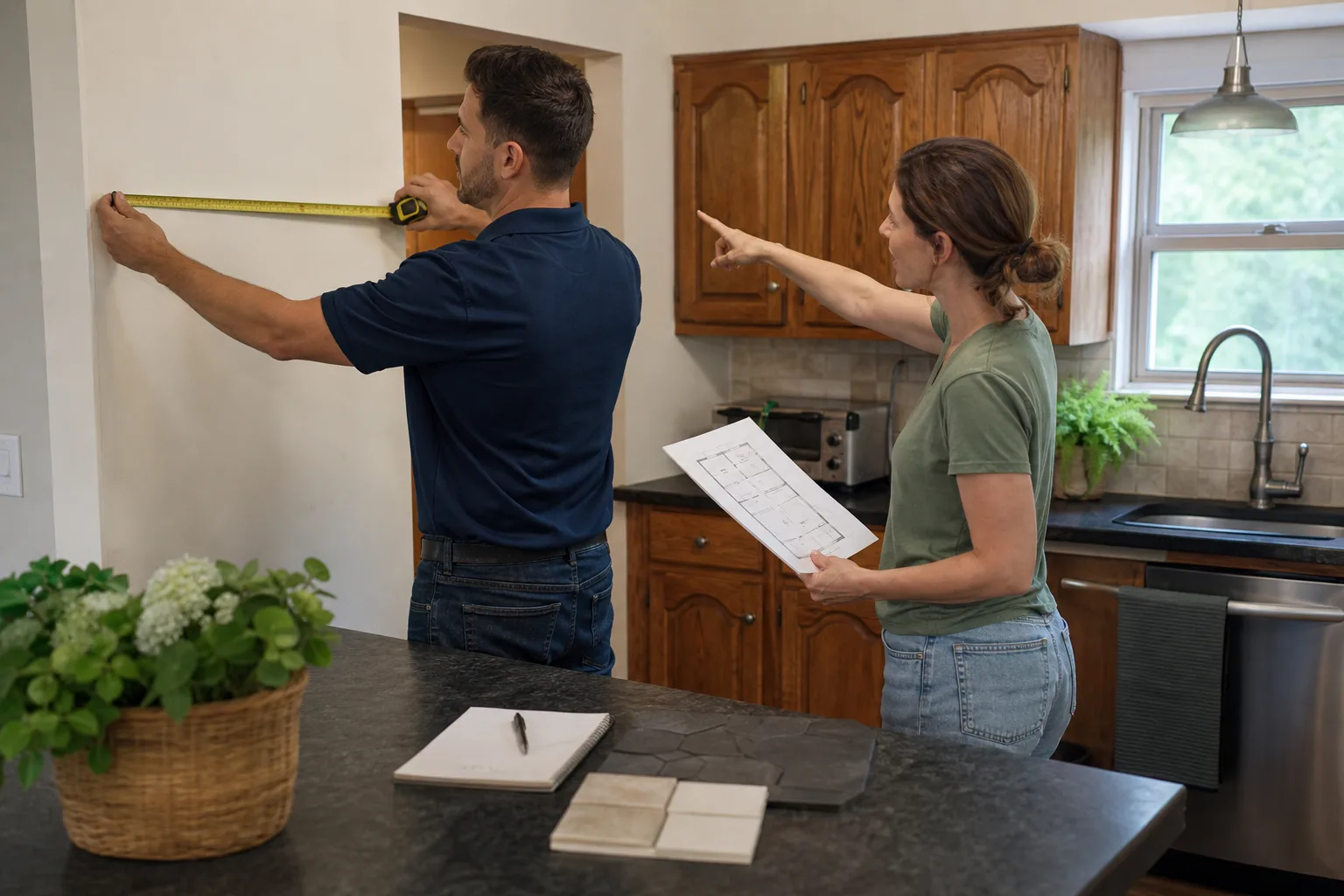
Here’s the pattern we see most often. A homeowner in East Los Angeles gets a clean 8-week number written on a proposal. The number looks reasonable. What it measures is only labor plus a rough guess at materials. It does not measure the five phases that sit between the handshake and the first swing of a hammer. That gap is where overruns are born.
The five phases in sequence:
- Design and scope finalization. 2 to 6 weeks. Cabinet layout, fixture selections, surface choices, and a signed scope. Every week you spend deciding is a week the schedule can’t start. Delta and American Standard selections, for example, can’t be ordered until the rough-in dimensions are locked.
- Plan preparation and engineering. 1 to 3 weeks. Structural changes, new load paths, and any wall removal require stamped drawings before the city will look at them.
- Permit submittal and plan review. 3 to 16 weeks depending on project type. This is the single most under-quoted number on a residential proposal.
- Material ordering and lead times. 3 to 20 weeks. Cabinets and windows are the long poles. Acknowledged order dates, not “should arrive” dates, are what belong in the schedule.
- Subcontractor pre-sequencing. 1 to 3 weeks. The plumber, electrician, and drywall crews have to be reserved in the right order, not called the day they’re needed.
An honest timeline stacks these. A quote that ignores them isn’t lying, exactly. It’s showing you a schedule that never touched the ground.
Los Angeles County Permit Review Windows by Project Type
Los Angeles County runs on its own clock. County review windows change with staffing, application volume, and whether your project lands in a plan-check backlog. The general ranges below are what we plan around, and they are the numbers a contractor should be able to speak to on the spot. If a quote doesn’t mention these, ask why.
Typical review windows
- Kitchen remodel (cosmetic, no structural): 2 to 6 weeks. Often a counter plan rather than full plan check if walls and mechanicals stay put.
- Bathroom remodel: 2 to 5 weeks. Short when it’s a like-for-like fixture swap; longer once you move the drain or add ventilation.
- Structural alterations (wall removal, beam addition, additions): 6 to 12 weeks. Structural calculations, sometimes a soils report, and often one round of corrections.
- Accessory dwelling unit (ADU): 8 to 16 weeks. The longest of the residential set, with plan-check corrections commonly adding 2 to 4 weeks on top.
- Electrical panel upgrade or service change: 2 to 4 weeks, but the utility’s connection scheduling can add more.
One correction cycle is not unusual; it’s the norm. Budget for a second round and treat it as a cushion, not a failure. This is also why we won’t hand a homeowner a build-only number: if the permit takes 10 weeks, an 8-week build is 18 weeks of calendar, and pretending otherwise sets everyone up for a bad conversation at week nine. When you’re ready, our General Contractor in East Los Angeles page explains how we run that pre-construction sequence from plan to permit.
Material Lead Times in 2025-2026 That Are Still Running Long
Some supply chains recovered. Some didn’t. The items below are the ones still stretching schedules, and they’re the ones a written timeline should pin to confirmed, acknowledged order dates.
- Semi-custom and custom cabinetry: 8 to 16 weeks. KraftMaid and Wellborn orders frequently land at the longer end when finishes or door styles are non-standard. Order acknowledgements beat verbal promises.
- Windows and exterior doors: 6 to 14 weeks. Therma-Tru entry systems and custom-size units are the repeat offenders; standard sizes move faster.
- Specialty and large-format tile: 4 to 12 weeks. Large-format slabs and imported patterns are ordered per batch, so a single cracked piece can restart the clock.
- Quartz and stone surfaces: 2 to 5 weeks for templating and fabrication once selections are final. Cambria and Caesarstone programs are predictable but not instant.
- Certain fixtures and finishes: 1 to 8 weeks. Standard Delta and American Standard stock is quick; specialty finishes and discontinued colors are not.
Here’s the discipline point. A schedule of values that shows “install cabinets: week 5” without a confirmed cabinet ship date is a guess dressed up as a plan. If your cabinet order has a 14-week lead time, that install slot is fiction, and everything downstream of it is fiction too. If you walk into our Kitchen Remodeling in East Los Angeles process, the cabinet order date is on the schedule before demolition day is.
How to Read a Schedule of Values
A schedule of values breaks the contract price into line items tied to phases of work. It exists so both sides know what’s being paid for what, and when. Read it as a timeline audit, not just a billing document. Where the money sits tells you where the contractor expects to spend time.
Look for these tells:
- Does it list pre-construction as a line? Design, engineering, and permitting should appear with their own values and their own dates. If pre-construction is a $0 line or missing, the schedule is hiding it.
- Are subcontractor trades sequenced? Rough plumbing before rough electrical before drywall before trim. If the order is scrambled, the contractor hasn’t thought through the sequencing.
- Is there an allowance for corrections? A realistic schedule carries a small contingency. A schedule with zero float has already failed.
- Does the payment schedule follow the calendar? Money should track milestones, not the other way around. A big deposit with nothing scheduled behind it is a red flag.
- Are material deliveries named? Cabinet and window installs should trace back to a confirmed ship date, not an assumed one.
We’ve seen plenty of East Los Angeles proposals where the schedule of values is four lines: demo, rough, finish, punch. That isn’t a schedule. It’s a receipt template. When a contractor hands you one, you’re looking at a quote that skipped the audit.
What a Written Milestone Schedule Should Contain
The difference between a timeline and a milestone schedule is the difference between “about 10 weeks” and a document you can hold a contractor to. A written schedule belongs in the contract, not in a text message. Ours goes in writing before any tool comes out, and it should say the same things from anyone you hire.
A complete milestone schedule names:
- Every phase with a start and finish date, including the pre-construction phases.
- Named material order dates and acknowledged ship dates, not lead-time ranges.
- Permit submittal date and a target approval estimate.
- The order of subcontractor trades, with rough-in dates for plumbing and electrical.
- Inspection milestones. A rough-in inspection fails the calendar if it isn’t scheduled for.
- A punch-list window and a final walkthrough date.
- Float or contingency. A realistic buffer of 1 to 2 weeks built into the end, not discovered at the end.
What does it mean when a contractor refuses to provide a written milestone schedule? Usually one of two things. Either they don’t build schedules that way, or the schedule they’d have to write would reveal the timeline was never going to hold. Either answer is a no.
Realistic Timelines by Project Type
Here’s what honest calendar numbers look like once pre-construction is folded in. These are ranges, not promises, and they’re the numbers we’d quote you for an East Los Angeles job.
- Bathroom remodel: 4 to 8 weeks of build, 6 to 13 weeks total once permit and fixtures are counted. A Toto or American Standard fixture swap doesn’t add much; relocating a drain does.
- Kitchen remodel: 6 to 12 weeks of build, 10 to 22 weeks total. With custom cabinets on 14-week lead time, the total stretches toward the high end.
- Whole-home remodel: 4 to 9 months of build, 6 to 12 months total. Structural work and phased sequencing add weeks that a room-by-room plan hides.
- ADU or addition: 4 to 8 months of build, 7 to 13 months total. The permit alone can take 3 to 4 months.
When a quote comes in far under these, ask which phase got left out. The build phase doesn’t compress because the paperwork did; the paperwork compresses the calendar only if it’s never done. And the build phase depends heavily on the house. A 1950s East Los Angeles bungalow with original plumbing and a knob-and-tube leftover isn’t the same job as a 2005 build. For the smaller end of this list, see our Bathroom Remodeling in East Los Angeles breakdown of what a fixture-level scope looks like versus a full gut.
Site Conditions and Surprises in Older East Los Angeles Homes
The build phase fights back harder in older housing stock. A lot of East Los Angeles homes date to the 1920s through the 1950s, and their walls hide things that only appear after demolition. Those discoveries cost time, and a real schedule reserves space for them instead of pretending every wall is going to open clean.
- Substrate condition. That’s the layer under the finish surface, and in older homes it’s often water-damaged or out of square. Rebuilding it adds days, not hours.
- Galvanized plumbing and outdated electrical. A remodel that touches the wall cavity frequently triggers an upgrade, and that upgrade needs an inspection.
- Framing that doesn’t match plan dimensions. Older walls are rarely square, so cabinet runs and fixtures need shimming or a small reframe.
- Termite damage and dry rot. A common find in original window and roofline framing, especially on homes that sat through a wet winter.
The forecast here is dry with long, hot summers and occasional winter rain, so exterior work has a favorable window most of the year. But framing and framing-adjacent work can’t happen until the wall is opened, and the opening is where the surprises come. A written scope that names an allowance for unforeseen conditions is not a hedge; it’s honesty, and it’s what keeps a timeline from collapsing at the point of discovery.
Common Mistakes to Avoid
- Signing a quote with no pre-construction line items. If design, permits, and lead times aren’t on the schedule, the timeline is a build-only estimate, and you’ll be the one eating the gap. Ask for the full calendar before you sign.
- Trusting a “we’ll handle the permit” promise without a submittal date. In Los Angeles County, the submittal date is the schedule’s real anchor. Without it, “handling the permit” means waiting.
- Ordering cabinets after demo starts. Cabinets on 8-to-16-week lead time ordered on day one means the build sits idle for a month or more. Confirm order and ship dates first.
- Reading a schedule of values as a budget instead of a timeline. Where the money sits shows where the time goes. Scramble the order and the calendar unravels.
- Accepting a verbal schedule. A verbal “about 9 weeks” isn’t a milestone schedule. Get it in writing, in the contract, with dates.
- Ignoring the condition of an older home. East Los Angeles homes built before 1960 have hidden substrate and plumbing problems. A realistic schedule carries an allowance; a fantasy schedule doesn’t.
- Picking the shortest timeline instead of the most complete one. The fastest number is usually the one that left the most out. A disciplined schedule is longer on paper and shorter in reality.
When to Call a Professional
Some of this work you can audit yourself. The schedule of values, the milestone list, the material order dates, those are documents you should be able to read and challenge. But when the scope involves structural changes, electrical panel work, or gas line relocation, the sequencing and the permit path make a self-managed timeline a risk you don’t want to carry. Older East Los Angeles homes add a second layer: surprises behind the wall need a crew that knows what to do when the wall opens. Bradford Remodeling Co East Los Angeles offers free estimates in East Los Angeles. Call (833) 520-6636 and we’ll walk the schedule with you before you sign anything. Our Bradford Remodeling Co East Los Angeles home page lays out how we work, but the schedule is where the conversation should start.
See the difference
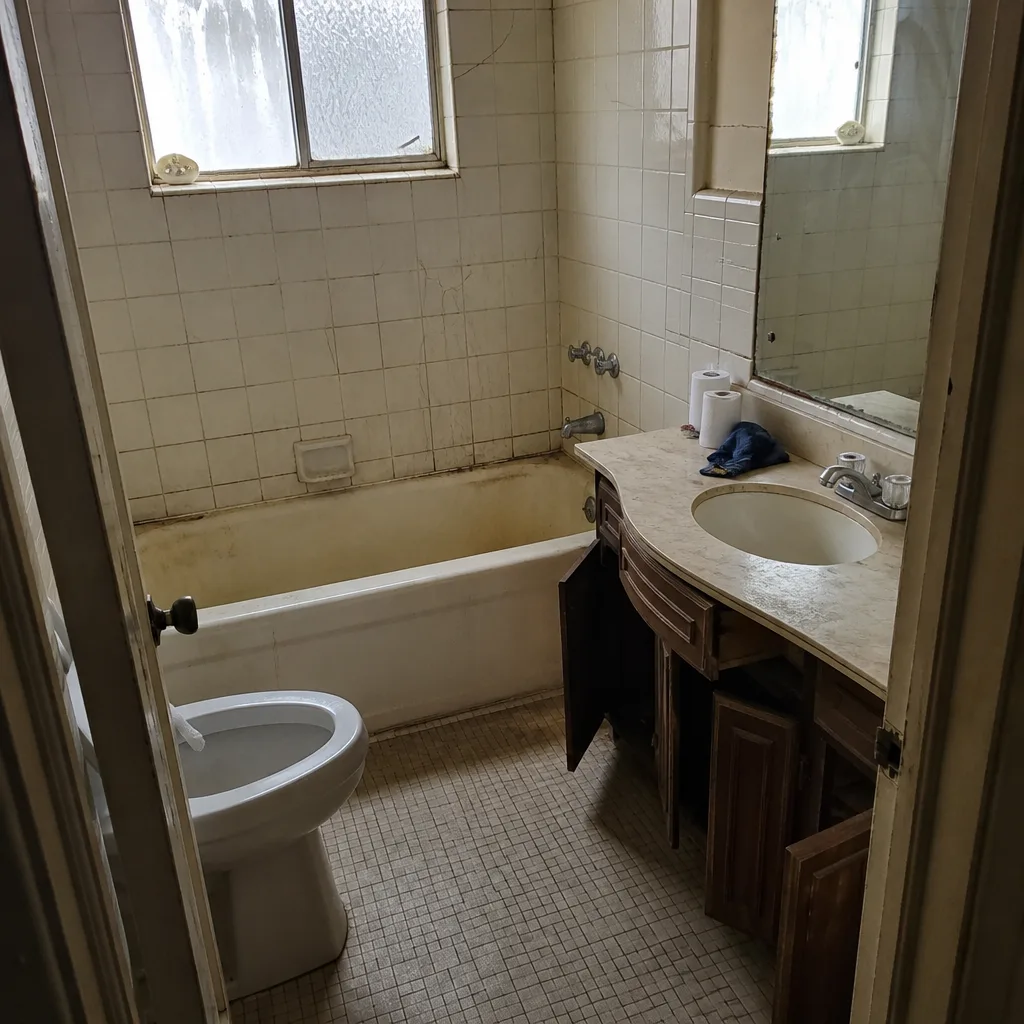 Before
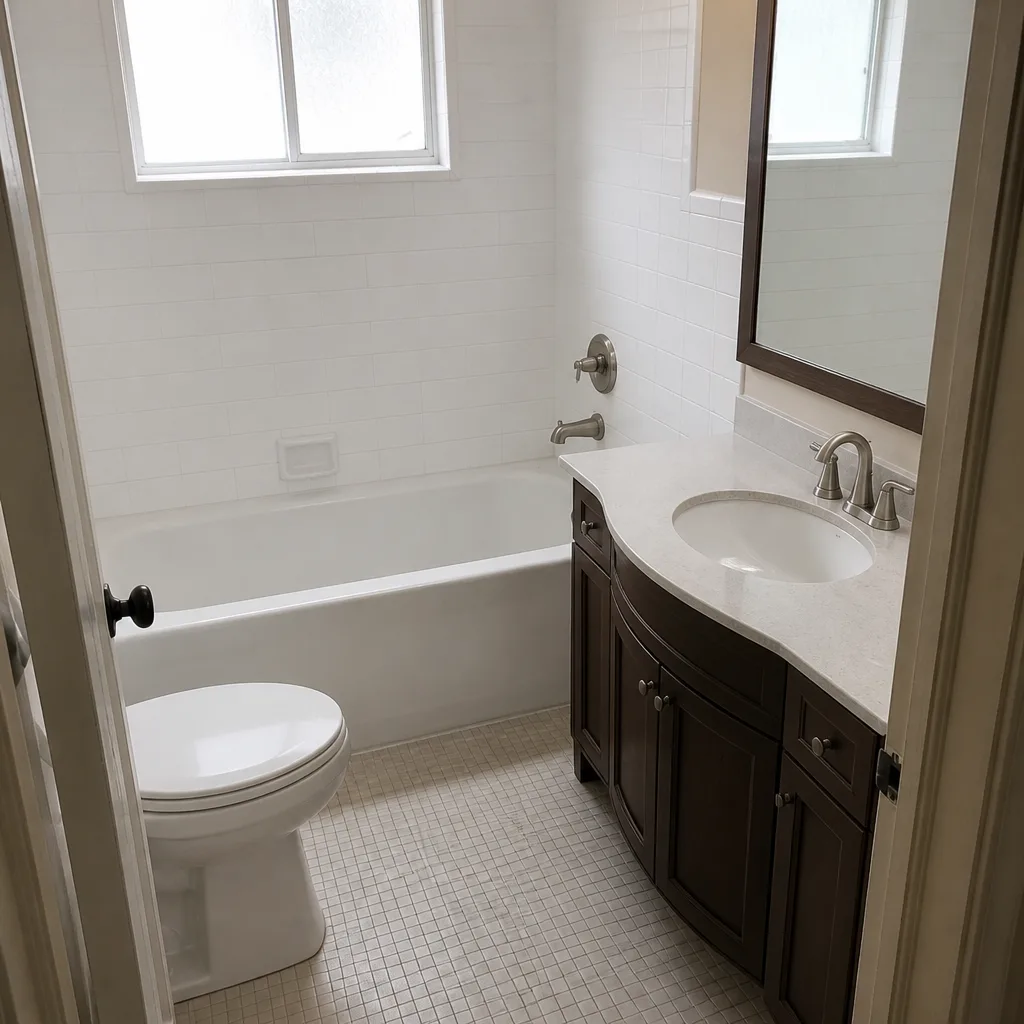 After
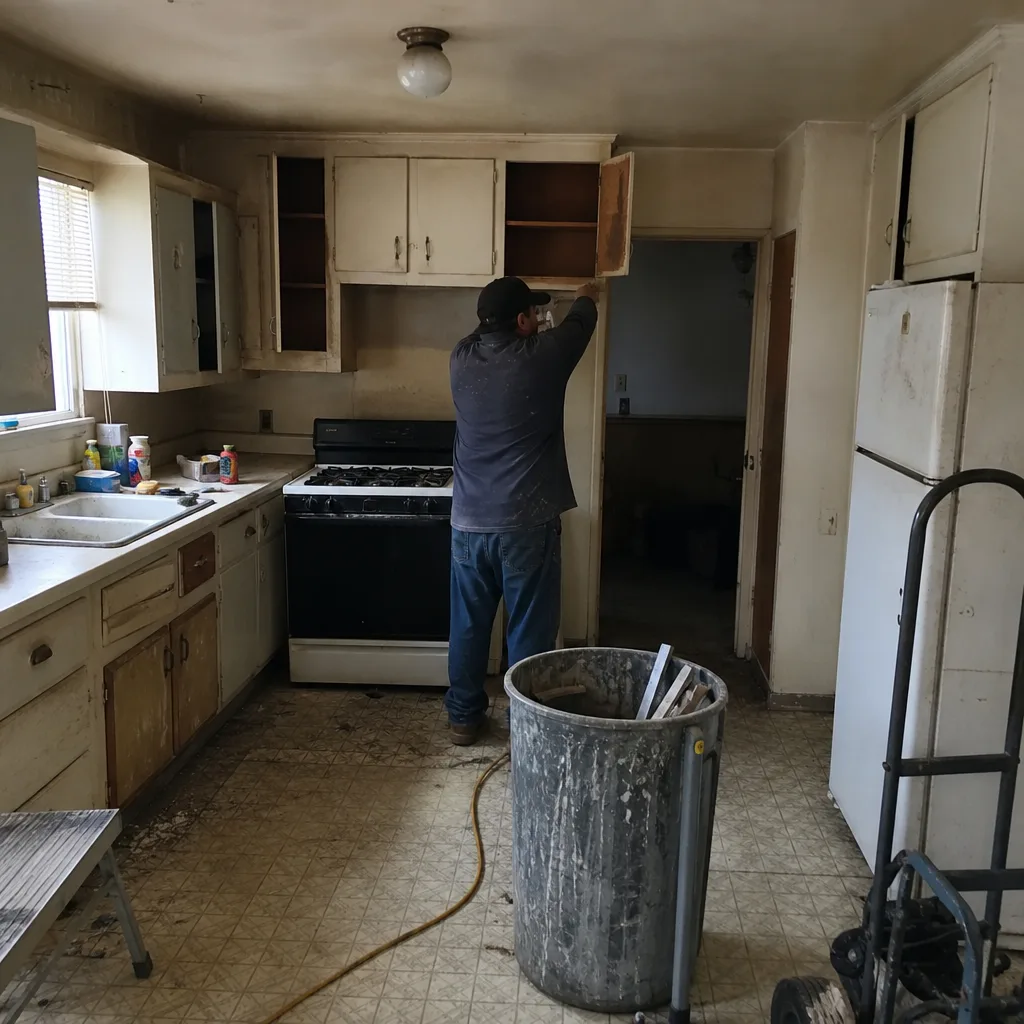 Before
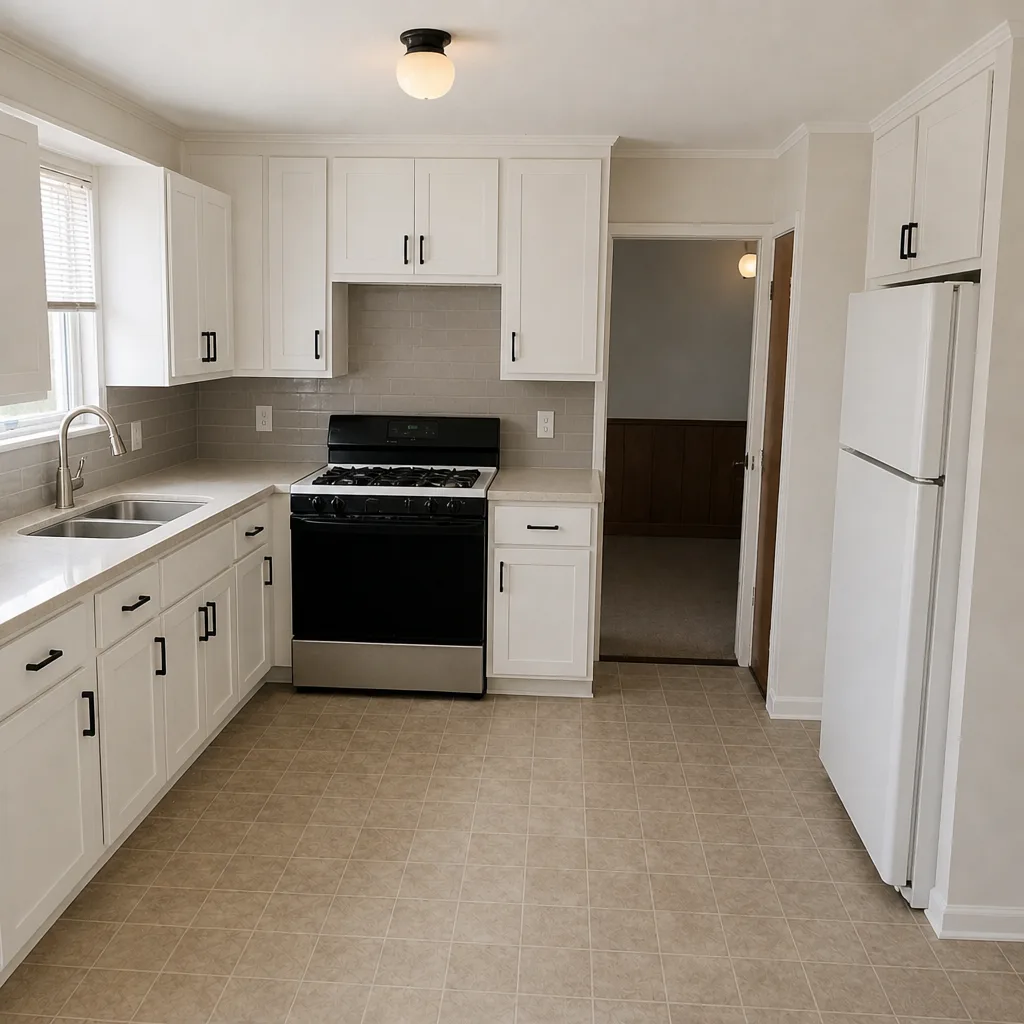 After
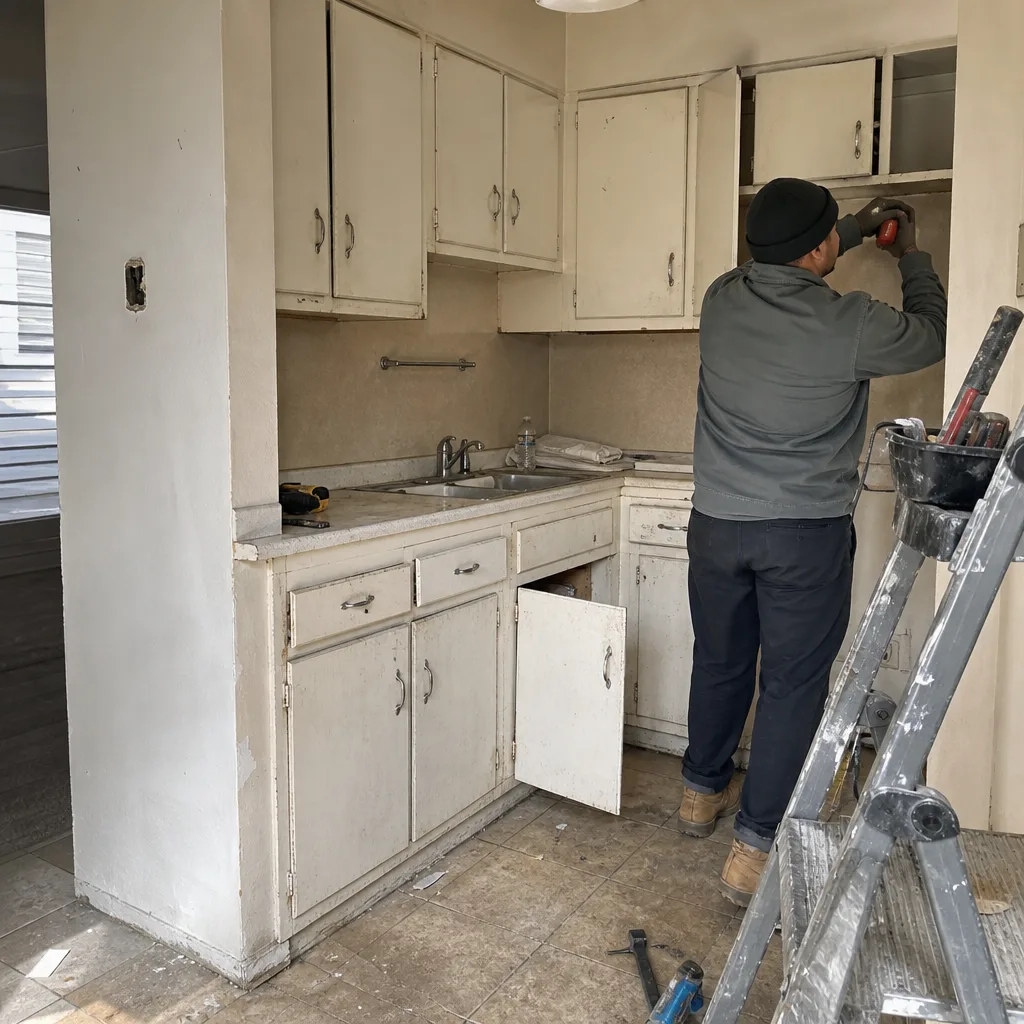 Before
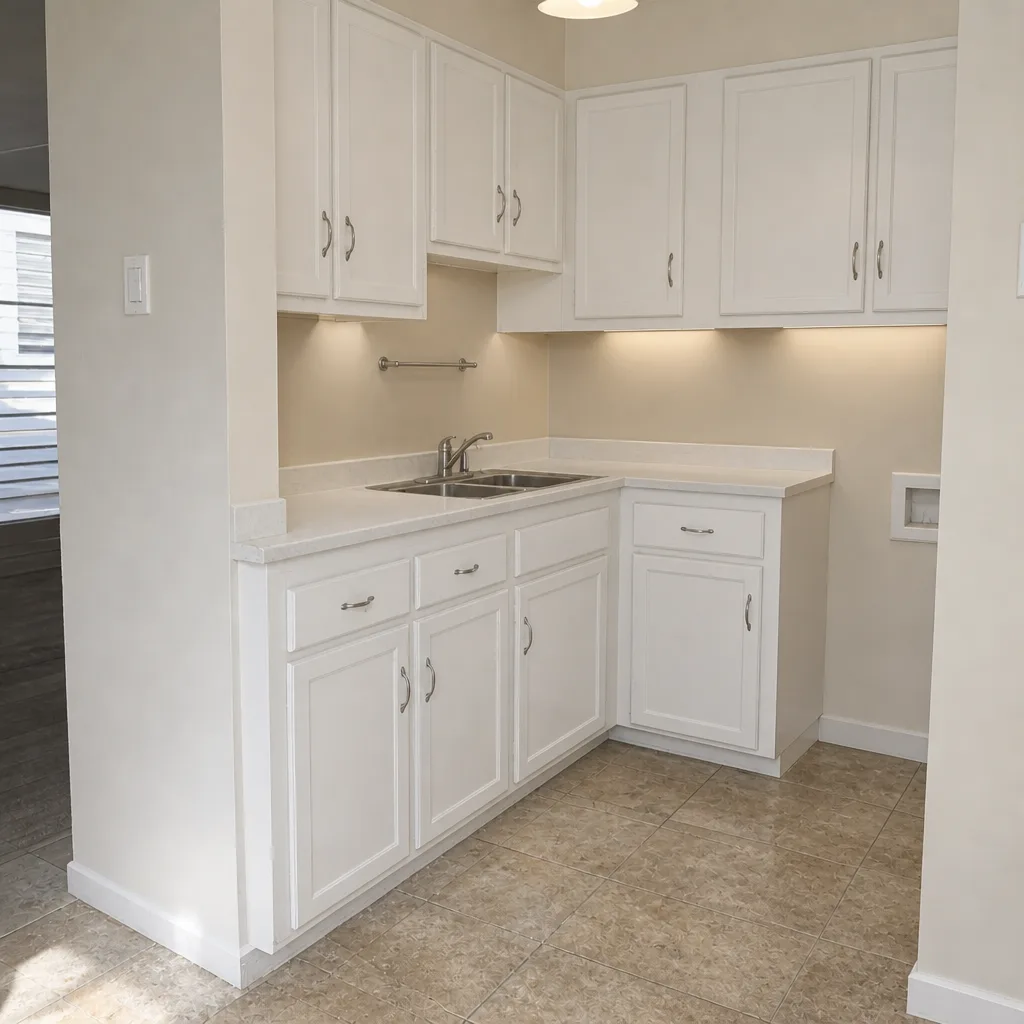 After
Frequently Asked Questions
A kitchen remodel in East Los Angeles typically runs 6 to 12 weeks of construction plus 4 to 16 weeks of pre-construction for permits and materials, for a realistic total of 10 to 22 weeks. Custom cabinetry on long lead time pushes you toward the high end. Call (833) 520-6636 for a written schedule before work starts.
They take longer because the quote usually measures only the build phase and leaves out permitting, material lead times, and subcontractor sequencing. The work itself rarely overruns by the margin people report; the pre-construction phases do. Ask which phase is missing from any number you’re given.
An ADU permit in Los Angeles County generally takes 8 to 16 weeks for plan review, and a round of corrections can add 2 to 4 weeks on top. Kitchen and bath permits are shorter, at 2 to 6 weeks. Call (833) 520-6636 to plan around your county review window.
It shouldn’t, at least not as a surprise. We give every homeowner a written price before any work starts, and that price doesn’t move at the door. Genuine unforeseen conditions behind the wall are handled through a written change order you approve first. Call (833) 520-6636 for a free estimate with the price in writing.
A written milestone schedule should name every phase with start and finish dates, permit submittal and approval targets, material order and ship dates, subcontractor sequencing, inspection milestones, and a punch-list window. If a contractor won’t provide one, that’s your answer about their process. Call (833) 520-6636 and we’ll walk you through ours.
A bathroom remodel in an older East Los Angeles home typically runs 4 to 8 weeks of construction, plus permit and fixture lead time for a total of 6 to 13 weeks. Homes built before 1960 often reveal substrate or plumbing problems after demo that add a week or two. Call (833) 520-6636 for an exact scope and schedule.
The Bottom Line
The honest answer to how long home remodeling takes is that the calendar is longer than the labor because the pre-construction phases are where the time actually goes. A 6-week kitchen timeline without a permit submittal date and confirmed cabinet ship dates is a wish, not a schedule. Before you sign, demand the five phases, the schedule of values in the correct sequence, and a written milestone schedule in the contract. If a contractor won’t provide one, you’ve learned the most important thing about the project early. A disciplined schedule is longer on paper and shorter in reality.
Contact
At Bradford Remodeling Co East Los Angeles, every price goes in writing before any tool comes out, and every completed project carries the 365-Day Done Right Promise: if the work fails within the year, we come back and correct it at no charge. A live person answers the phone around the clock. Call (833) 520-6636 to schedule your free estimate and get your timeline squared away before you commit.
Written by the team at Bradford Remodeling Co East Los Angeles.